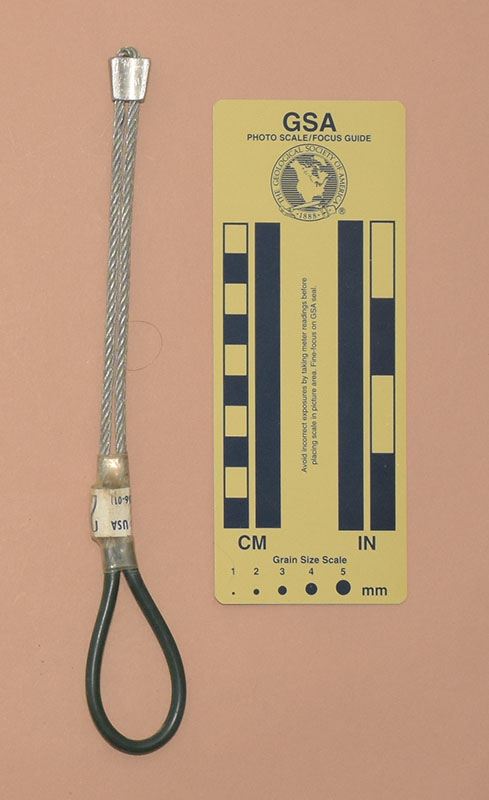
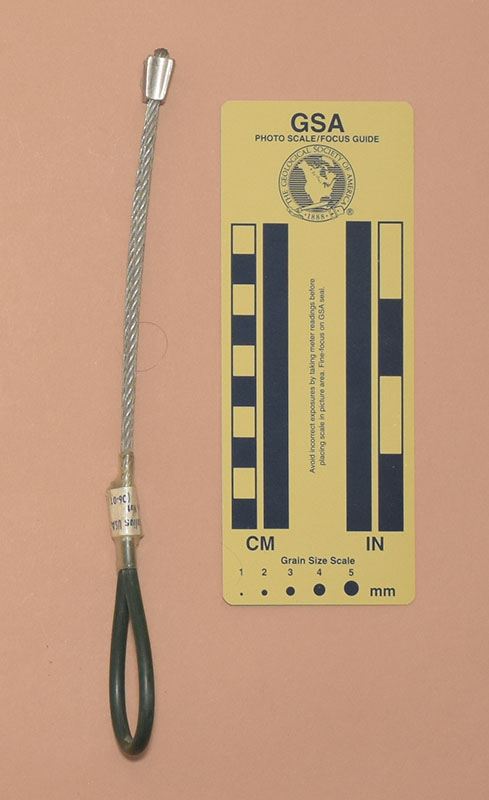
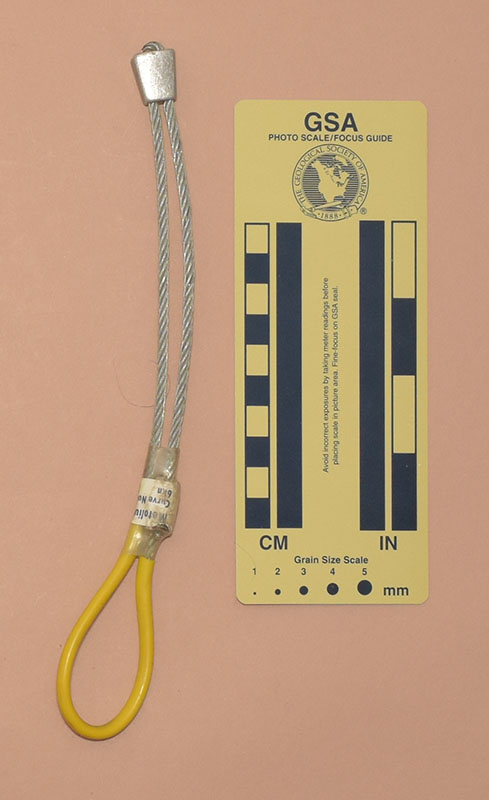
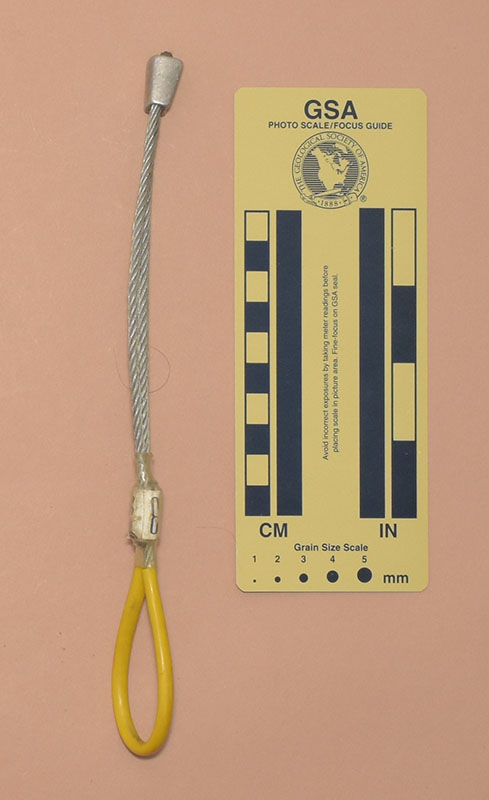
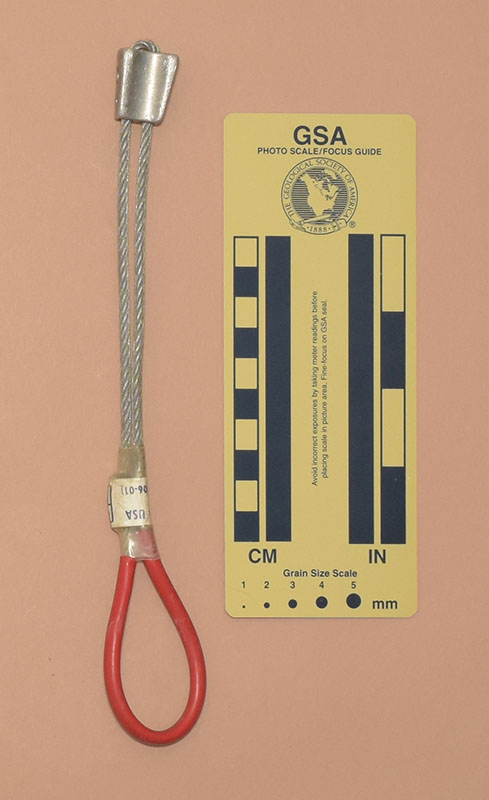
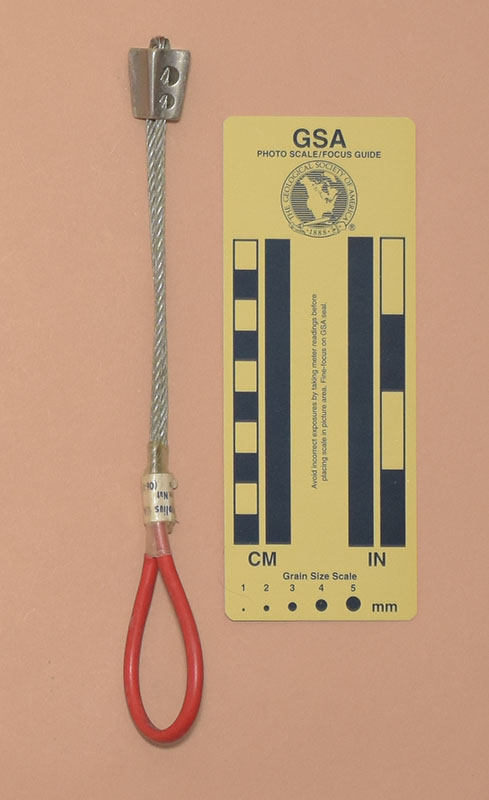
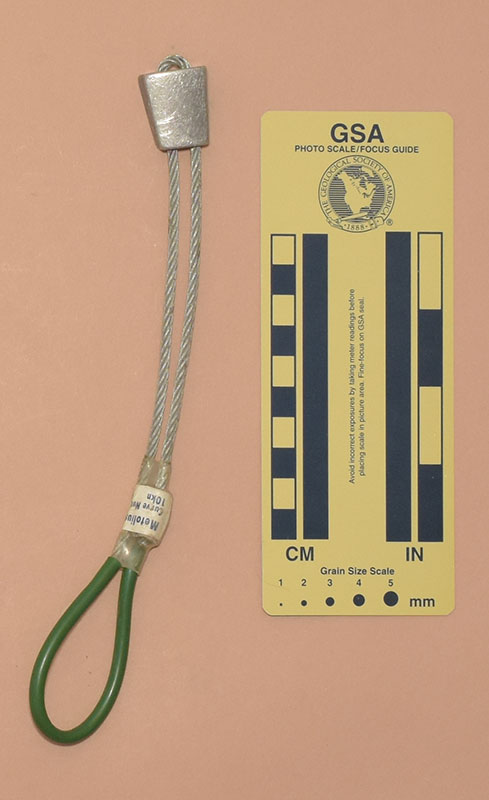
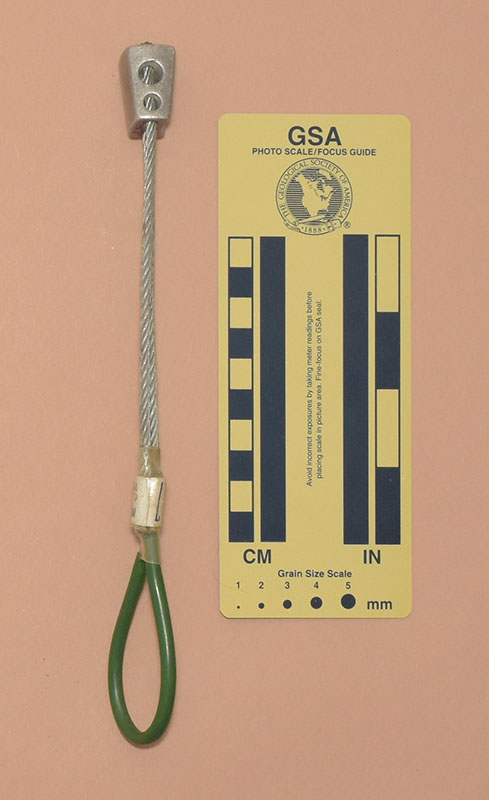
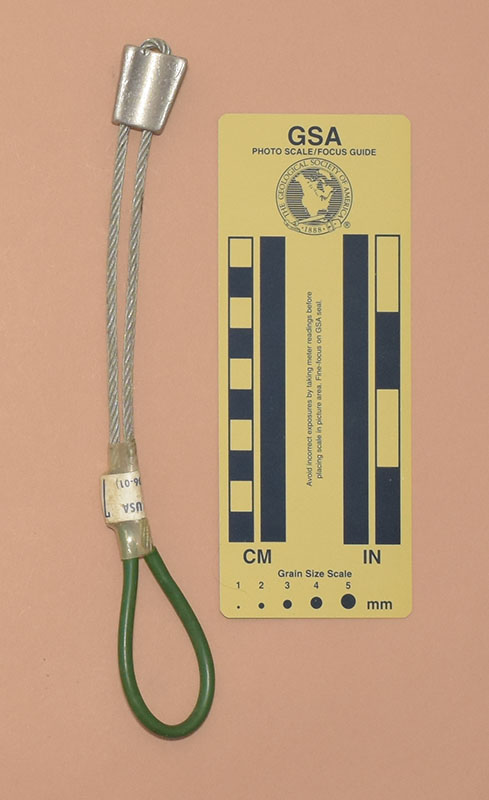
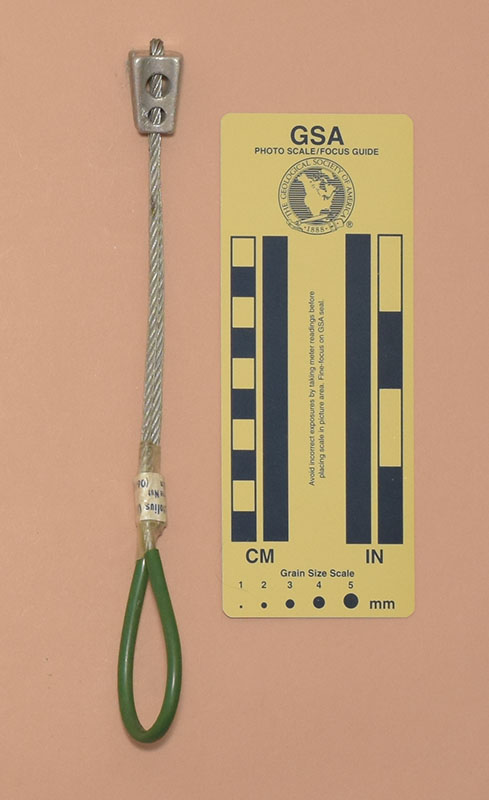
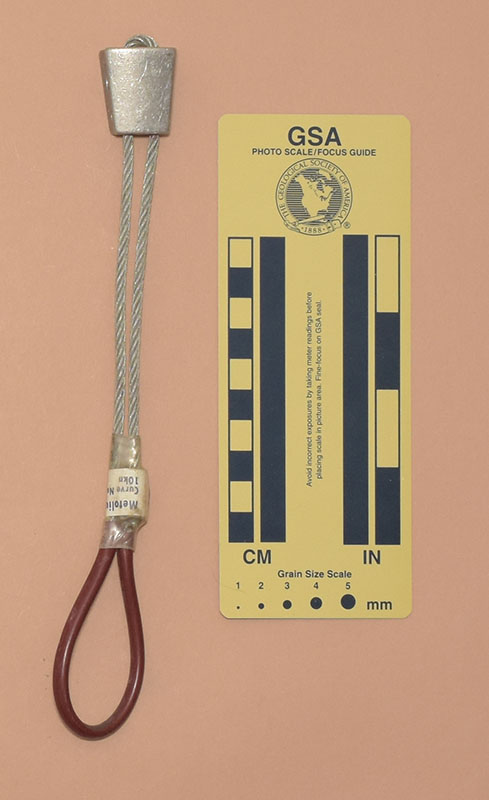
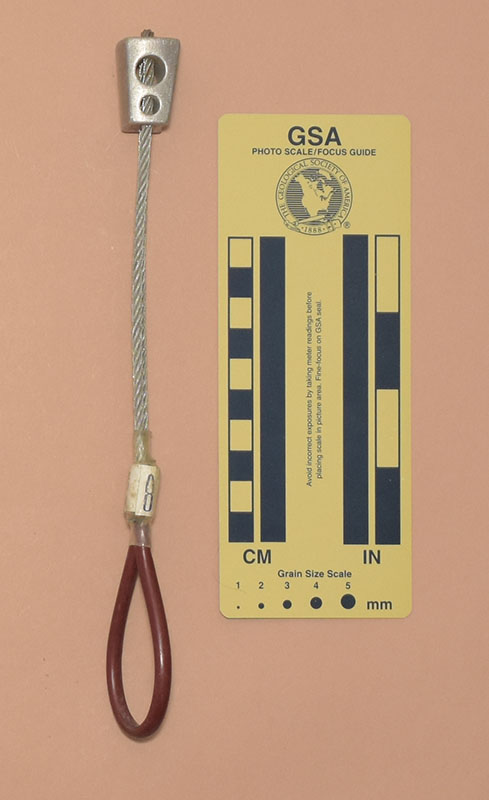
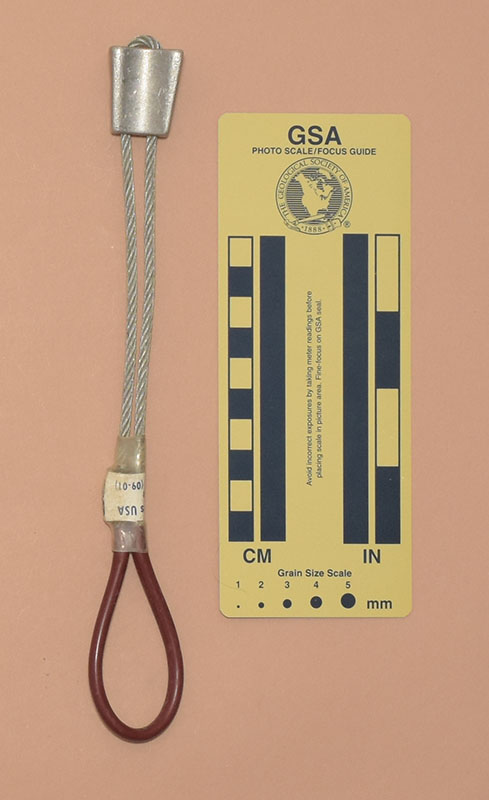
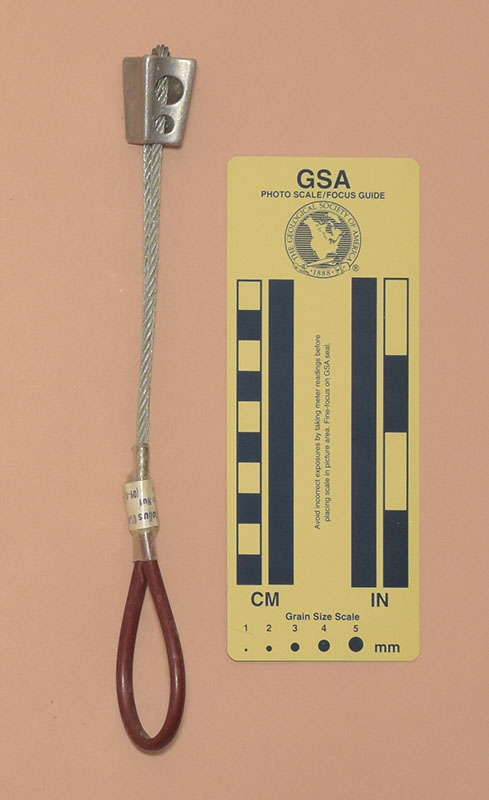
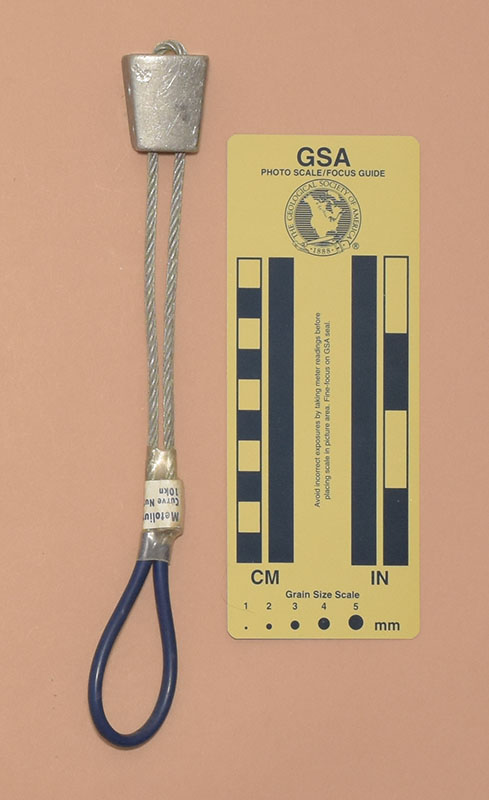
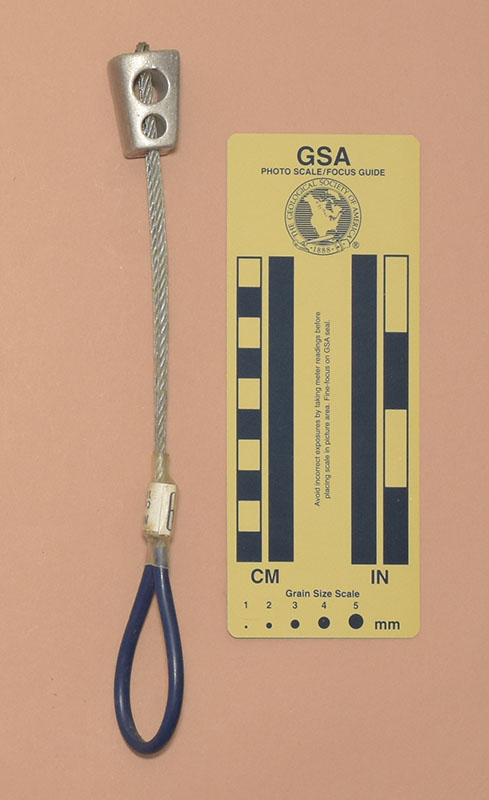
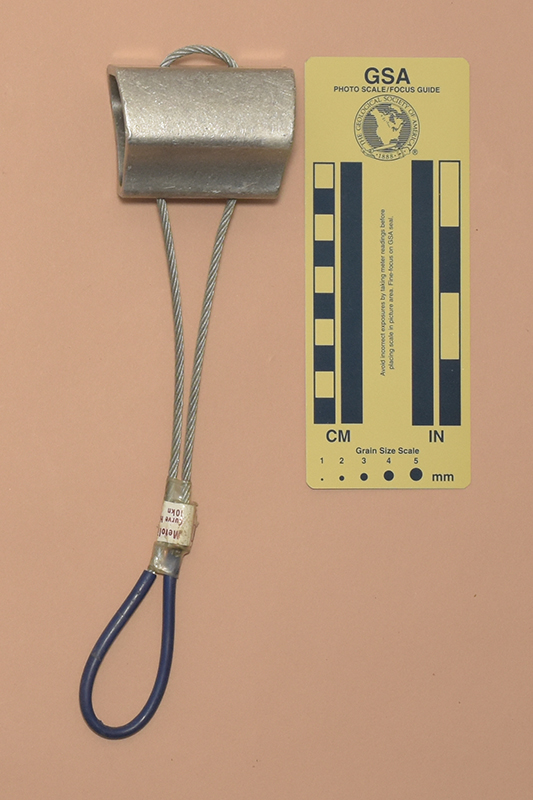
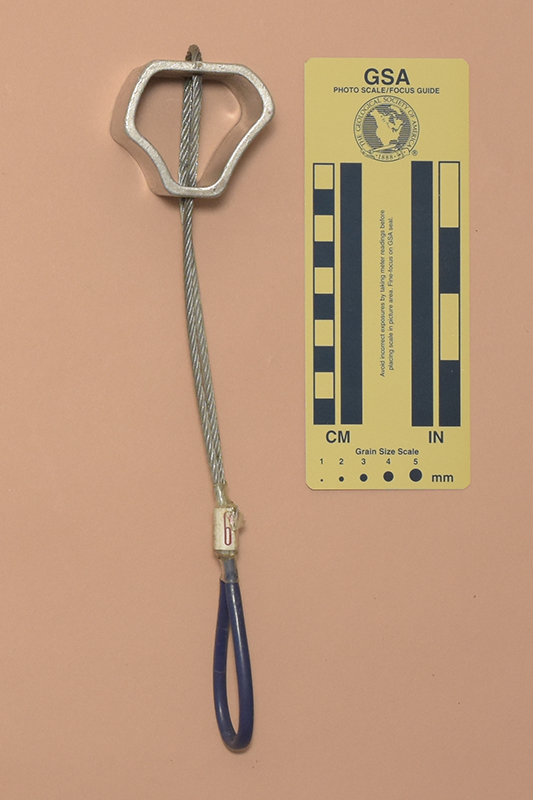
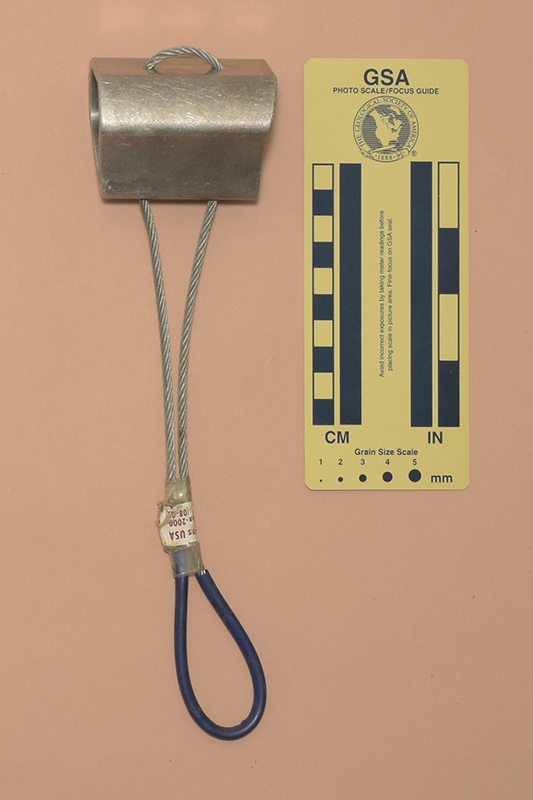
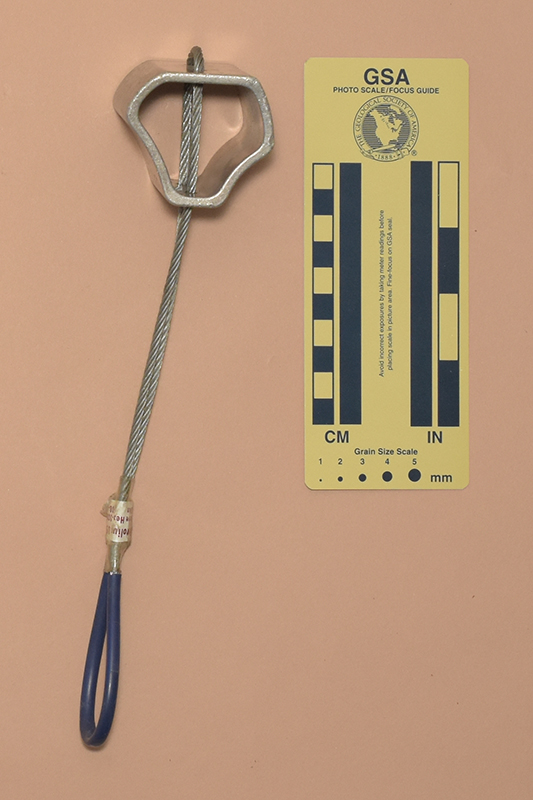
Wired Curved Nuts
Not Color Anodized
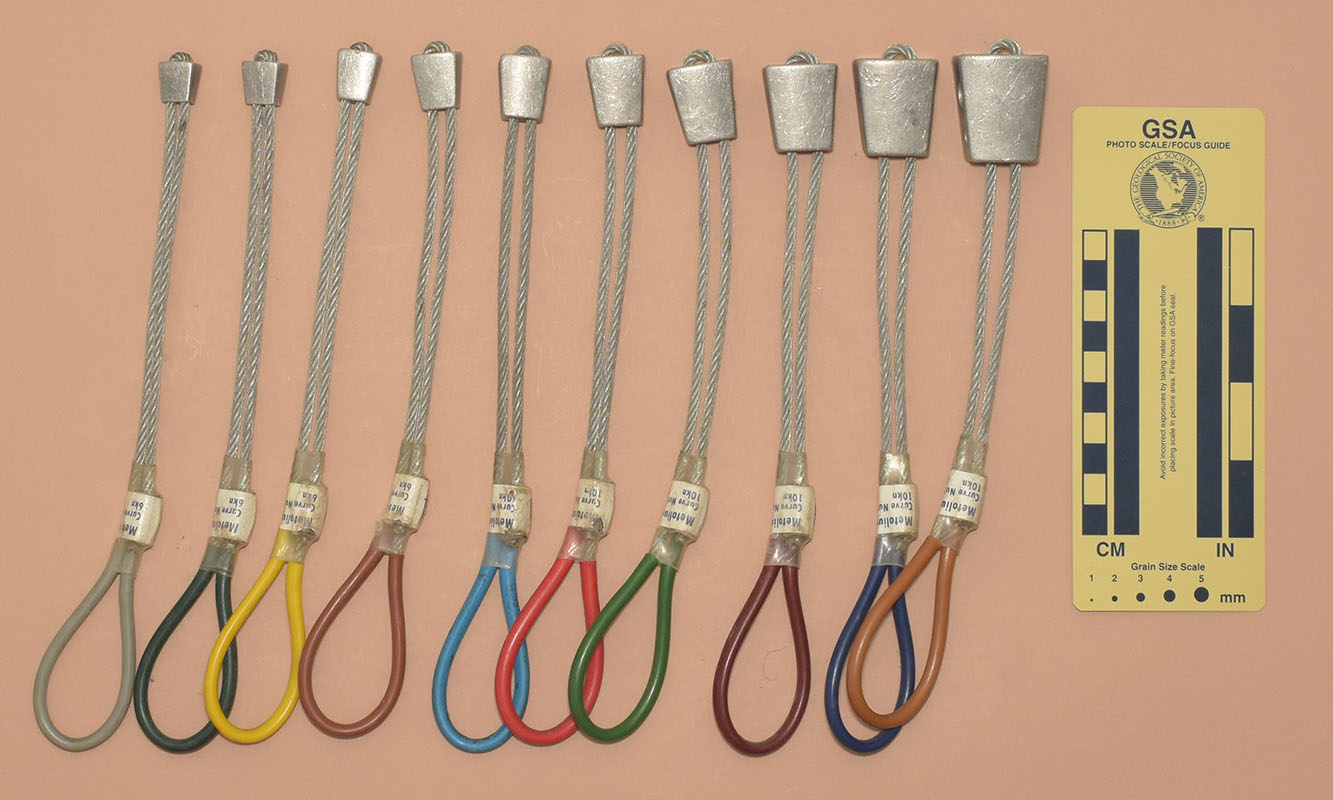
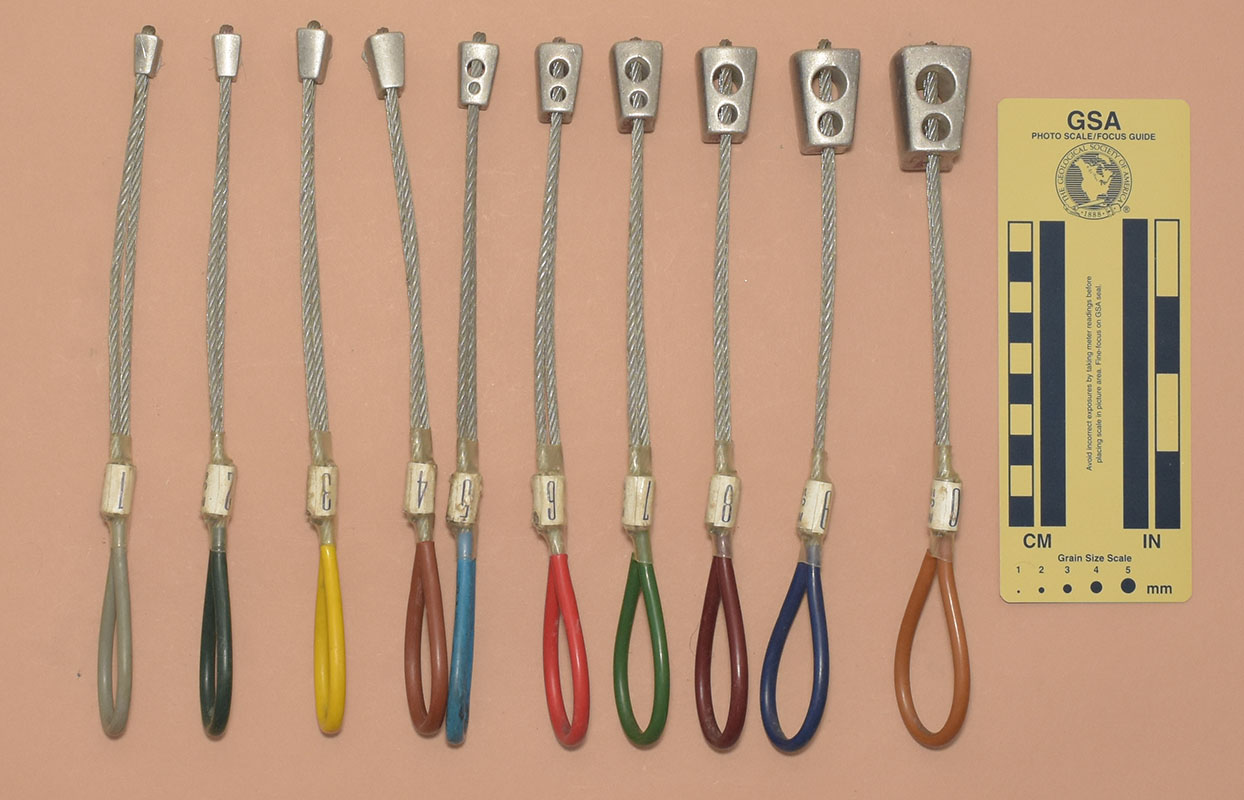
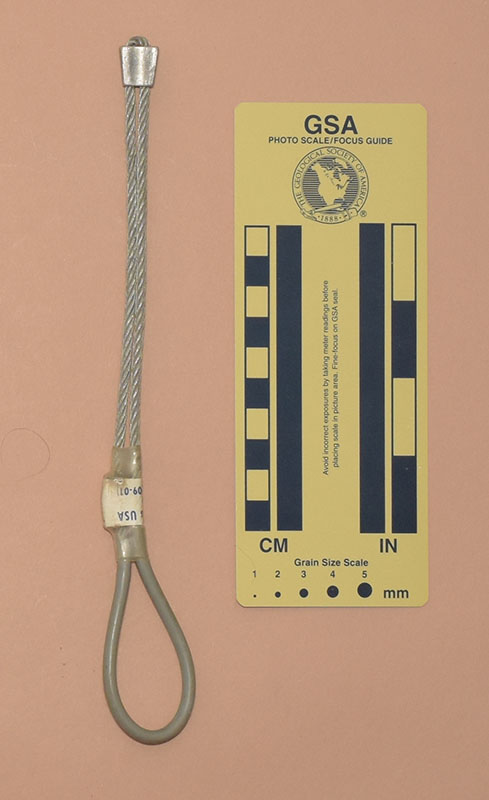
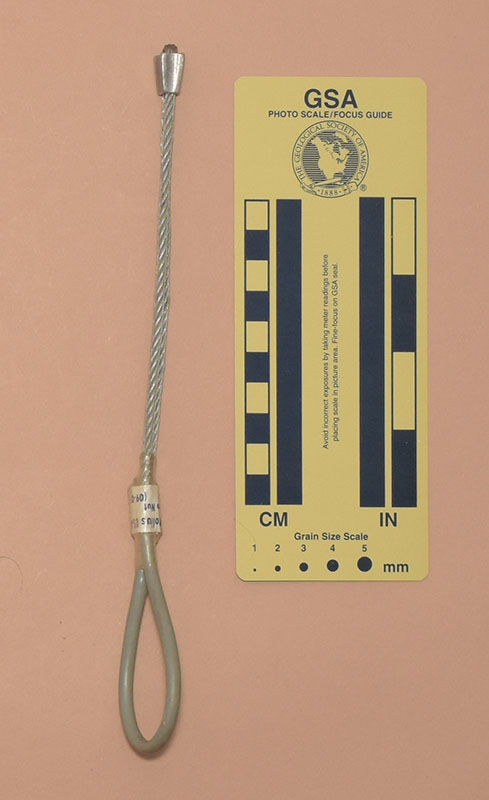
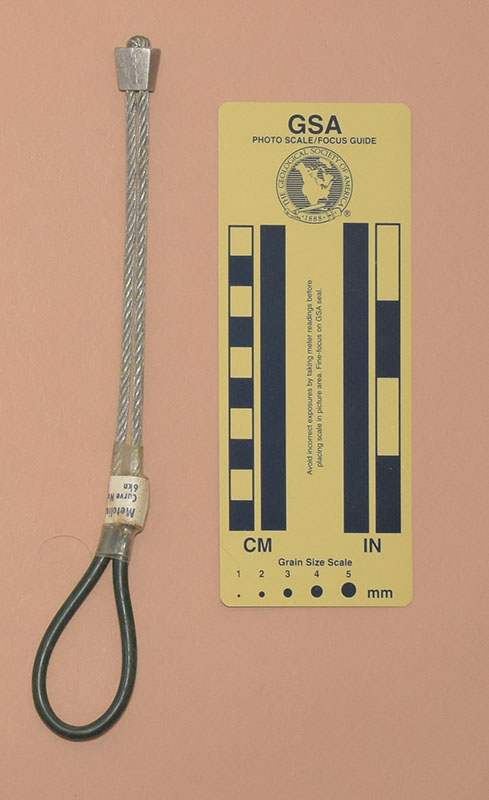
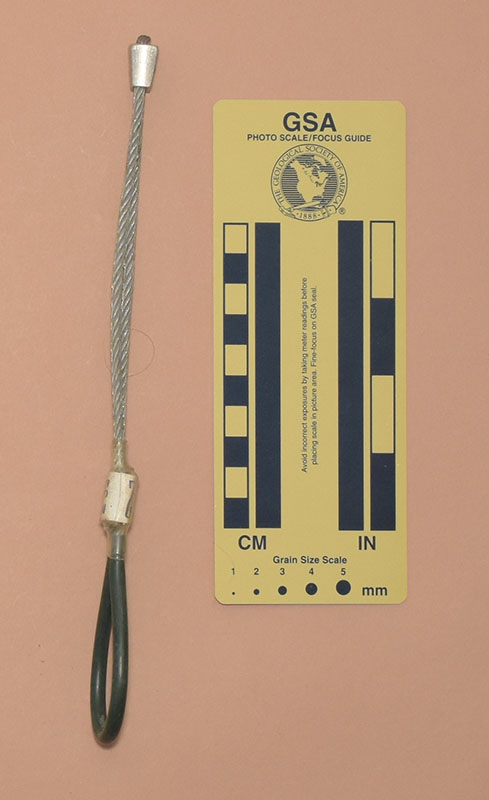
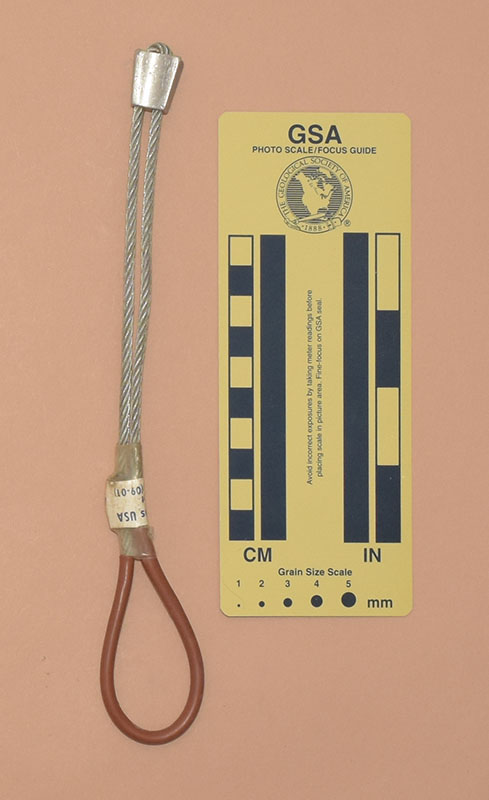
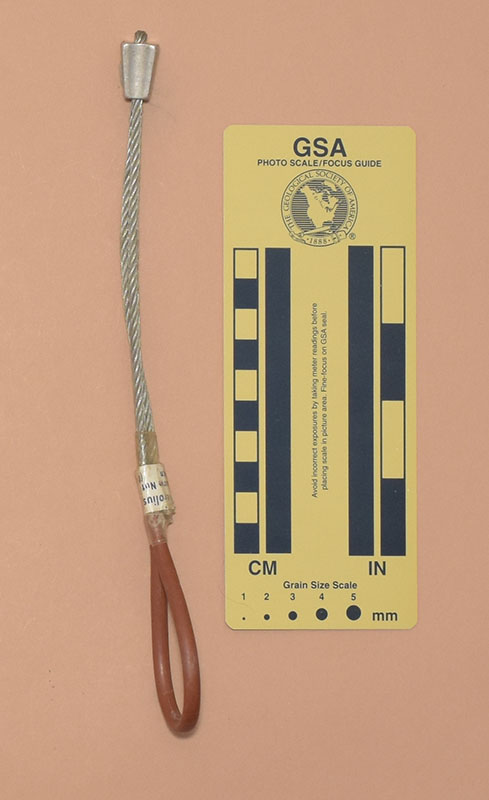
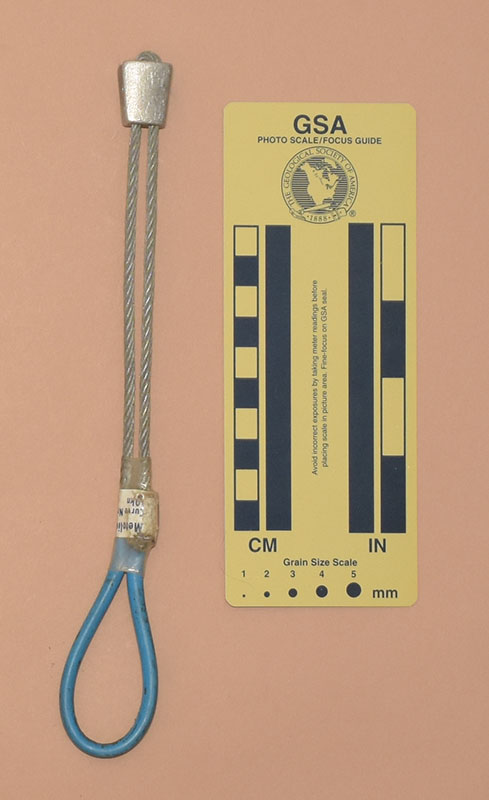
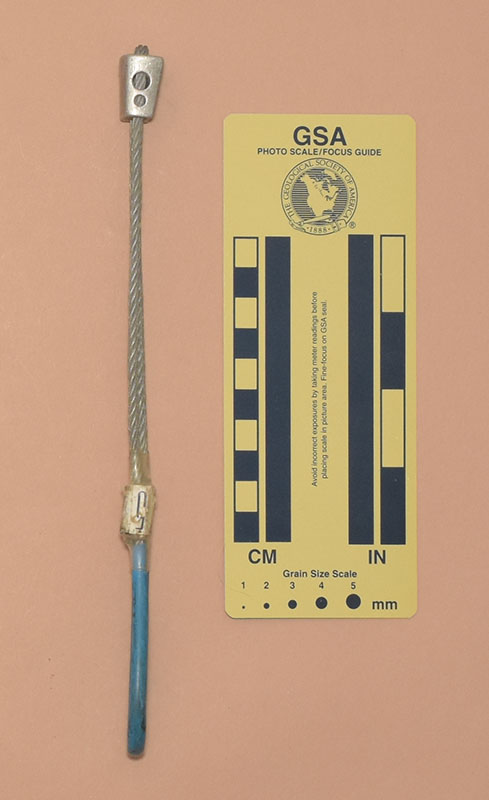
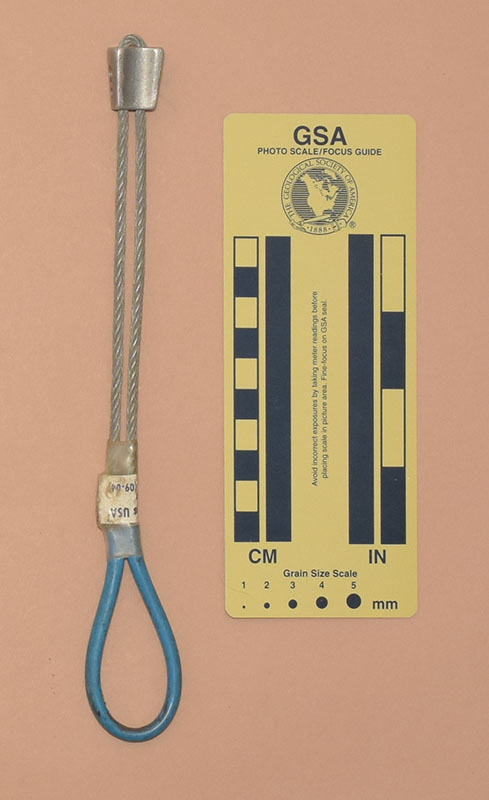
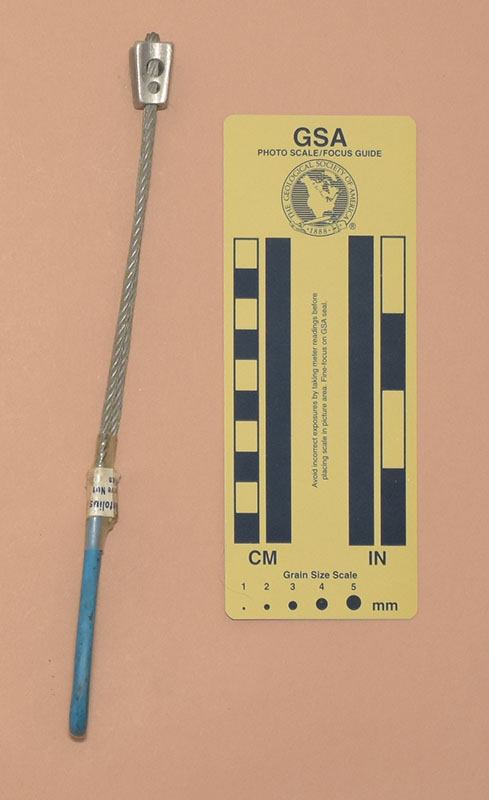
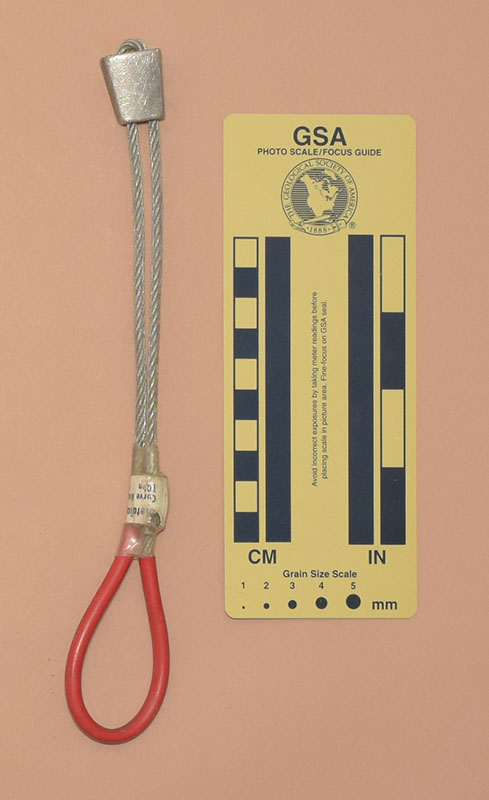
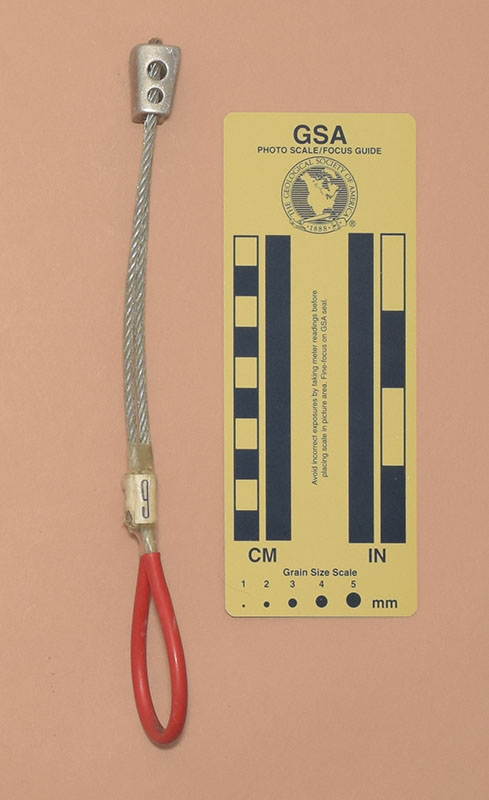
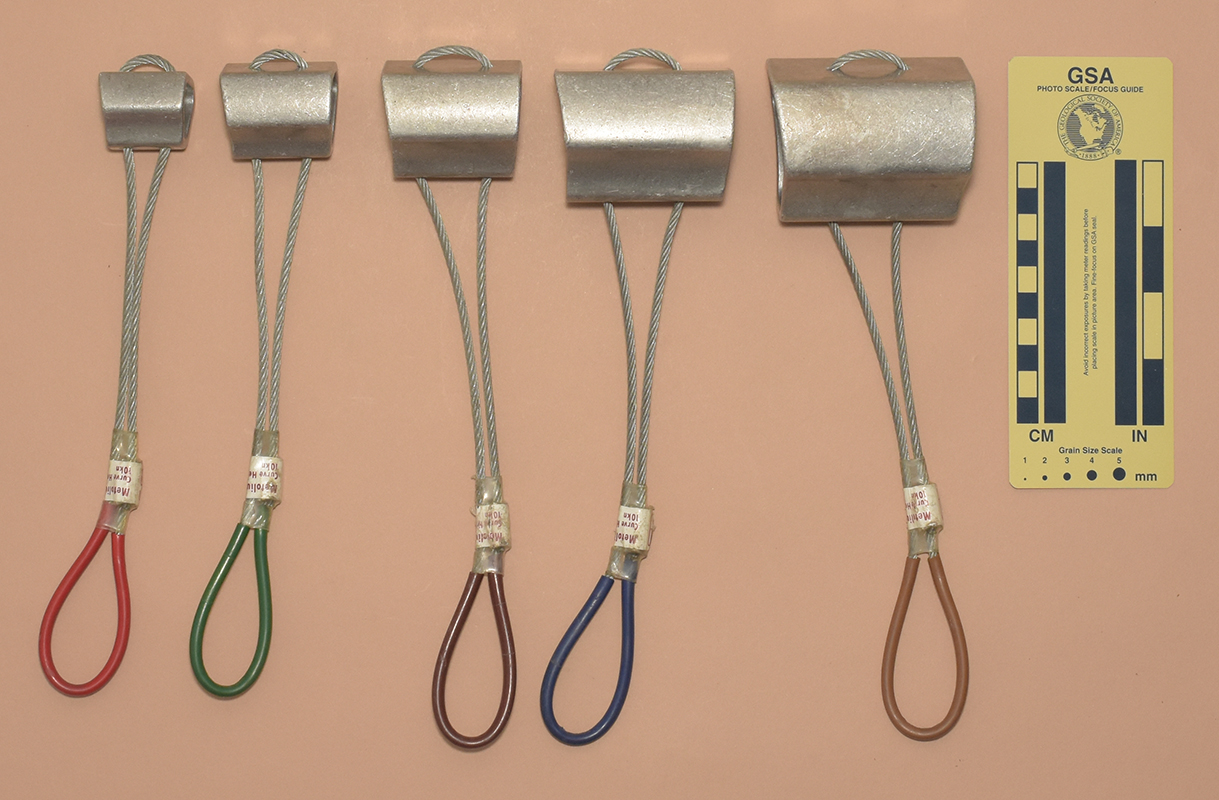
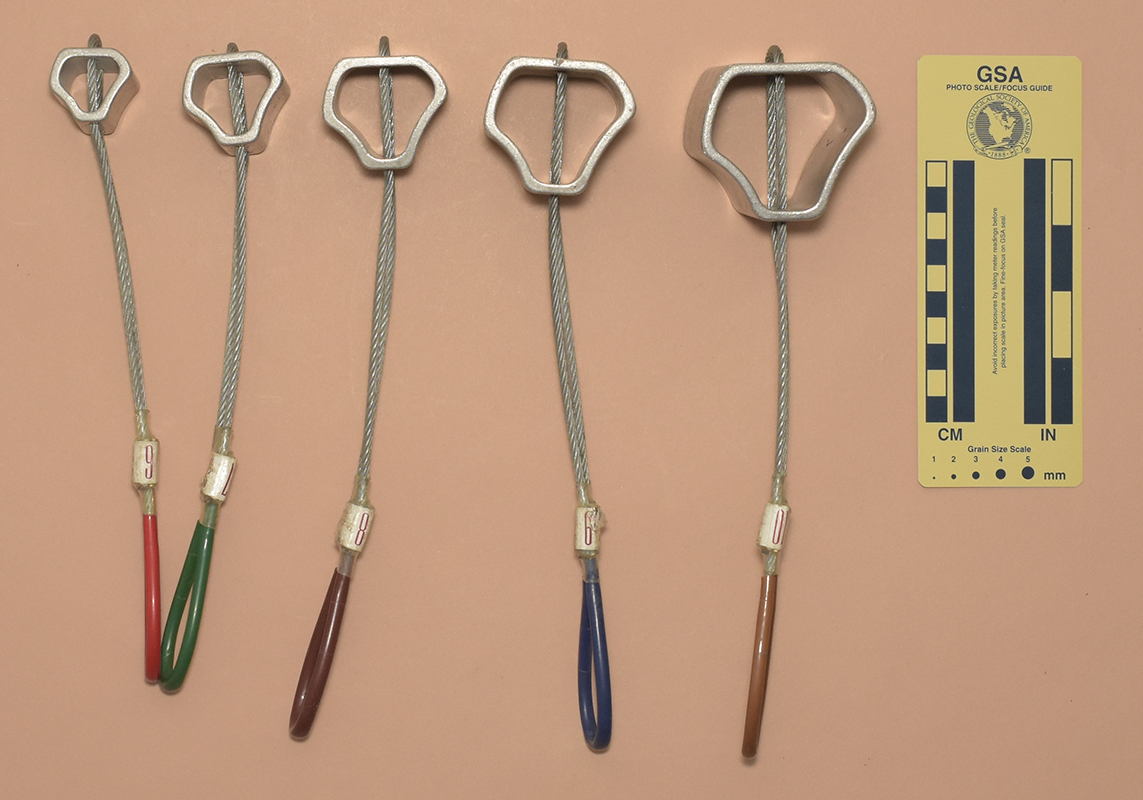
↑ Set 420-429: Metolius Curve Nuts; #1–#10
- Made in USA [2001].
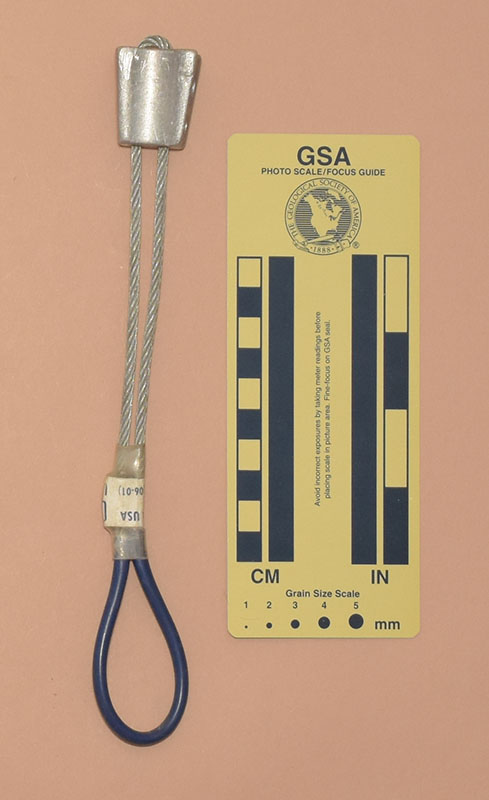
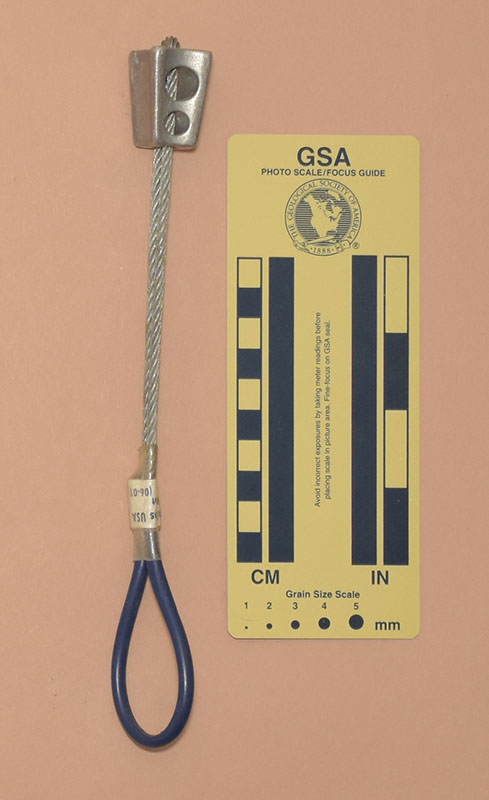
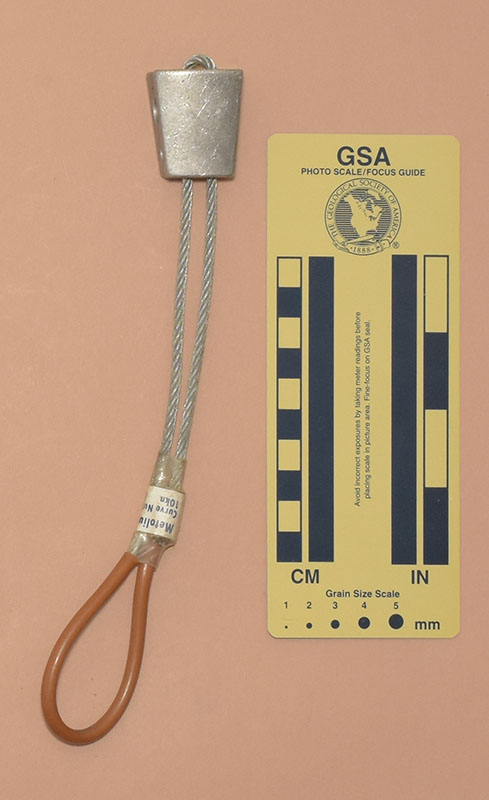
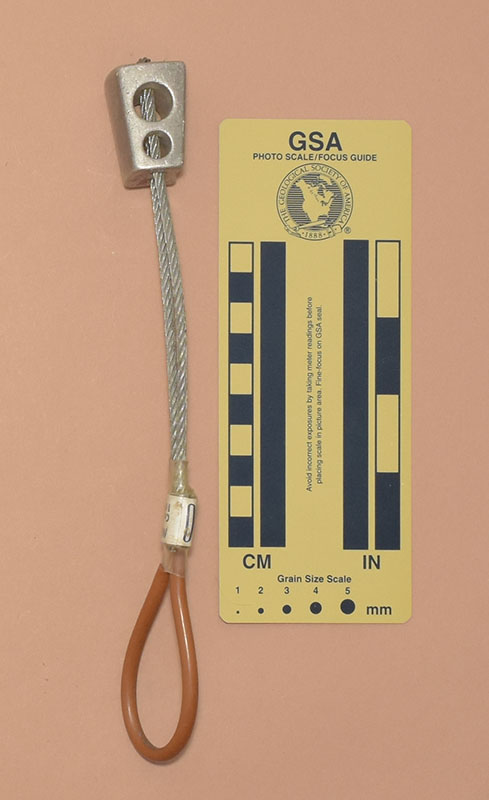
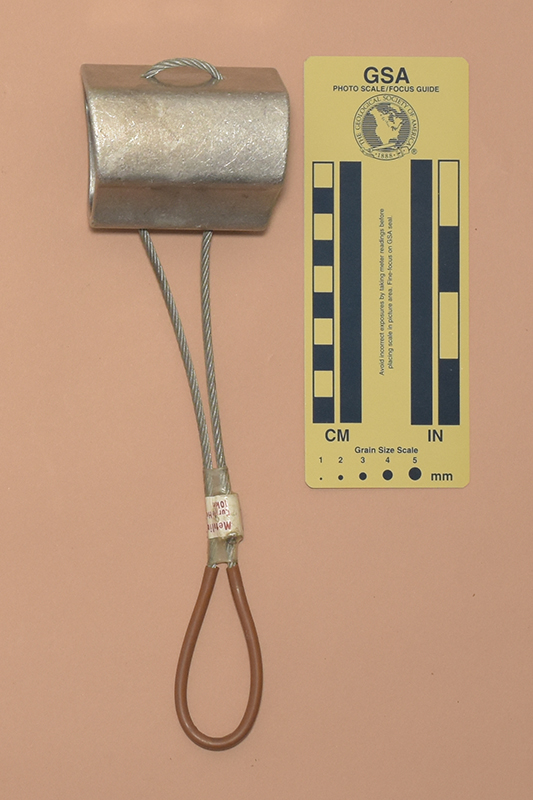
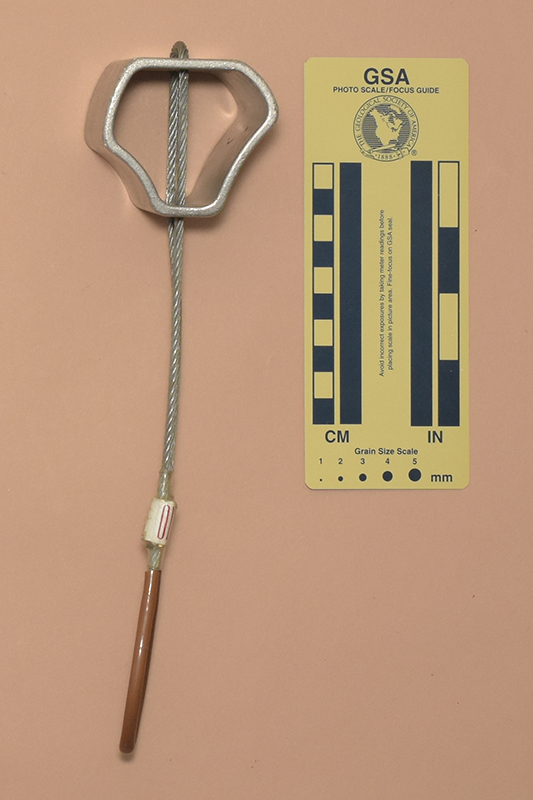
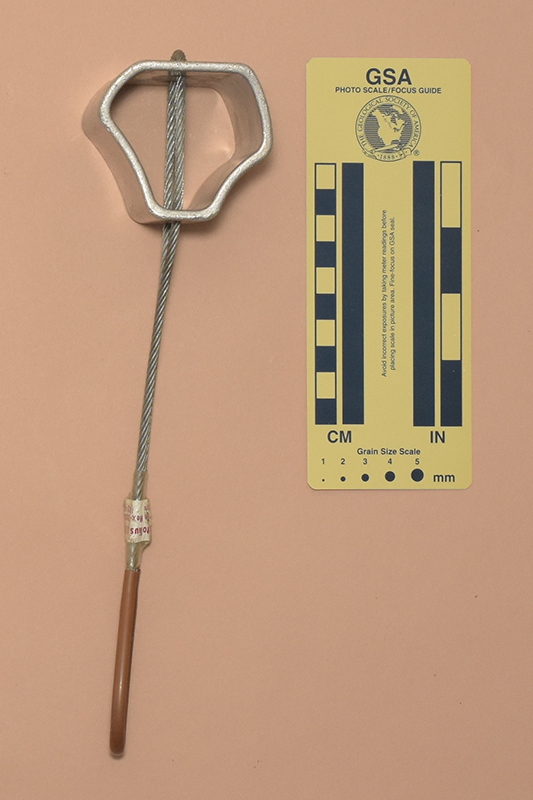
- Convex left and front, concave right and rear, with axes running vertically instead of the more common horizontal arrangement.
- Aluminum alloy.
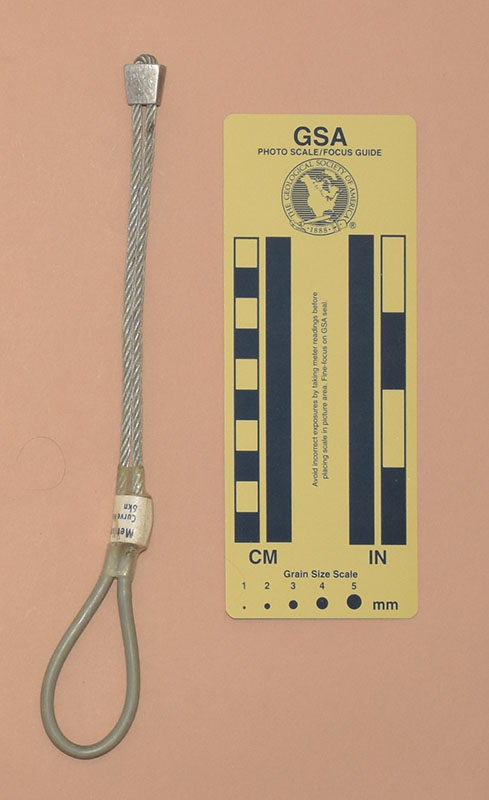
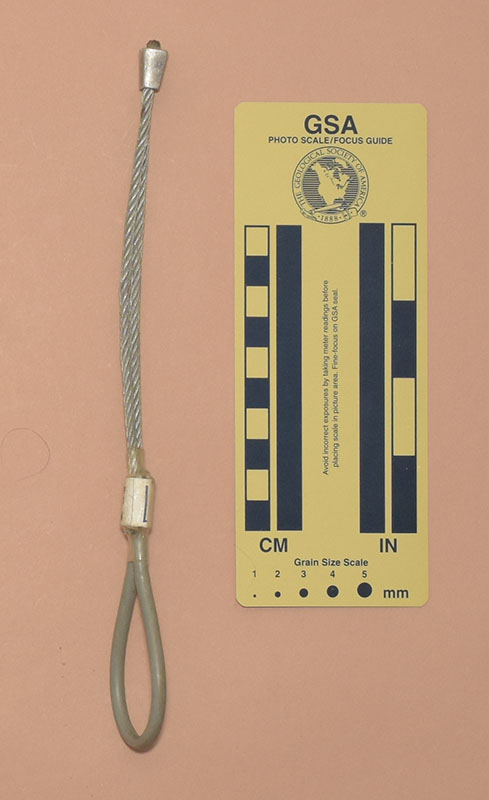
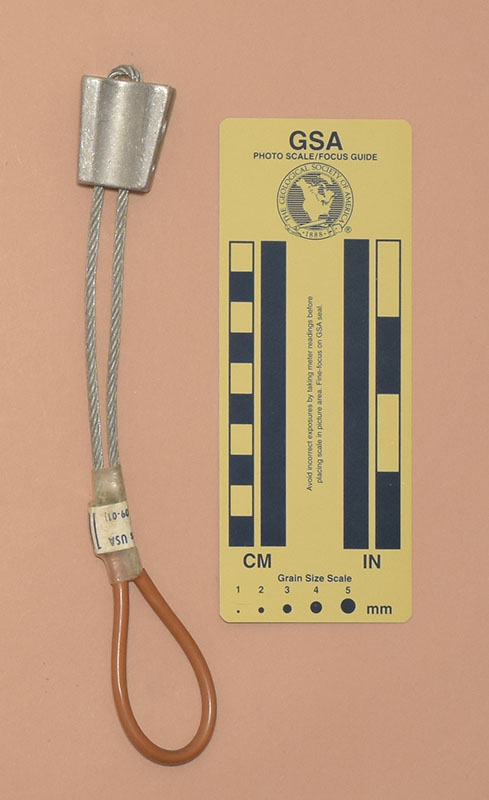
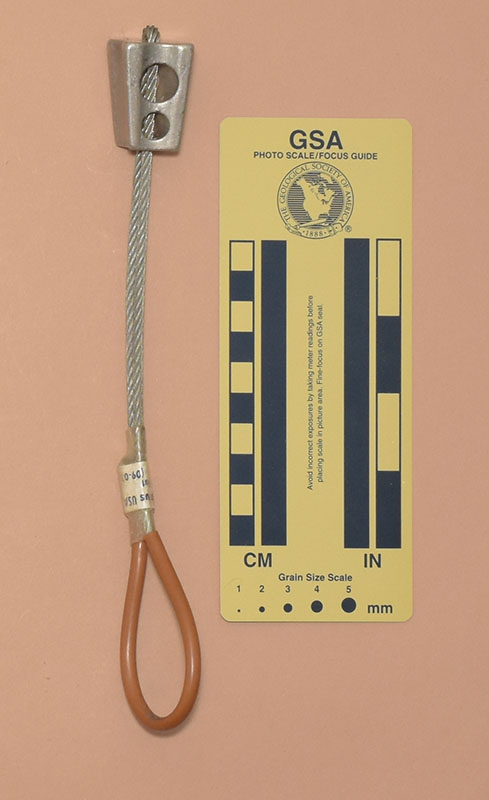
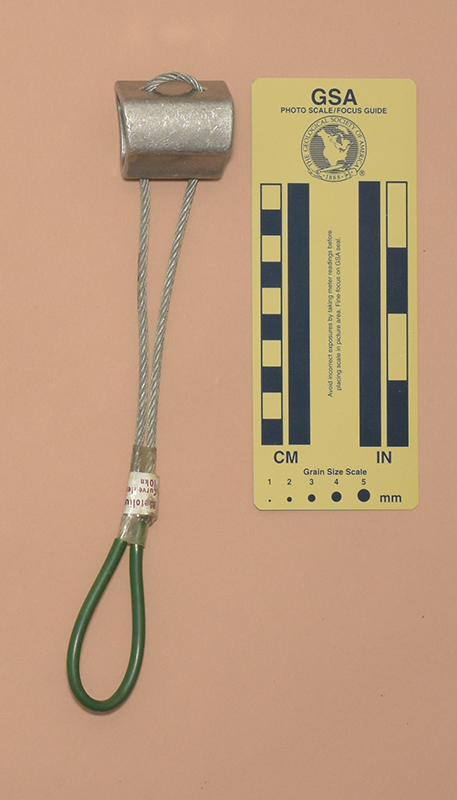
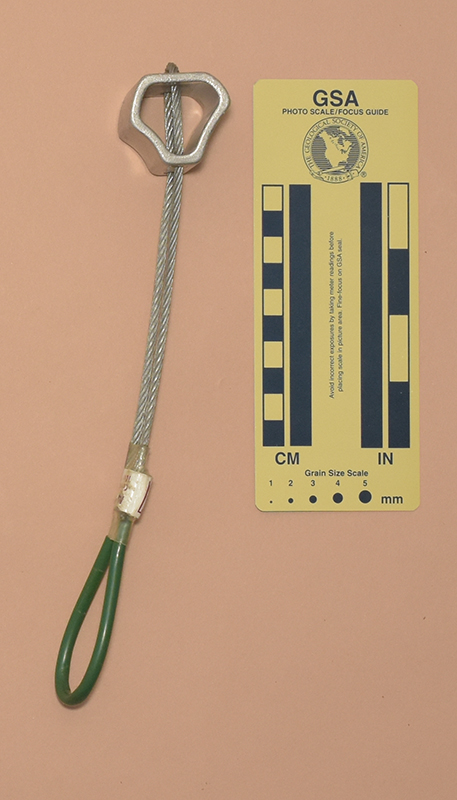
↑ 420: Metolius Curve Nut; #1
- Made in USA [2001].
- Size: 8x12 mm.
- Weight: 32 g.
- Convex left and front, concave right and rear, with axes running vertically instead of the more common horizontal arrangement.
- Aluminum alloy.
- No markings on the nut.
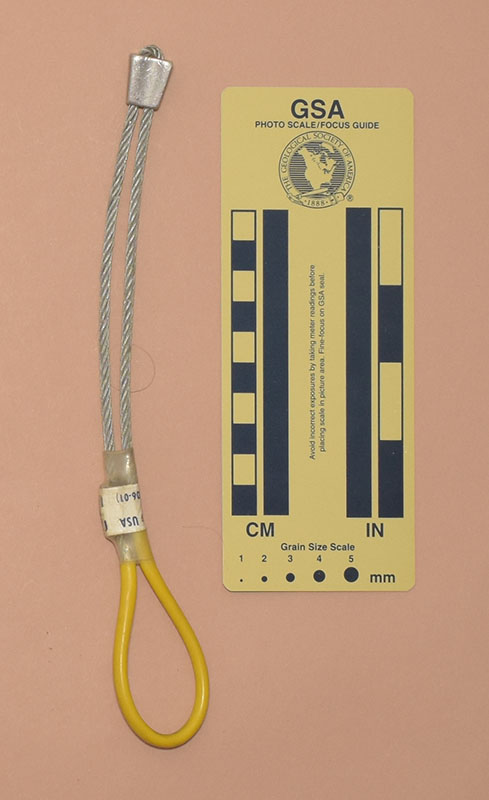
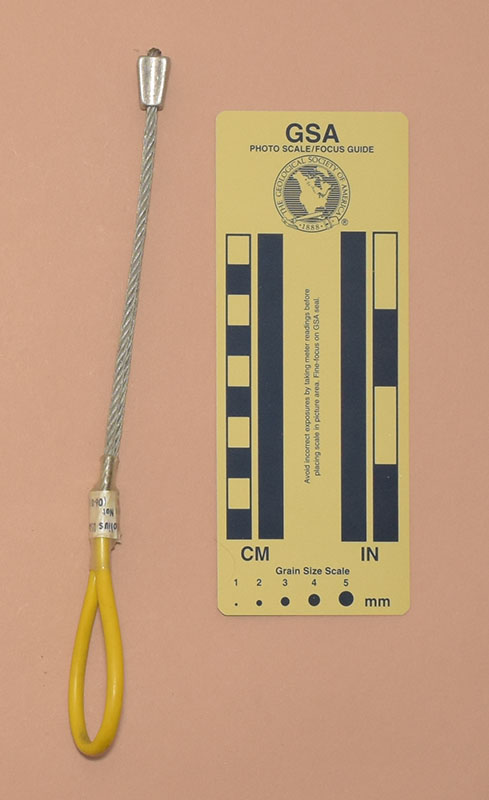
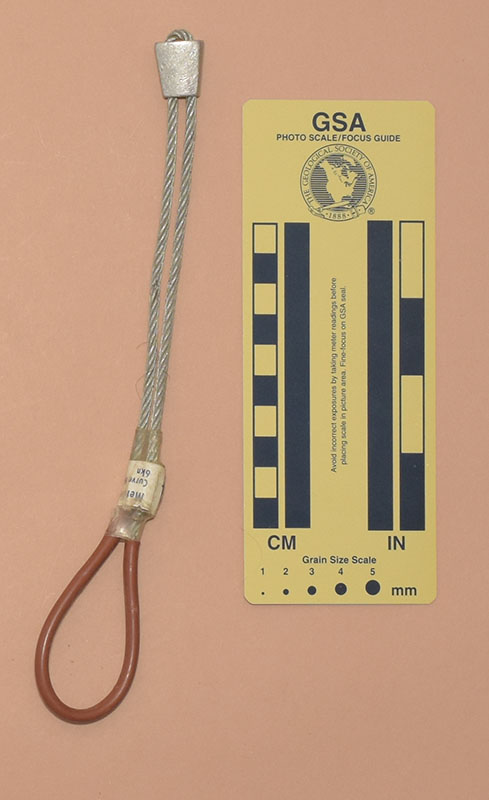
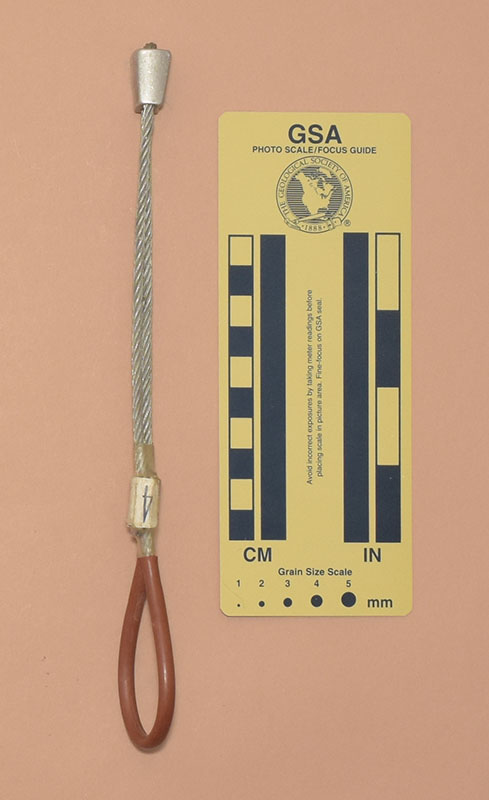
Crimp tag is printed with "Metolius USA," "Curve Nut," 6 kN," "(09–01)," and "1.".
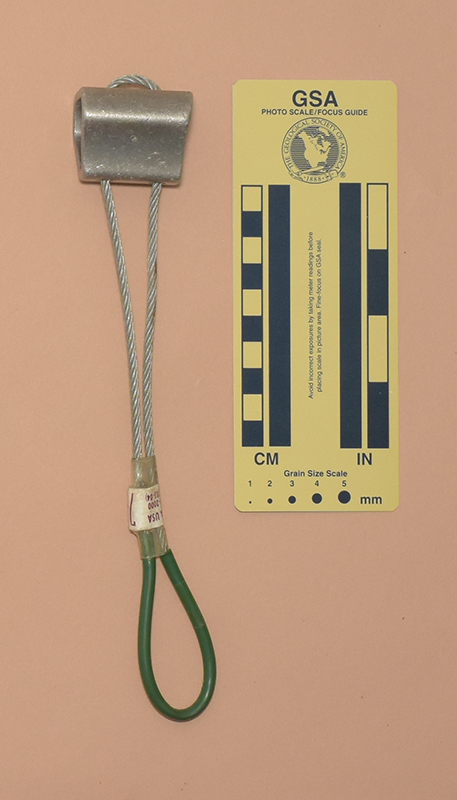
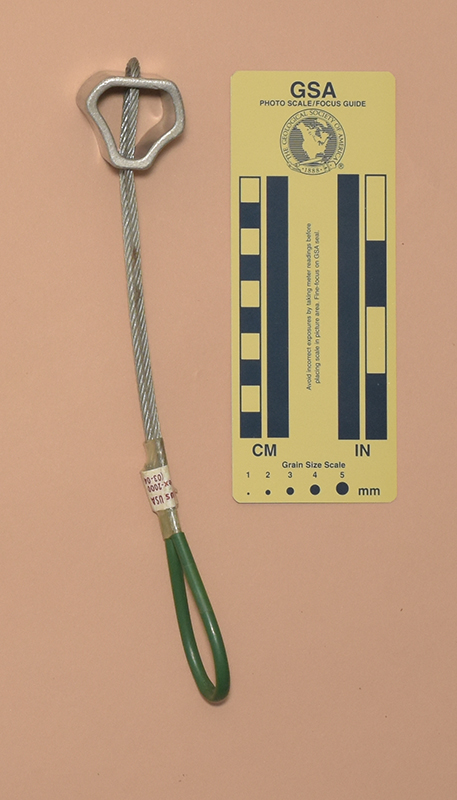
↑ 421: Metolius Curve Nut; #2
- Made in USA [2001].
- Size: 9x13 mm.
- Weight: 33 g.
- Convex left and front, concave right and rear, with axes running vertically instead of the more common horizontal arrangement.
- Aluminum alloy.
- No markings on the nut.
Crimp tag is printed with "Metolius USA," "Curve Nut," 6 kN," "(06–01)," and "2.".
↑ 422: Metolius Curve Nut; #3
- Made in USA [2001].
- Size: 10x14 mm.
- Weight: 34 g.
- Convex left and front, concave right and rear, with axes running vertically instead of the more common horizontal arrangement.
- Aluminum alloy.
- No markings on the nut.
Crimp tag is printed with "Metolius USA," "Curve Nut," 6 kN," "(06–01)," and "3.".
↑ 423: Metolius Curve Nut; #4
- Made in USA [2001].
- Size: 12x15 mm.
- Weight: 36 g.
- Convex left and front, concave right and rear, with axes running vertically instead of the more common horizontal arrangement.
- Aluminum alloy.
- No markings on the nut.
Crimp tag is printed with "Metolius USA," "Curve Nut," 6 kN," "(09–01)," and "4.".
↑ 424: Metolius Curve Nut; #5
- Made in USA [2001].
- Size: 13x17 mm.
- Weight: 38 g.
- Convex left and front, concave right and rear, with axes running vertically instead of the more common horizontal arrangement.
- Aluminum alloy.
- No markings on the nut.
Crimp tag is printed with "Metolius USA," "Curve Nut," 10 kN," "(09–01)," and "5.".
↑ 425: Metolius Curve Nut; #6
- Made in USA [2001].
- Size: 15x19 mm.
- Weight: 40 g.
- Convex left and front, concave right and rear, with axes running vertically instead of the more common horizontal arrangement.
- Aluminum alloy.
- No markings on the nut.
Crimp tag is printed with "Metolius USA," "Curve Nut," 10 kN," "(06–01)," and "6.".
↑ 426: Metolius Curve Nut; #7
- Made in USA [2001].
- Size: 17x21 mm.
- Weight: 43 g.
- Convex left and front, concave right and rear, with axes running vertically instead of the more common horizontal arrangement.
- Aluminum alloy.
- No markings on the nut.
Crimp tag is printed with "Metolius USA," "Curve Nut," 10 kN," "(06–01)," and "7.".
↑ 427: Metolius Curve Nut; #8
- Made in USA [2001].
- Size: 19x24 mm.
- Weight: 48 g.
- Convex left and front, concave right and rear, with axes running vertically instead of the more common horizontal arrangement.
- Aluminum alloy.
- No markings on the nut.
Crimp tag is printed with "Metolius USA," "Curve Nut," 10 kN," "(09–01)," and "8.".
↑ 428: Metolius Curve Nut; #9
- Made in USA [2001].
- Size: 21x27 mm.
- Weight: 55 g.
- Convex left and front, concave right and rear, with axes running vertically instead of the more common horizontal arrangement.
- Aluminum alloy.
- No markings on the nut.
Crimp tag is printed with "Metolius USA," "Curve Nut," 10 kN," "(06–01)," and "9.".
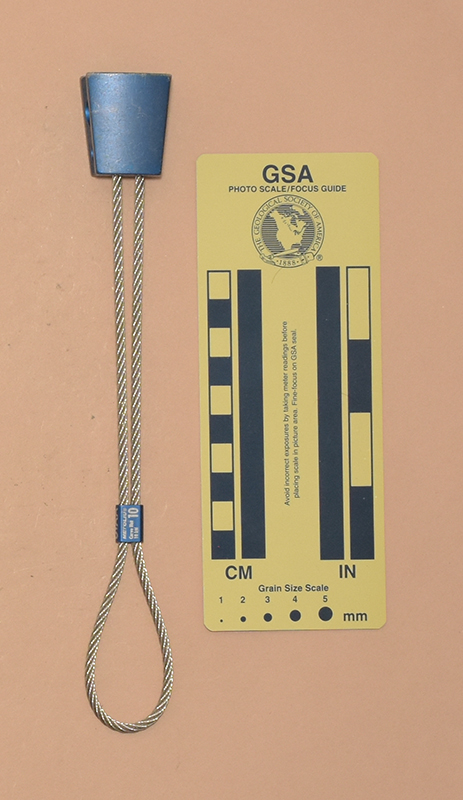
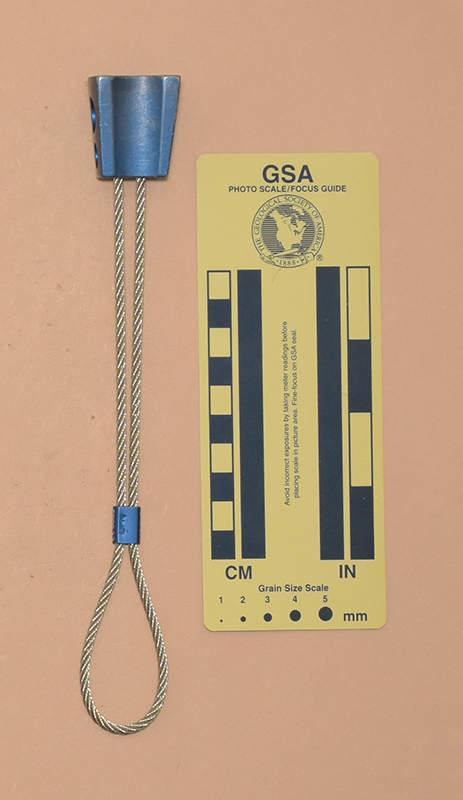
↑ 429: Metolius Curve Nut; #10
- Made in USA [2001–2004].
- Size: 24x30 mm.
- Weight: 64 g.
- Convex left and front, concave right and rear, with axes running vertically instead of the more common horizontal arrangement.
- Aluminum alloy.
- No markings on the nut.
Crimp tag is printed with "Metolius USA," "Curve Nut," 10 kN," "(09–01)," and "10.".
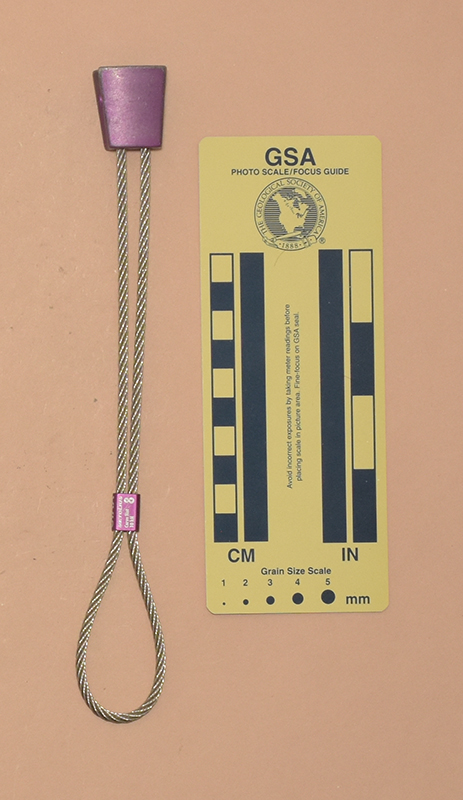
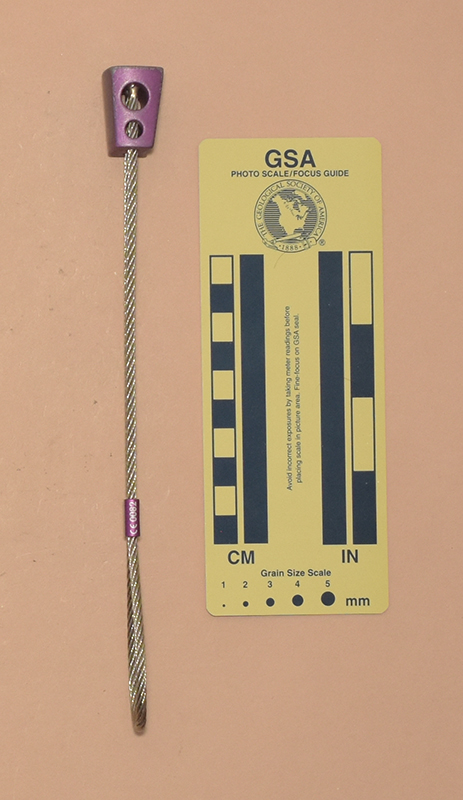
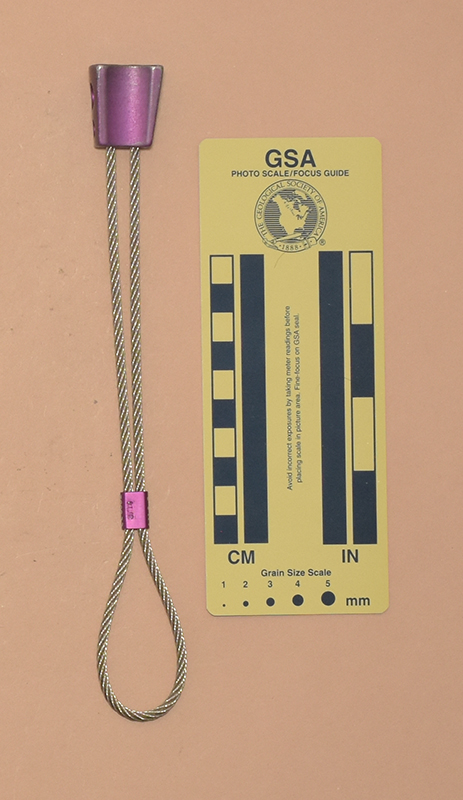
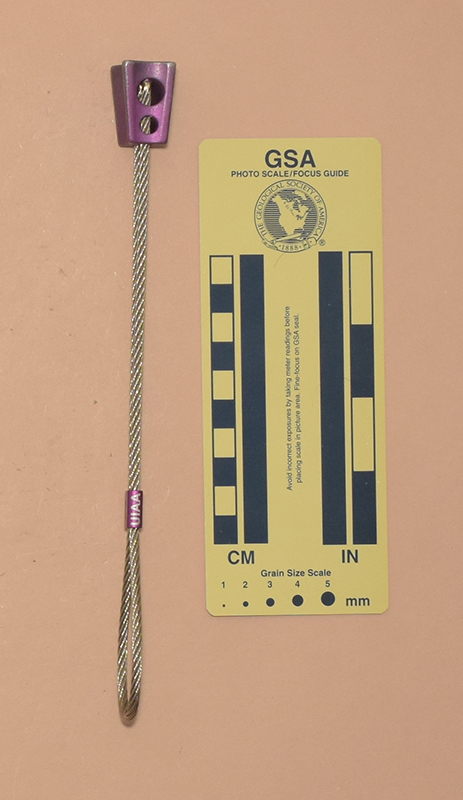
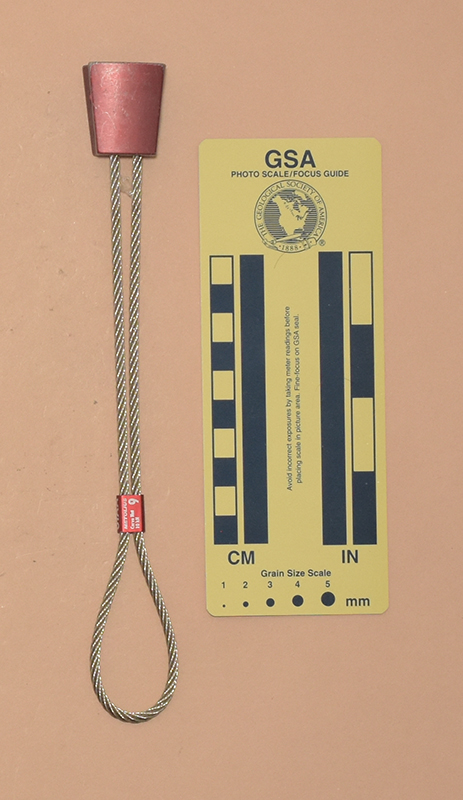
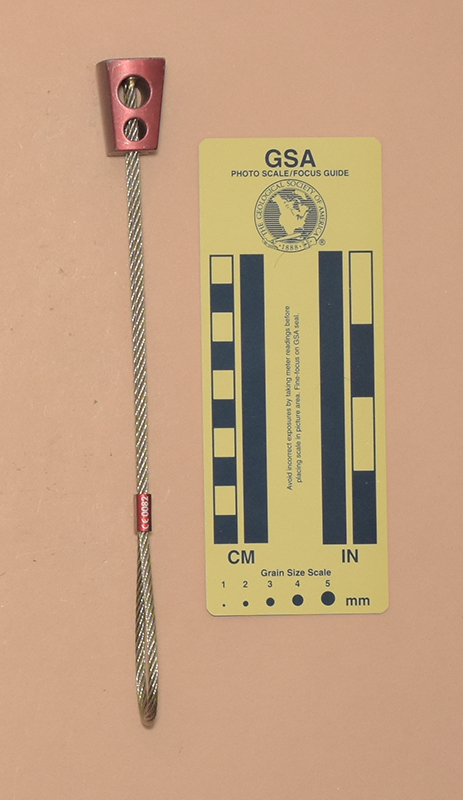
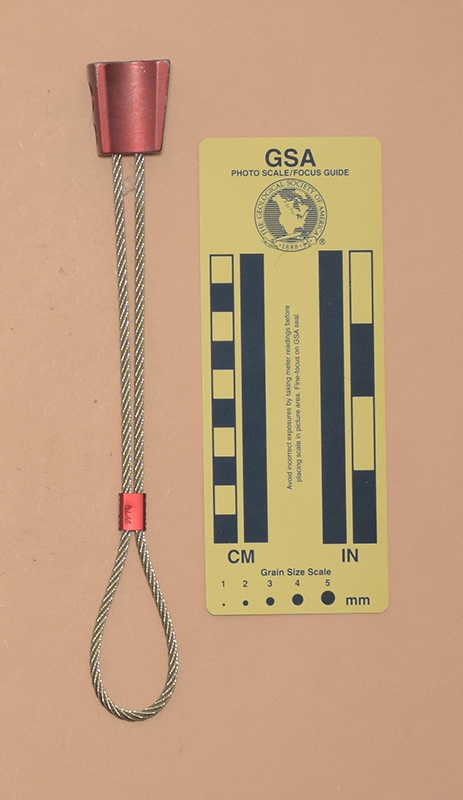
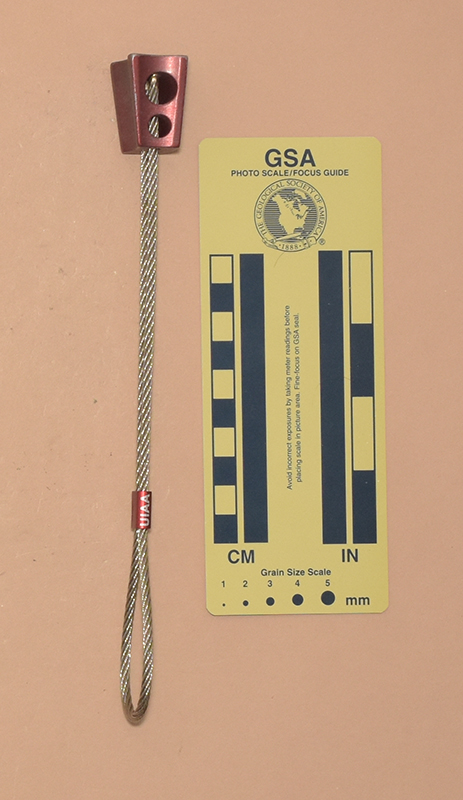
Color Anodized
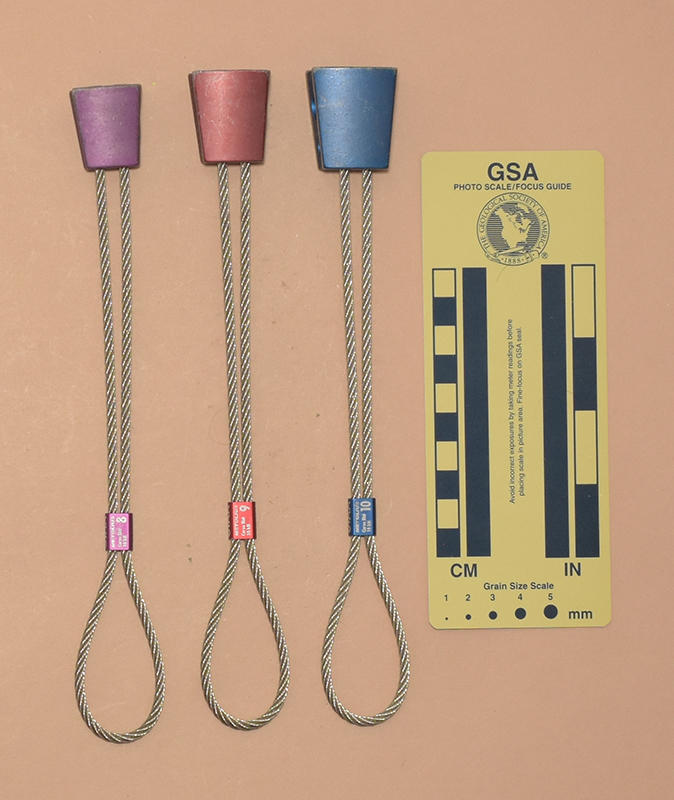
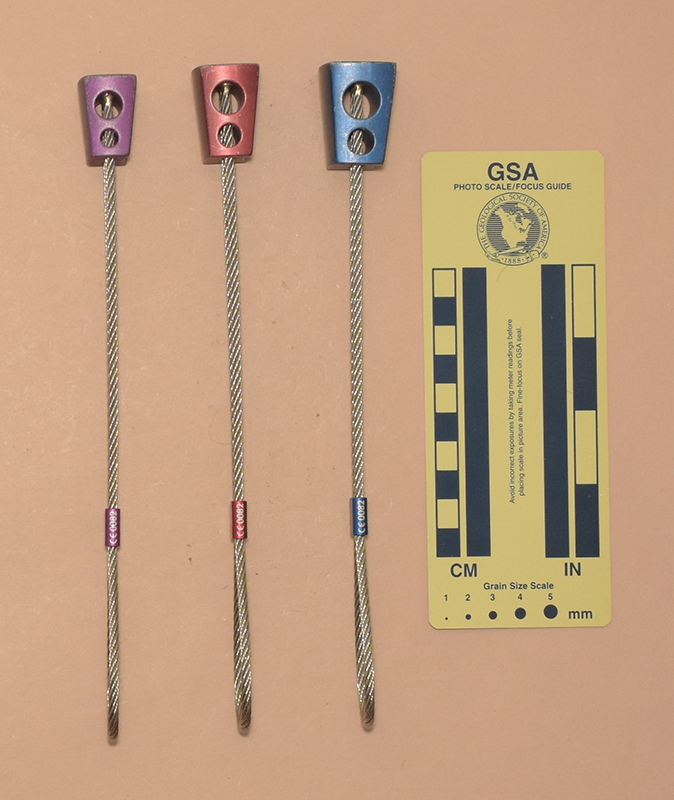
↑ Set 586-588: Metolius Curve Nuts; #8–#10
- Made in USA [2016].
- Convex left and front, concave right and rear, with axes running vertically instead of the more common horizontal arrangement.
- Anodized aluminum alloy.
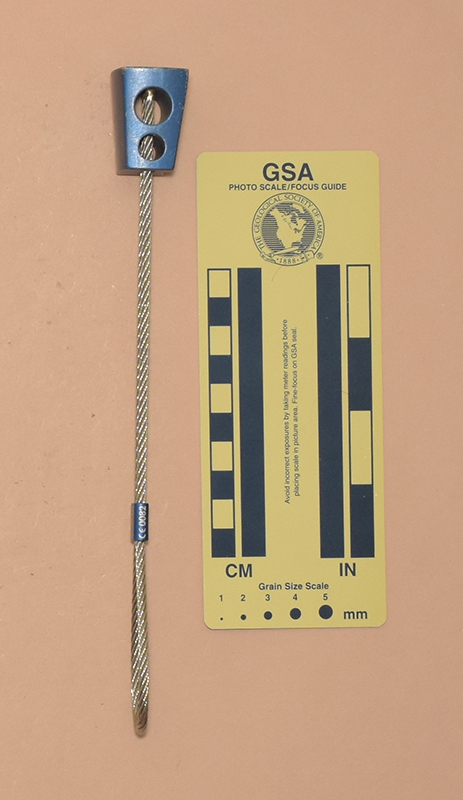
↑ 586: Metolius Curve Nut; #8
- Made in USA [2016].
- Size: 19x24 mm.
- Weight: 40 g.
- Convex left and front, concave right and rear, with axes running vertically instead of the more common horizontal arrangement.
- Anodized aluminum alloy.
- No markings on the nut.
Crimp is printed with "UIAA," "Metolius," "Curve Nut," 10 kN," "8," and "CE 0082.".
↑ 587: Metolius Curve Nut; #9
- Made in USA [2016].
- Size: 21x27 mm.
- Weight: 47 g.
- Convex left and front, concave right and rear, with axes running vertically instead of the more common horizontal arrangement.
- Anodized aluminum alloy.
- No markings on the nut.
Crimp is printed with "UIAA," "Metolius," "Curve Nut," 10 kN," "9," and "CE 0082.".
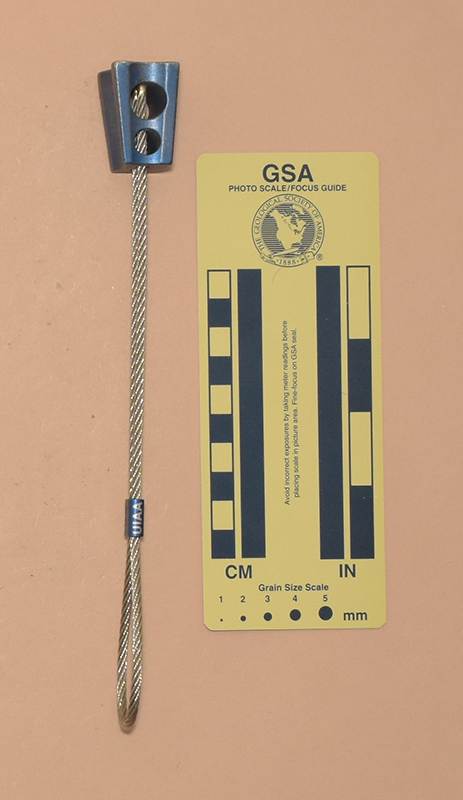
↑ 588: Metolius Curve Nut; #10
- Made in USA [2016].
- Size: 24x30 mm.
- Weight: 56 g.
- Convex left and front, concave right and rear, with axes running vertically instead of the more common horizontal arrangement.
- Anodized aluminum alloy.
- No markings on the nut.
Crimp is printed with "UIAA," "Metolius," "Curve Nut," 10 kN," "10," and "CE 0082.".
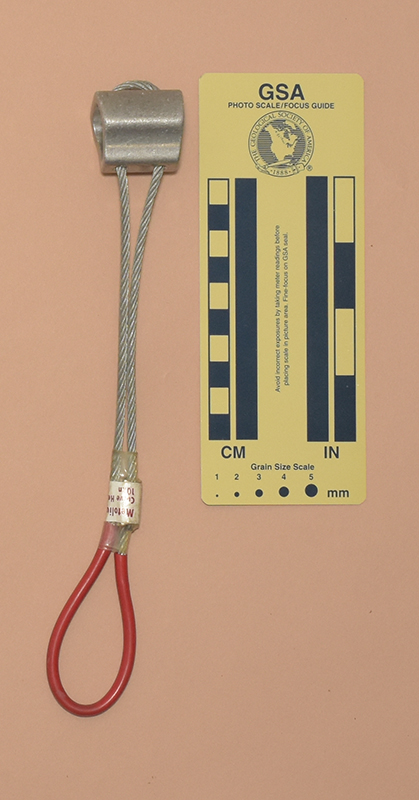
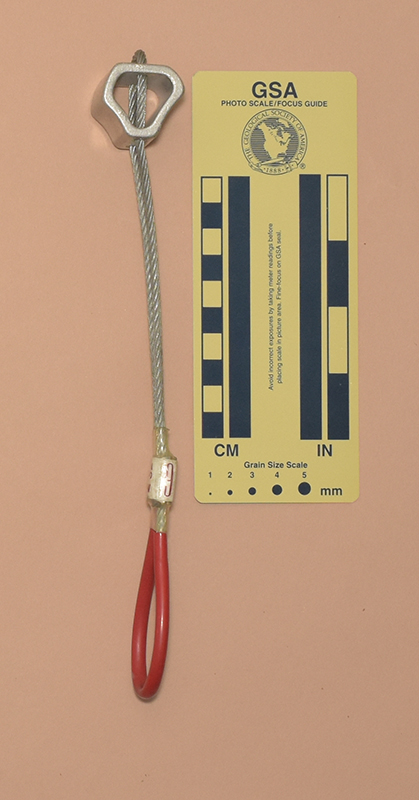
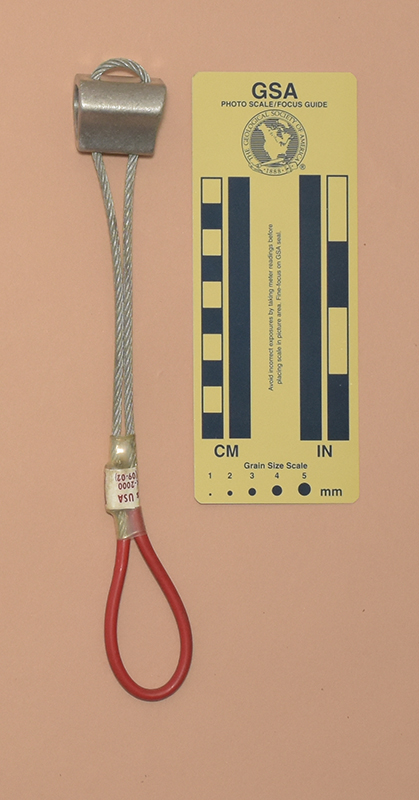
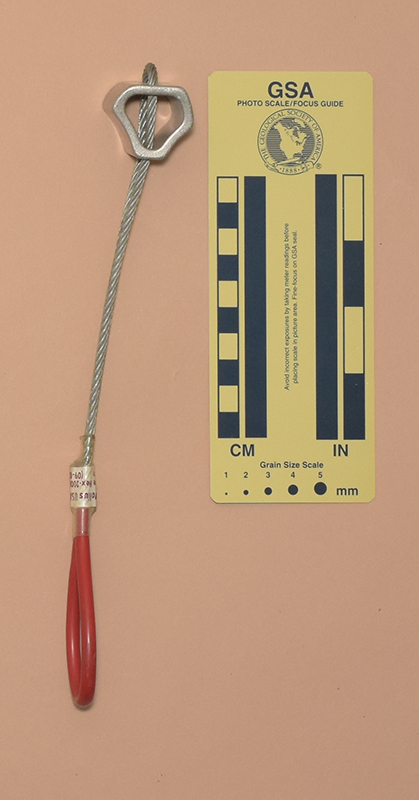
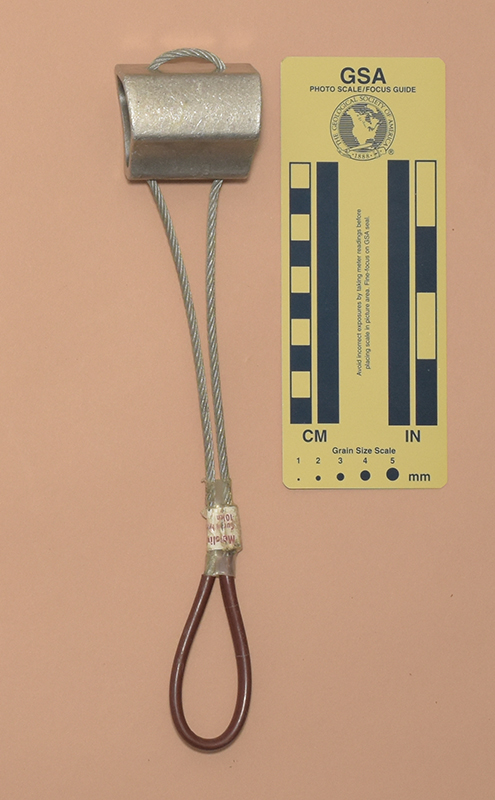
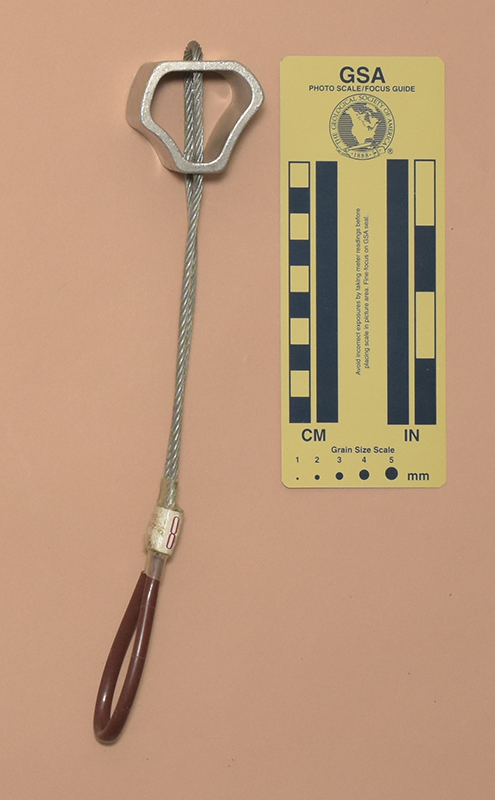
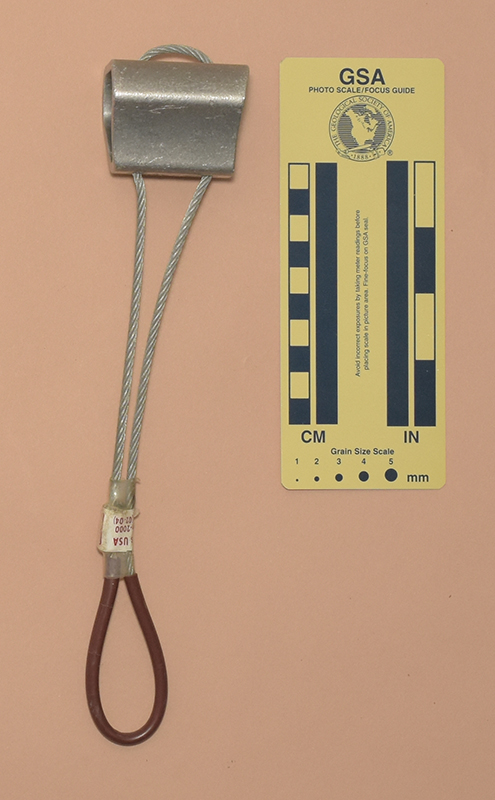
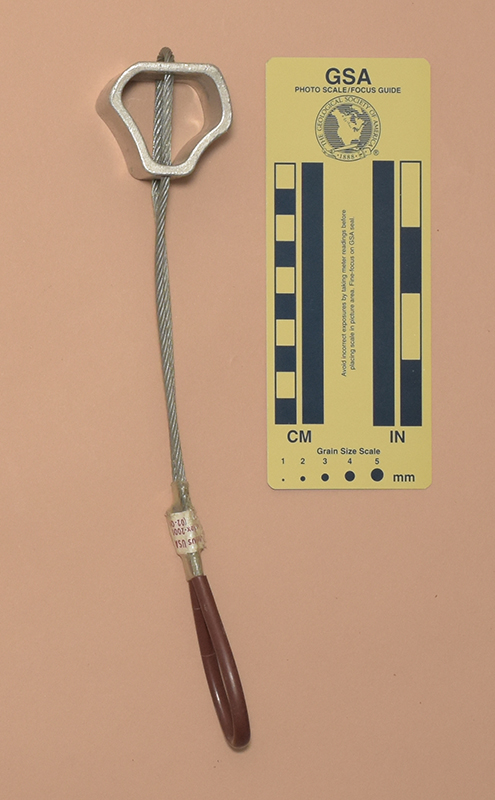
Wired Curved Hexes
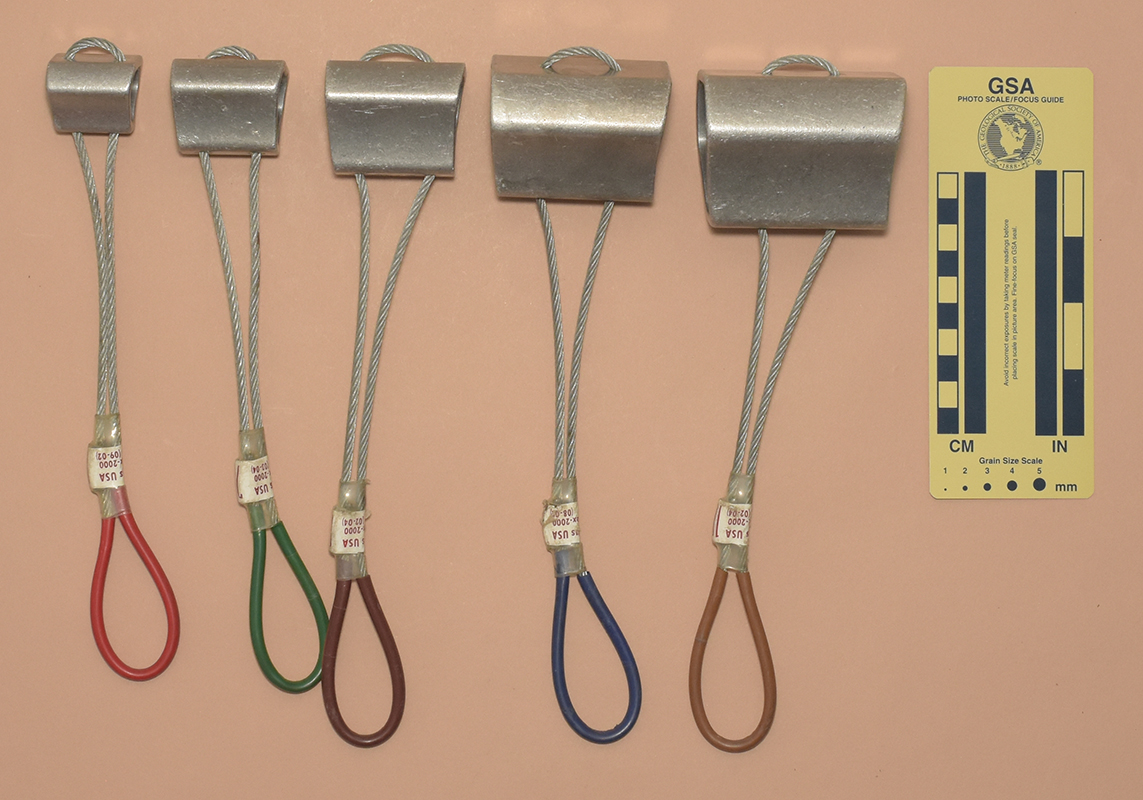
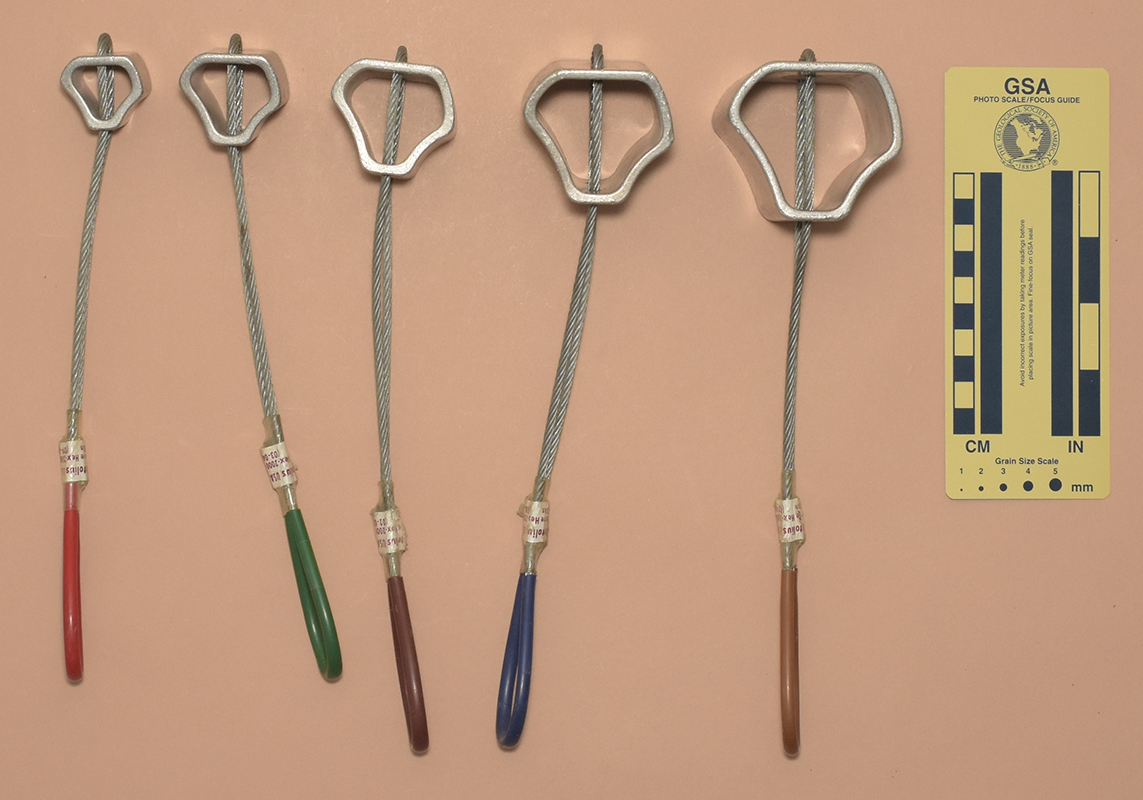
↑ Set 379-383: Metolius Wired Curved Hexes; #6–#16
- Made in USA [2002–2004].
- Aluminum alloy.
↑ 379: Metolius Wired Curved Hex; #6
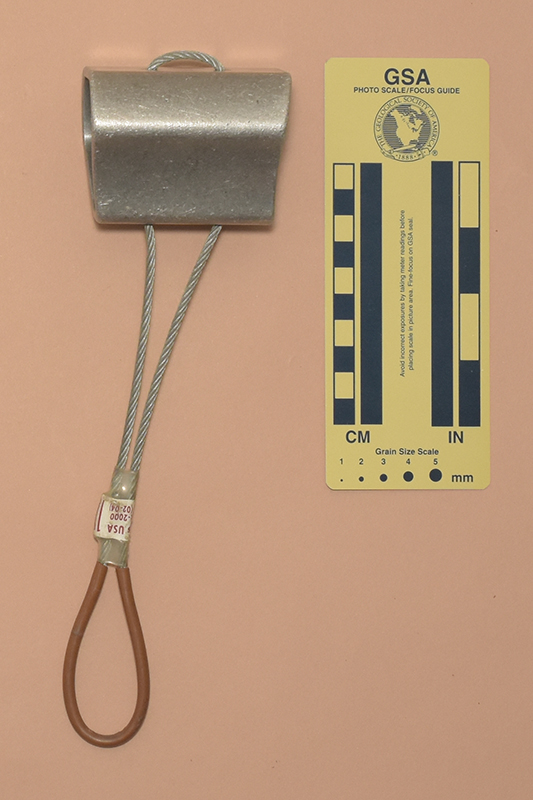
- Made in USA [2002].
- Size: 27x29x33 mm.
- Weight: 58 g.
- Aluminum alloy.
- No markings on the Hex
Crimp tag is printed with "Metolius USA," "Curve Hex–2000," 10 kN," "09–02)," and "6.".
↑ 380: Metolius Wired Curved Hex; #7
- Made in USA [2004].
- Size: 34x35x42 mm.
- Weight: 74 g.
- Aluminum alloy.
- No markings on the Hex
Crimp tag is printed with "Metolius USA," "Curve Hex–2000," 10 kN," "03–04)," and 7.".
↑ 381: Metolius Wired Curved Hex; #8
- Made in USA [2004].
- Size: 41x43x51 mm.
- Weight: 99 g.
- Aluminum alloy.
- No markings on the Hex
Crimp tag is printed with "Metolius USA," "Curve Hex–2000," 10 kN," "02–04)," and "8.".
↑ 382: Metolius Wired Curved Hex; #9
- Made in USA [2002].
- Size: 49x51x66 mm.
- Weight: 133 g.
- Aluminum alloy.
- No markings on the Hex
Crimp tag is printed with "Metolius USA," "Curve Hex–2000," 10 kN," "08–02)," and "9.".
↑ 383: Metolius Wired Curved Hex; #10
- Made in USA [2004].
- Size: 57x59x74 mm.
- Weight: 167 g.
- Aluminum alloy.
- No markings on the Hex
Crimp tag is printed with "Metolius USA," "Curve Hex–2000," 10 kN," "02–04)," and "10.".
Slider Nuts
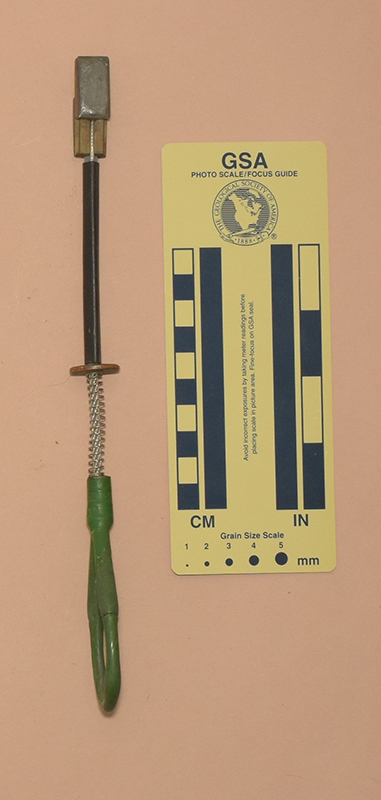
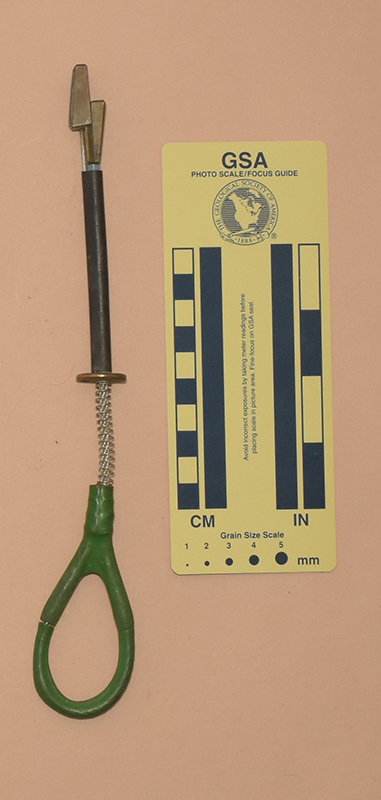
Doug Phillips deveoped the slider nut and applied for a patent in 1983, receiving U. S. Patent #4,572,464 in 1986. He founded Metolius Mountain Products to market these nuts, first advertizing them in 1986. Metolius offered five sizes ranging from #0 through #5.
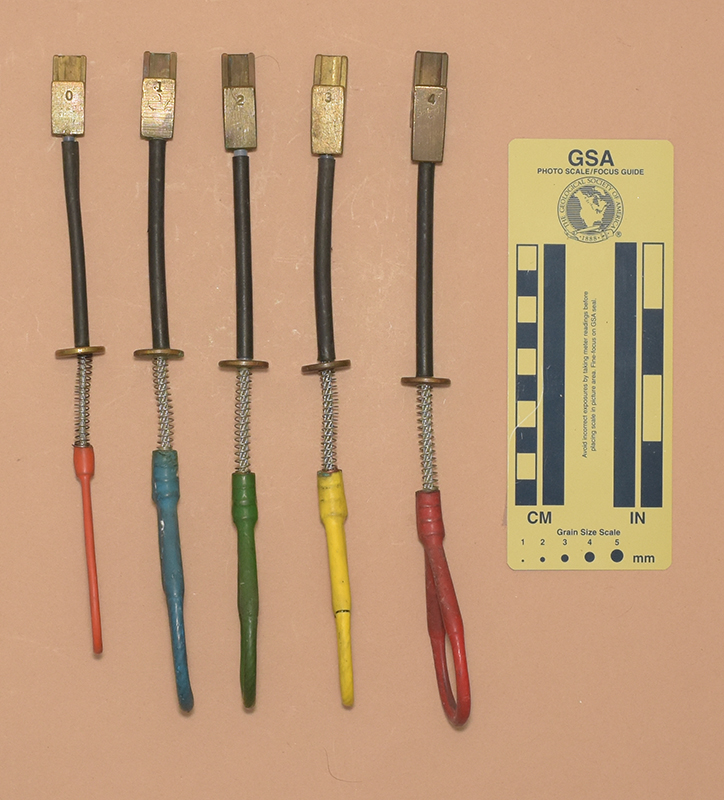
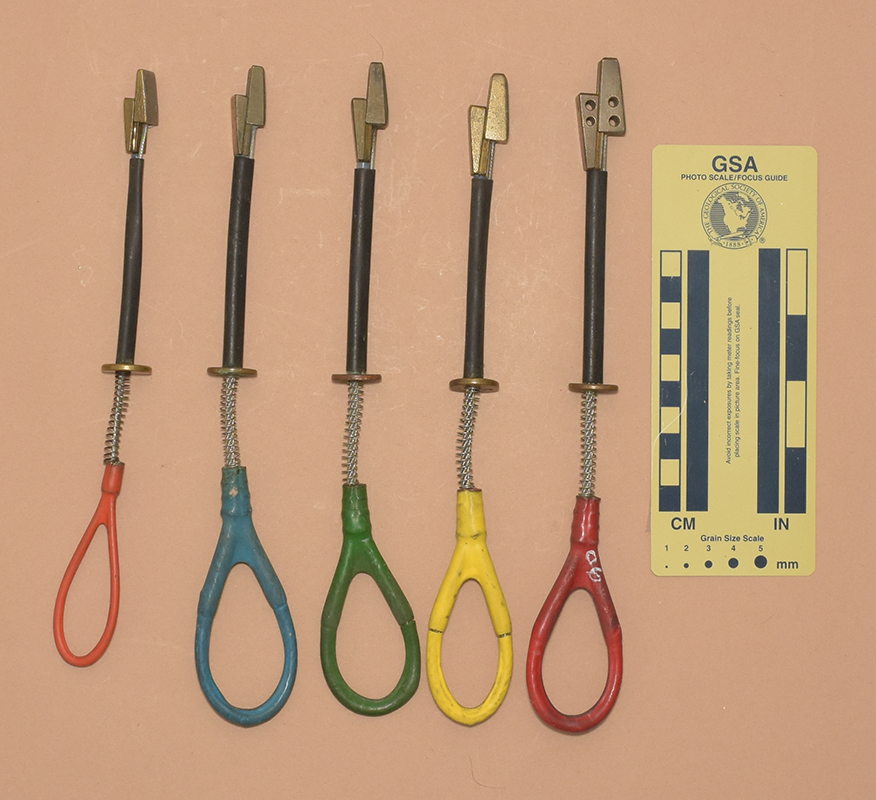
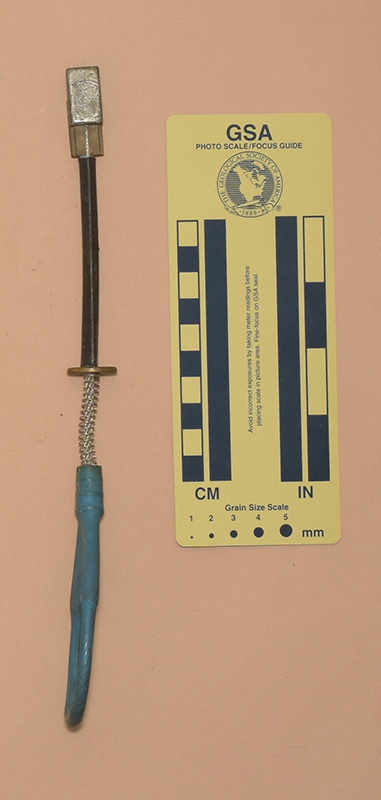
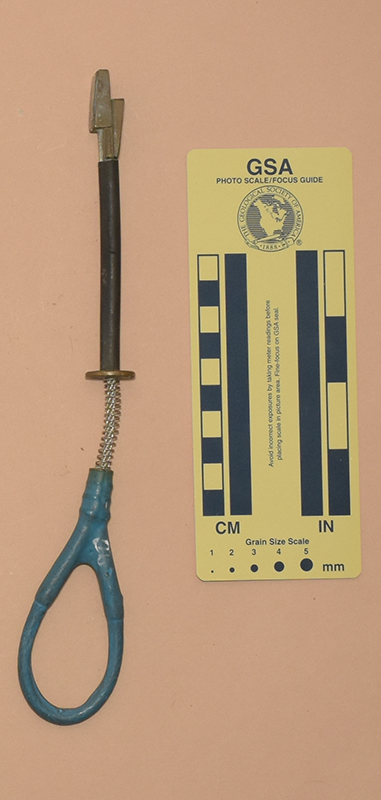
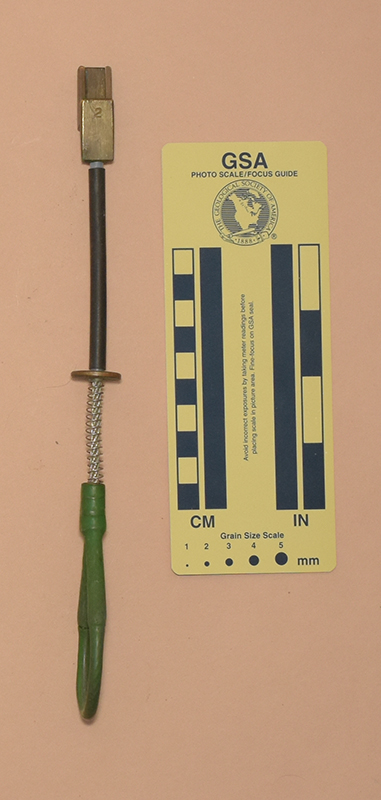
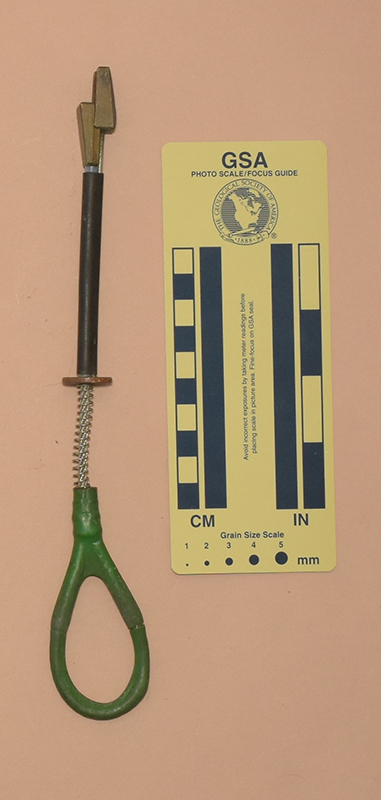
↑ Set 666, 467-468, 667, 469: Metolius Sliders; #0–#4
- Made in USA [ca. 1985].
- Two counterposed spring–loaded dovetailed brass wedges with soft metal backing on the outside of the upper wedge.
- Doug Phillips developed the slider nut and applied for a patent in 1983, receiving U. S. Patent #4,572,464 in 1986.
↑ 666: Metolius Sliders; #0
- Made in USA [ca. 1986].
- Size: 7 to 9 mm.
- Weight: 38 g.
- Two counterposed spring–loaded dovetailed brass wedges with soft metal backing on the outside of the upper wedge.
- Stamped "0" on the lower (fixed) wedge.
- Doug Phillips developed the slider nut and applied for a patent in 1983, receiving U. S. Patent #4,572,464 in 1986.
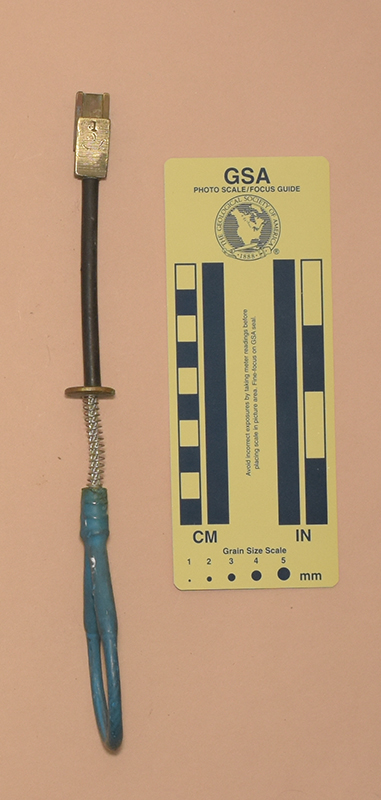
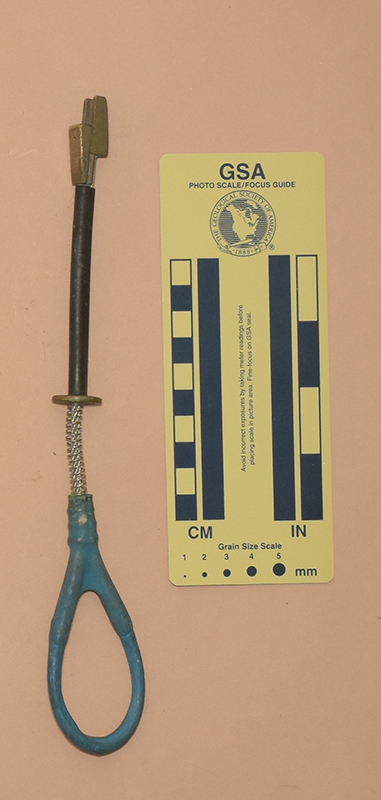
↑ 467: Metolius Sliders; #1
- Made in USA [ca. 1986].
- Size: 8 to 12 mm.
- Weight: 59 g.
- Two counterposed spring–loaded dovetailed brass wedges with soft metal backing on the outside of the upper wedge.
- Stamped "1" on the lower (fixed) wedge.
- Doug Phillips developed the slider nut and applied for a patent in 1983, receiving U. S. Patent #4,572,464 in 1986.
↑ 468: Metolius Sliders; #2
- Made in USA [ca. 1986].
- Size: 9 to 13 mm.
- Weight: 62 g.
- Two counterposed spring–loaded dovetailed brass wedges with soft metal backing on the outside of the upper wedge.
- Stamped "2" on the lower (fixed) wedge.
- Doug Phillips developed the slider nut and applied for a patent in 1983, receiving U. S. Patent #4,572,464 in 1986.
↑ 667: Metolius Sliders; #3
- Made in USA [ca. 1986].
- Size: 11 to 14 mm.
- Weight: 67 g.
- Two counterposed spring–loaded dovetailed brass wedges with soft metal backing on the outside of the upper wedge.
- Stamped "3" on the lower (fixed) wedge.
- Doug Phillips developed the slider nut and applied for a patent in 1983, receiving U. S. Patent #4,572,464 in 1986.
↑ 469: Metolius Sliders; #4
- Made in USA [ca. 1986].
- Size: 12 to 17 mm.
- Weight: 75 g.
- Two counterposed spring–loaded dovetailed brass wedges with soft metal backing on the outside of the upper wedge.
- Stamped "4" on the lower (fixed) wedge.
- Doug Phillips developed the slider nut and applied for a patent in 1983, receiving U. S. Patent #4,572,464 in 1986.