
Werk (or Werkgen) Fulpmes is the shortened form of "Werkgenossenschaft der Stubaier Kleineisenindustries – Fulpmes" (Cooperative of Stubai Small Iron Industries - Fulpmes), a co-op of 27 small ironworks in the Fulpmes area of the Stubai Valley, Austria that banded together in 1897. They produced tools and other metal products, including mountaineering equipment.
In 1955, Werkgen Fulpmes started marketing various products with the "Stubai" name. In the next few years they gradually used the "Stubai" name for more products. The "Stubai"–inside–a–diamond logo appeared in 1958. Werkgen Fulpmes officialy adopted the "Stubai" company name in 1960, and subsequently marketed all their items under the Stubai brand name. They used the diamond logo until the 1970s, when they changed the logo to a 3–peak mountain with "STUBAI" within the mountain.
Ramón Montaner used a shortened 1920s Werk Fulpmes ice axe to clumsily murder Leon Trostsky in 1940. That most famous of all ice axes is now in the International Spy Museum in Washington DC.
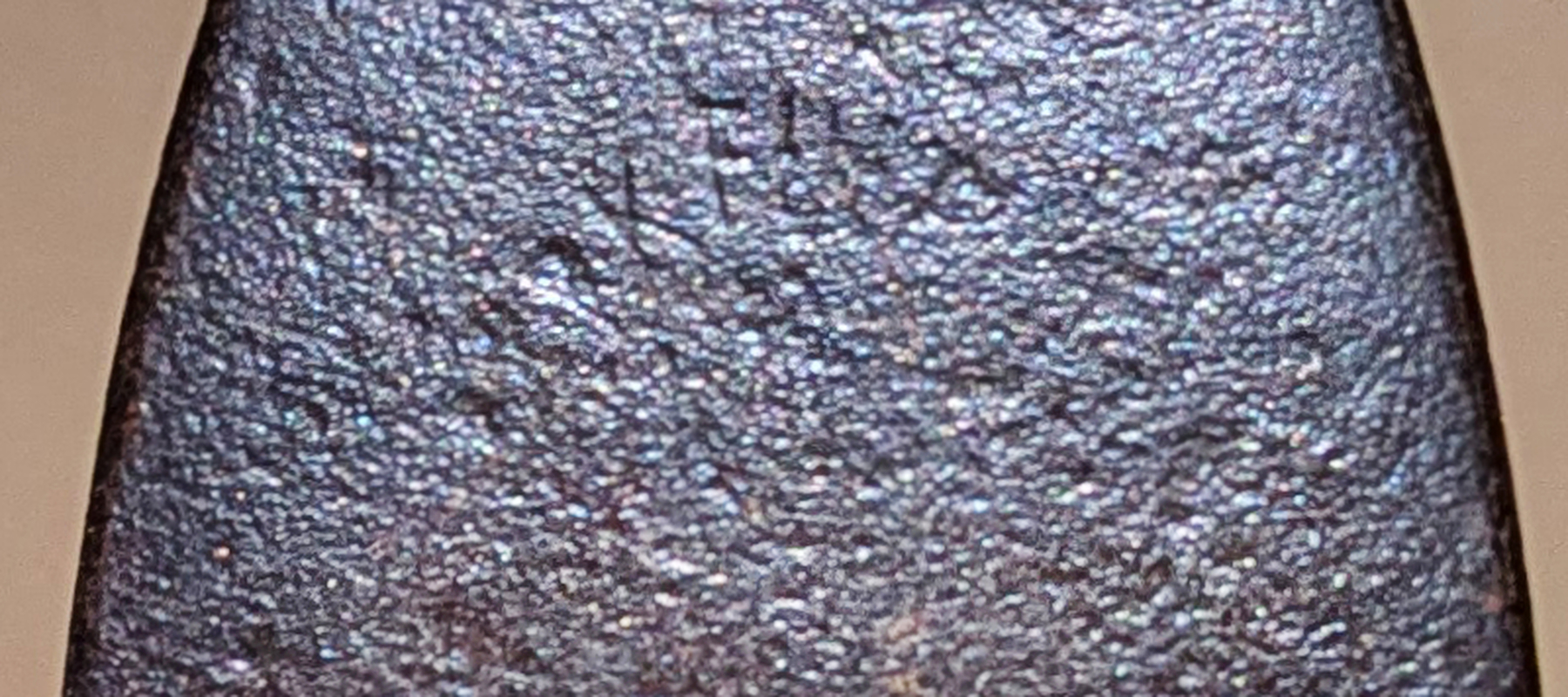
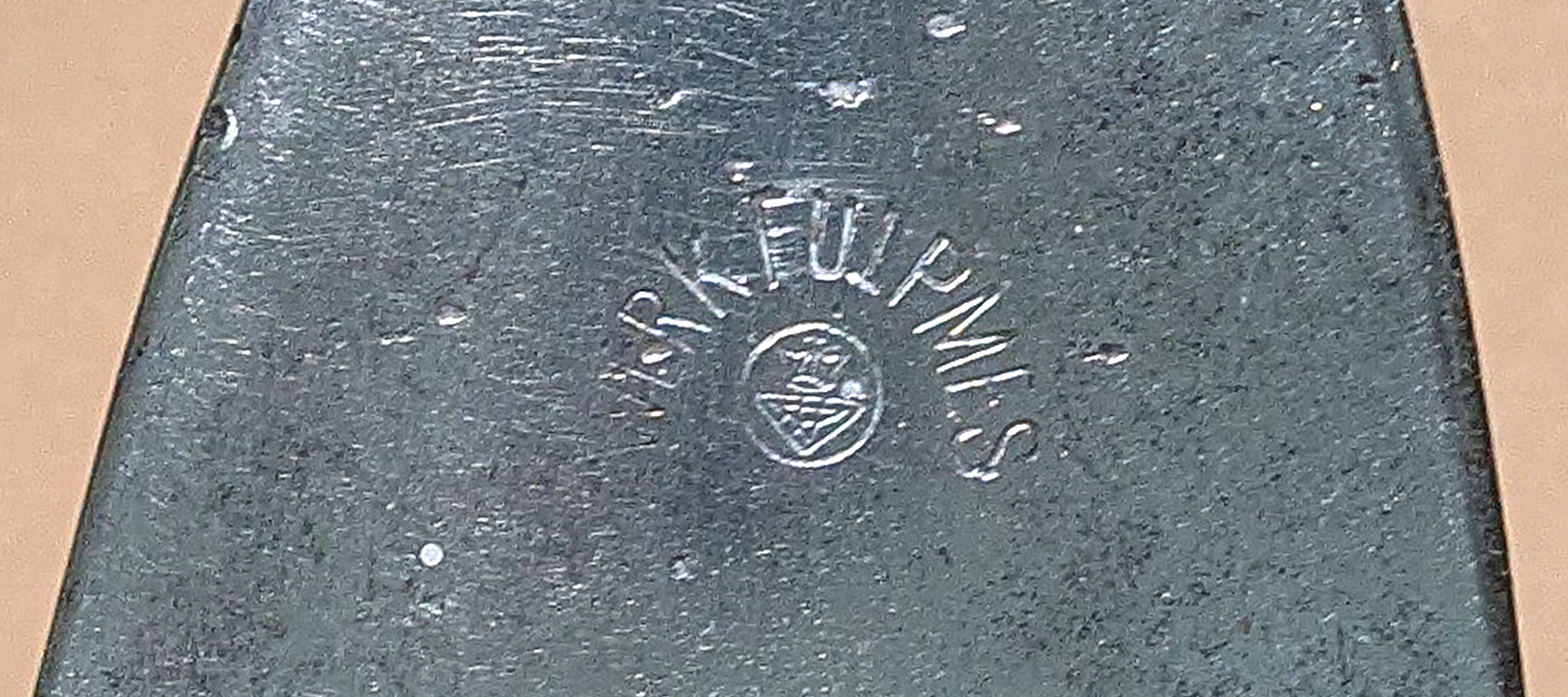
These early Werk Fulpmes ice axes have a
Werkgenossenschaft Fulpmes logo
stamped on the top of the adze.

 |  |  |  |
 |  |  |  |
 |
↑ 152: Werkgenossenschaft Fulpmes
 |  |  |  |
 |  |  |  |
 |
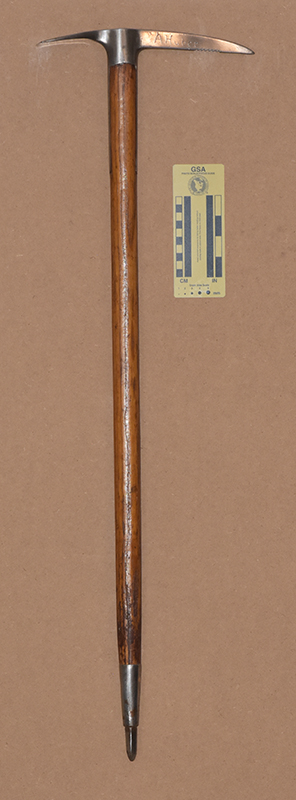
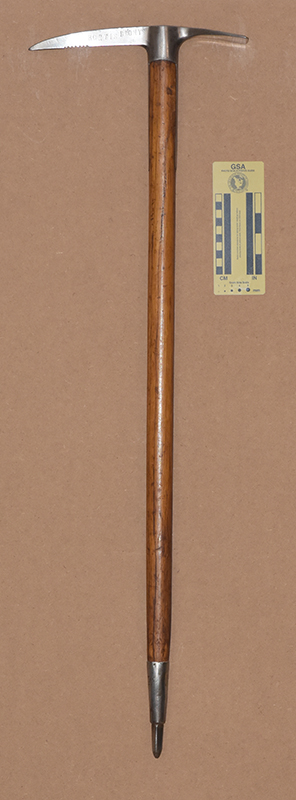
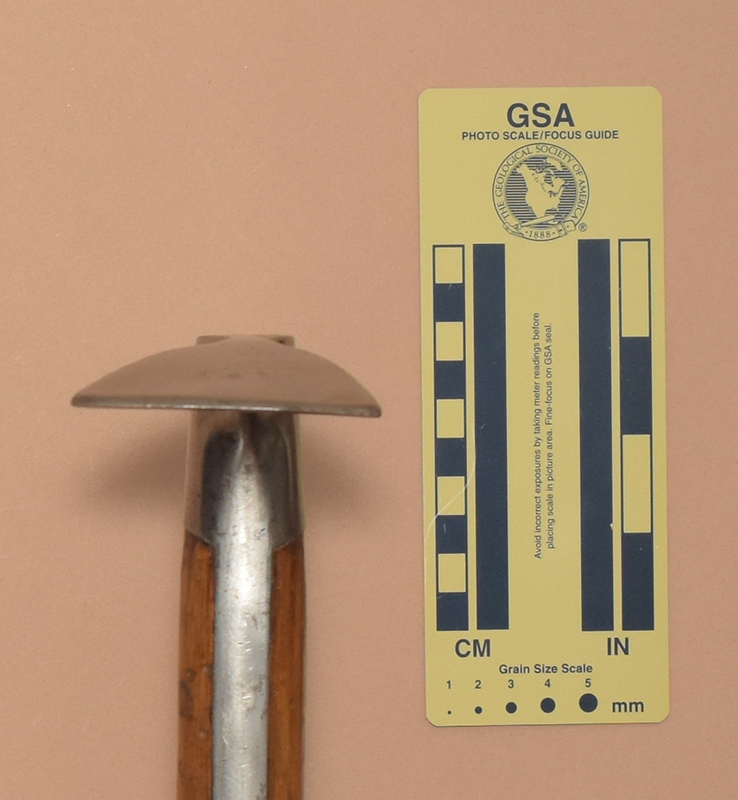
↑ 412: Werkgenossenschaft Fulpmes
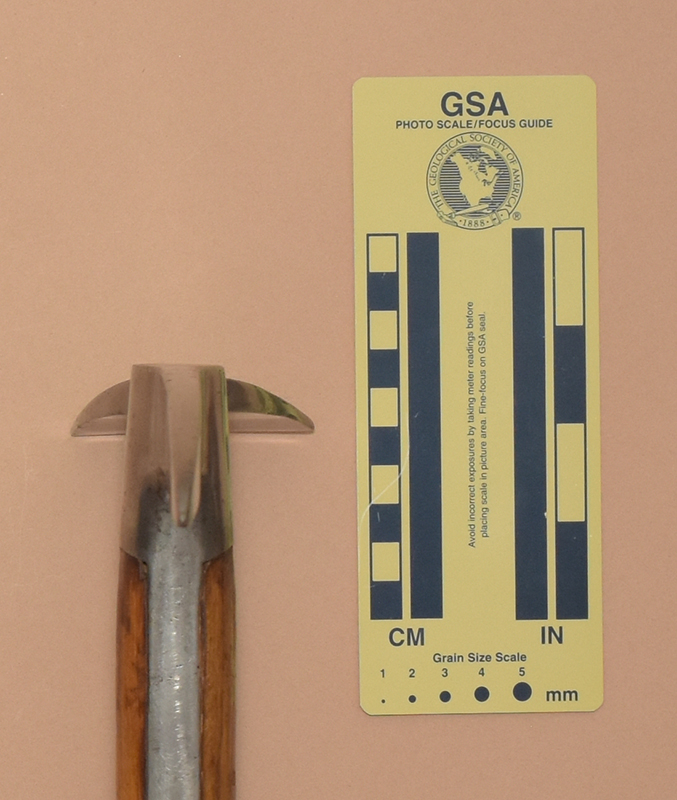
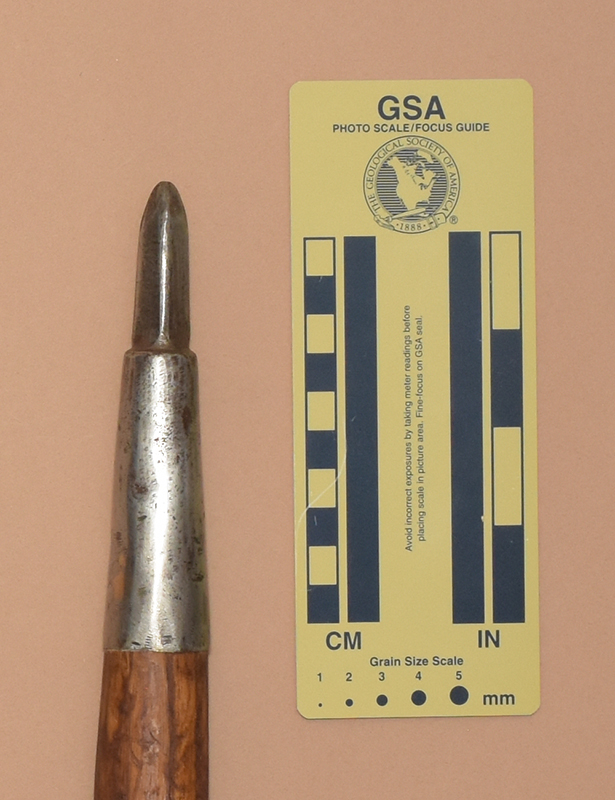
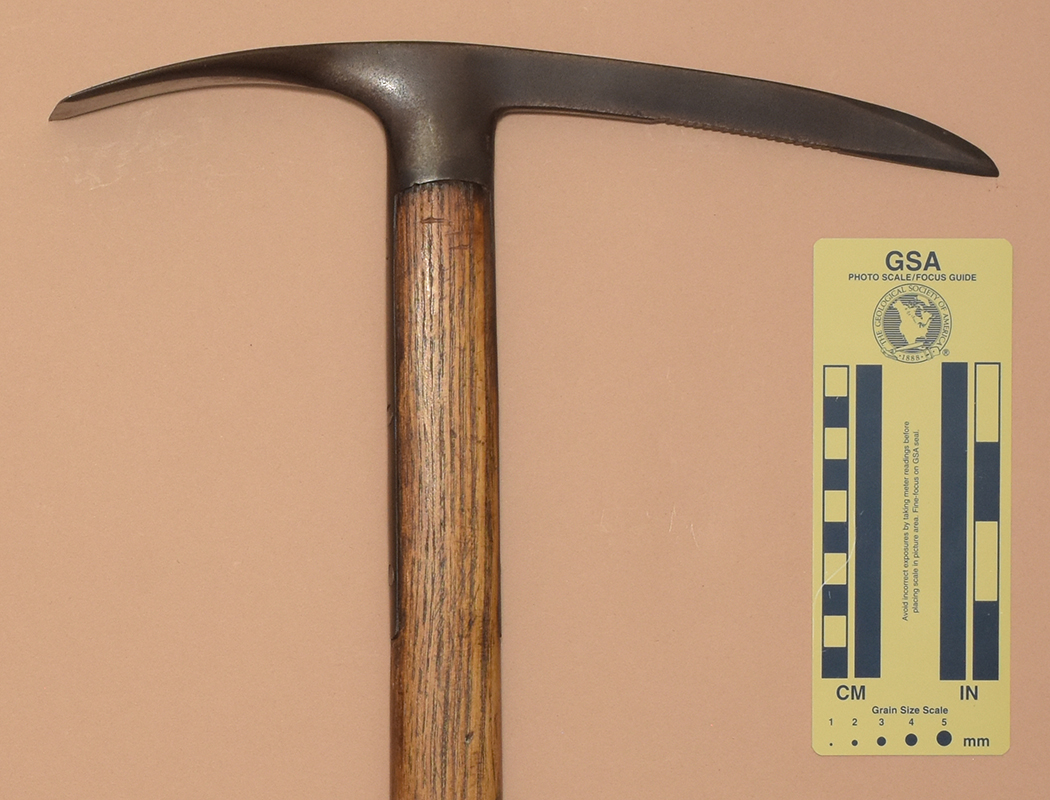
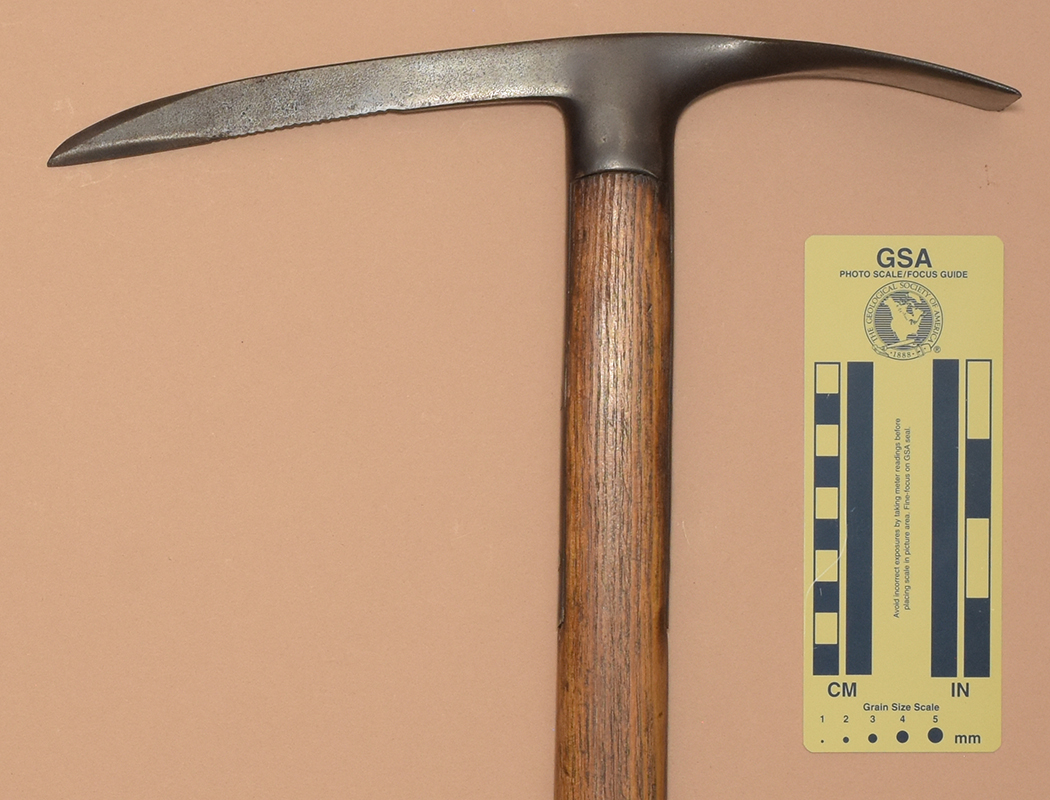
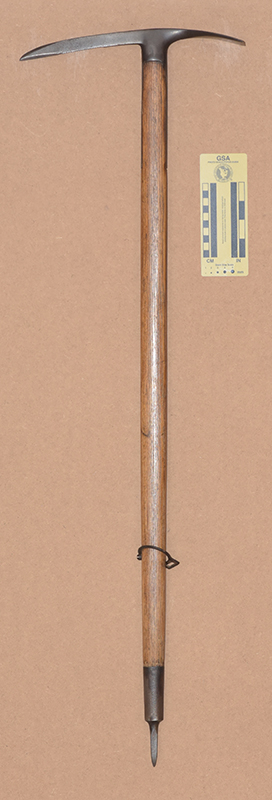
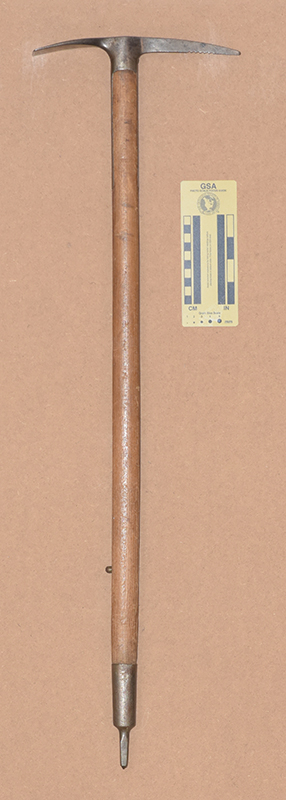
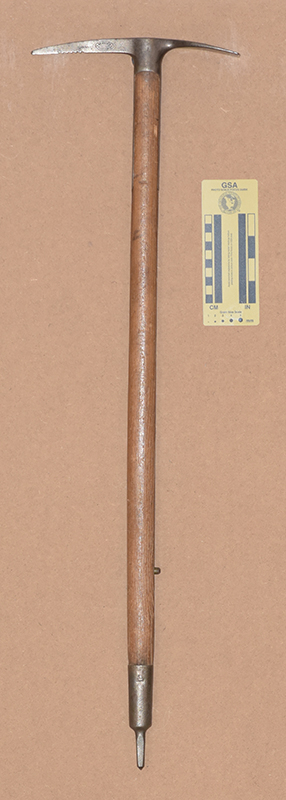
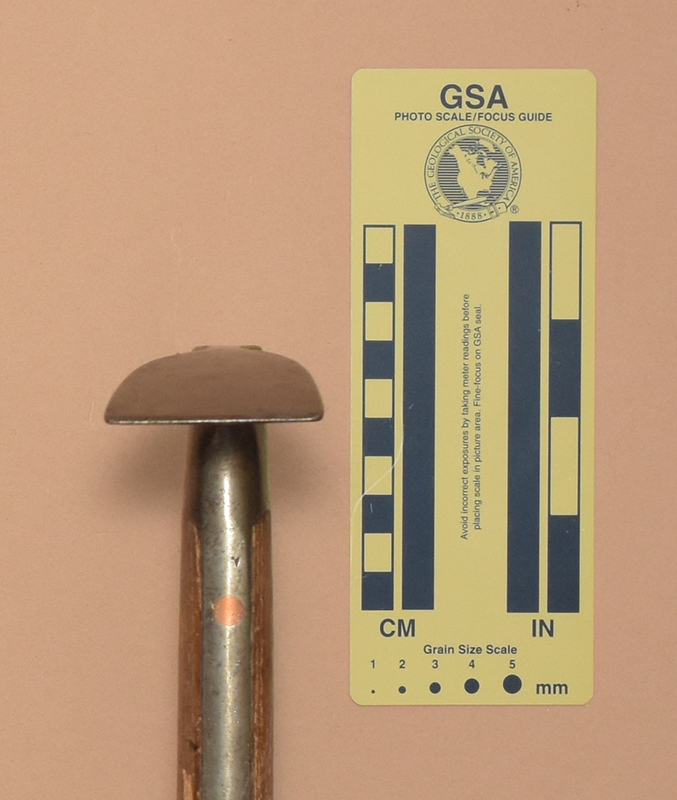
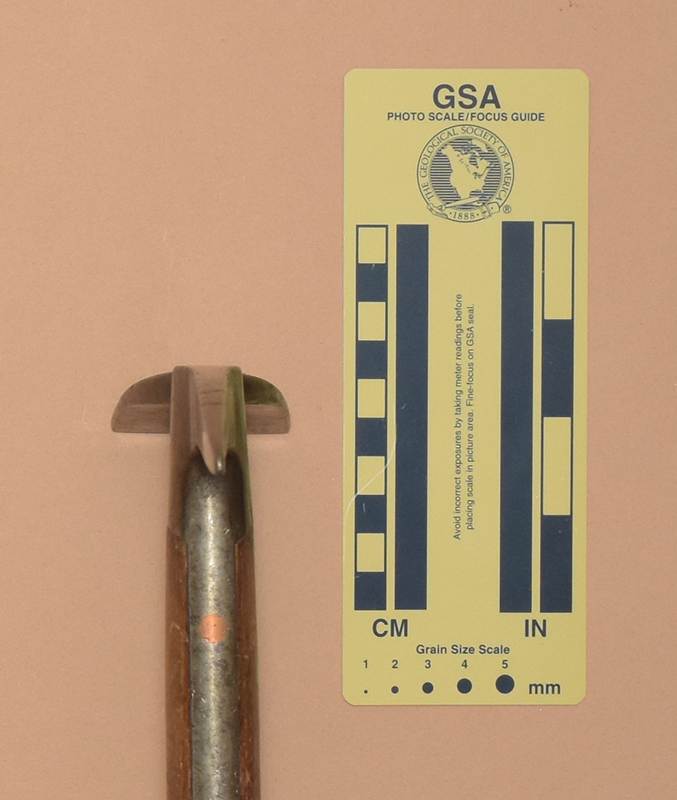
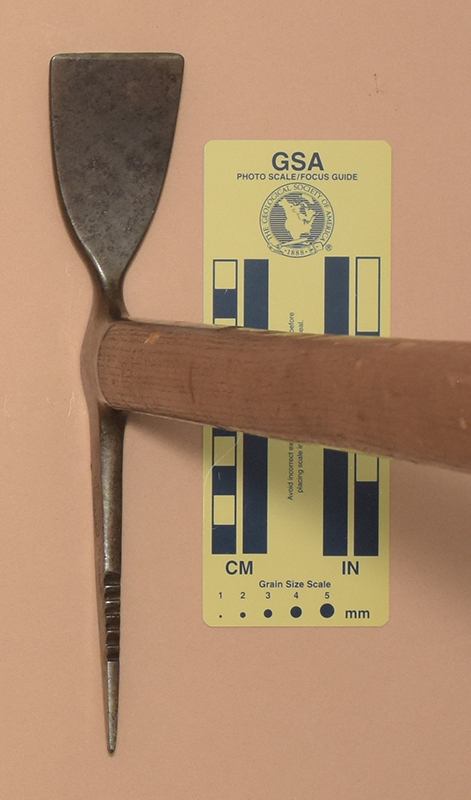
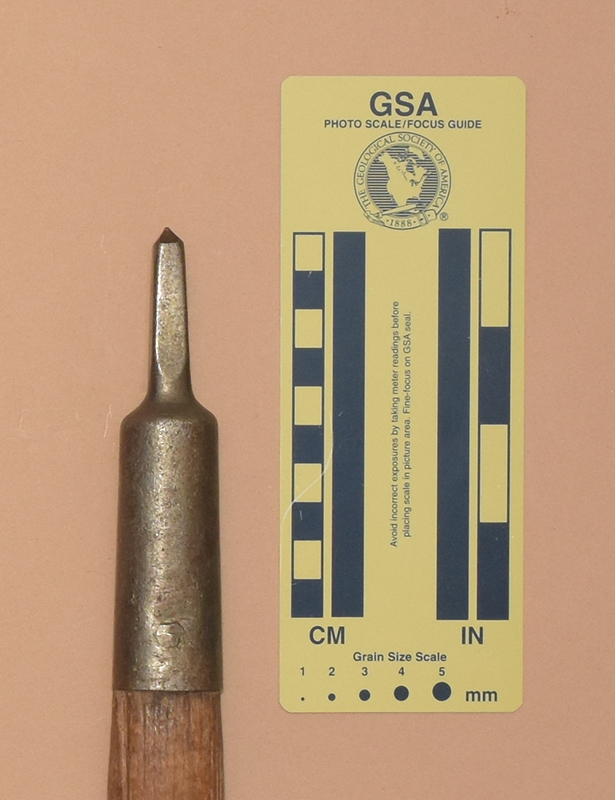
This is definitely an Aschenbrenner style axe but it has no markings. Stefan Romic found this axe in an antique fair in Osijek, Croatia. He provided the following comments about this unusual axe:
I realized that beside the absence of any markings, that specific Ice Axe had features I've never before, nor after of course, encountered on that ubiquitous model. It was definitely an original configuration, if it was remade, I would've noticed. It had an obscenely long shaft for an "Aschenbrenner", more in line with the 1910s-'20s Ice Axes.. and most importantly it had a forged one piece ferrule ! Features all encountered on considerably earlier Ice Axes.. All that led me to believe that I stumbled upon a rare, possibly prototype, workshop variant of the most iconic classic Ice Axe out there..
It actually makes perfect sense, since workshop specimens, test pieces etc. wouldn't carry a brand name of factory he (P. Aschenbrenner) later on made a deal with to mass produce his design. How it ended up in Croatia ? Well.. easily, in fact probably as my own, since the 7th SS-Freiwilligen-Gebirgs-Division had it's plate full with "bandenkampf" and Tito's partisans all over the Balkans up until the very end of war.
And how did they get it.? Well it was almost identical to their official ice axe, and most likely picked up at the workshop/factory and delivered to an army inventory with all the other brand new official Aschenbrenners. Fascinating. It actually might be one of the oldest Aschenbrenners in existence!
This includes some reasonable speculation but we will never know (let alone prove) the complete history of this axe. For my part, I believe it highly likely that it was produced by one of the Werk Fulpmes shops along with other Aschenbrenners.
 |  |  |  |
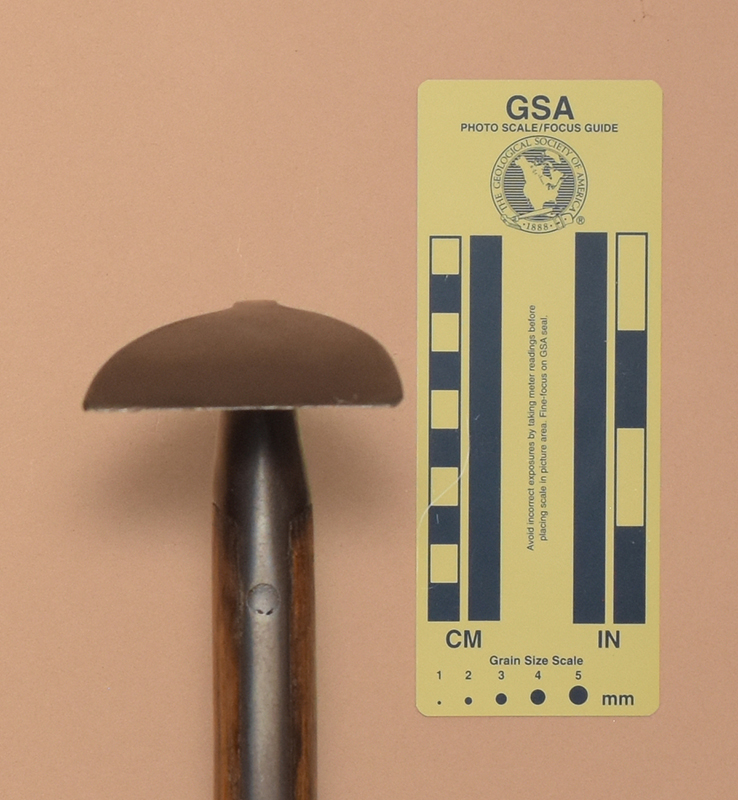 | 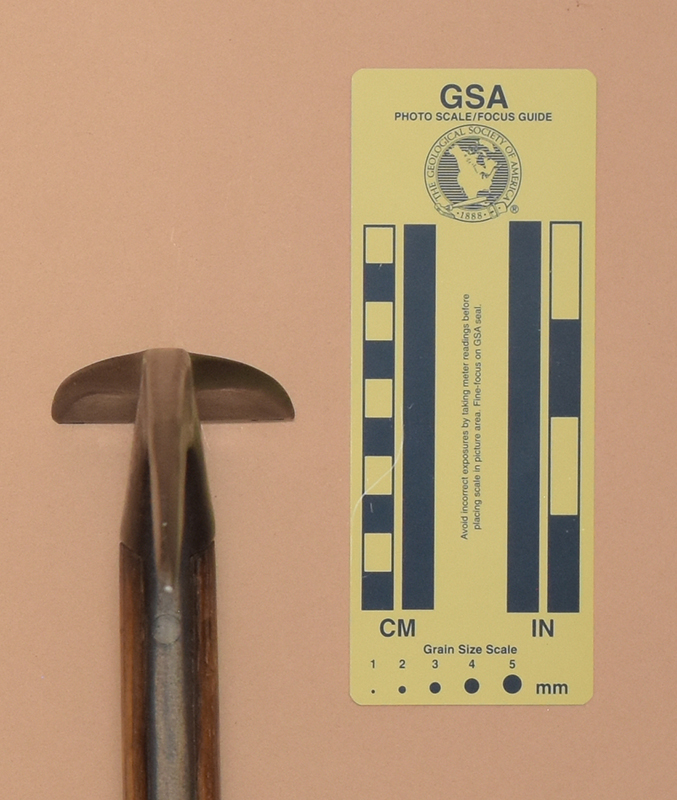 | 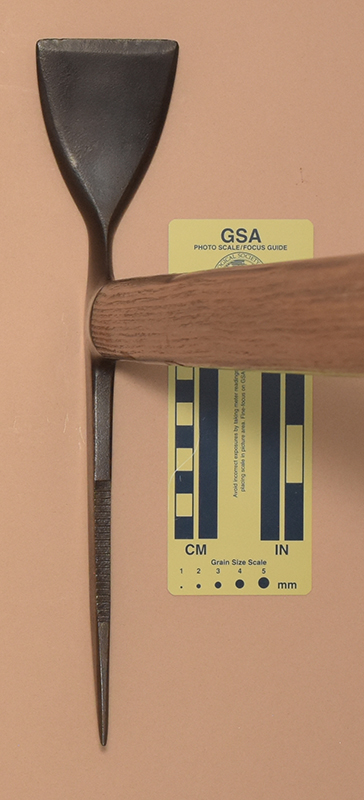 | 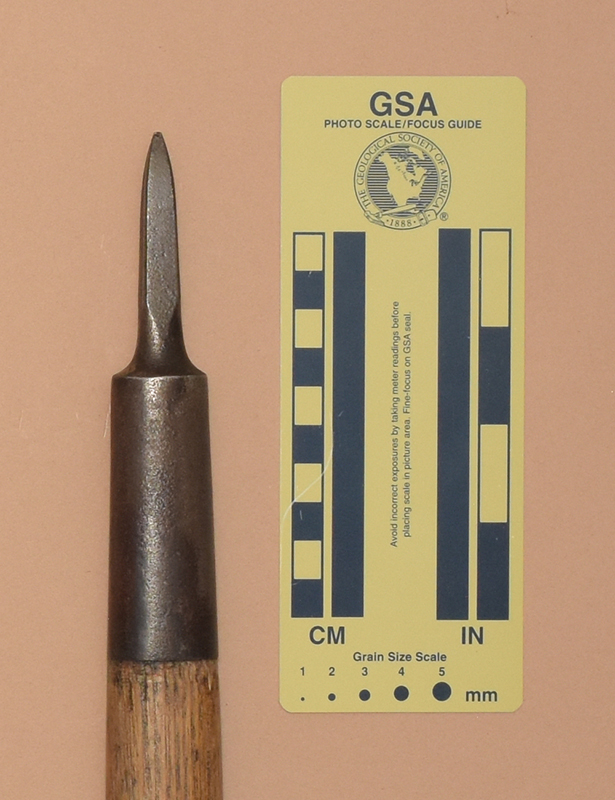 |
↑ 445: Werkgen Fulpmes (?) Achenbrenner
 |  |  |  |
 |  |  |  |
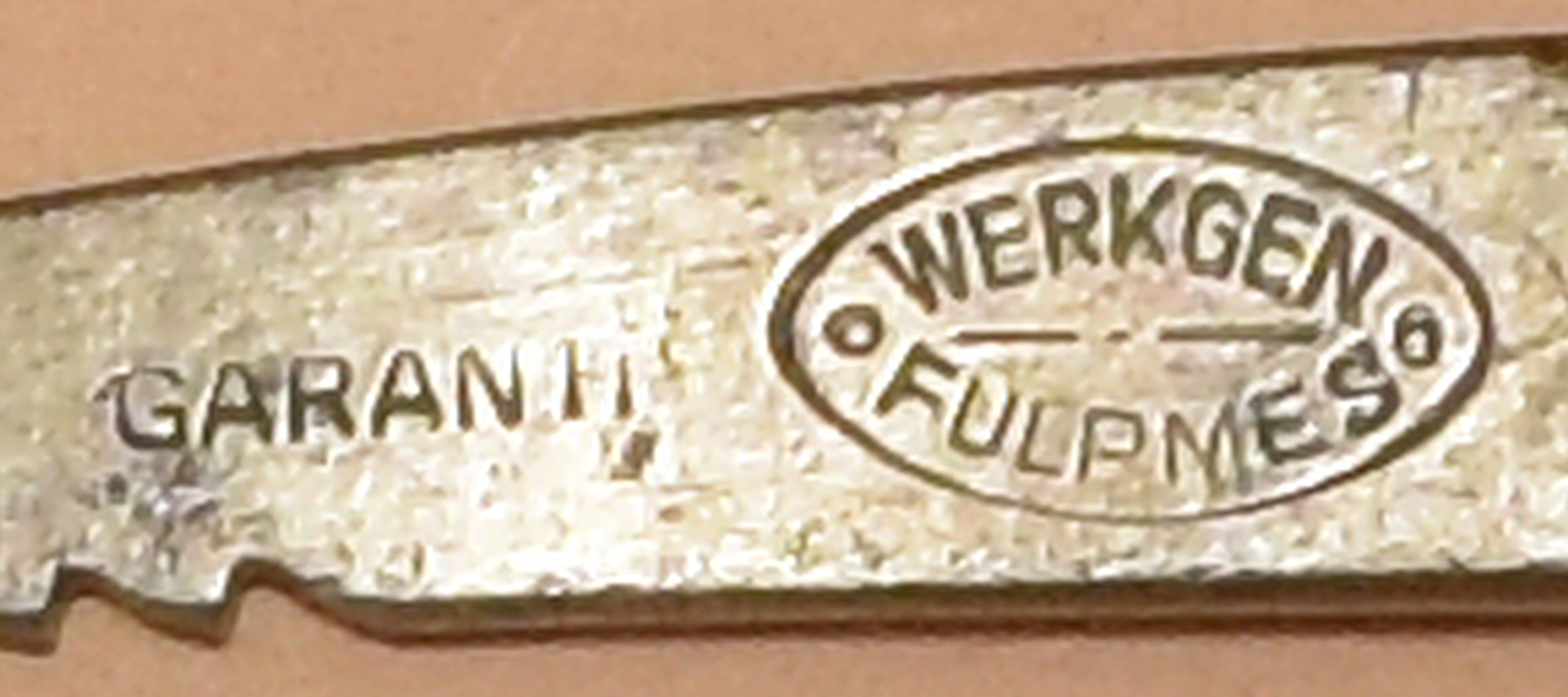 |
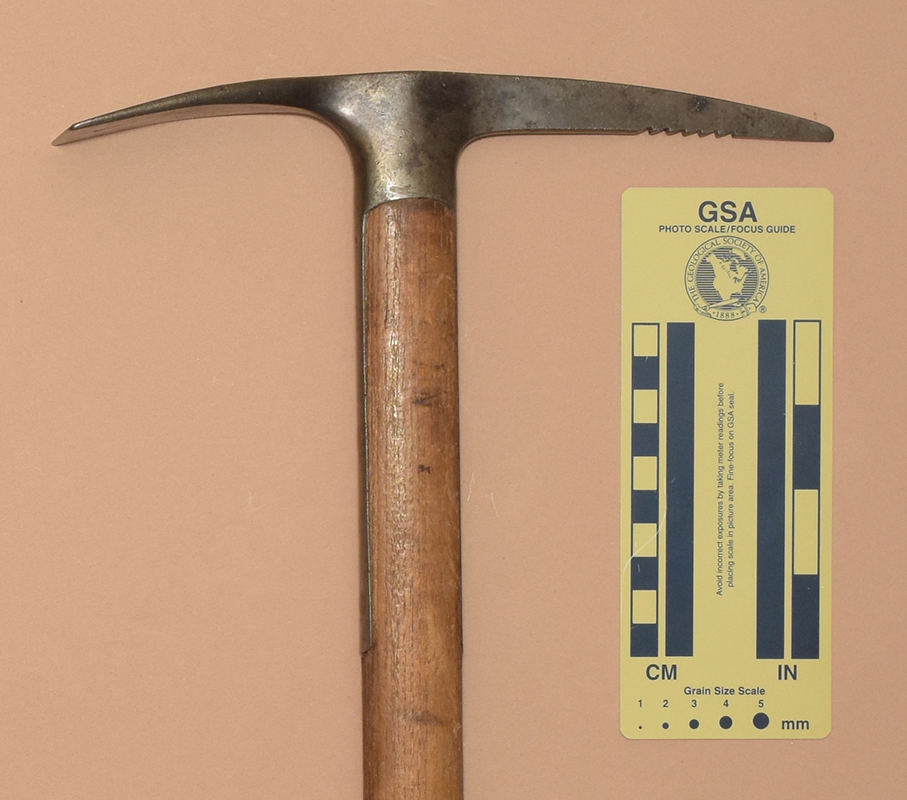
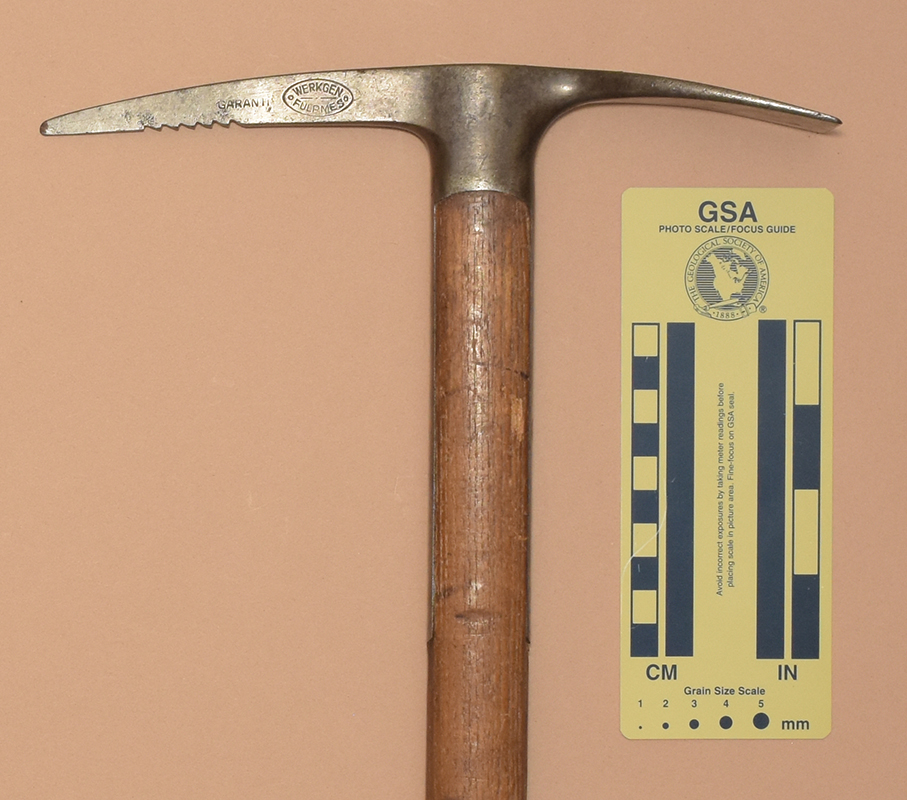
↑ 446: Werkgen Fulpmes Garantie
 |  |  |  |
 |  |  |  |
 |
↑ 206: Werkgen Fulpmes Extra Garantie
Ramón Montaner used a shortened 1920s Werk Fulpmes ice axe to clumsily murder Leon Trostsky in 1940. That most famous of all ice axes is now in the International Spy Museum in Washington DC.
 |  |  |  |
 |  |  |  |
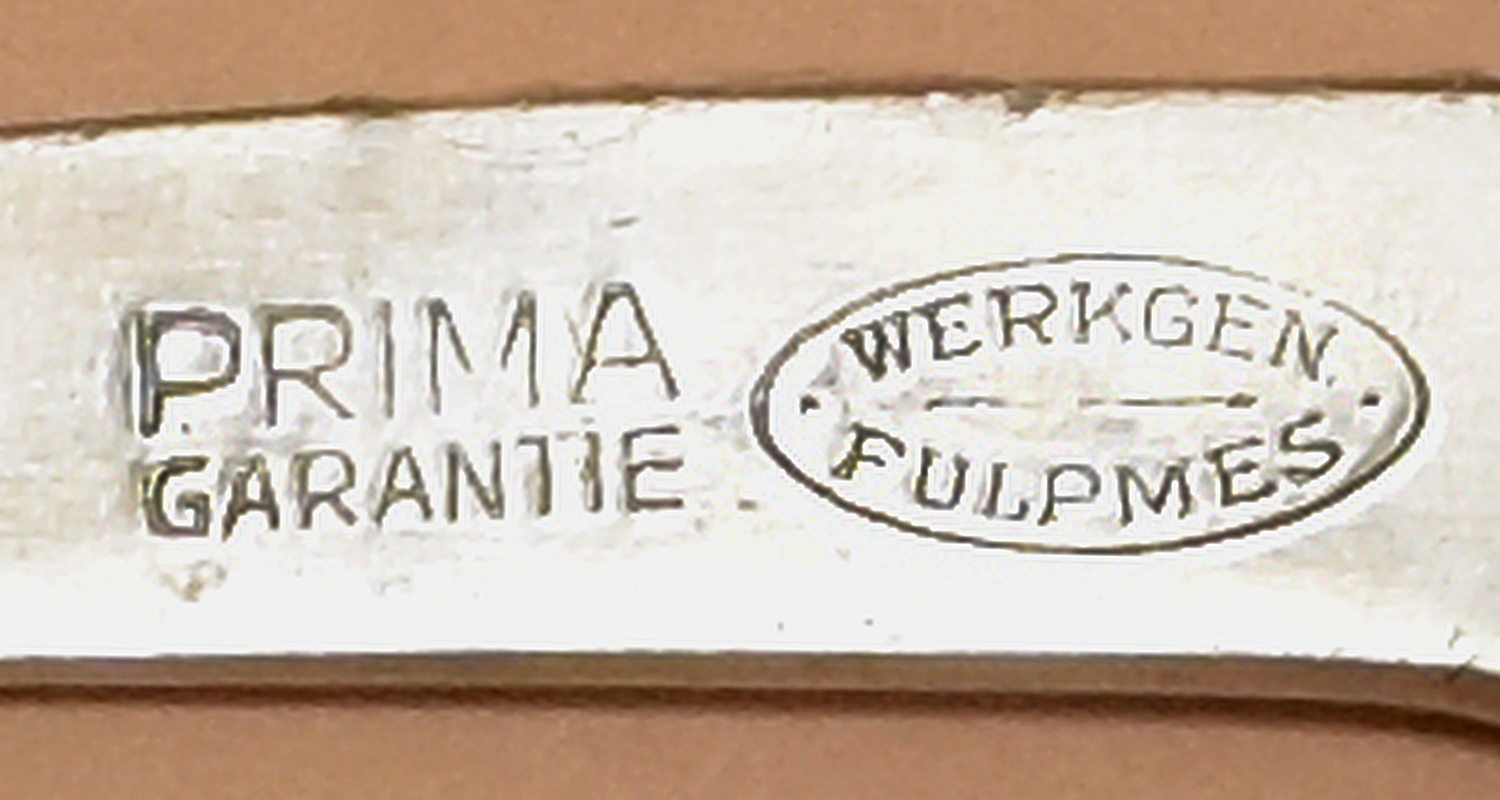 |
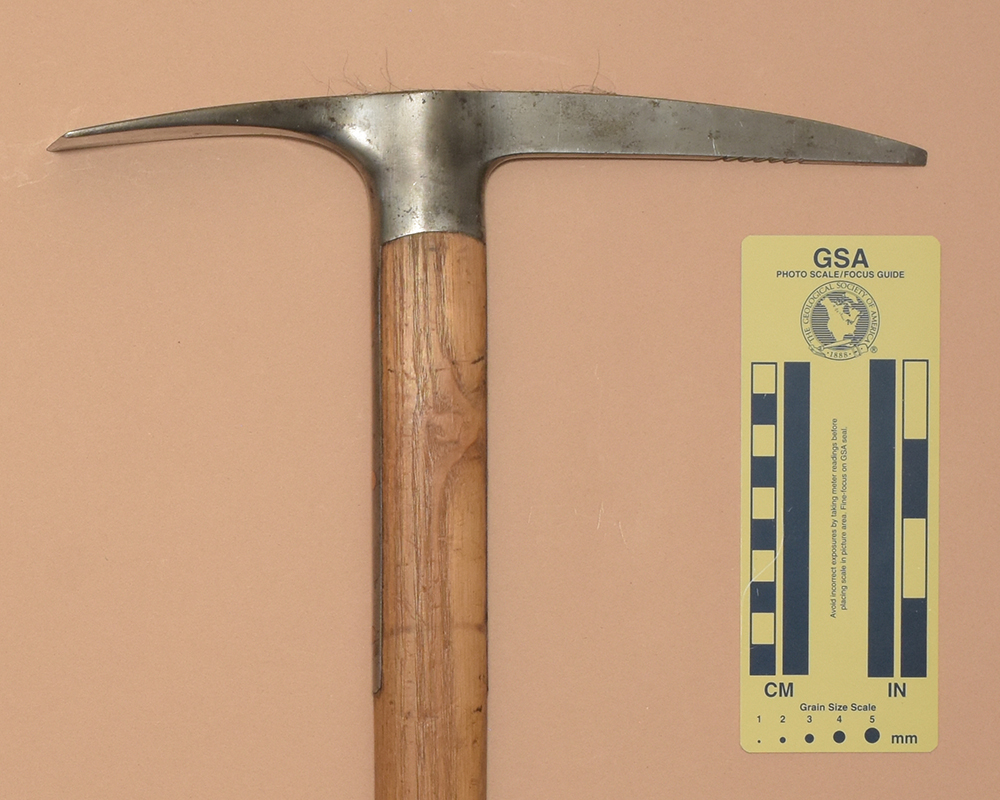
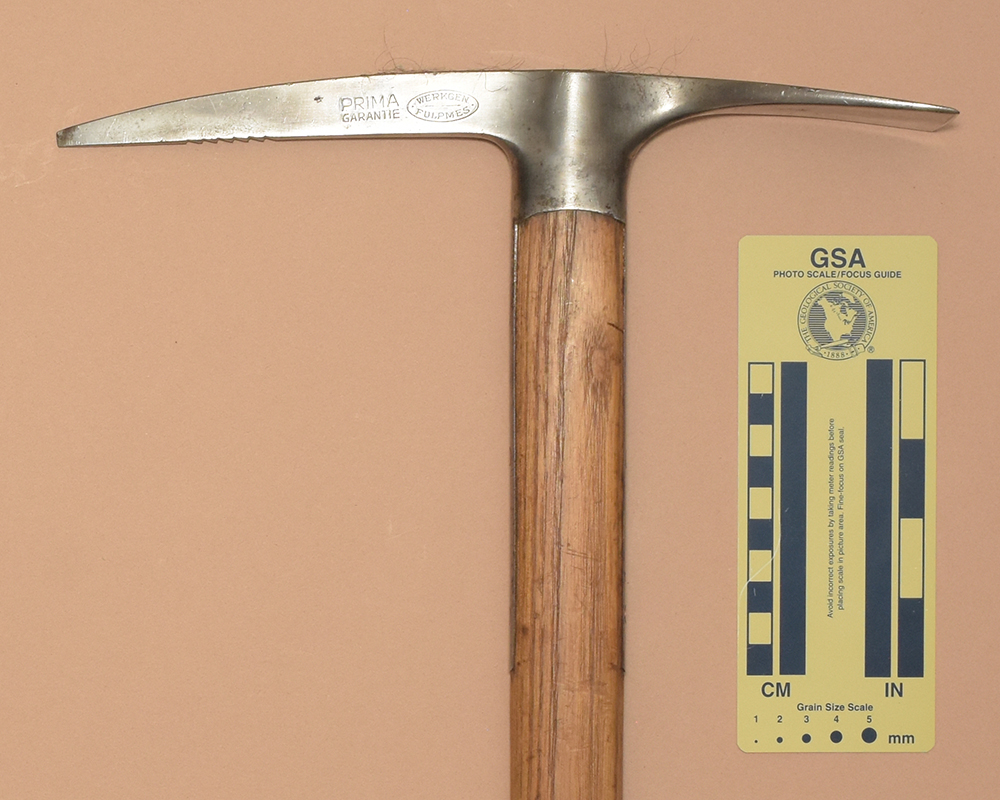
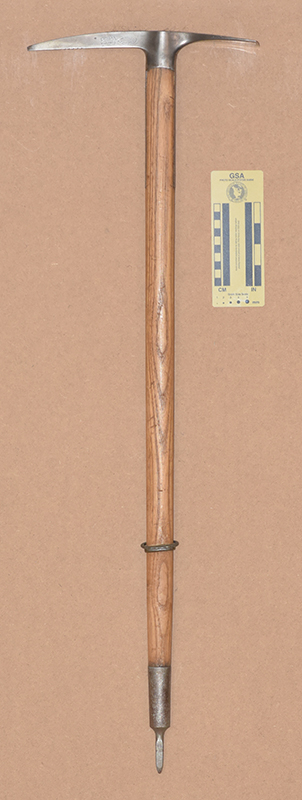
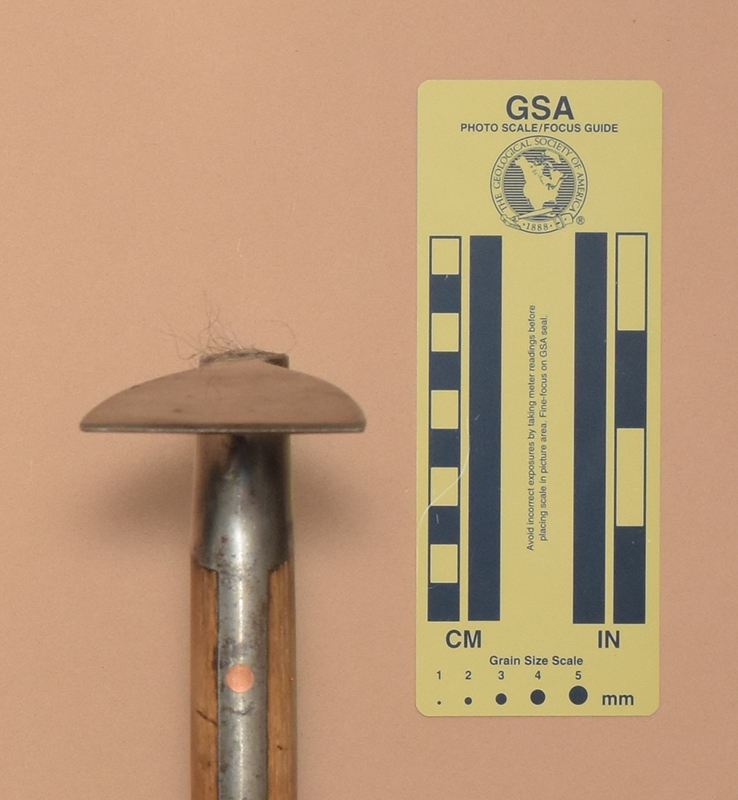
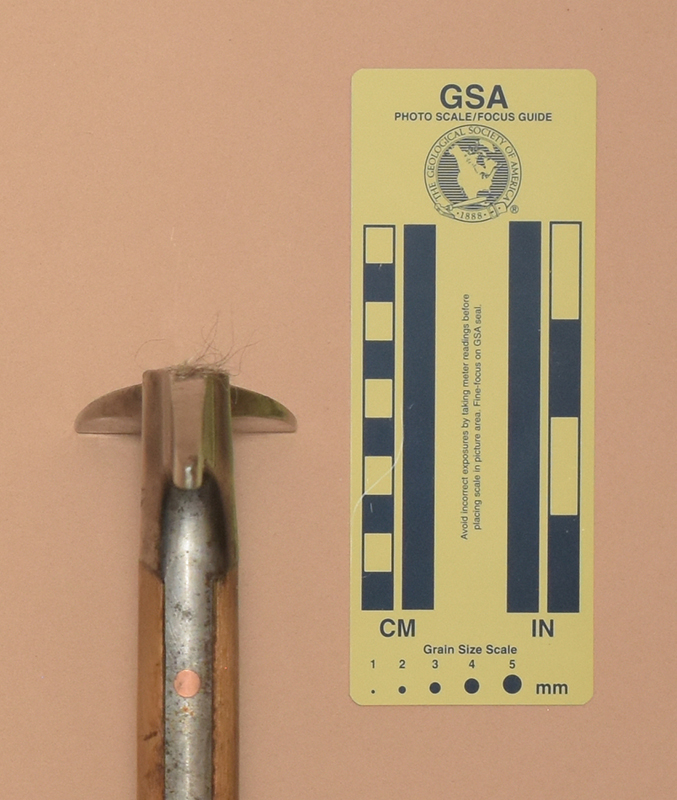
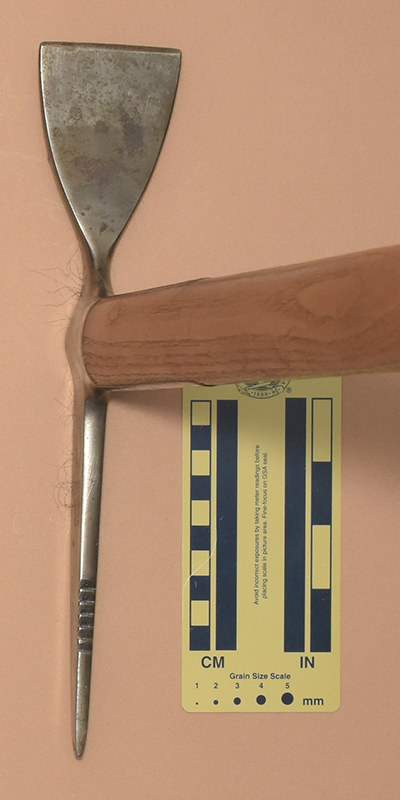
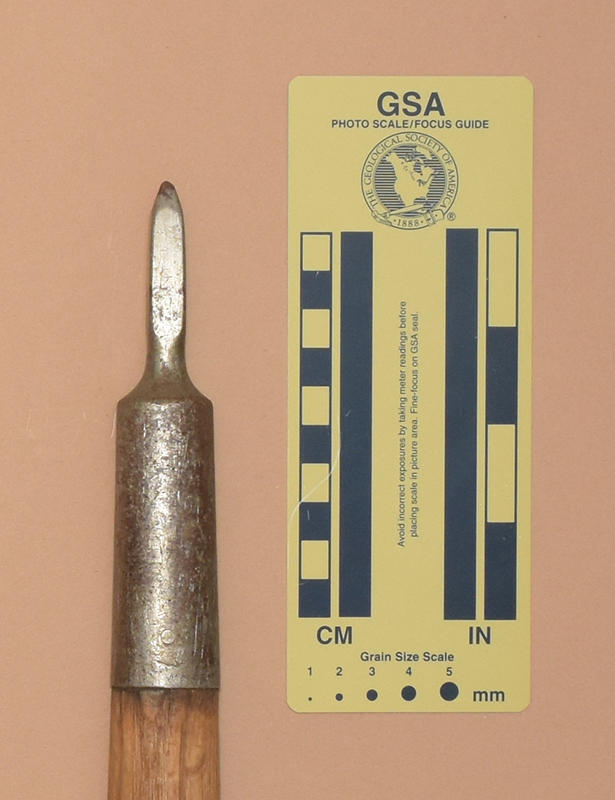
↑ 444: Werkgen Fulpmes Prima Garantie
The Fran Senn axe is a copy of Ralling's Akademiker Pickel. It was named after Franz Xaverius Senn (1831–1884), an Austrian priest and mountaineer. Senn was among the first to promote alpinism and foster the early development of mountaineering in Tyrol. He was a founding member of the Austrian and German alpine associations.
 |  |  |  |
 |  |  |  |
 |
↑ 359: Werkgen Fulpmes Franz Senn