
The Simonds were a family of man ybrothers working as blacksmiths and who lived in or near Les Bossons, France (near Chamonix). They made farming equipment and cowbells for generations, but gradually began to produce mountain tools for climbers coming from England to explore Mont Blanc.
The Simonds began making ice axes in the 1860s. At that time, their axes had no inscriptions. Eventually the brothers Adolphe (dates unknown) and François (1867-1946) began to mark the axes. head. began to dedicate his work to designing and producing mountaineering equipment such as ice axes and crampons while Adolphe focused on making cowbells and other items.
Francois’s son Claudius (1905-1984).started working in 1925. Under him, Simond soon became a global name in the world of high-altitude mountaineering equipment. After World War II, the business was named after him.
In 1960, Claudius’ son Ludger took over. Since around the 1975s, the ice axes moved to a mass-produced metal shaft, and the form of forged and handmade axes ceased to exist. Ludger built a new headquarters at the foot of Mont Blanc in 1988. He sold his company to Wichard in 2004. In 2008, Decathlon became the sole shareholder of Établissements Simond.
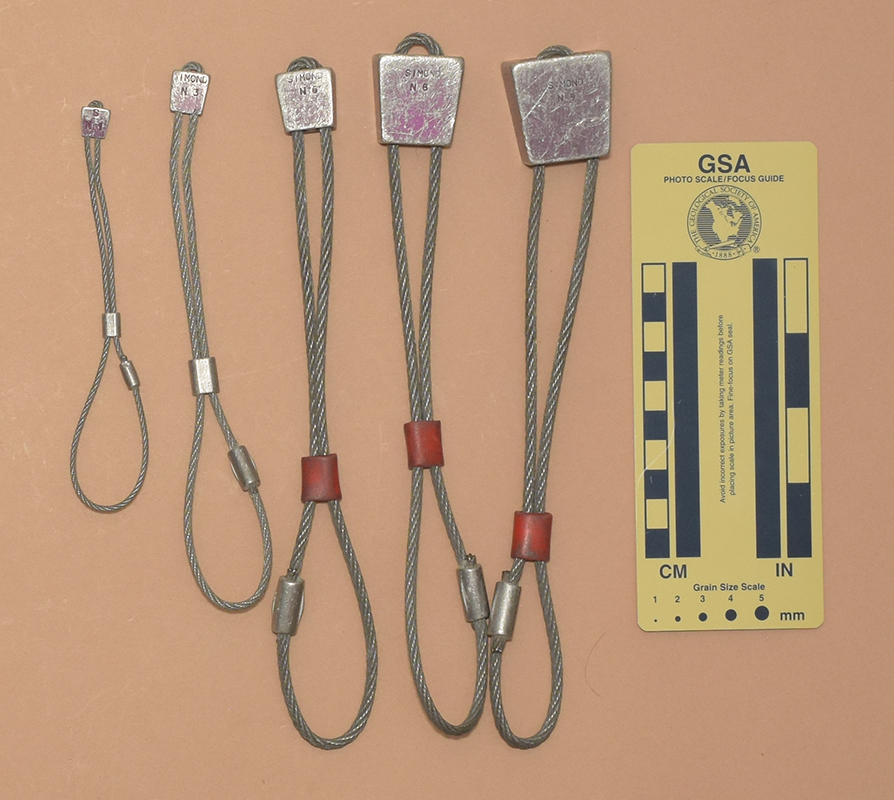 | 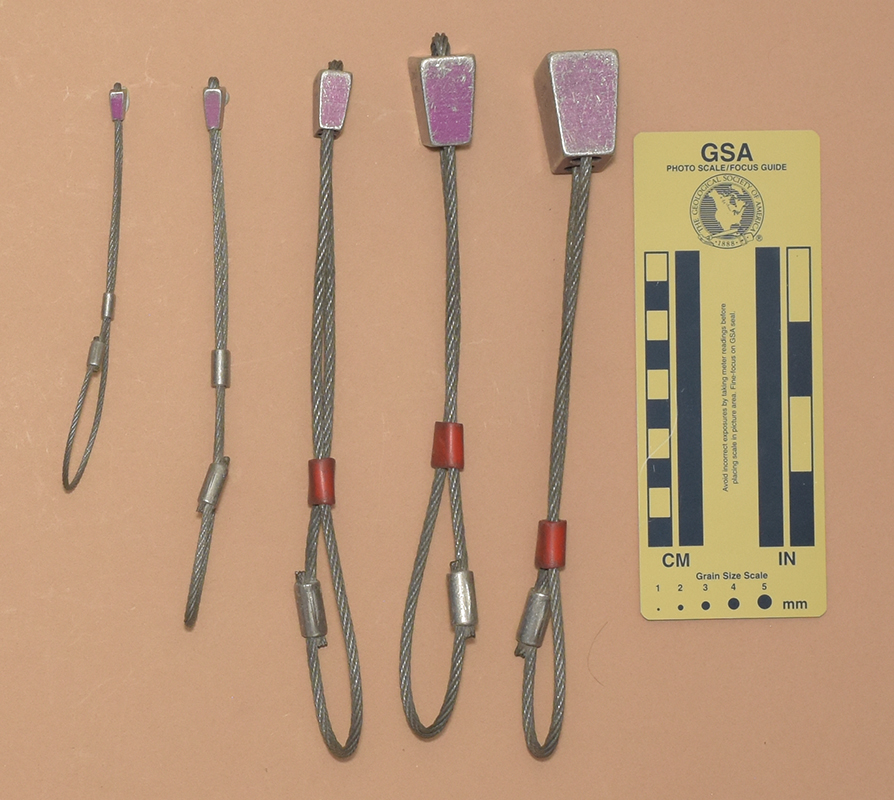 |
↑ Set 855-859: Simoond Stoppers; #1, #3, #6, #8, #9
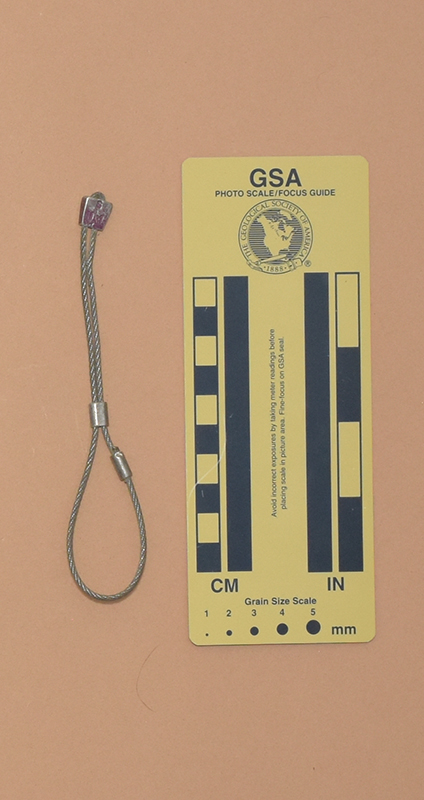 | 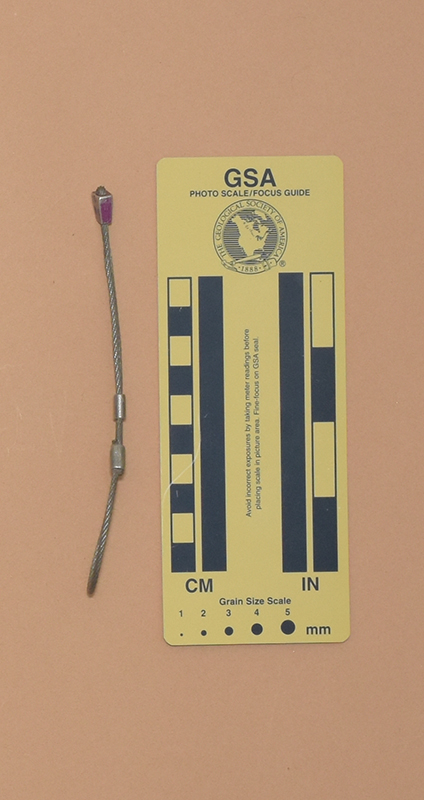 | 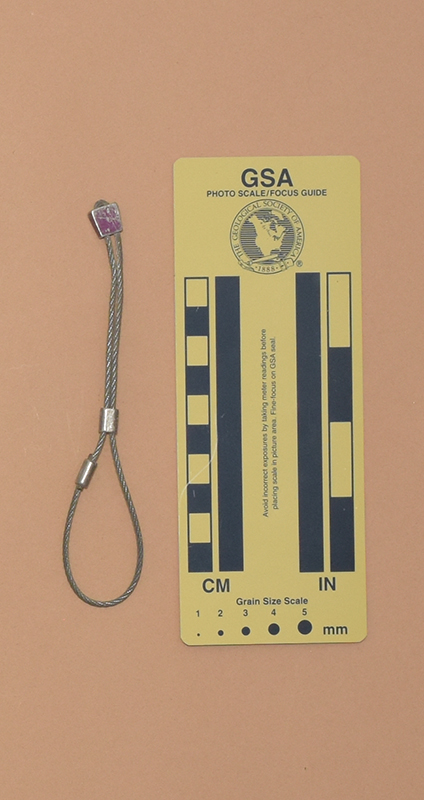 | 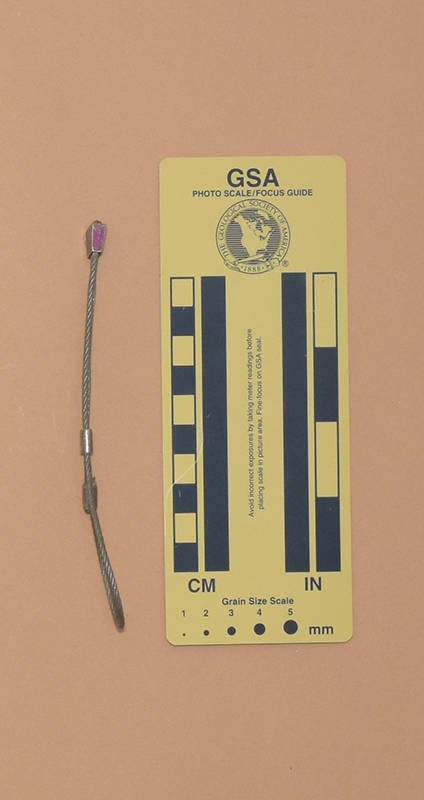 |
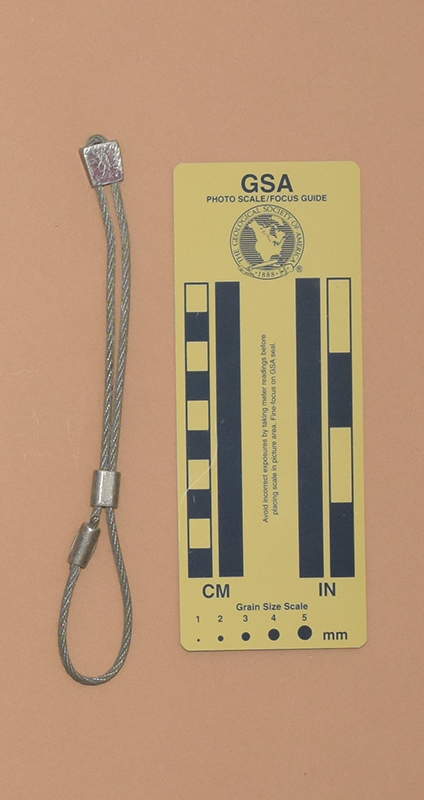
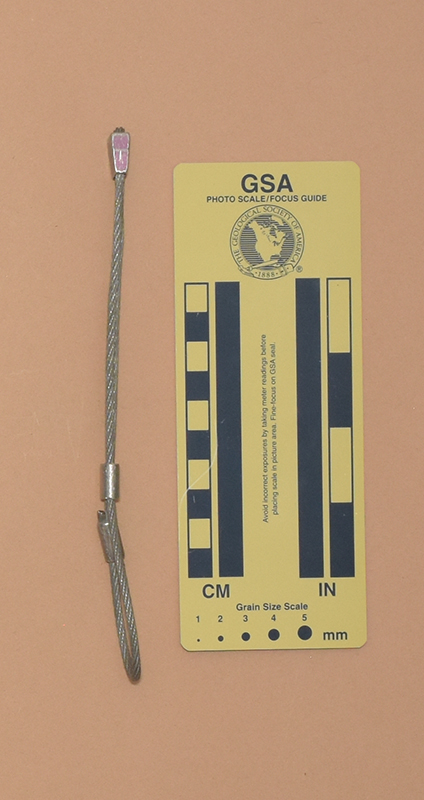
↑ 855: Simoond Stopper; #1
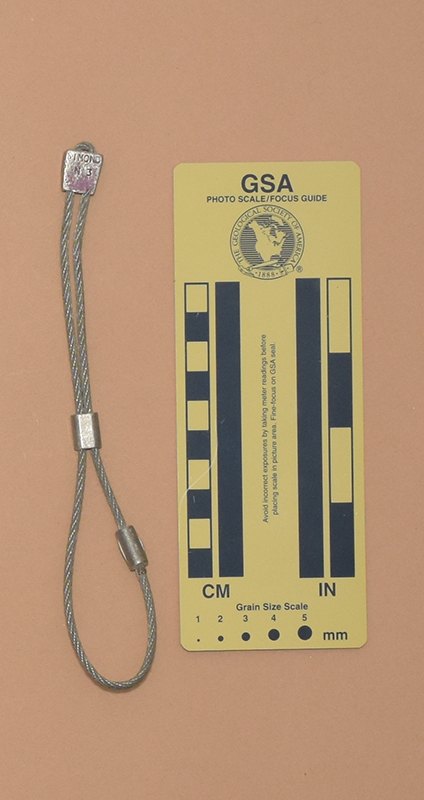 | 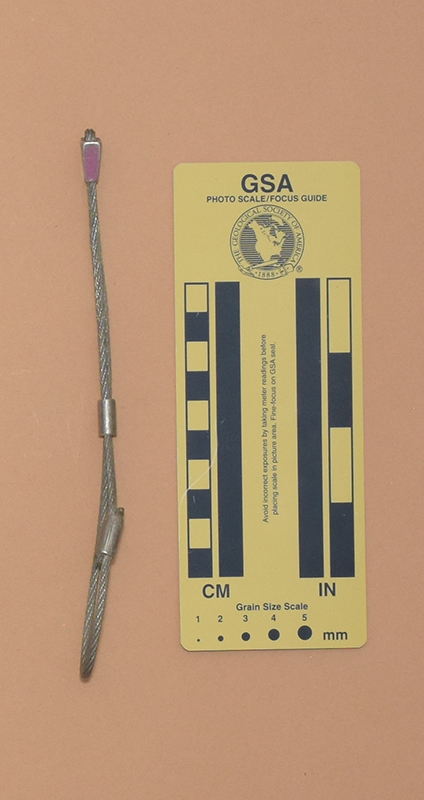 |  |  |
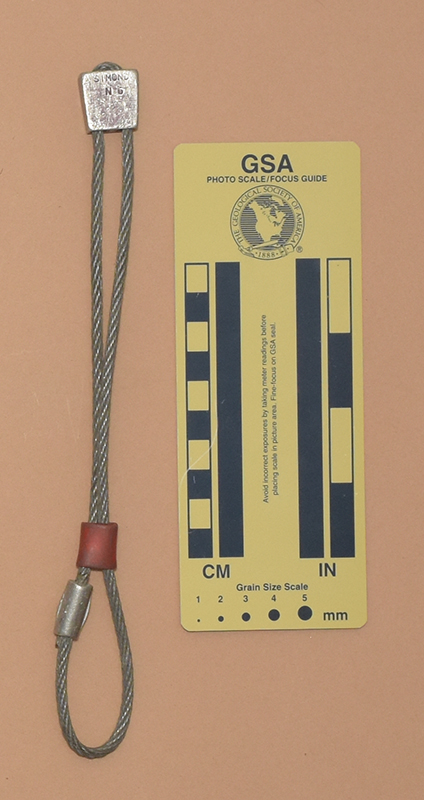
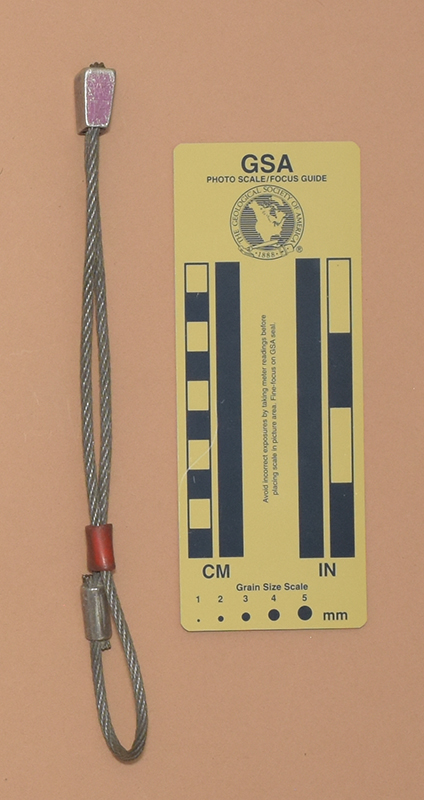
↑ 856: Simoond Stopper; #3
 |  | 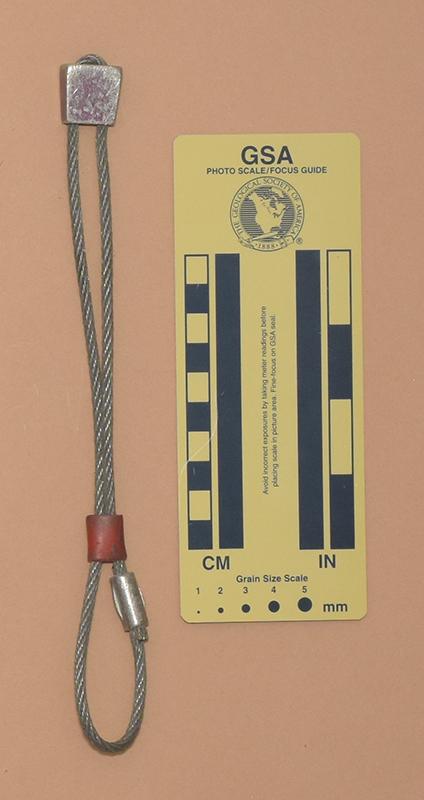 | 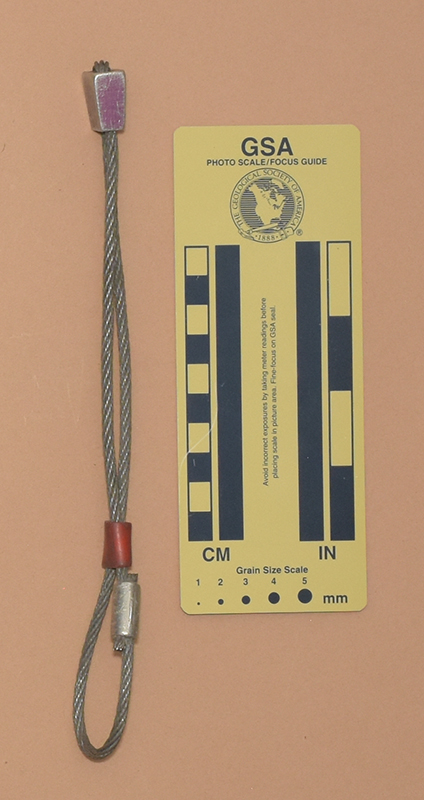 |
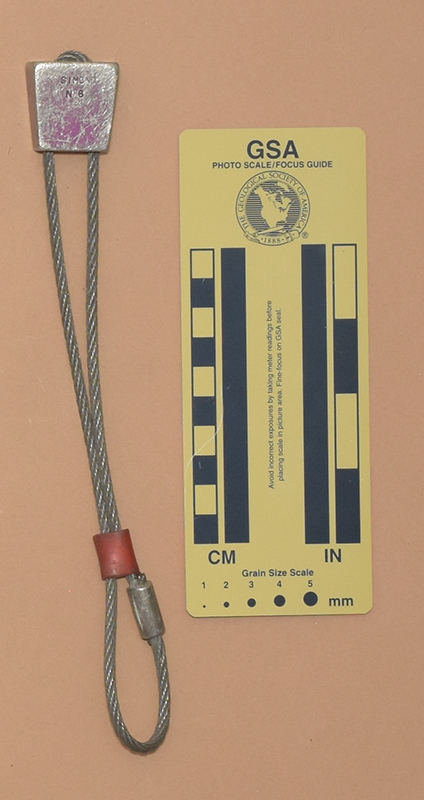
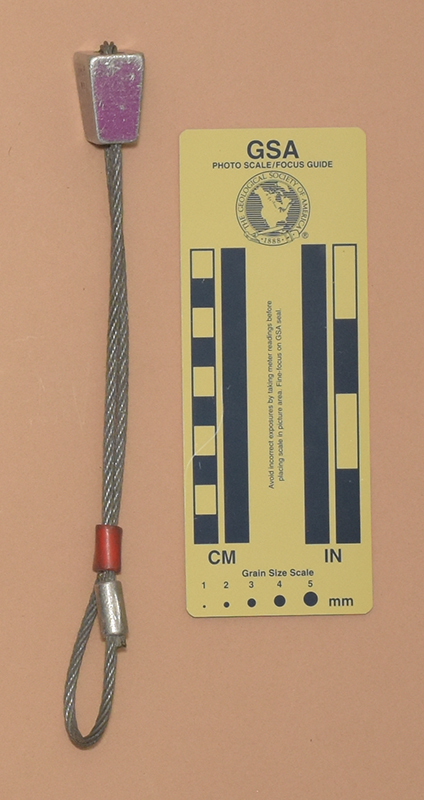
↑ 857: Simoond Stopper; #6
 |  | 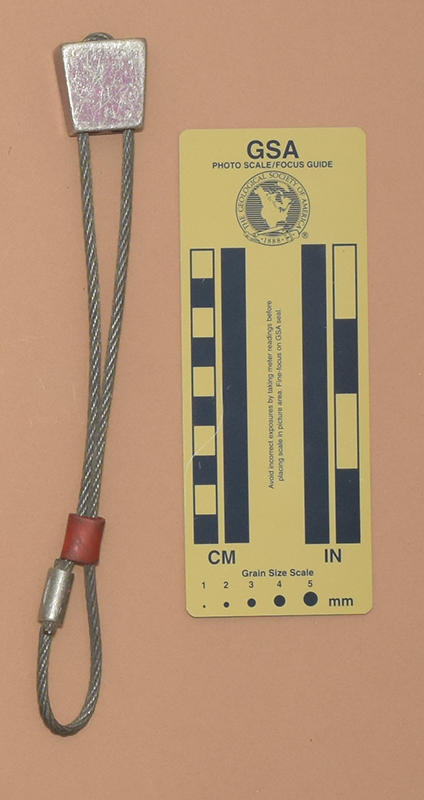 | 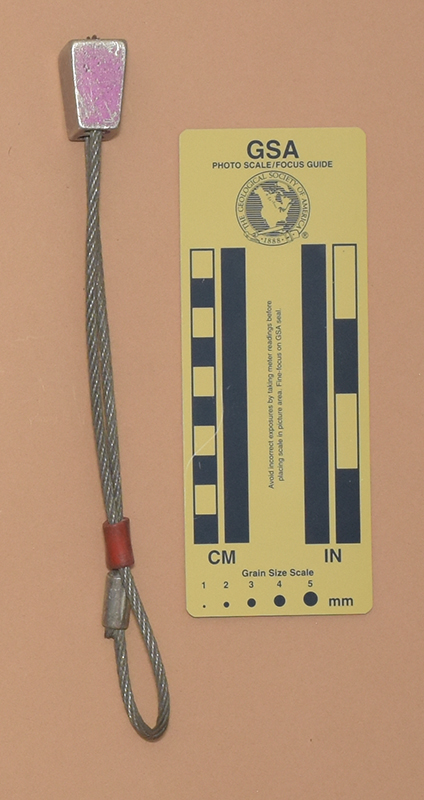 |
↑ 858: Simoond Stopper; #8
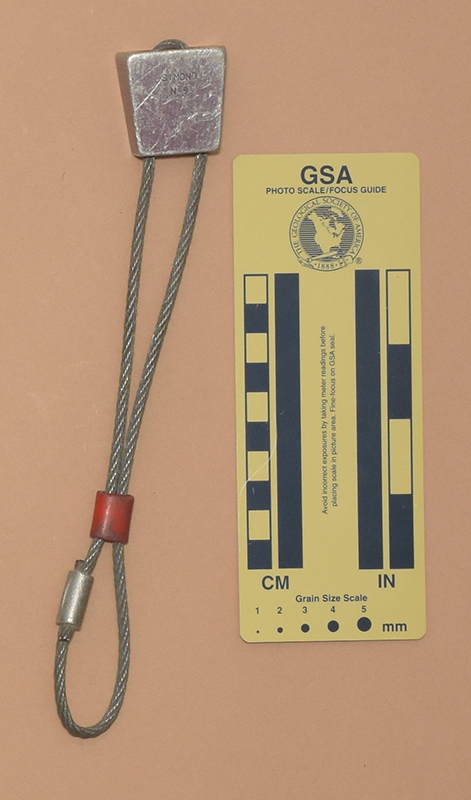 | 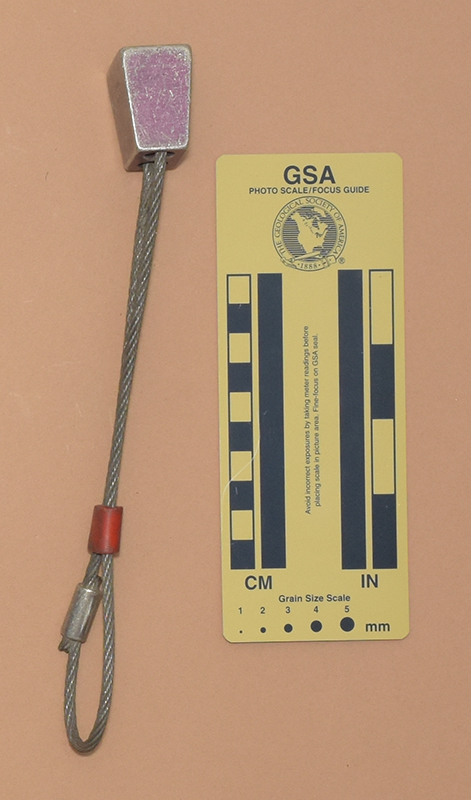 | 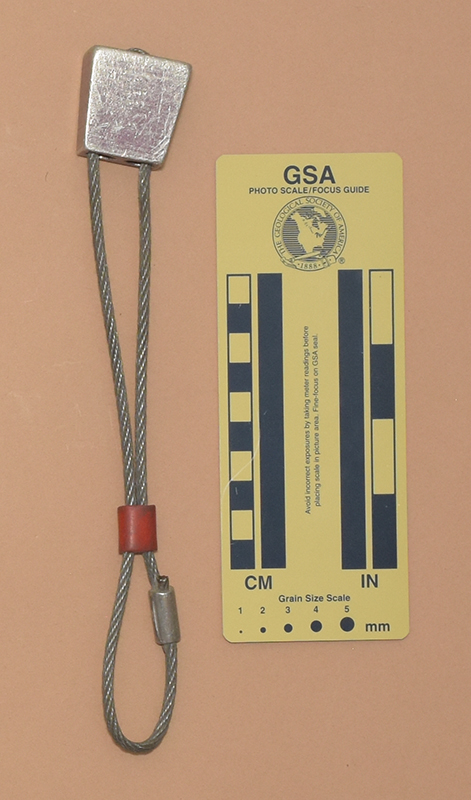 | 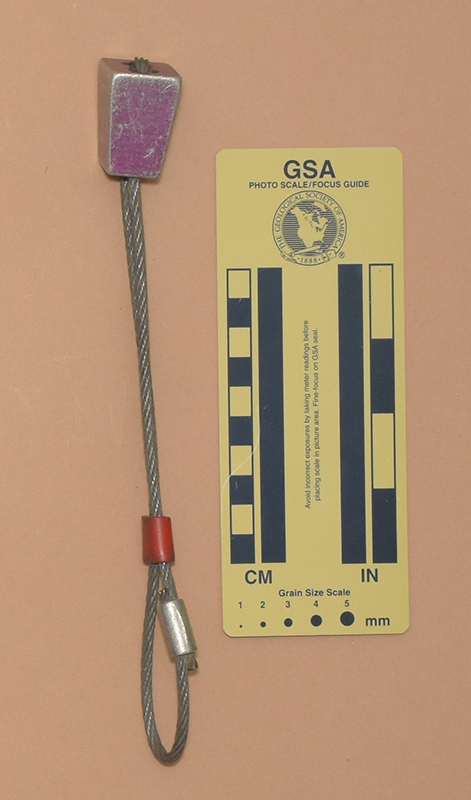 |
↑ 859: Simoond Stopper; #9
 |  |  |  |
↑ 021: Simond BMC (Bicoin Multidirectionnel avec Câble); #5
 |  |
↑ Set 296, 1428: Simond Multicoins; #2–#3
 |  |  |  |
↑ 596: Simond Multicoin; #2
I have two #3 Simond Multicoins. This size (and this size only) has internal features for using it as a descender. I further describe the Simond Multicoin #3 as one of my Miscellaneous Descenders.

 |  |  |  |
↑ 1428: Simond Multicoin; #3
 |  |  |  |
↑ 1458: Simond Multicoin; #3
Simond's Polycoins gave a very nice nesting feature that allows stacking them for wider cracks. In our testing the stacking worked very well. We thought this idea was excellent and wonder why it never became popular.
 |  |  |  |
↑ Set 097-097: Simond Polycoins
 |  |  |  |
↑ 097: Simond Polycoin; #4
 |  |  |  |
↑ 098: Simond Polycoin; #5
 |  |  |  |
↑ 099: Simond Polycoin; #6