
Yvon Chouinard bought a second-hand coal-fired forge in 1957, and started making hardened steel pitons under the Great Pacific Iron Works name. Their success led him to form Chouinard Equipment, Ltd. He partnered with Tom Frost, and they moved their operation to Ventura California in 1967. The Chouinard product line expanded into a wade variety of climbing and related outdoor gear. In 1971-1972, they introduced Hexentrics and Stoppers. Frost left the operation in 1977, and his name was removed from ice axes and other products that had born the CBouinard-Frost name.
In 1968, during a trip to Italy to participate in the Trento Mountain Film Festival, Chouinard visited the CAMP factory in Premana with Hermann Huber (Salewa). Following this visit, an agreement was reached for CAMP to manufacture ice axes, pitons, Hexentrics and Stoppers for Chouinard (and later Black Diamond). This equipment was sold by CAMP with the double marking of the logos CHOUINARD and CAMP and, through 1980, the additionale logo of the INTERALP sales agent. All Chouinard equipment marked "Made in Italy" or "Italy" was manufactured by CAMP.
In 1989, Chouinard Equipment was facing a liability lawsuit. Chouinard had to separate the liability of Chouinard Equipment from the deep pockets of Patagonia, which he had founded in 1973. Chouinard Equipment filed for Chapter 11 bankruptcy to protect the firm's assets. The lawsuit ultimately went nowhere. Peter Metcalf, Maria Cranor and former Chouinard Equipment employees purchased the company assets in 1989, formed Black Diamond Equipment Ltd., and moved the firm to Salt Lake City Utah.
 |  |
↑ Set 083-087: Chouinard Crack'N–Ups; #2–#6
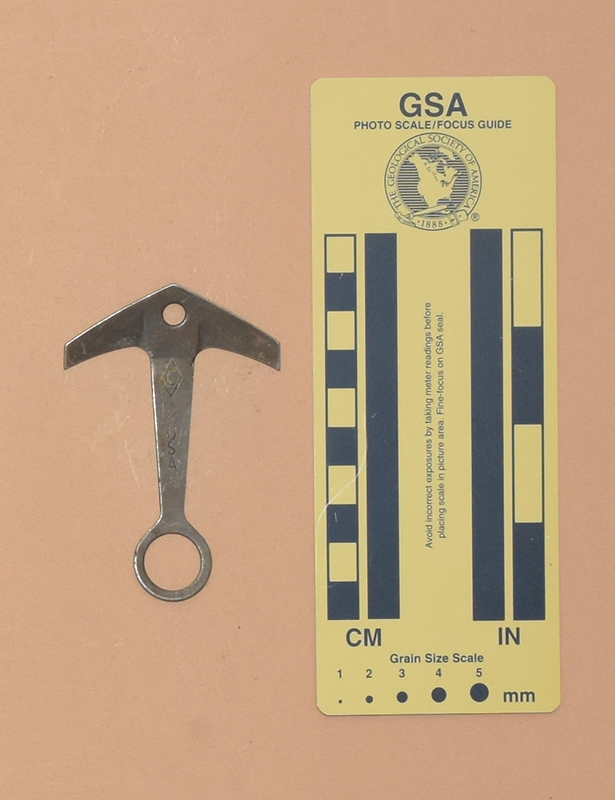 | 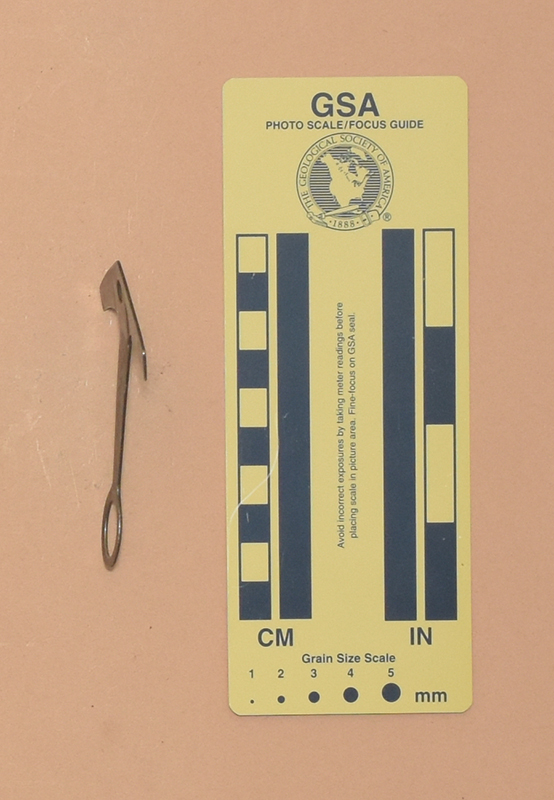 | 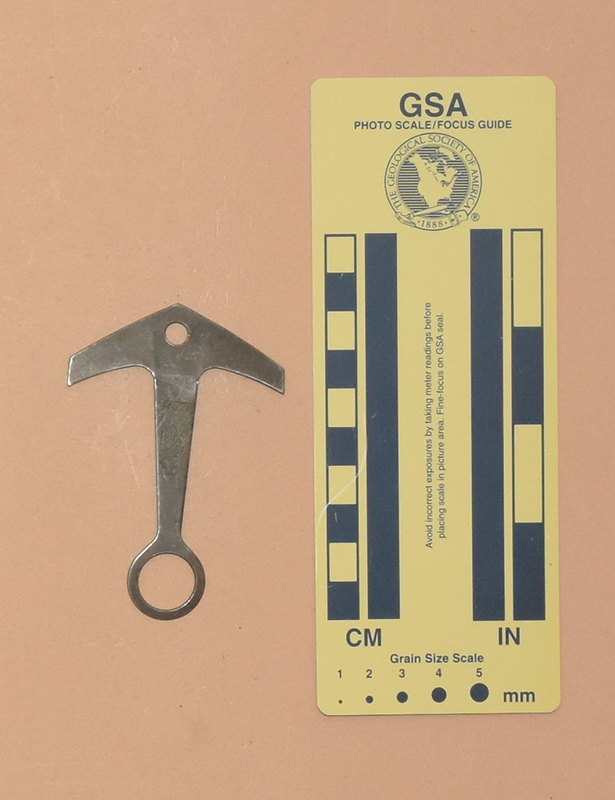 | 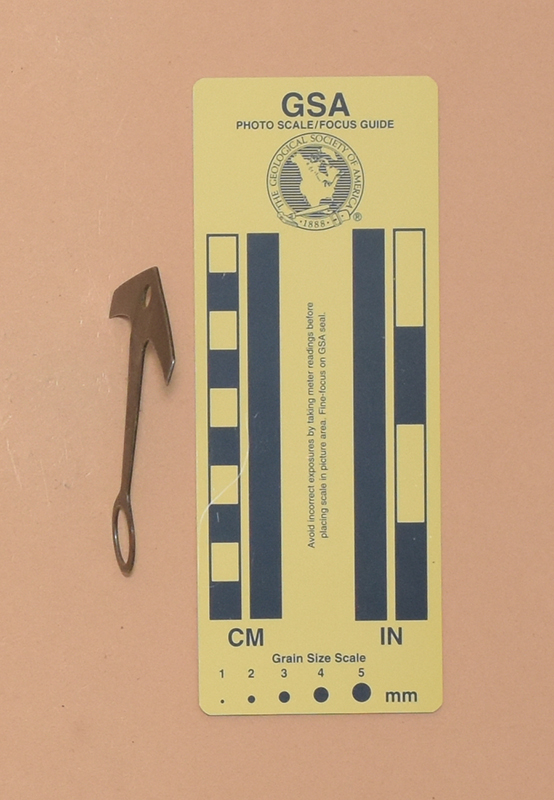 |
↑ 083: Chouinard Crack'N–Up; #2
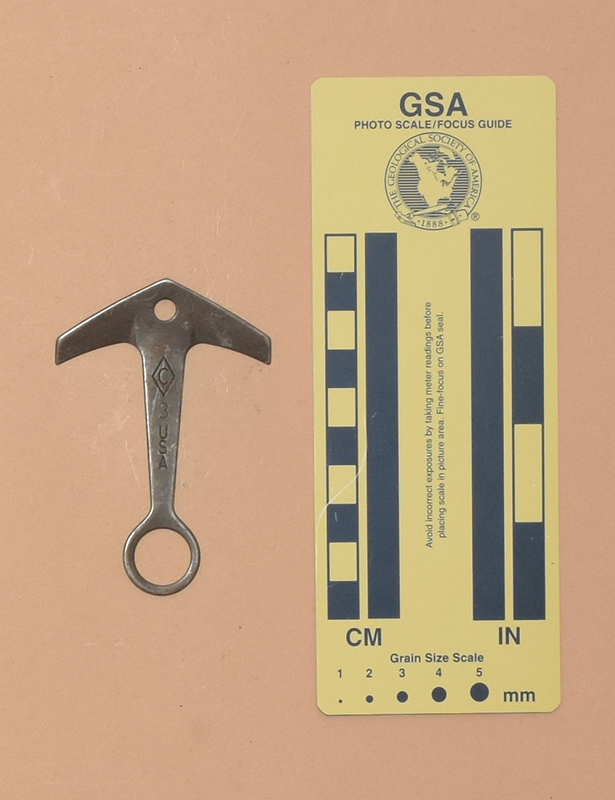 | 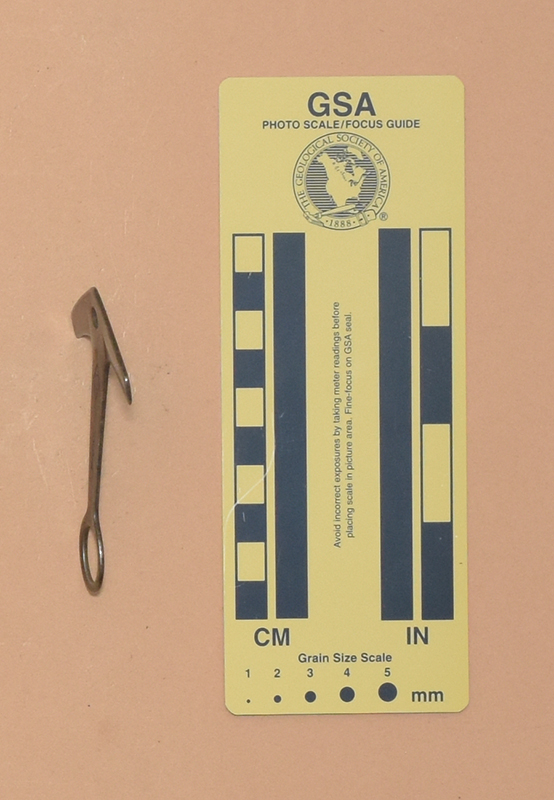 | 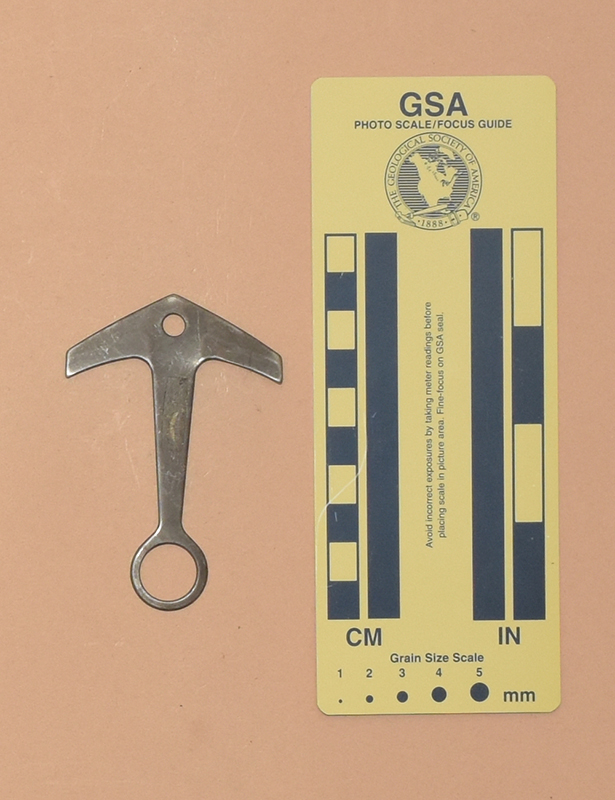 | 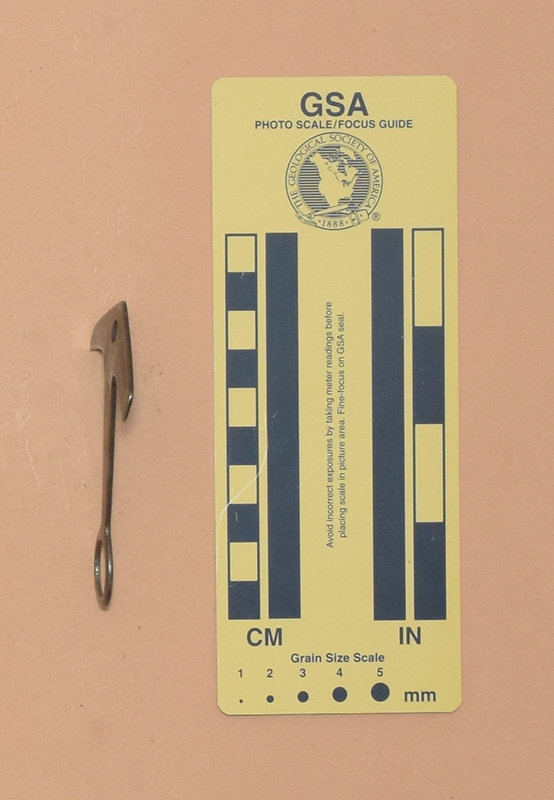 |
↑ 084: Chouinard Crack'N–Up; #3
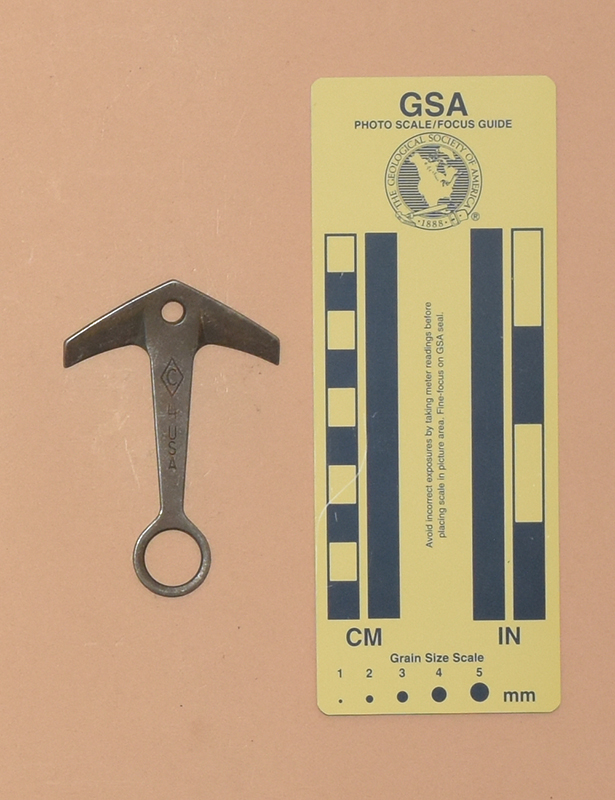 | 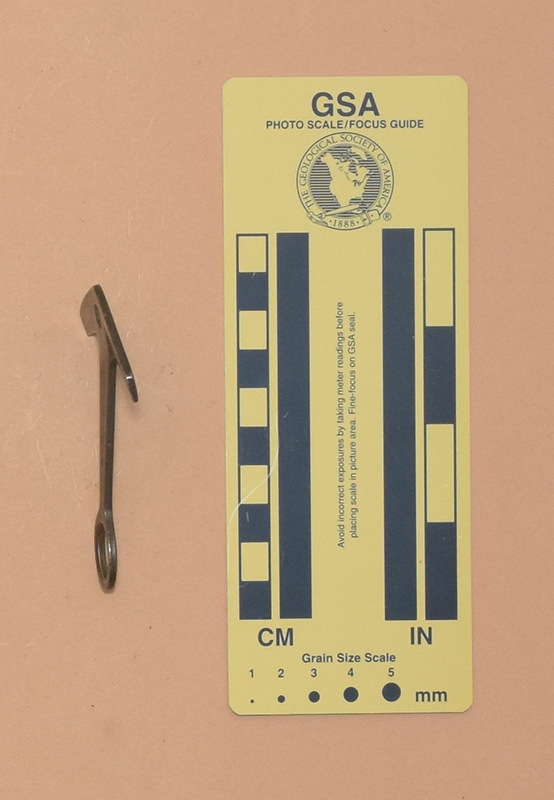 | 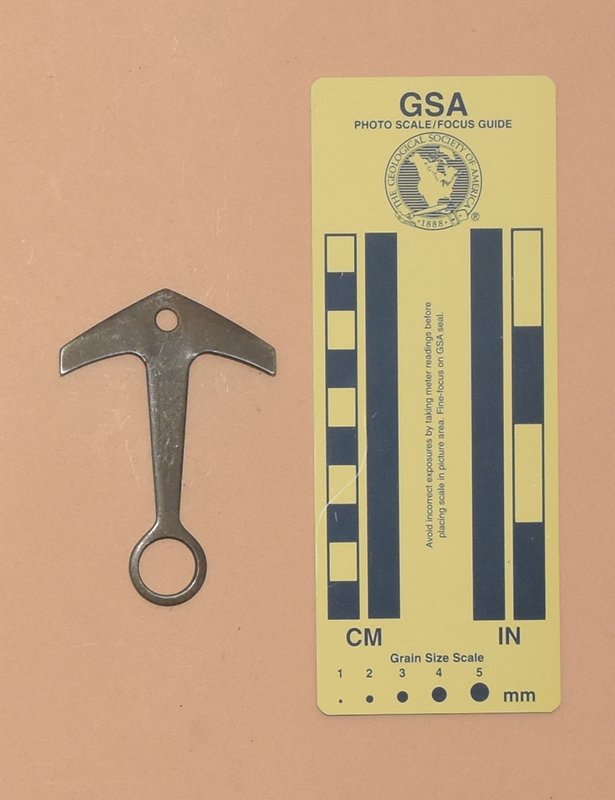 | 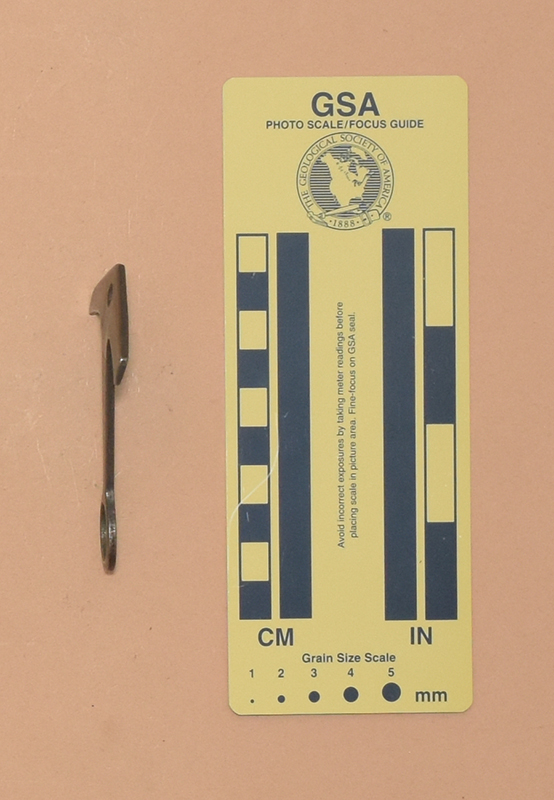 |
↑ 085: Chouinard Crack'N–Up; #4
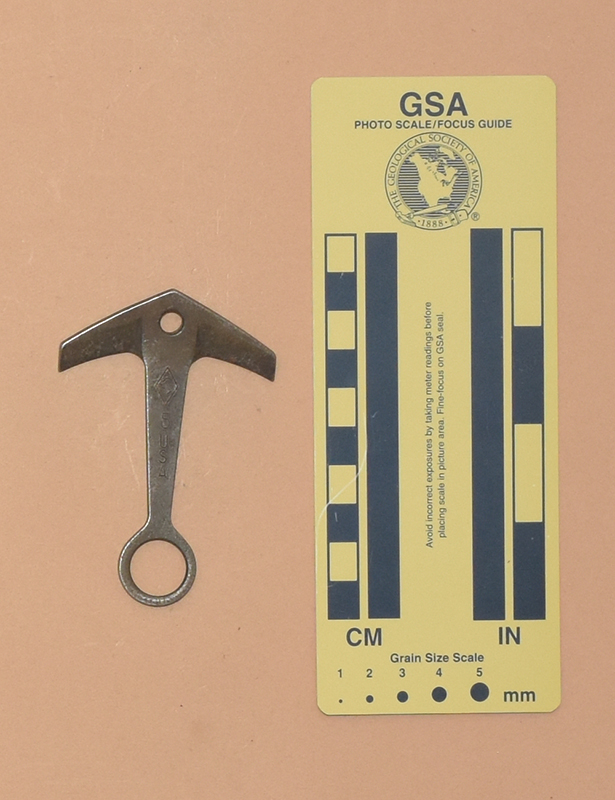 | 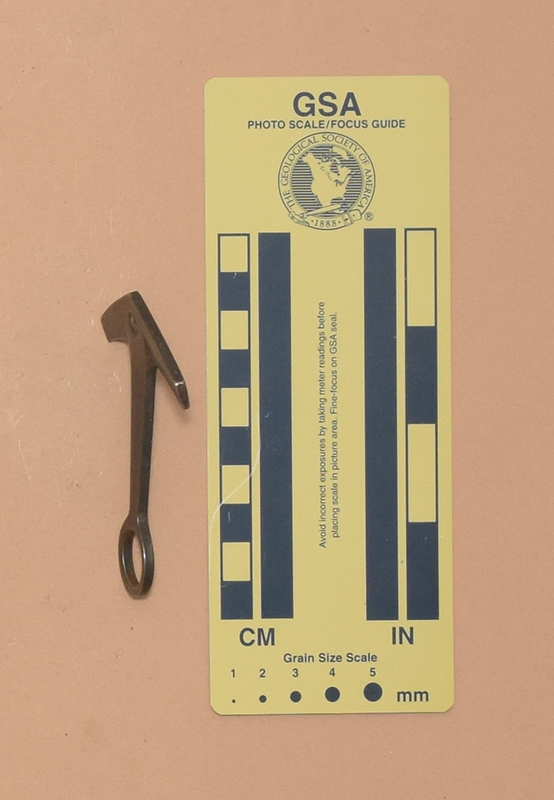 | 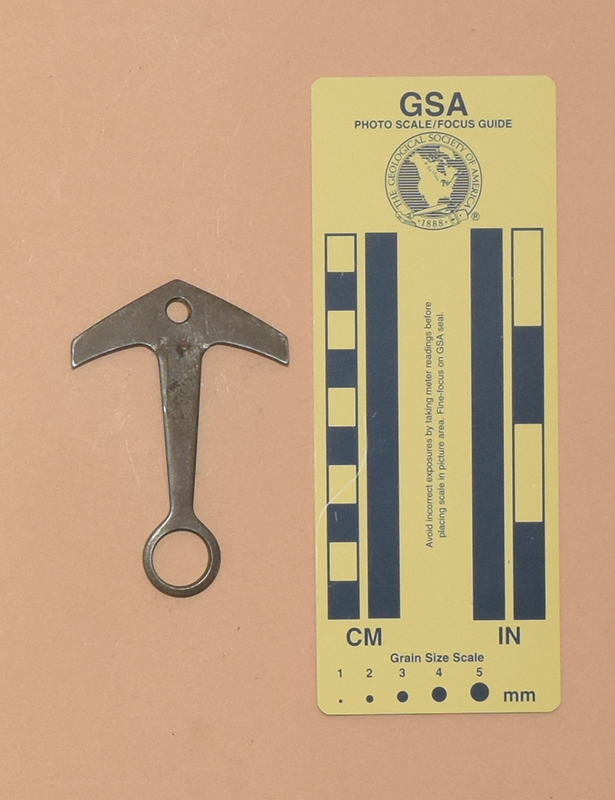 | 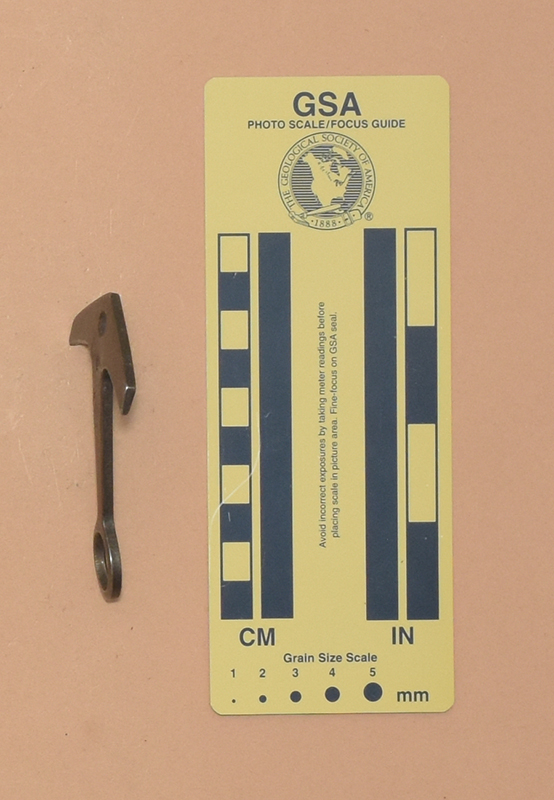 |
↑ 086: Chouinard Crack'N–Up; #5
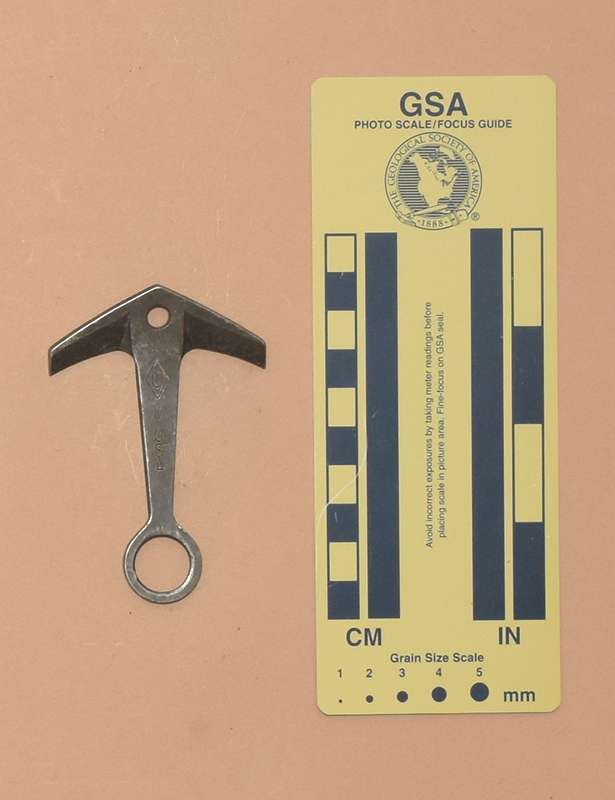 | 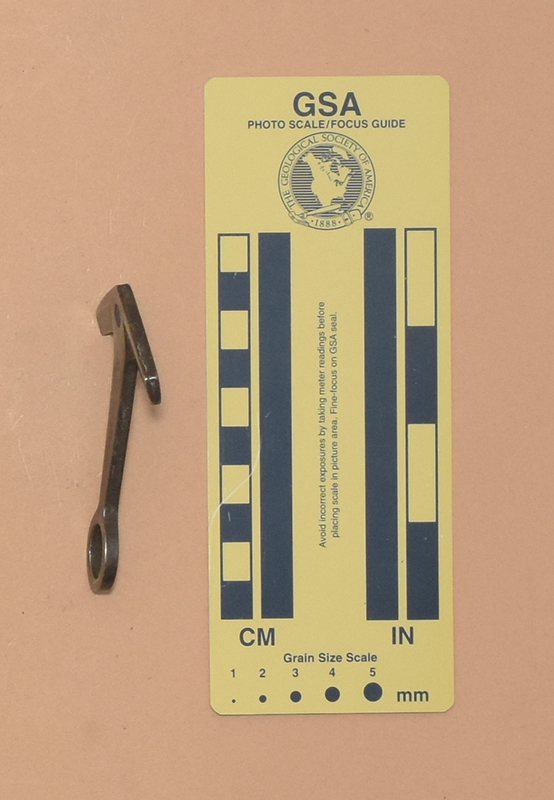 | 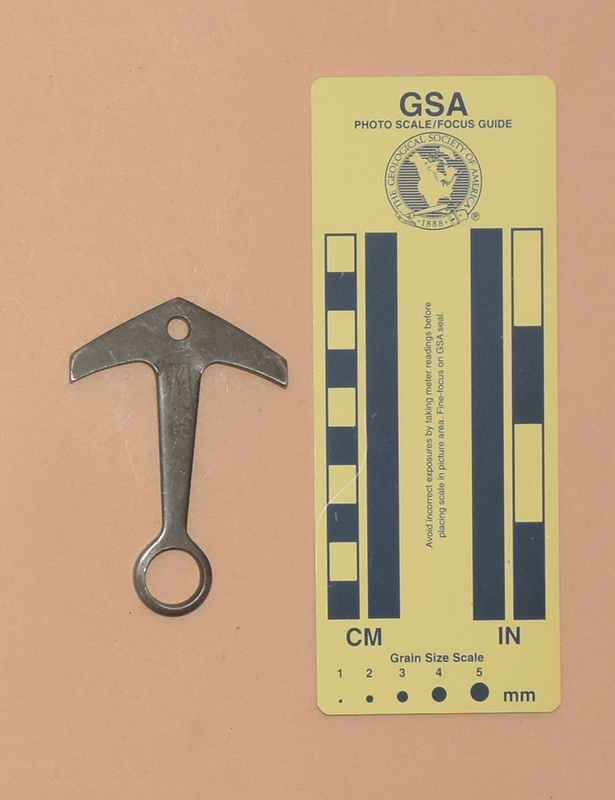 | 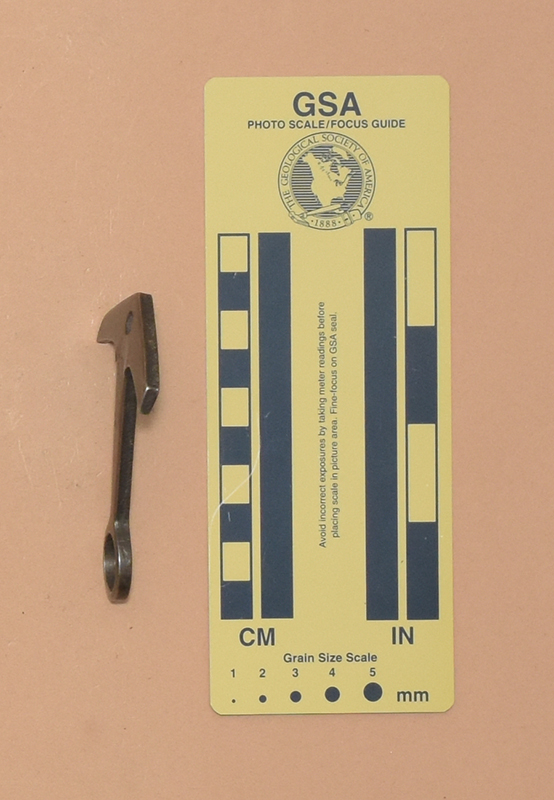 |
↑ 087: Chouinard Crack'N–Up; #6
 |
↑ Set 272-277: Chouinard Wired Stoppers
 |  |
↑ 272: Chouinard Wired Stopper
 |  |
↑ 273: Chouinard Wired Stopper
 |  |
↑ 274: Chouinard Wired Stopper
 |  |
↑ 275: Chouinard Wired Stopper
 |  |
↑ 276: Chouinard Wired Stopper
 |  |
↑ 277: Chouinard Wired Stopper
 |  |  |
↑ Set 327-331: Chouinard Wired Stopper
 |  |  |
↑ 327: Chouinard Wired Stopper
 |  |  |
↑ 328: Chouinard Wired Stopper
 |  |  |
↑ 329: Chouinard Wired Stopper
 |  |  |
↑ 330: Chouinard Wired Stopper
 |  |  |
↑ 331: Chouinard Wired Stopper
 |  |
↑ 149: Chouinard Stopper
 |  |  |  |
↑ 671: Chouinard Stopper
 |  |
↑ 150: Chouinard Stopper
 |  |
↑ 151: Chouinard Stopper
 |  |
↑ 317: Chouinard Stopper
 |  |
↑ 152: Chouinard Stopper
 |  |  |  |
↑ 153: Chouinard Stopper
 |  |
↑ 318: Chouinard Stopper
 |  |
↑ Set 063-065: Chouinard Stoppers
 |  |
↑ 063: Chouinard Stopper
 |  |
↑ 064: Chouinard Stopper
 |  |
↑ 065: Chouinard Stopper
 |  |
↑ Set 278-280: Chouinard Wired Hexentrics
 |  |
↑ 278: Chouinard Wired Hexentric
 |  |
↑ 279: Chouinard Wired Hexentric
 |  |
↑ 280: Chouinard Wired Hexentric
I place Chouinard Hexentrics into one of four generations:
Yvon Chouinard and Tom Frost improved on earlier regular hexagonal chocks when they introduced their Hexentrics in 1971. First-generation Hexentrics have a symmetric front-to-back profile easily seen by looking at their ends. The front/rear upper faces are about half the height of the lower faces, allowing the Hexentric to fit smaller cracks than a regular-hexagon profile would allow.
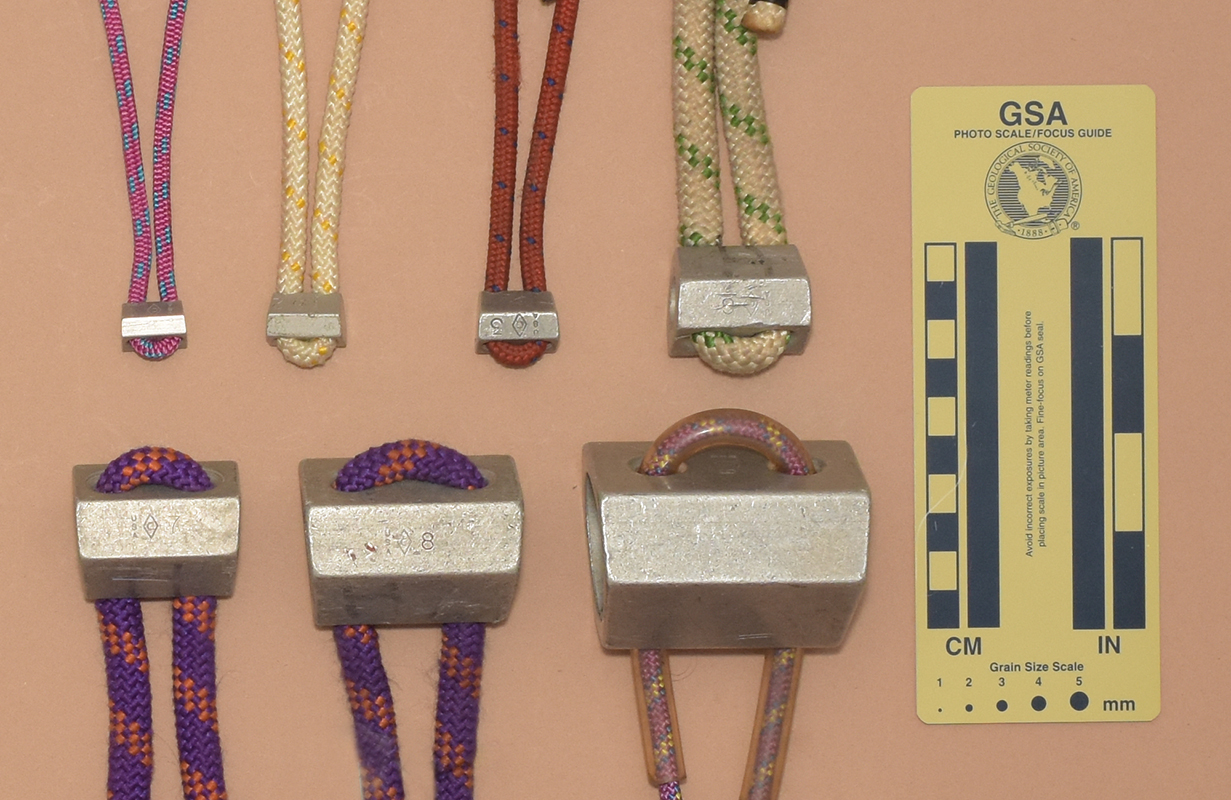 | 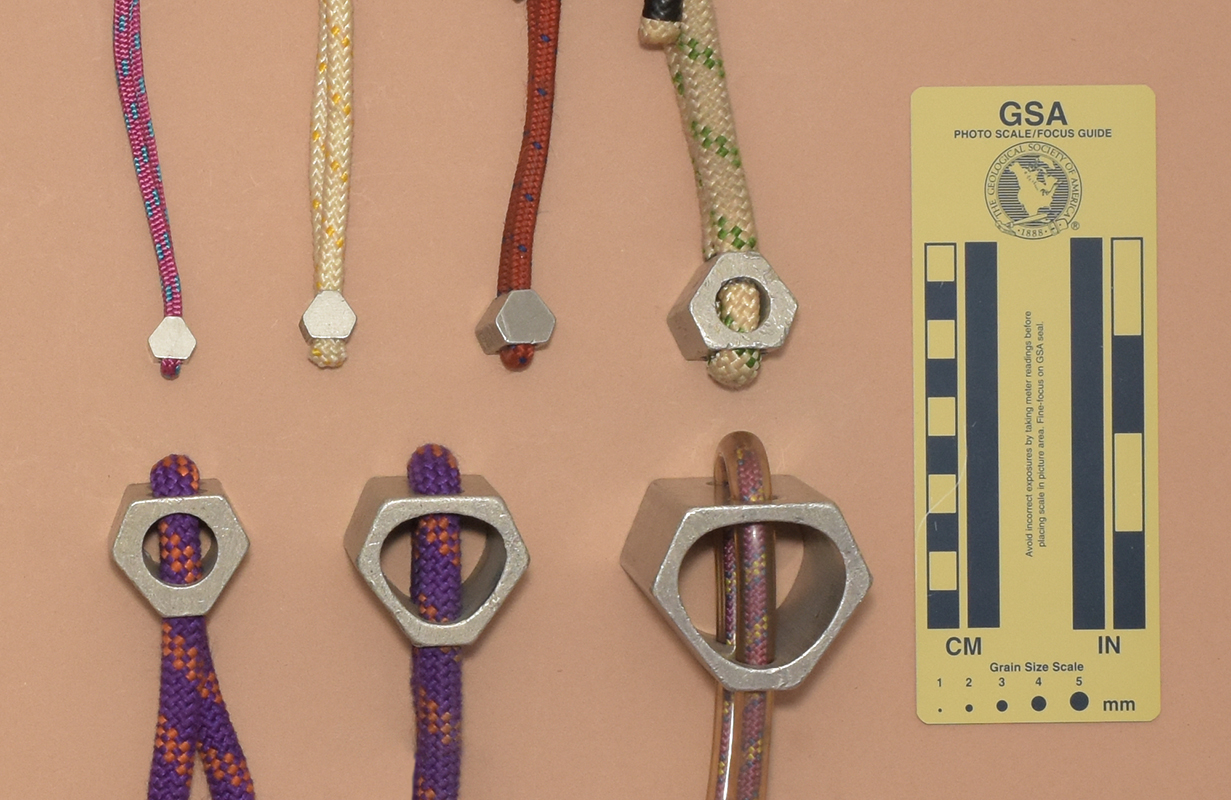 |
↑ Set 839, 815, 744, 824, 825, 826, 746: Chouinard Symmetric Hexentrics; #2, #3, #9
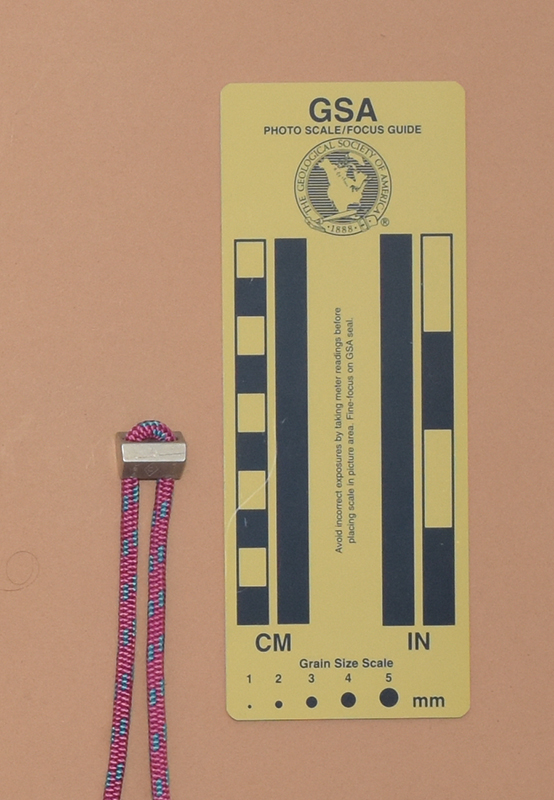 | 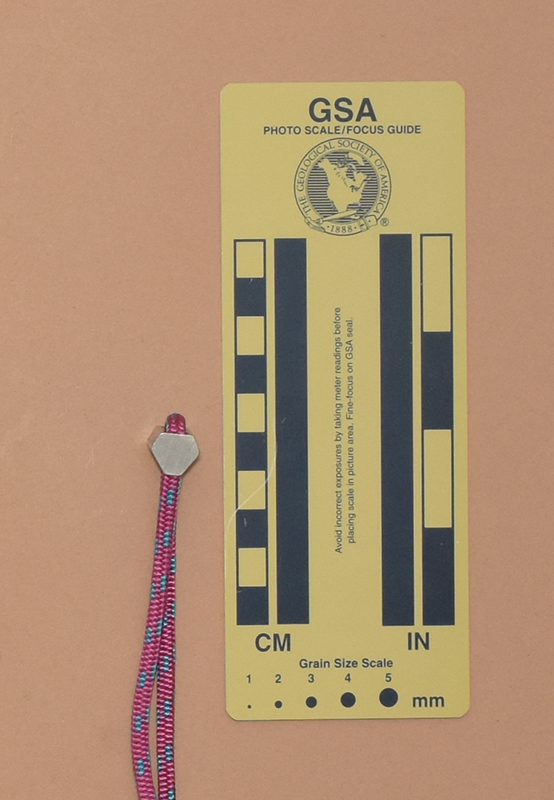 | 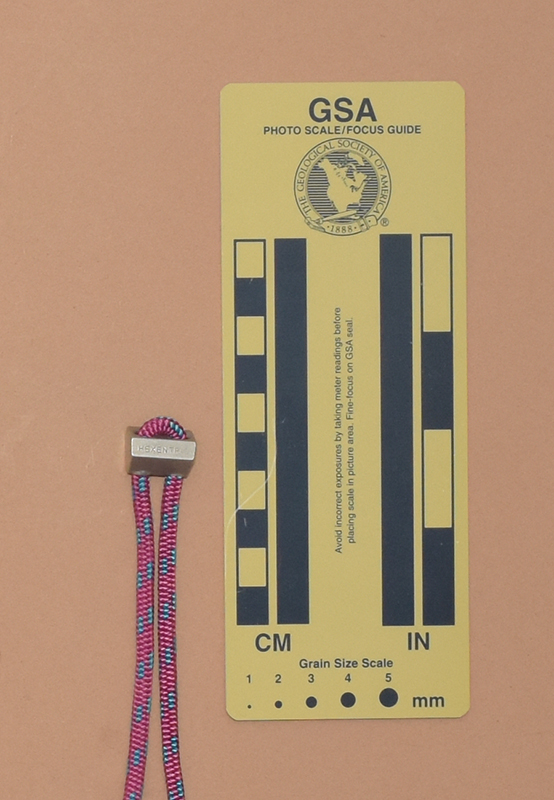 | 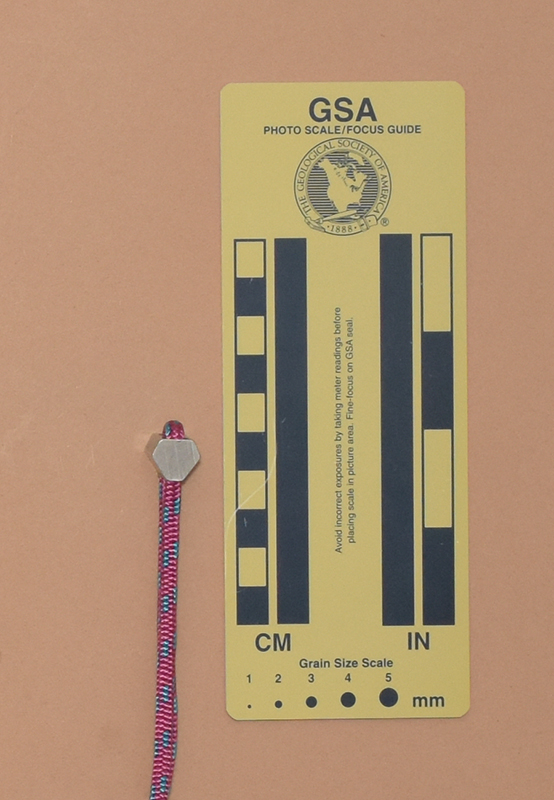 |
↑ 839: Chouinard Symmetric Hexentric; #1
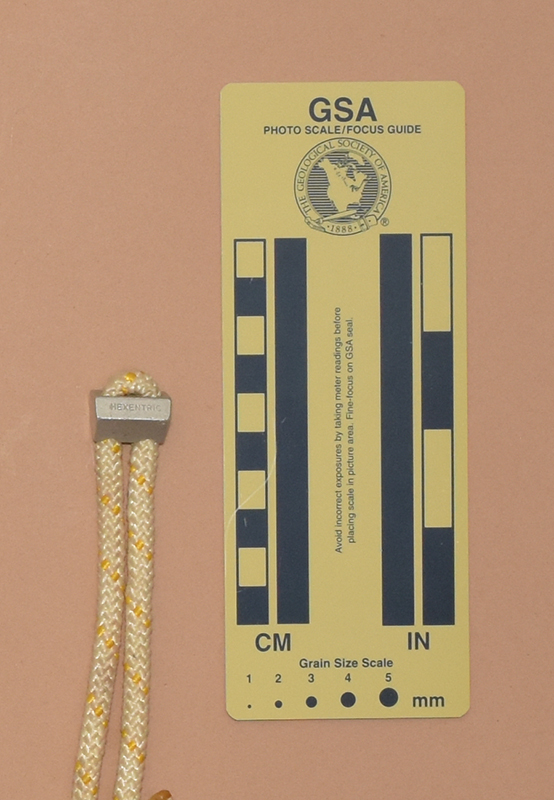 | 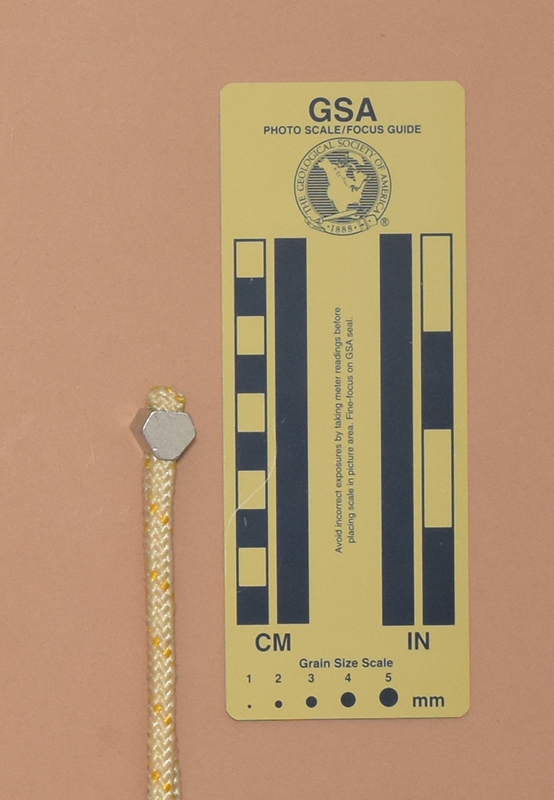 | 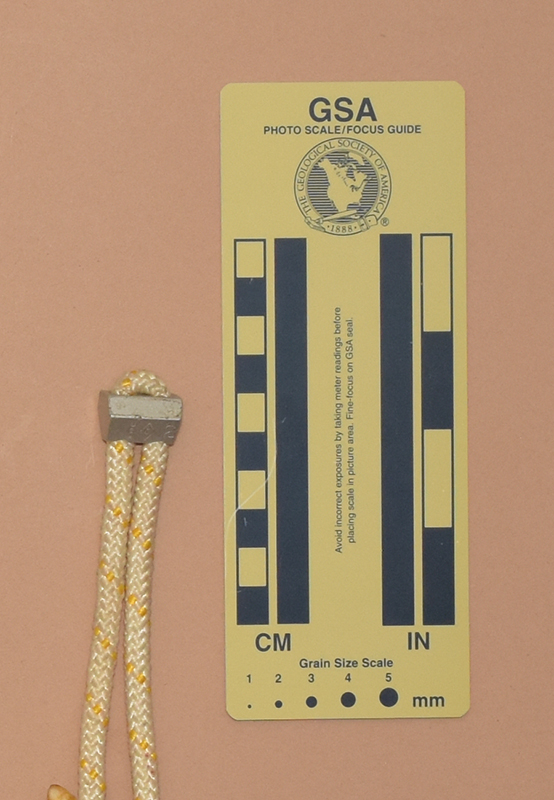 | 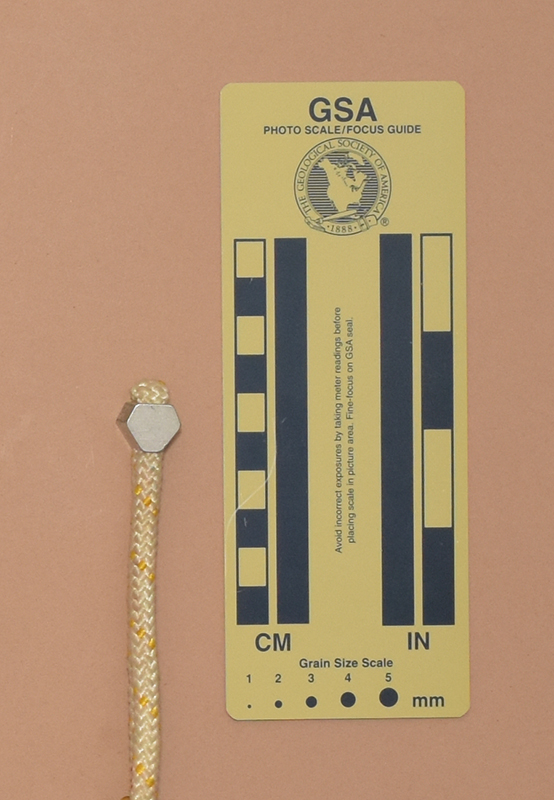 |
↑ 815: Chouinard Symmetric Hexentric; #2
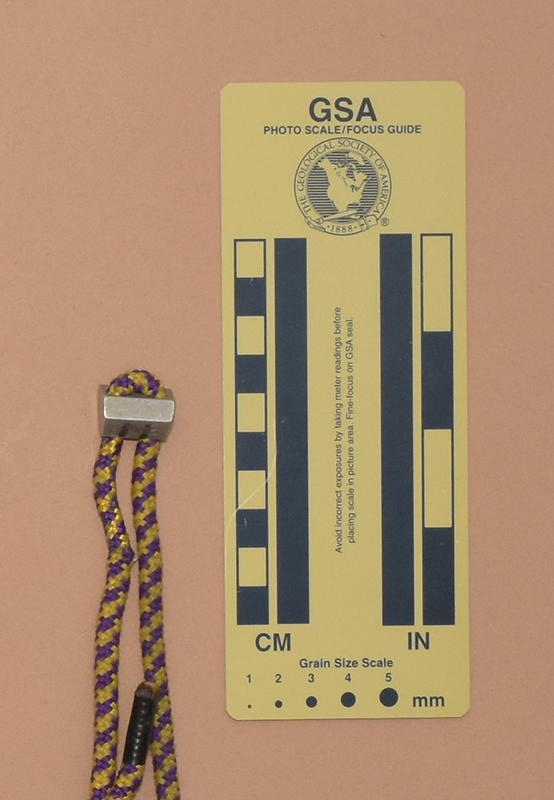 | 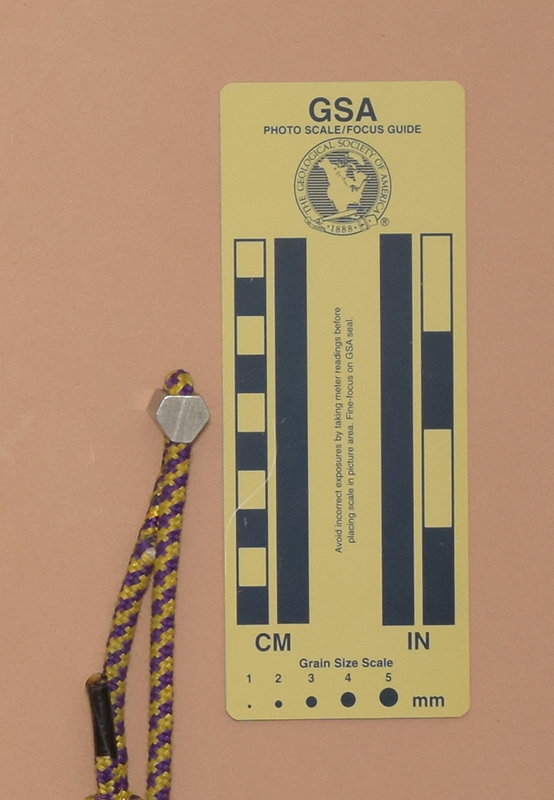 | 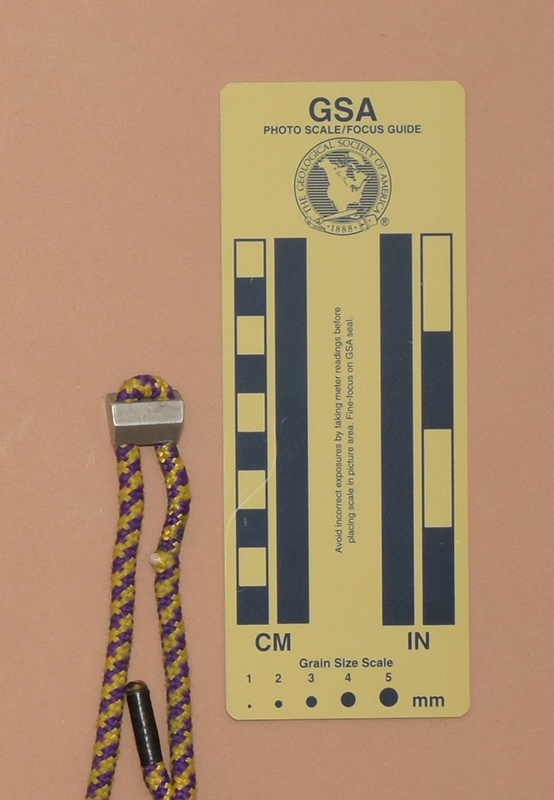 | 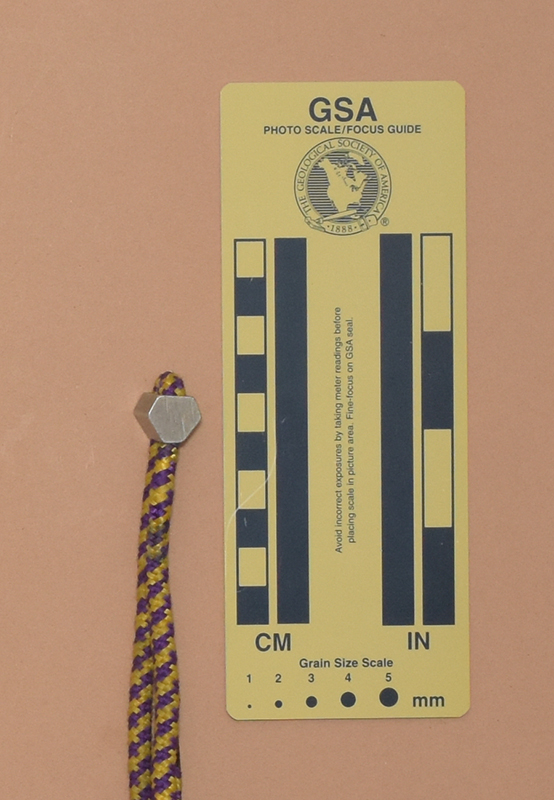 |
↑ 823: Chouinard Symmetric Hexentric; #2
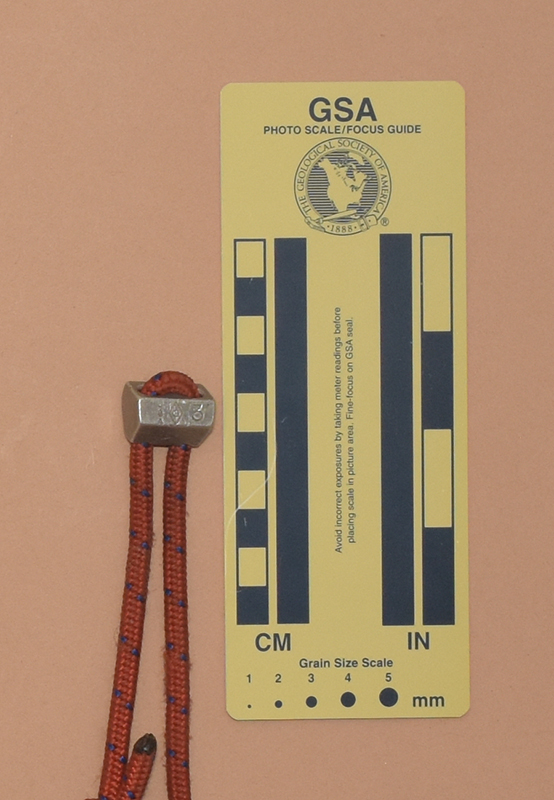 |  | 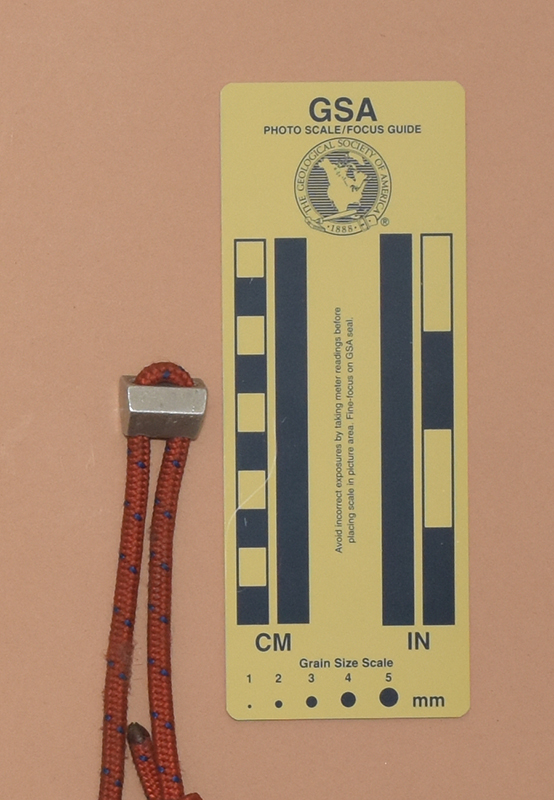 | 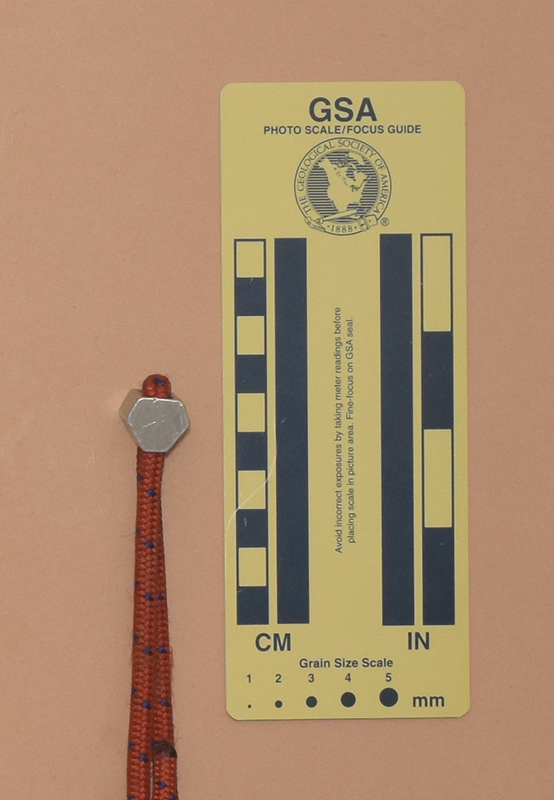 |
↑ 744: Chouinard Symmetric Hexentric; #3
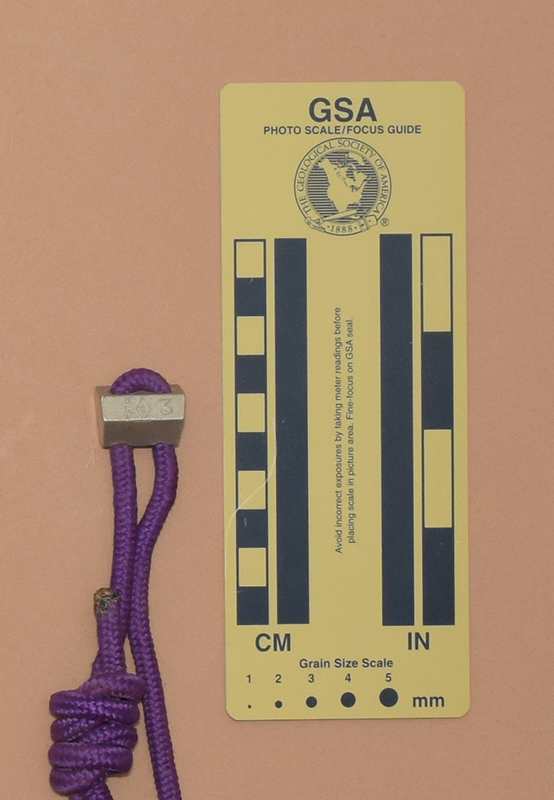 | 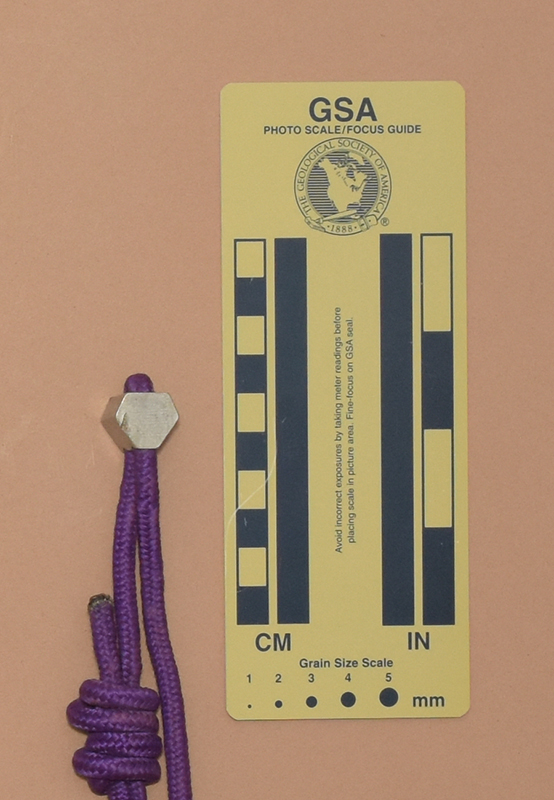 | 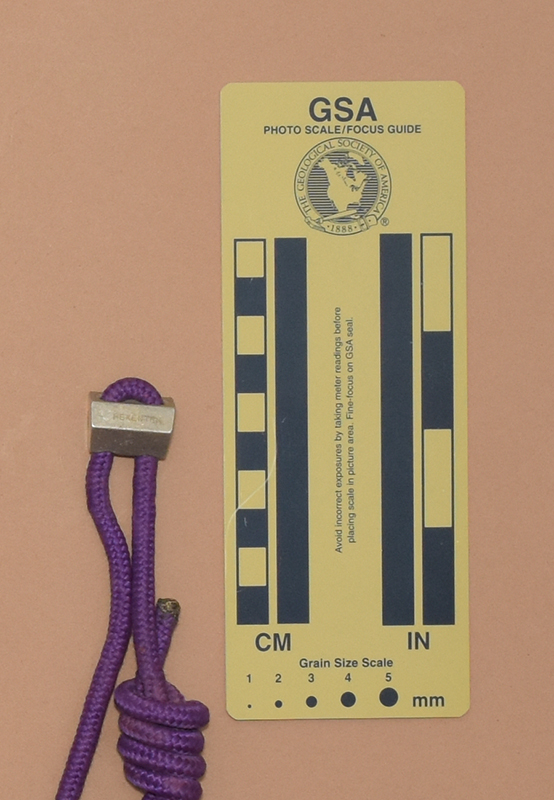 | 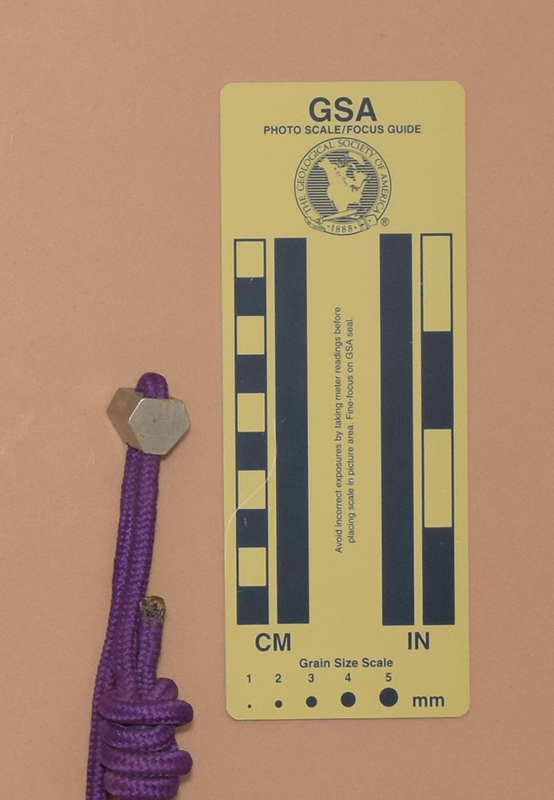 |
↑ 745: Chouinard Symmetric Hexentric; #3
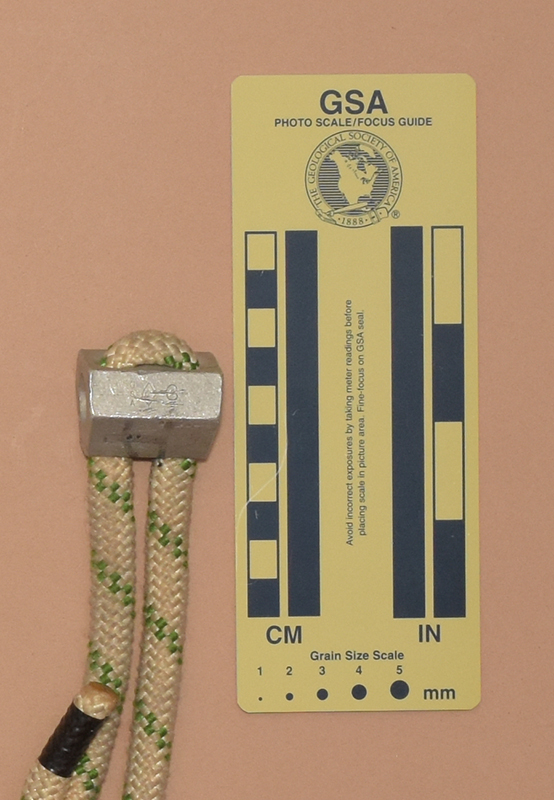 | 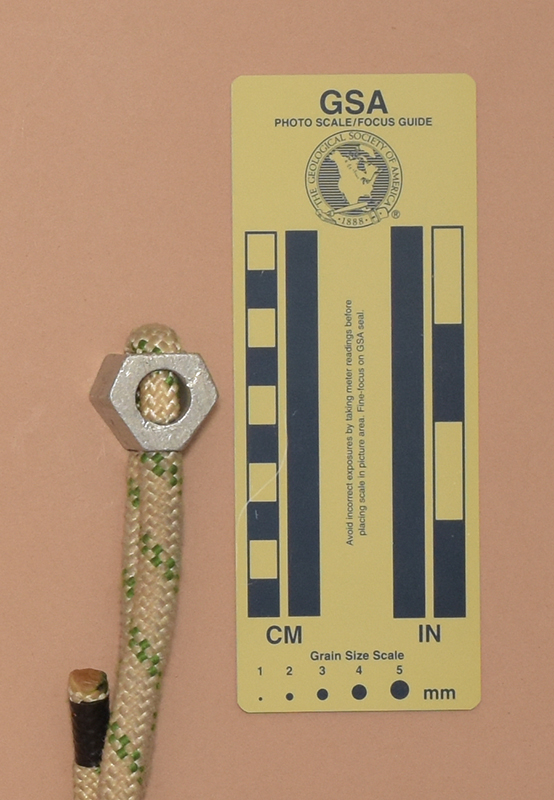 | 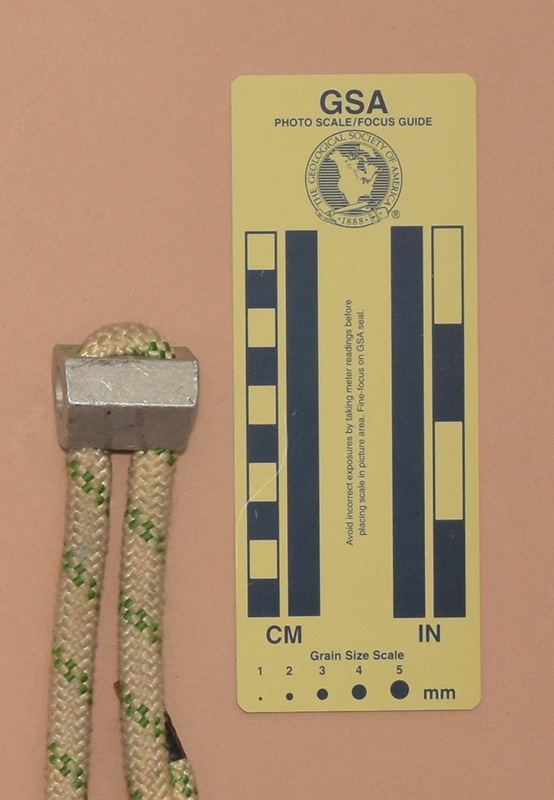 | 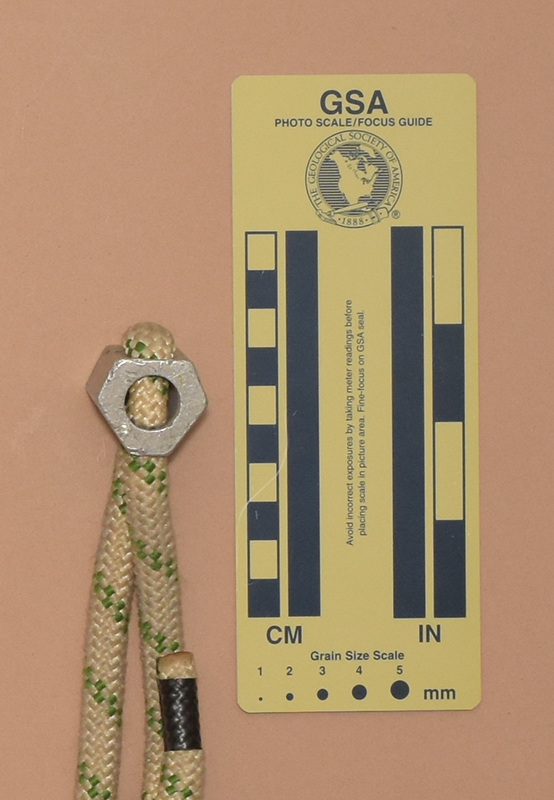 |
↑ 824: Chouinard Symmetric Hexentric; #6
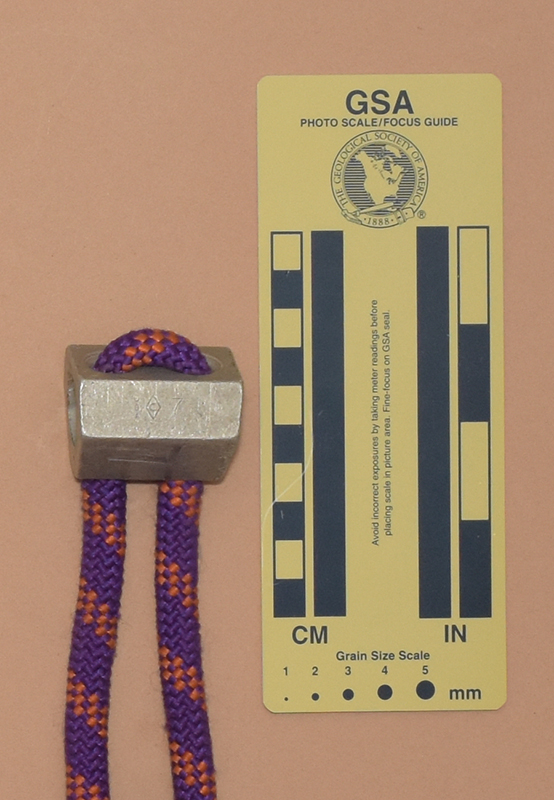 | 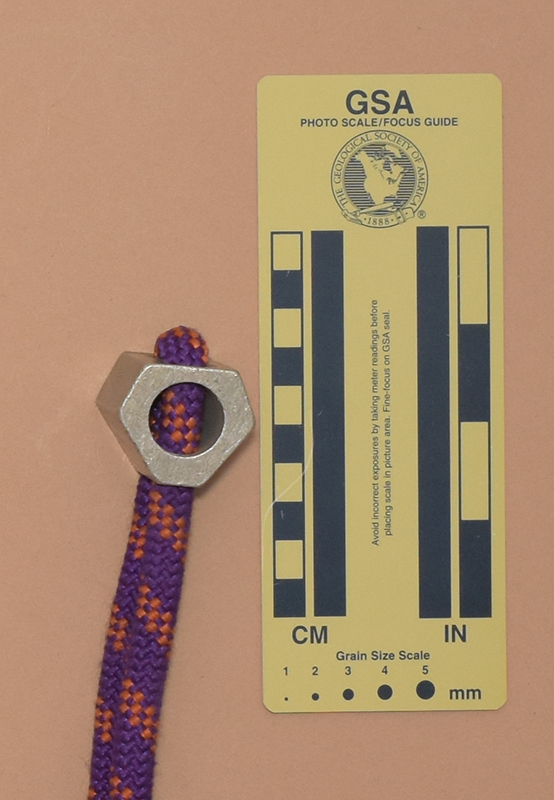 | 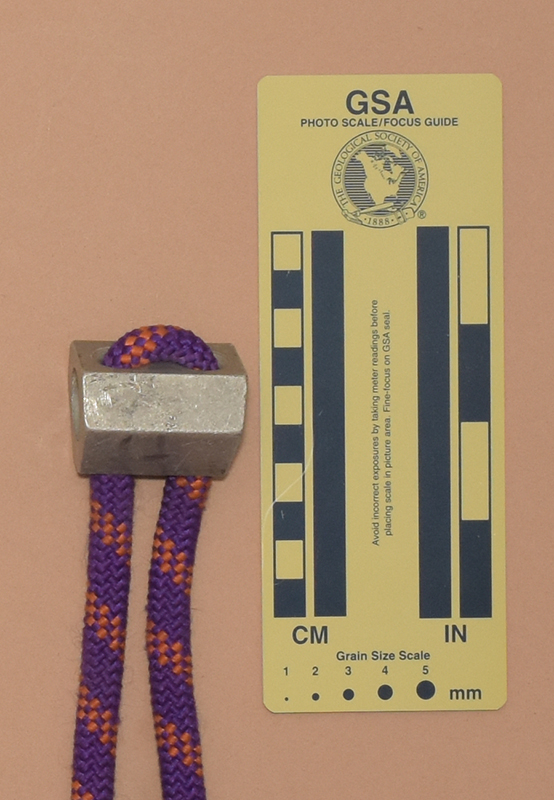 | 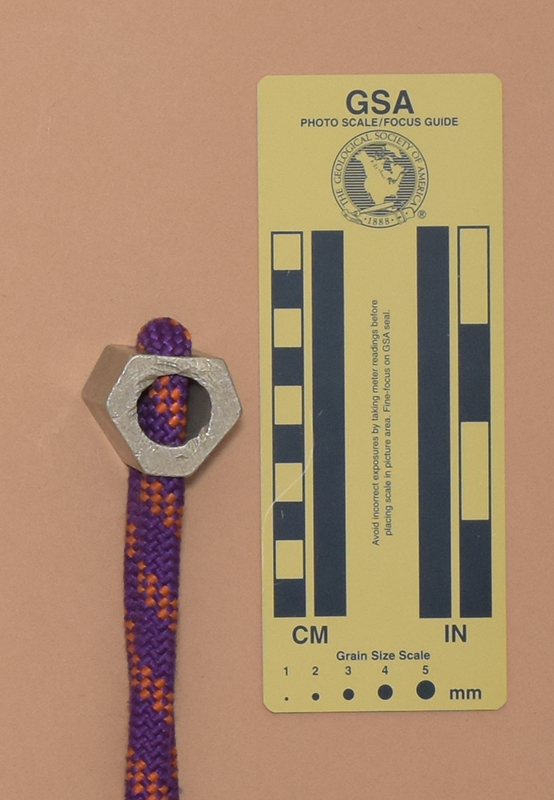 |
↑ 825: Chouinard Symmetric Hexentric; #7
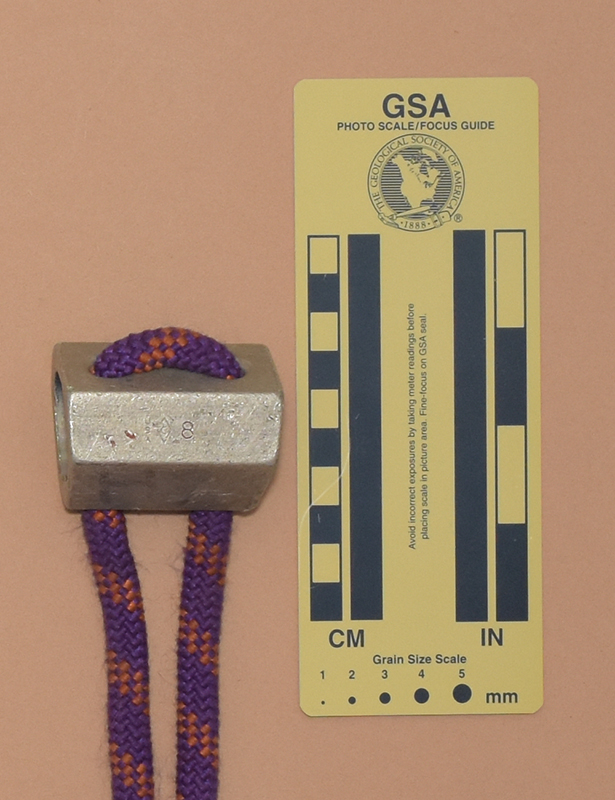 | 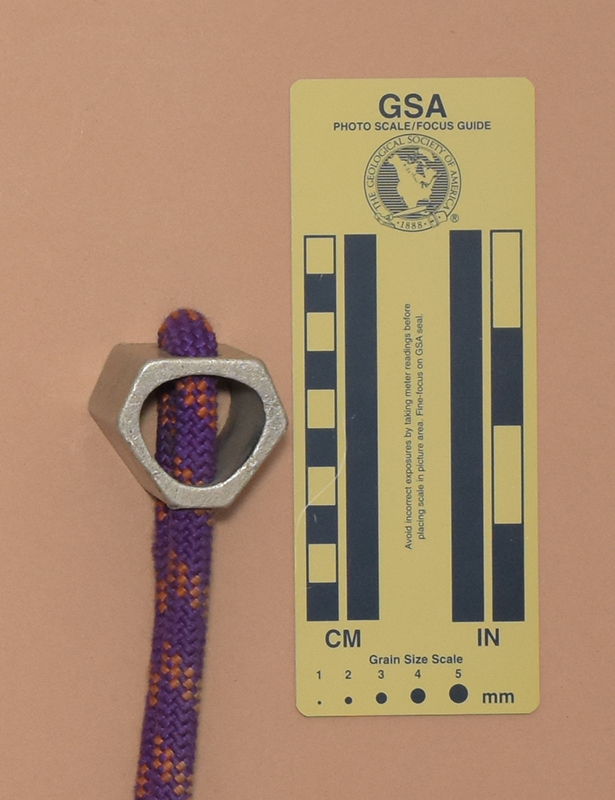 | 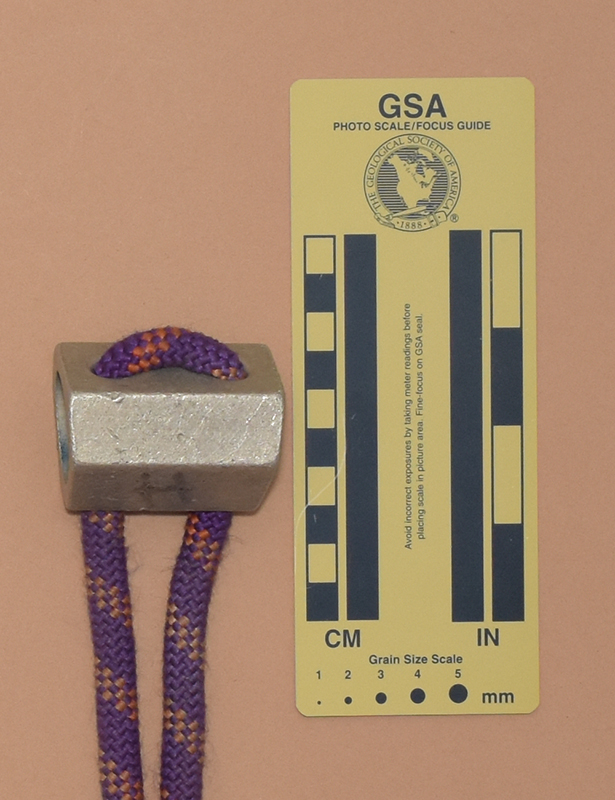 |  |
↑ 826: Chouinard Symmetric Hexentric; #8
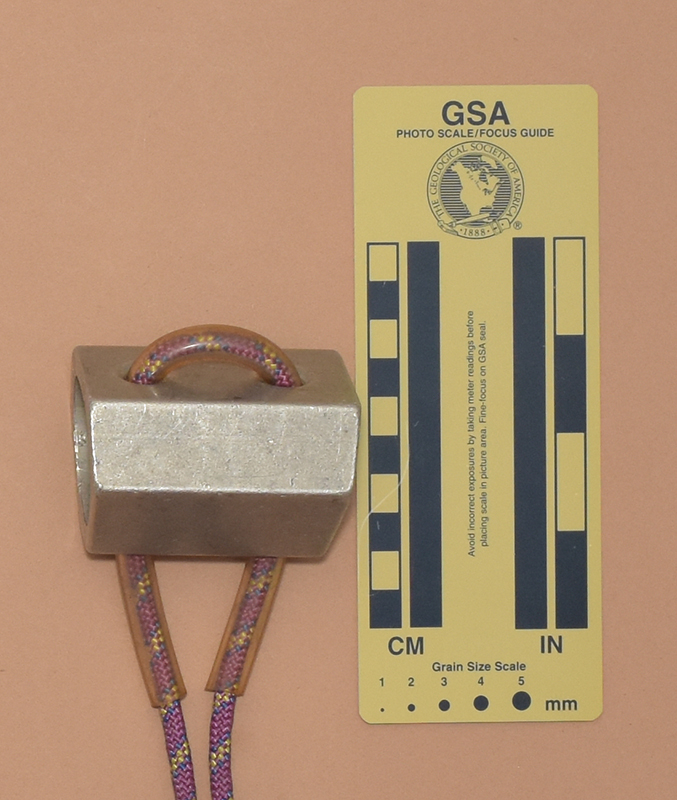 | 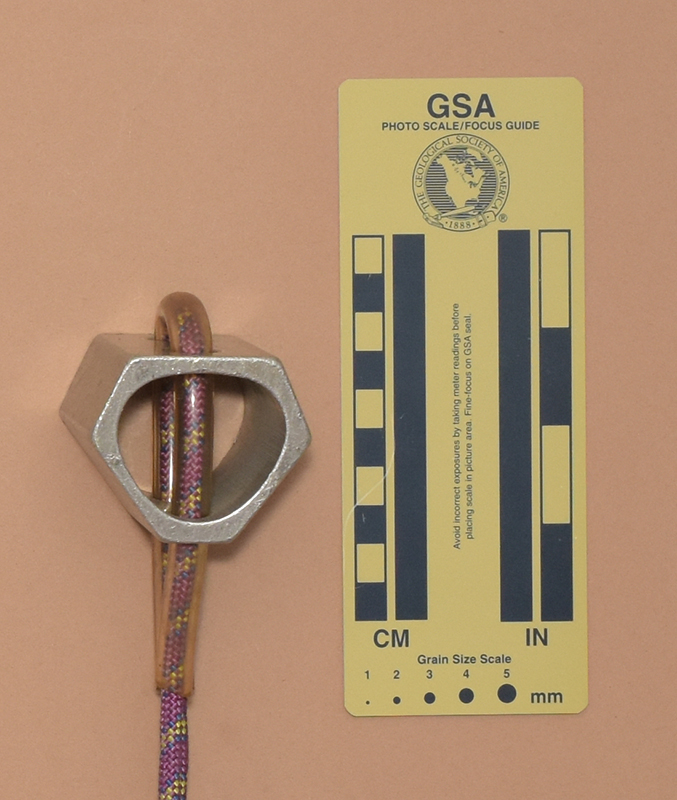 | 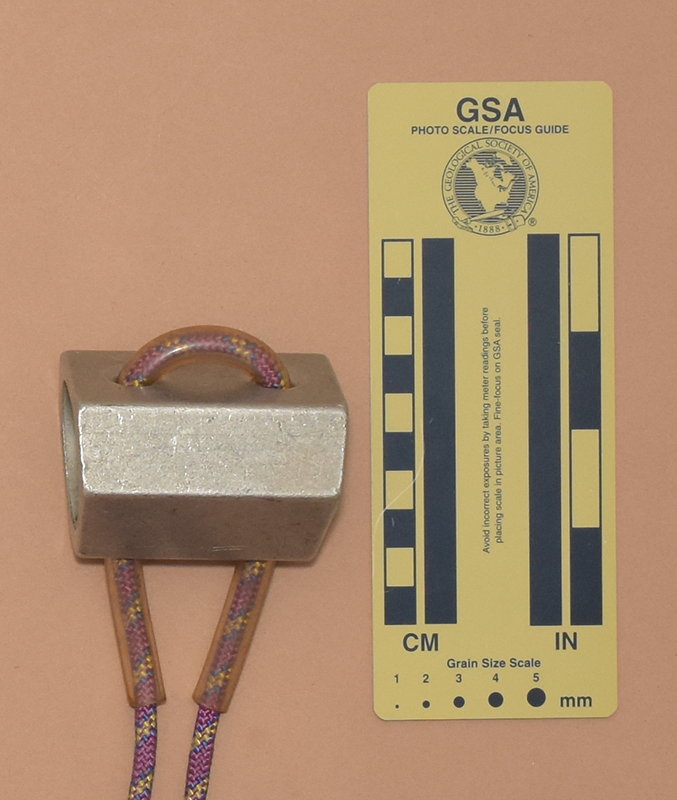 | 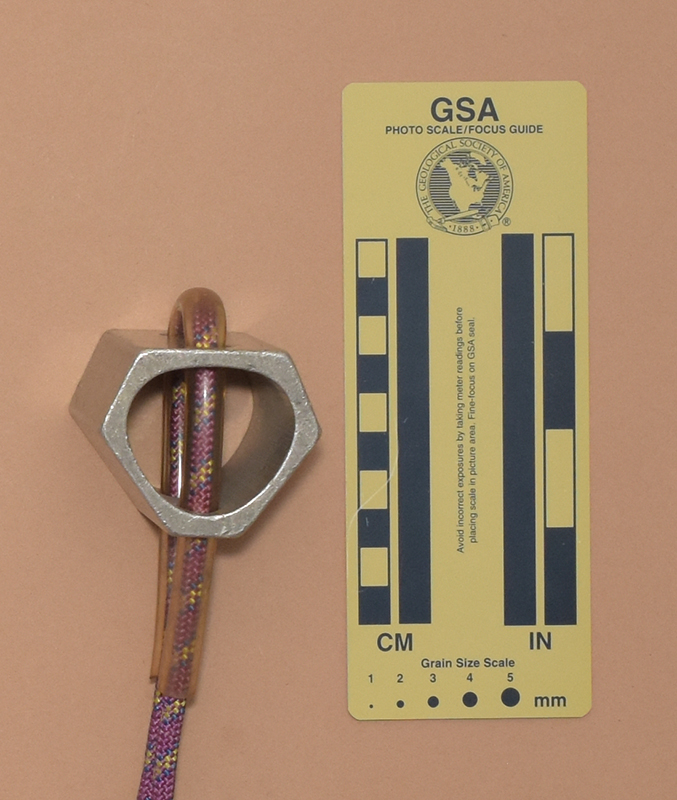 |
↑ 746: Chouinard Symmetric Hexentric; #9
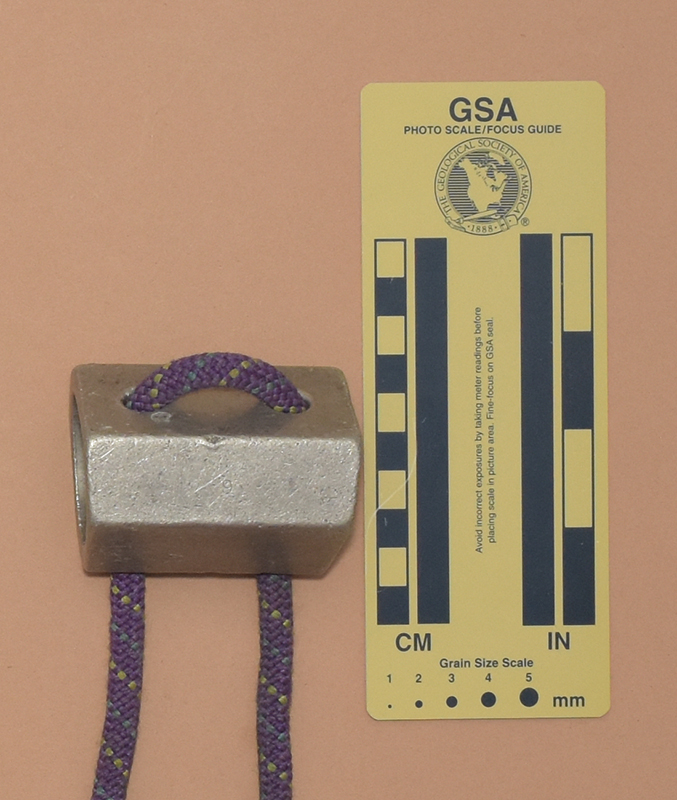 | 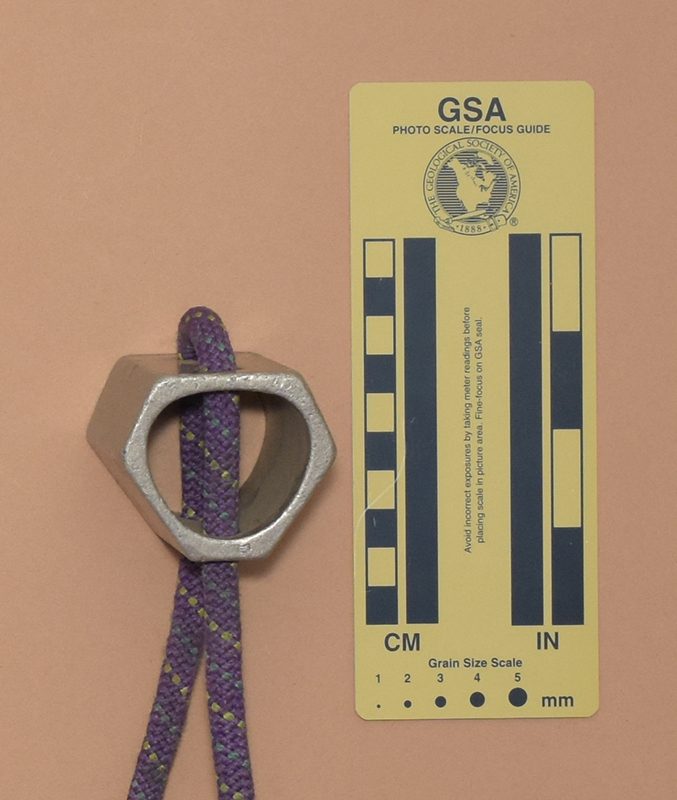 | 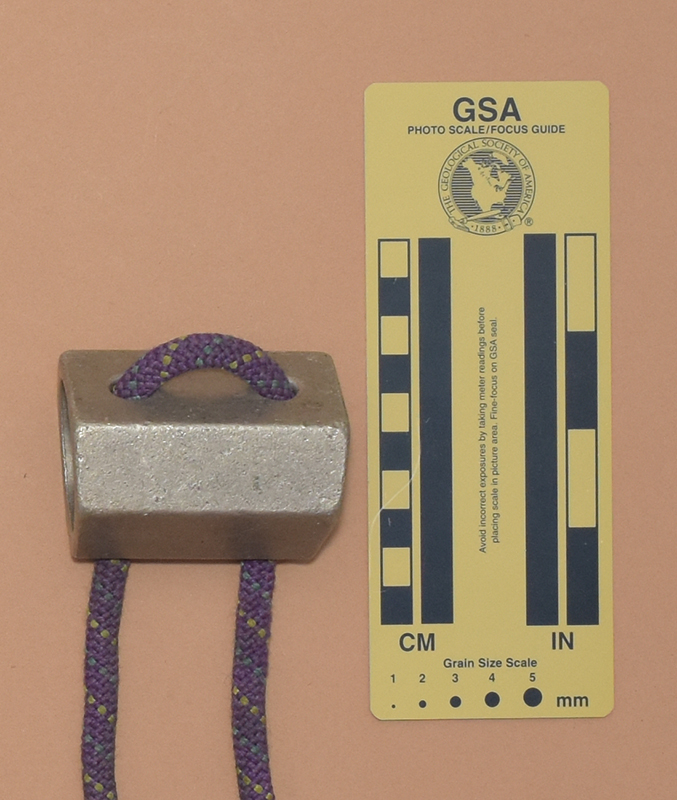 | 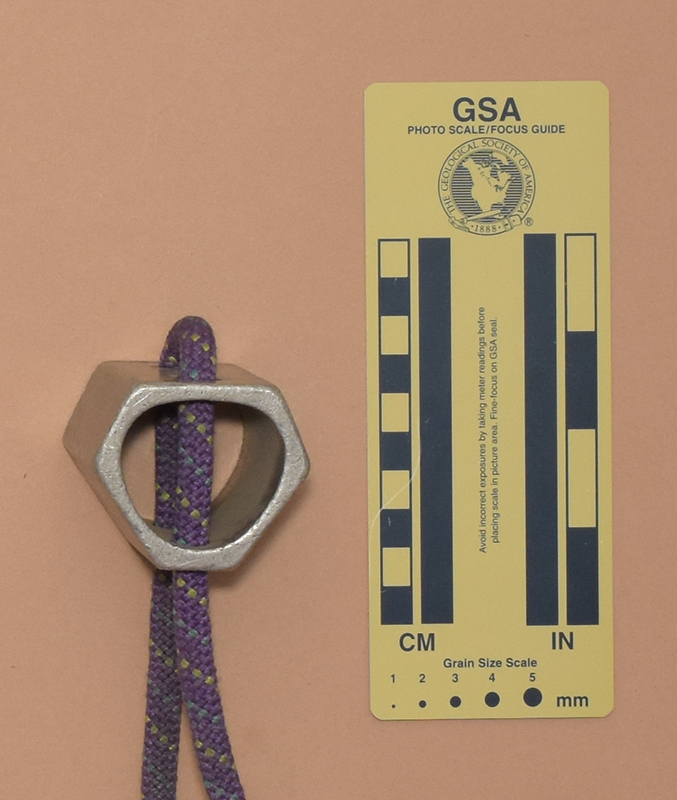 |
↑ 794: Chouinard Symmetric Hexentric; #9
Second-generation Hexentrics have an irregular shape that allows for more placement options and also provide camming opportunities.
Introduced in 1974, they have an interesting origin story. Tomas Carlström from Norway was trying to make his own copies of Chouinard's symmetrical Hexentrics for himself. His machining was sloppy, resulting in asymmetric hexagons. Disappointment turned to elation when he found that the irregular hexes worked in more positions than Chouinard's originals. He shared his discovery with Chouinard, who used the idea to produce the second-generation Hexentrics.
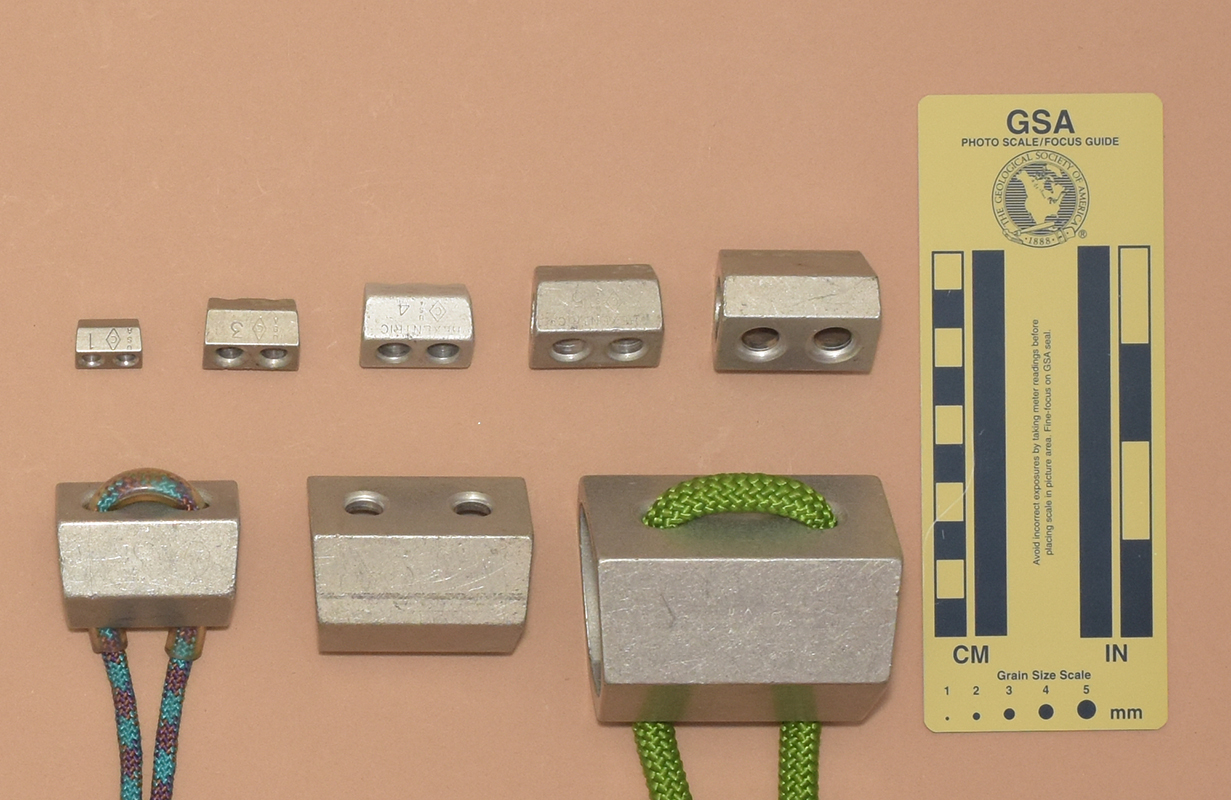 | 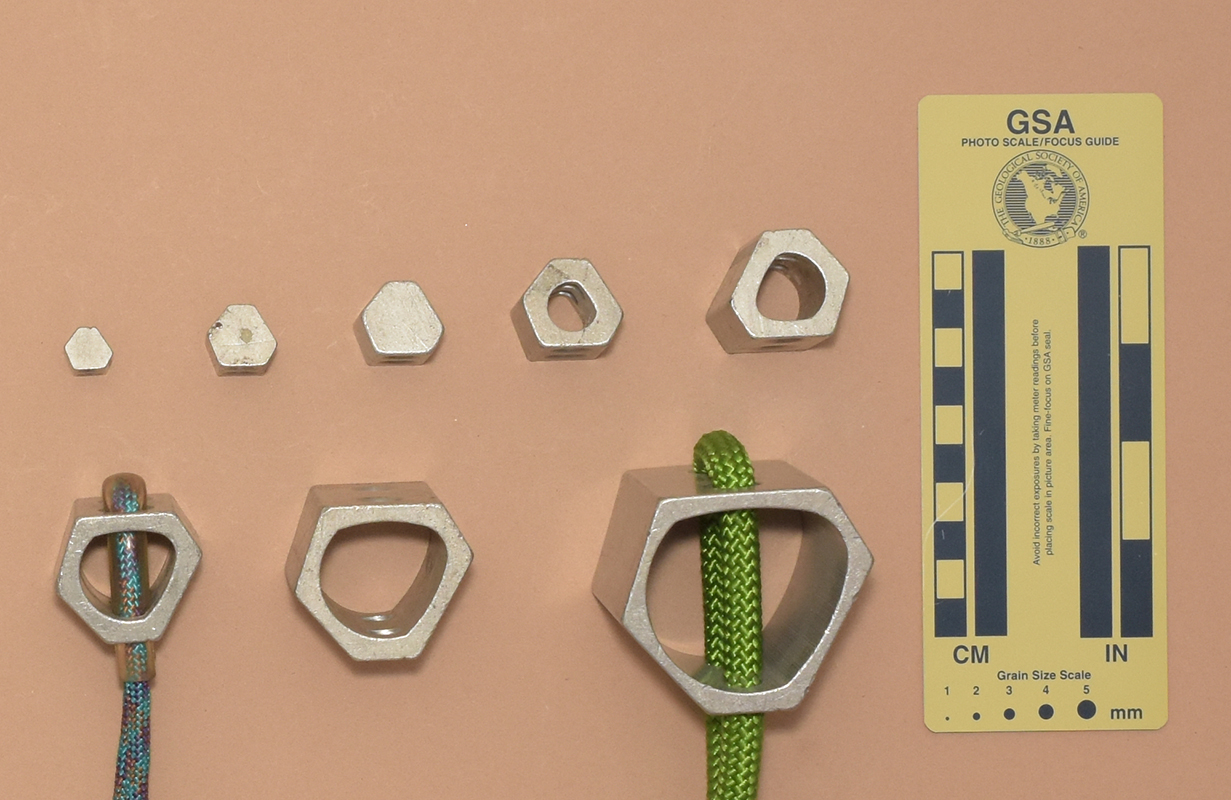 |
↑ Set 146, 147, 747, 748, 749 752, 753: Chouinard Hexentrics; #1, #3–#8, 10
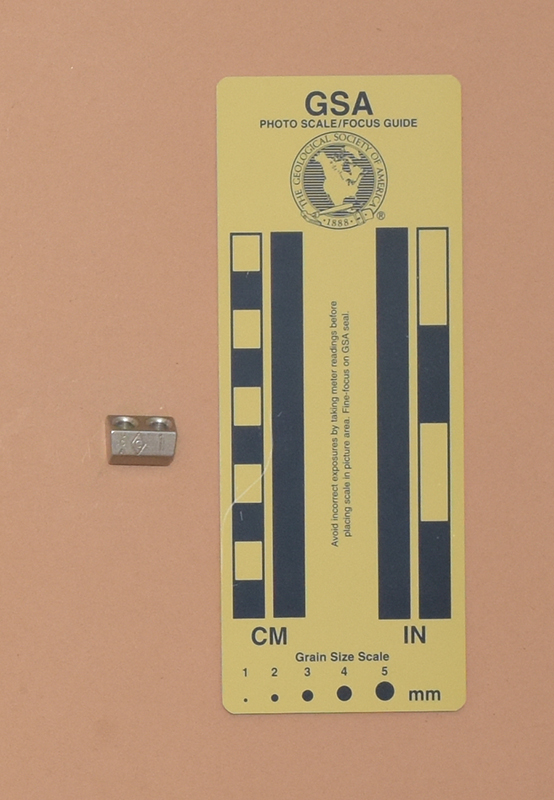 | 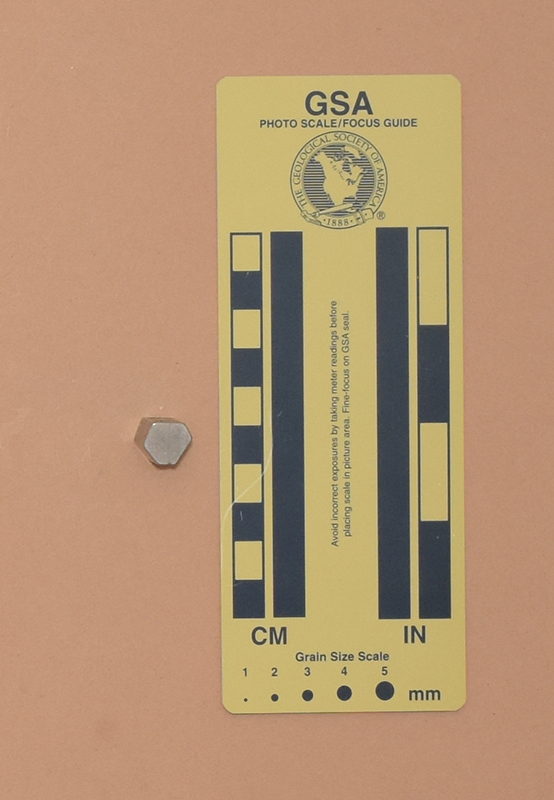 | 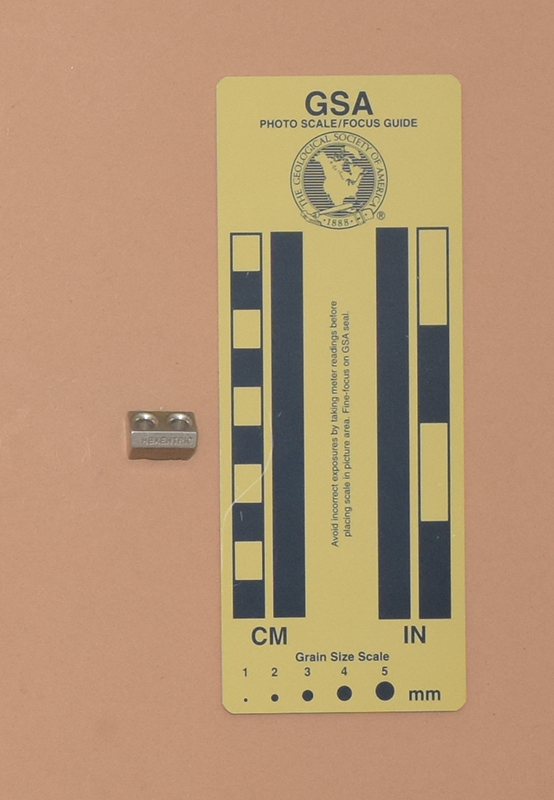 |  |
↑ 146: Chouinard Hexentric; #1
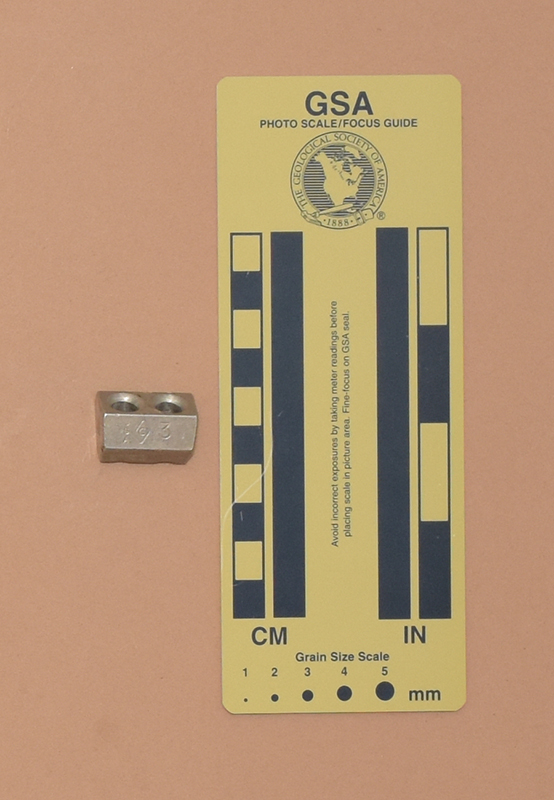 | 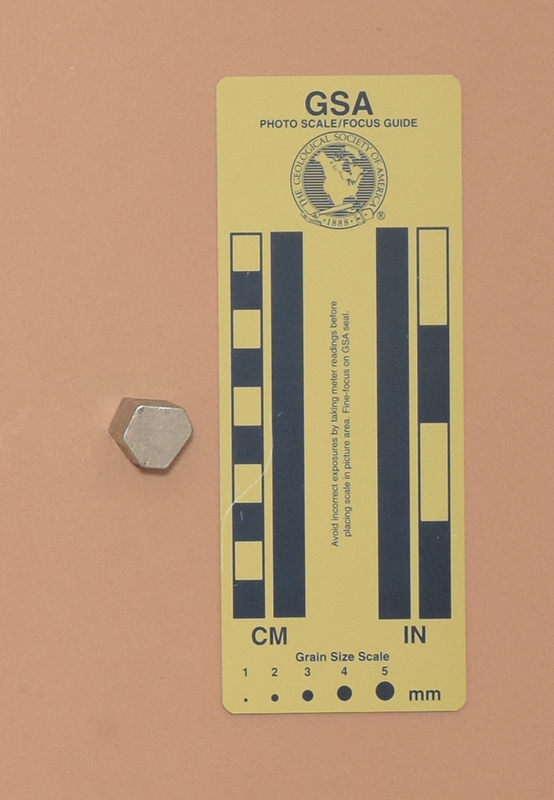 | 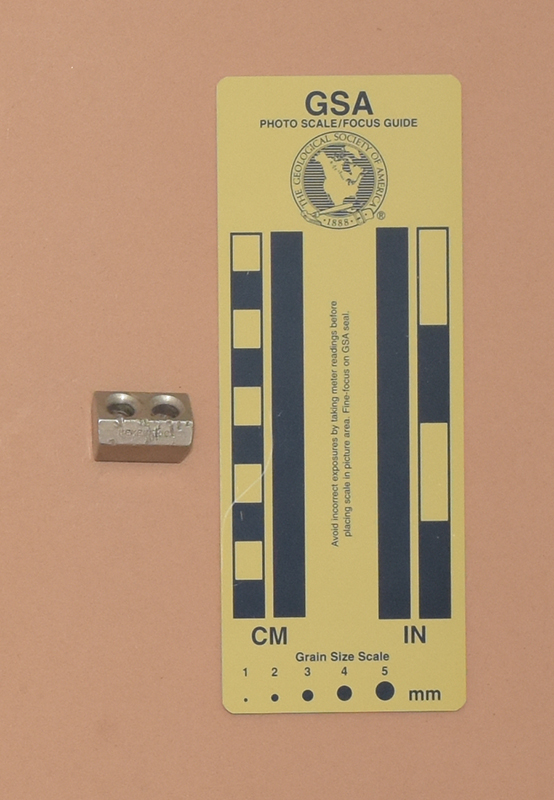 | 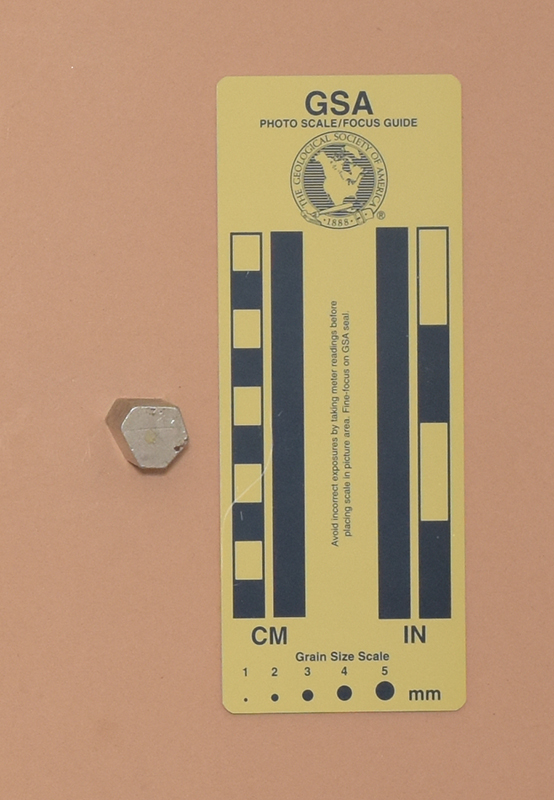 |
↑ 147: Chouinard Hexentric; #3
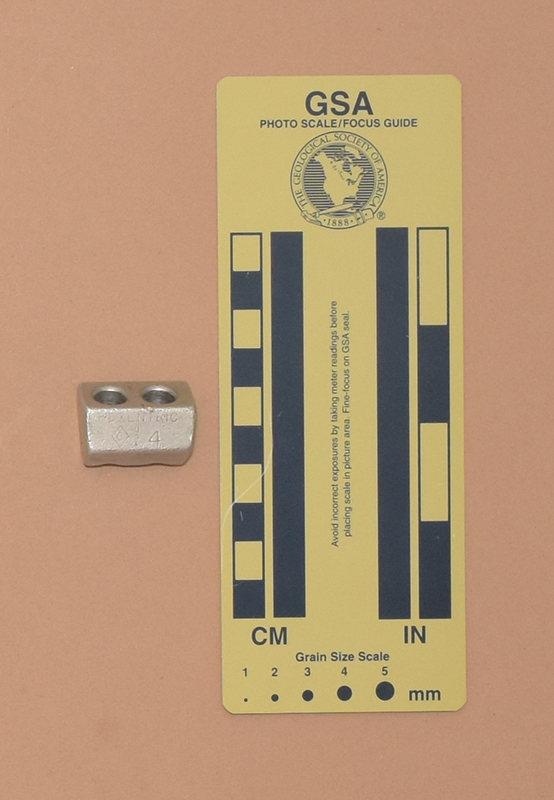 | 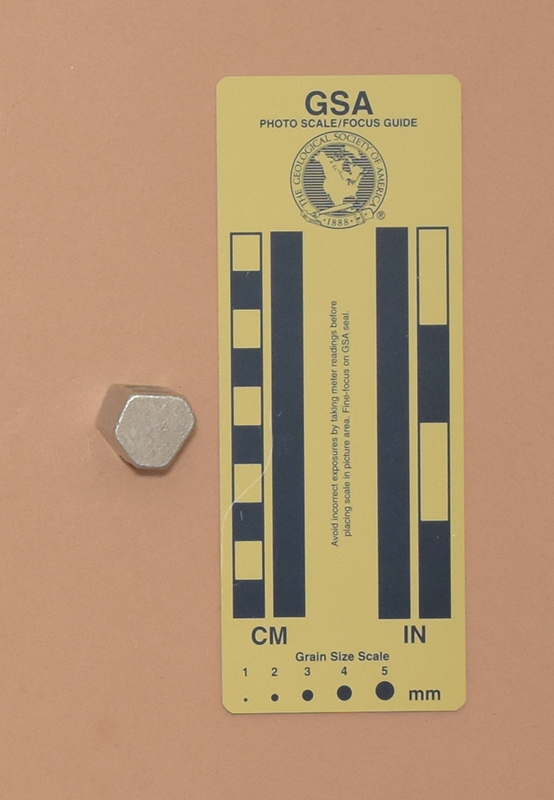 | 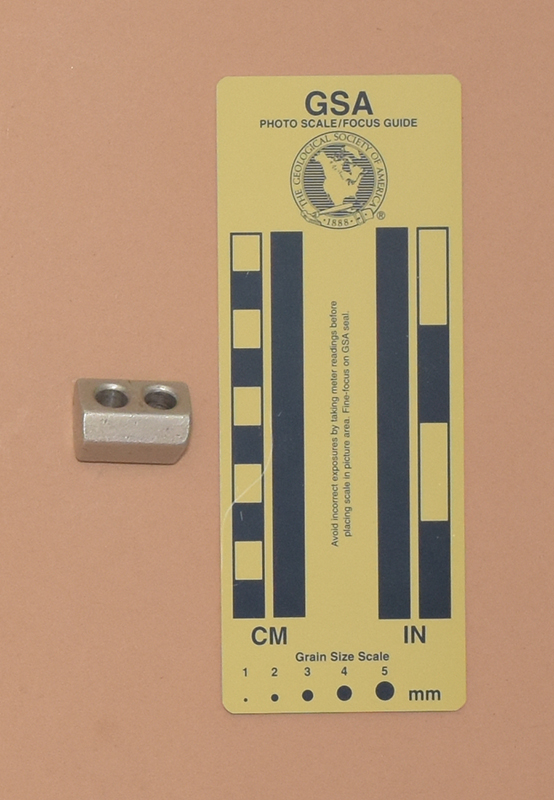 | 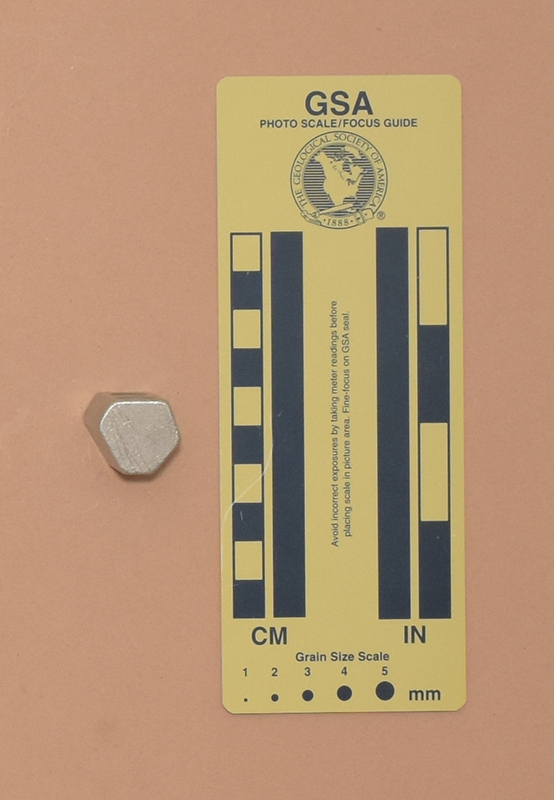 |
↑ 747: Chouinard Hexentric; #4
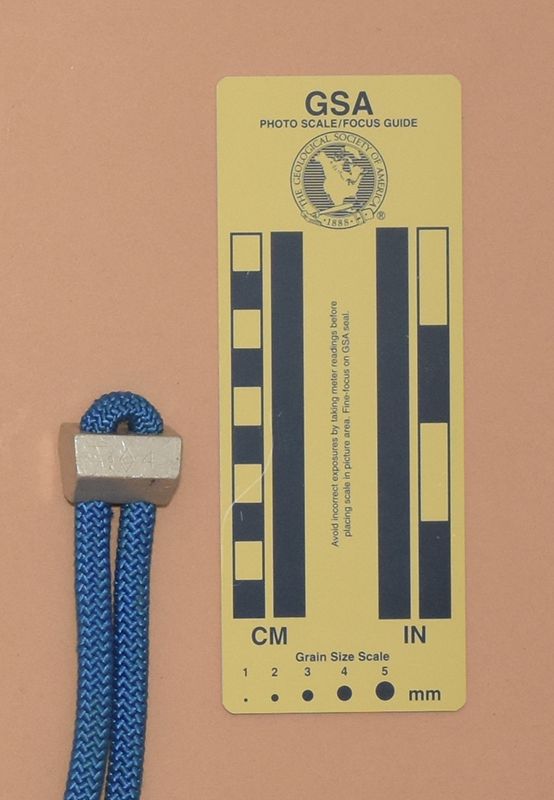 | 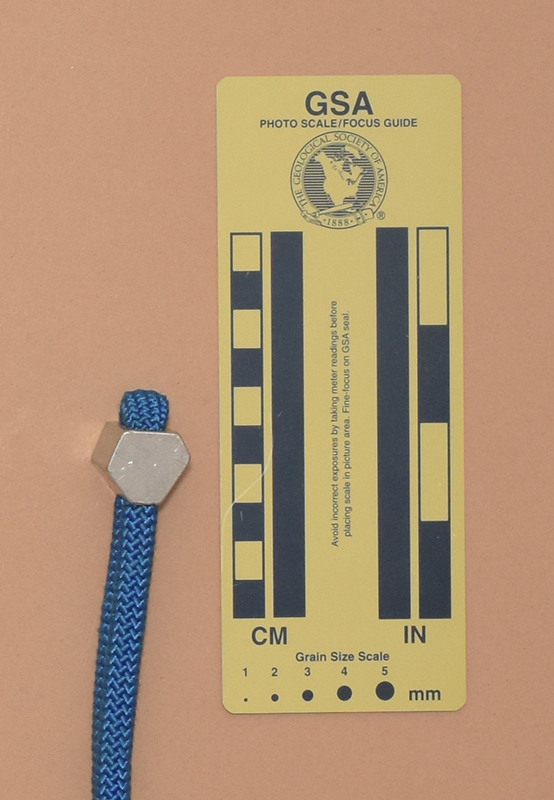 | 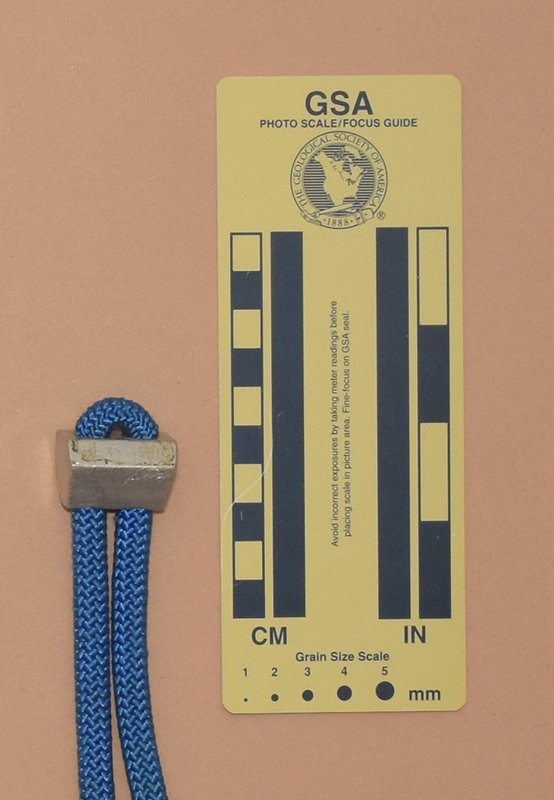 | 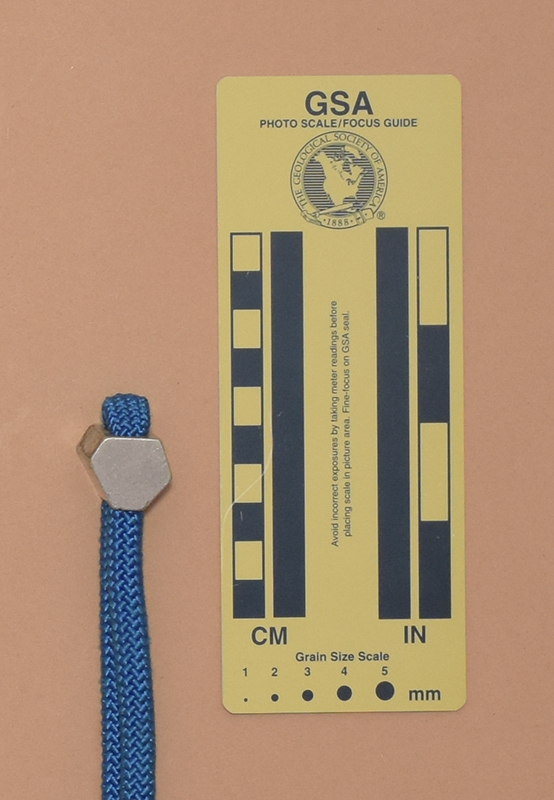 |
↑ 816: Chouinard Hexentric; #4
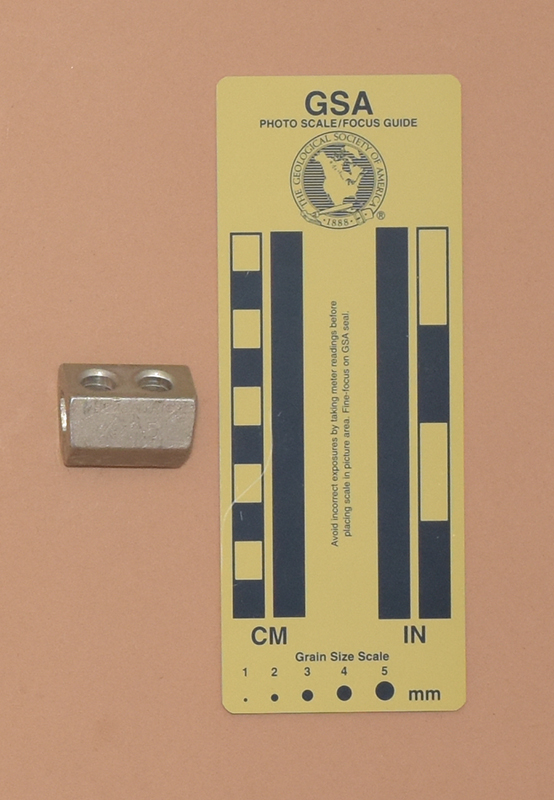 | 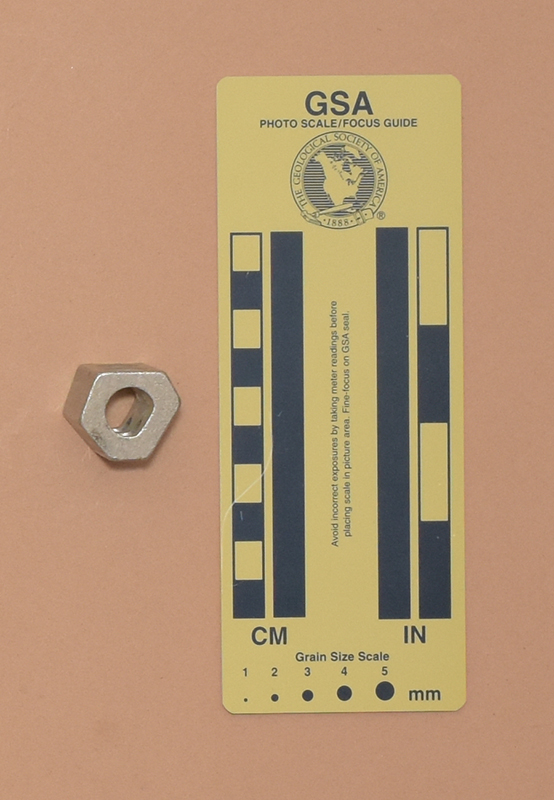 | 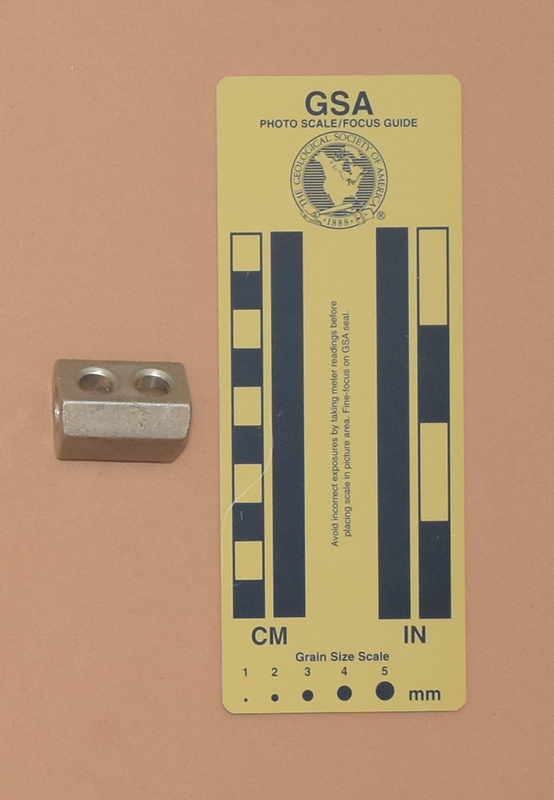 | 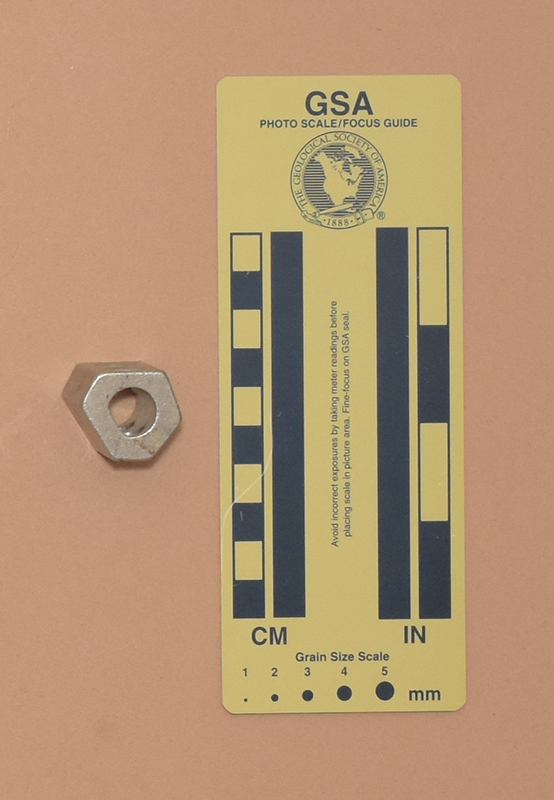 |
↑ 748: Chouinard Hexentric; #5
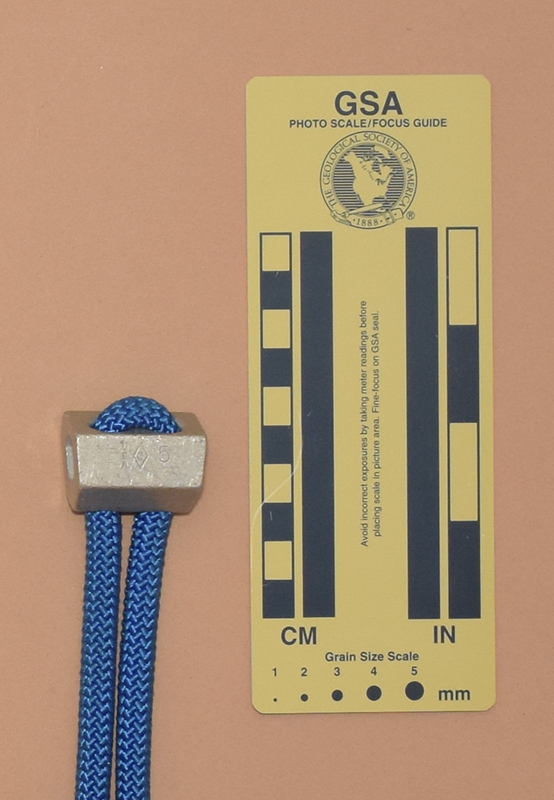 | 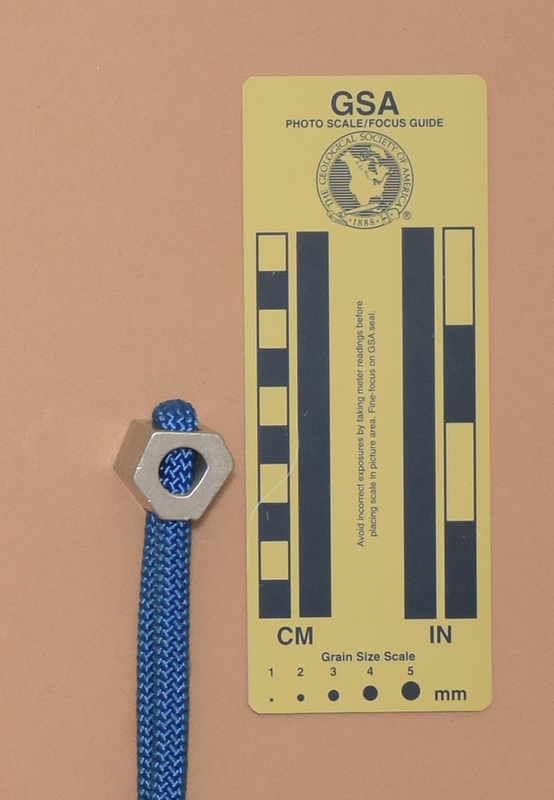 | 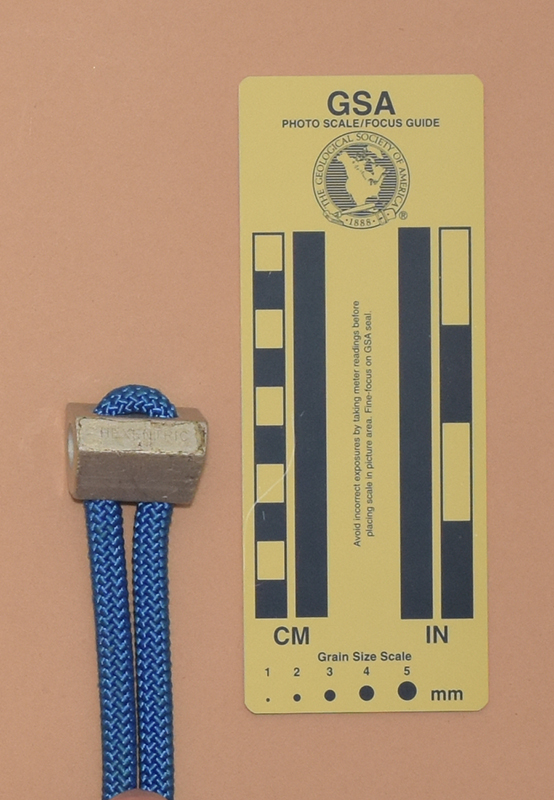 | 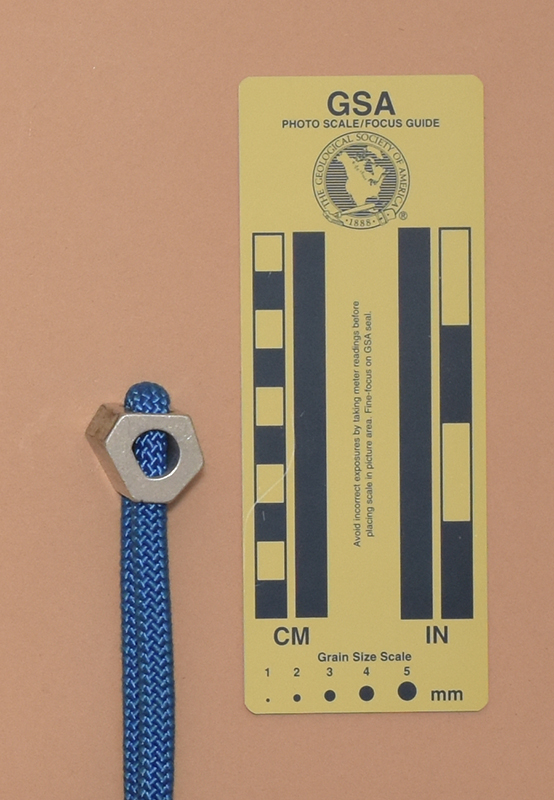 |
↑ 817: Chouinard Hexentric; #5
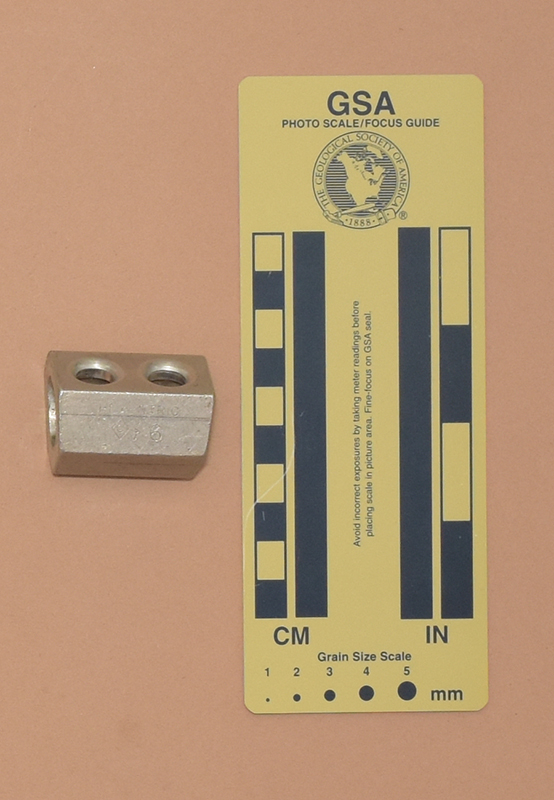 | 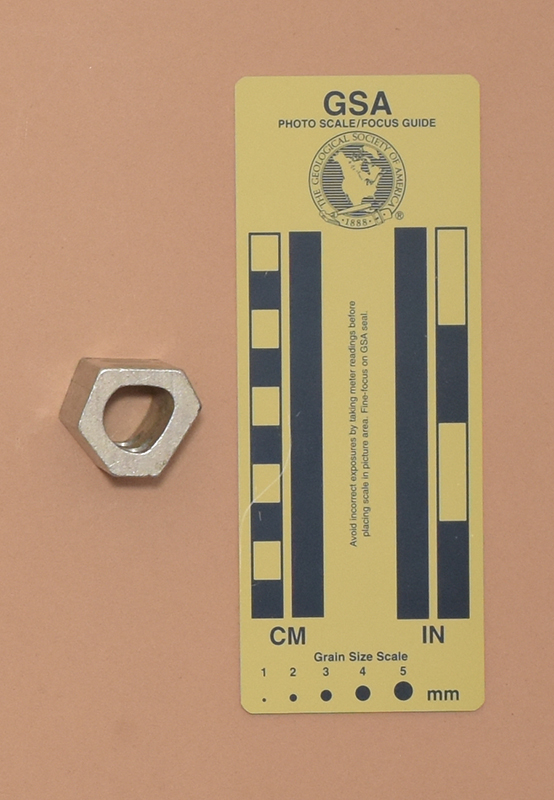 | 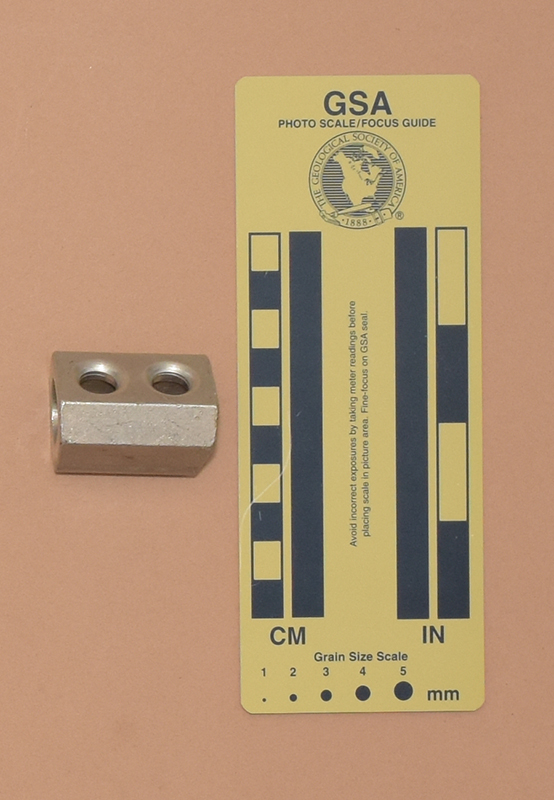 | 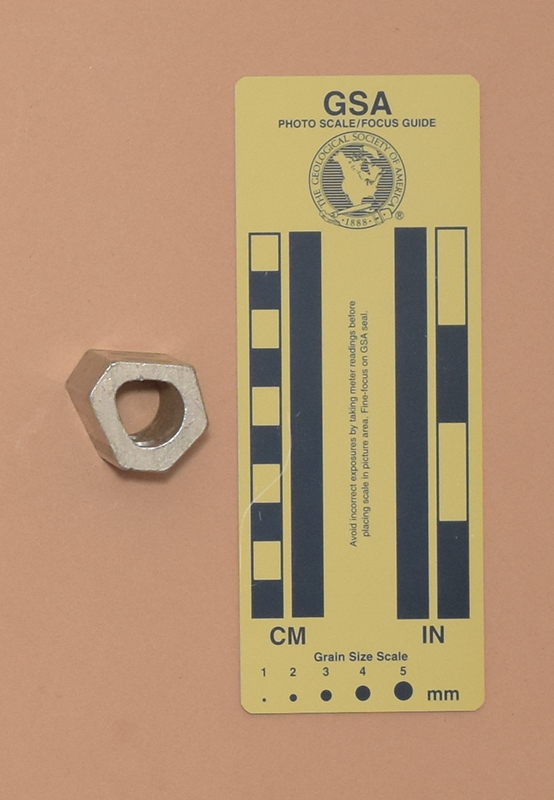 |
↑ 749: Chouinard Hexentric; #6
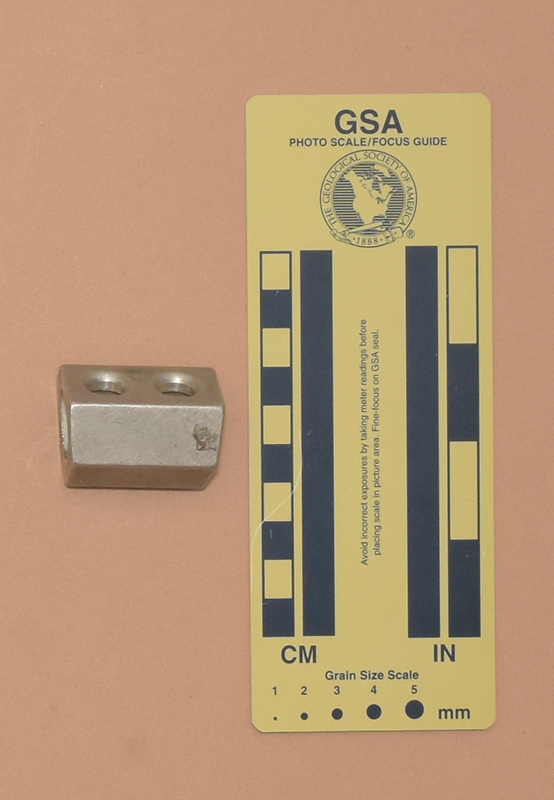 | 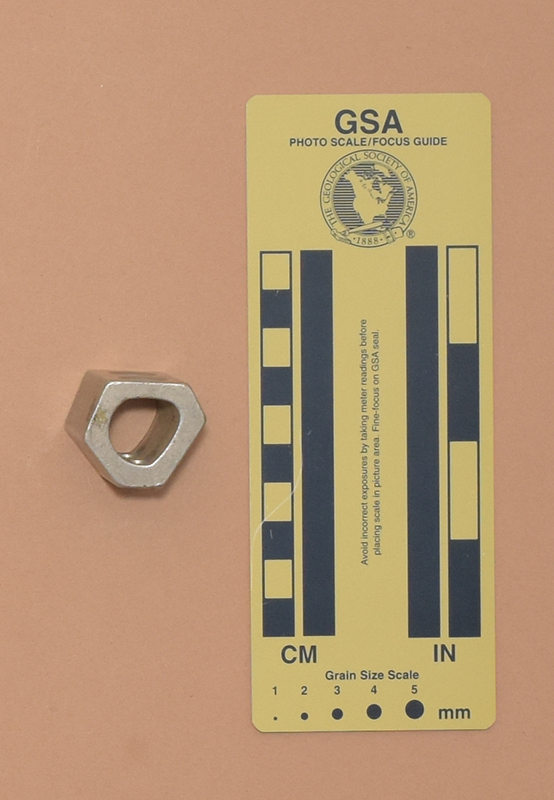 | 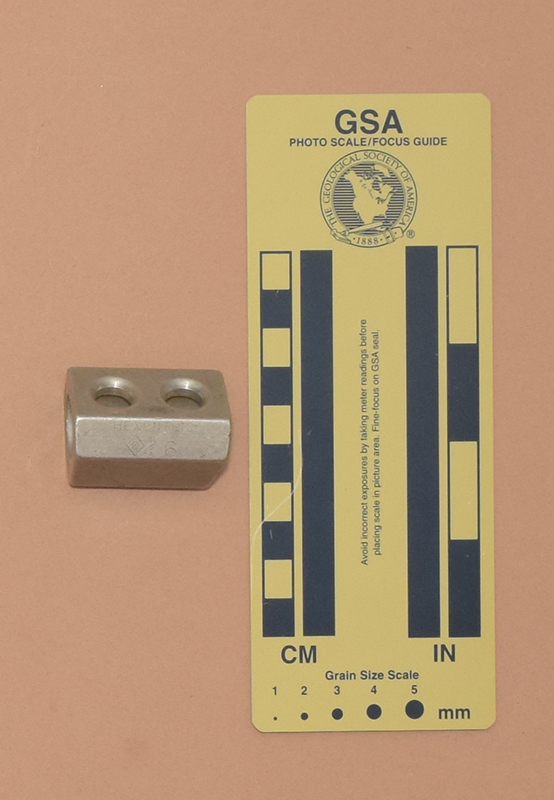 | 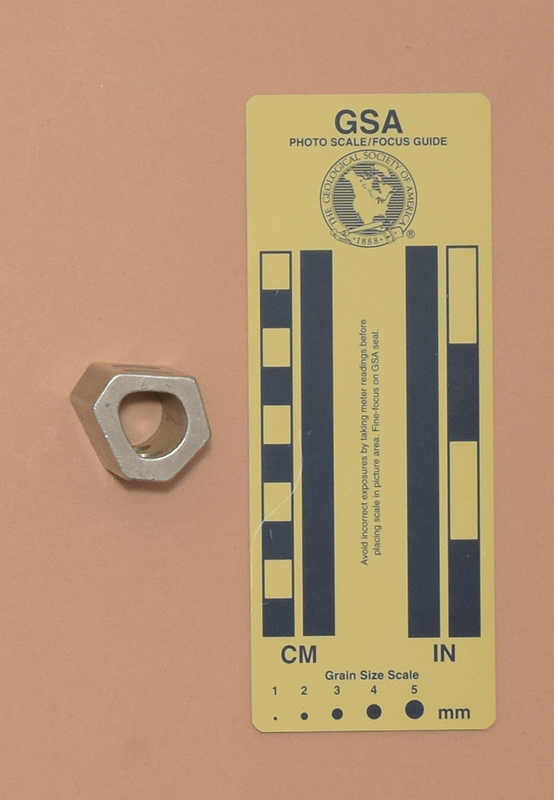 |
↑ 750: Chouinard Hexentric; #6
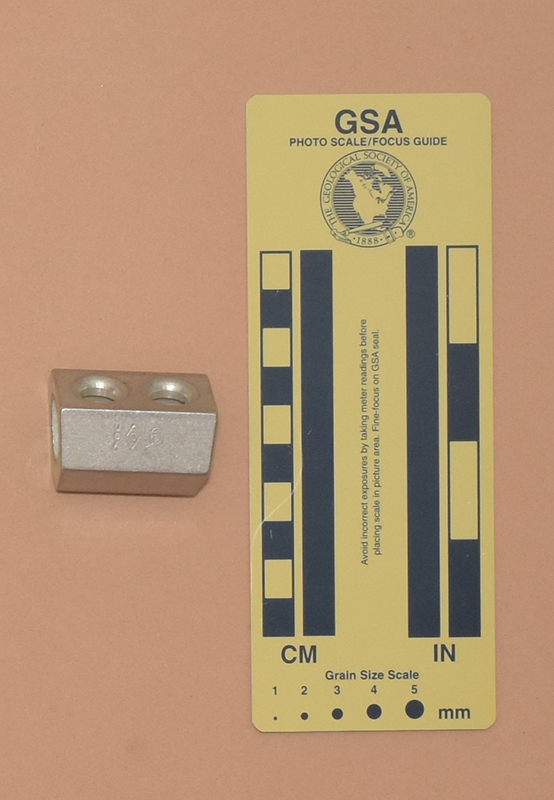 | 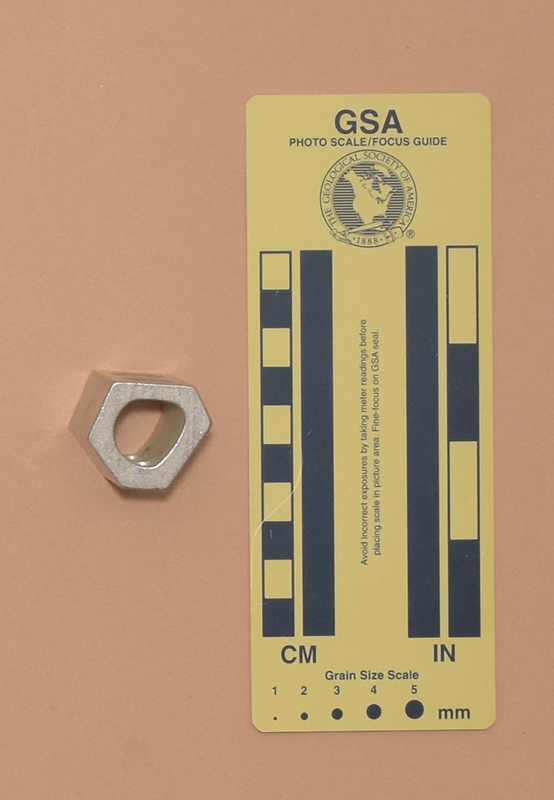 | 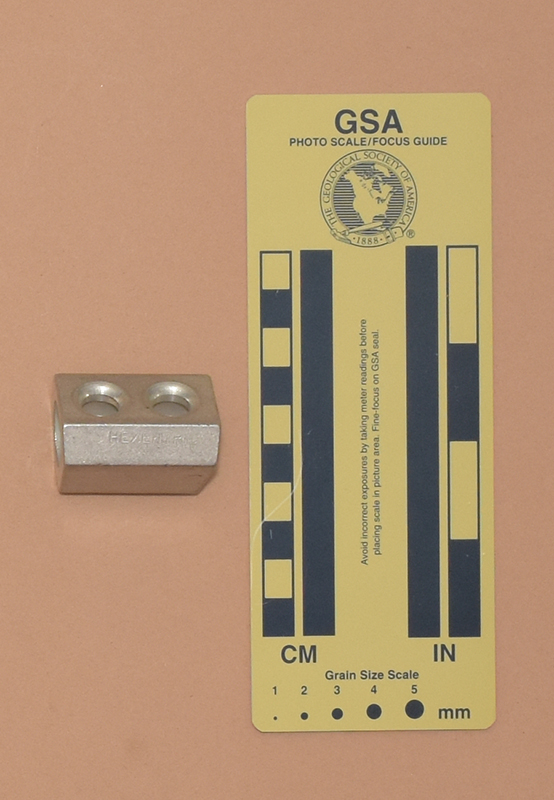 | 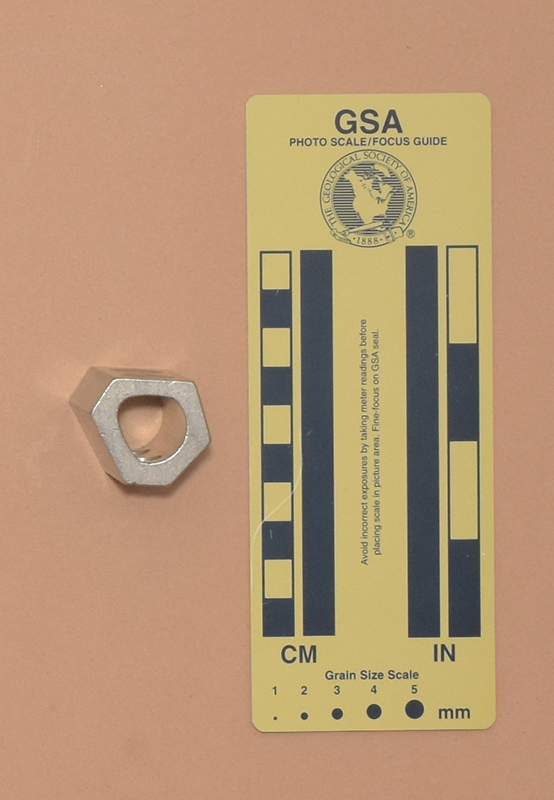 |
↑ 751: Chouinard Hexentric; #6
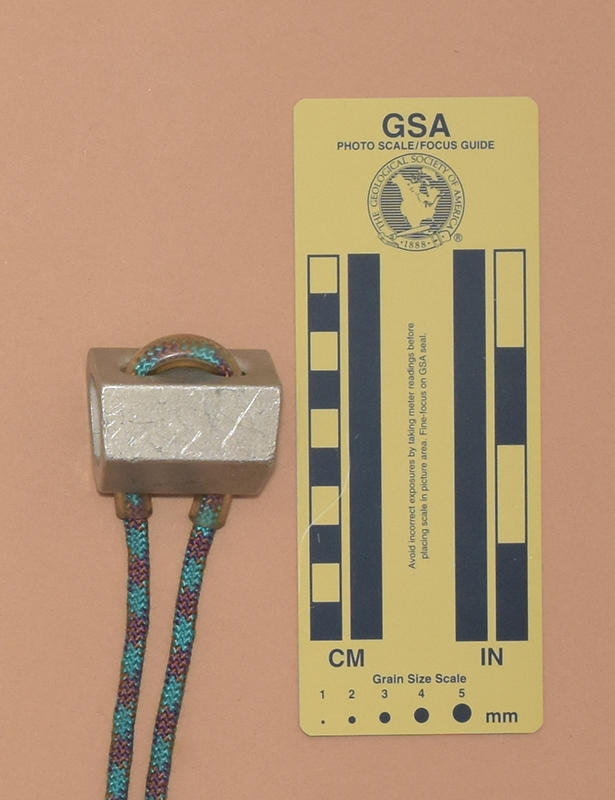 | 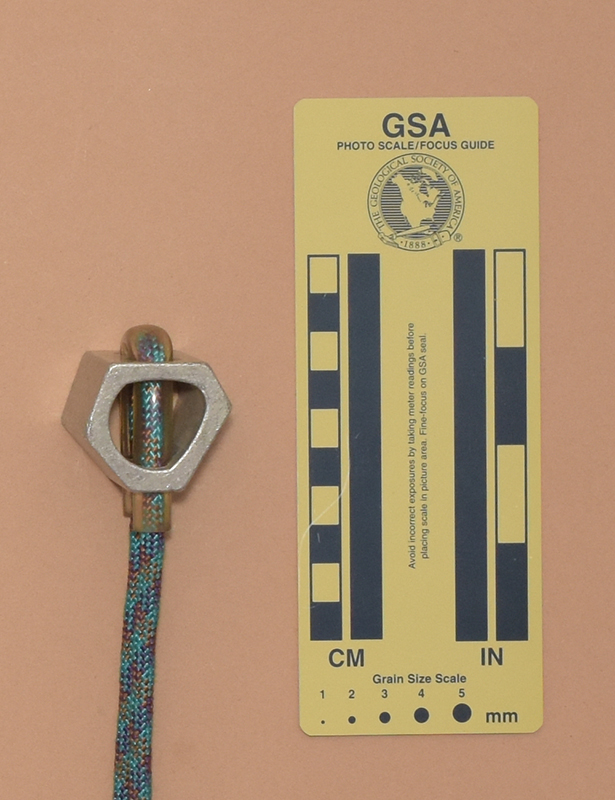 | 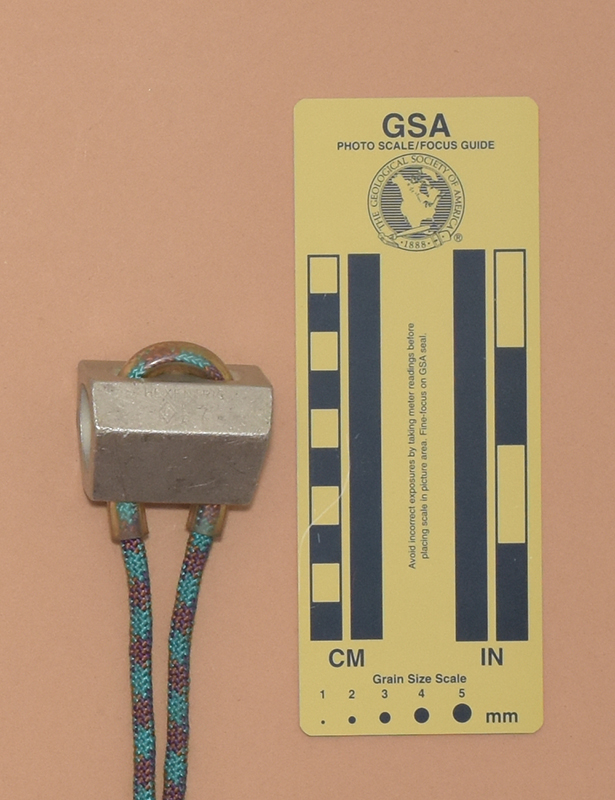 | 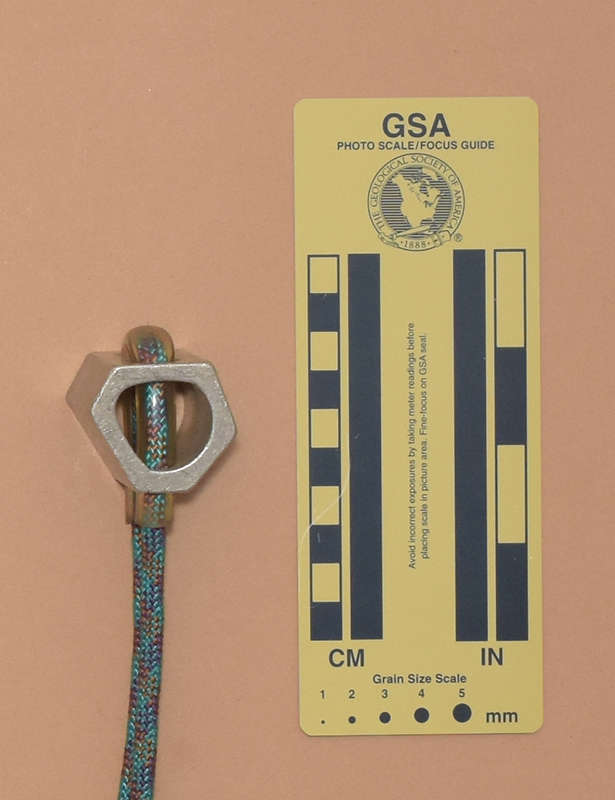 |
↑ 752: Chouinard Hexentric; #7
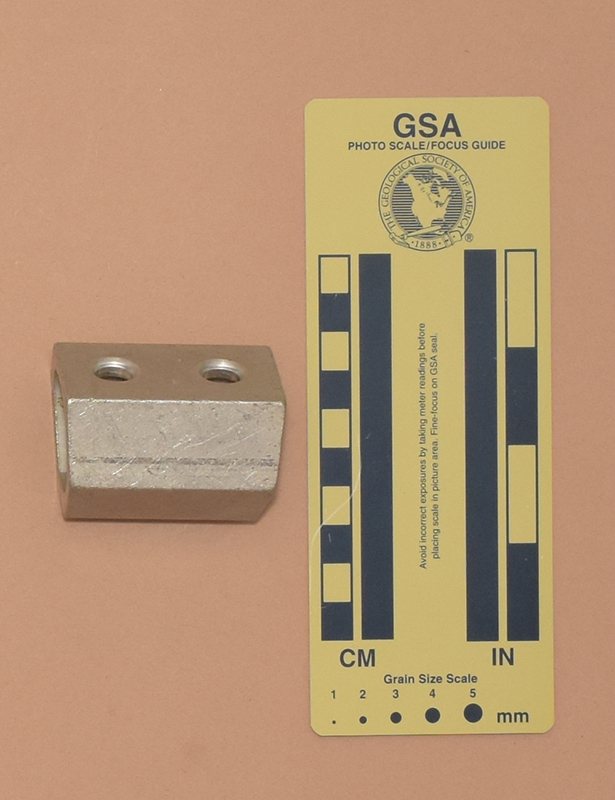 | 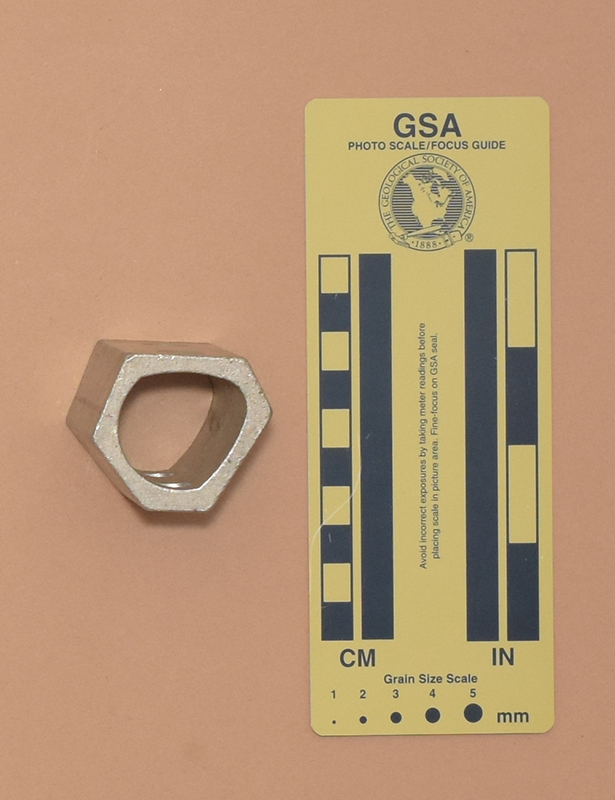 | 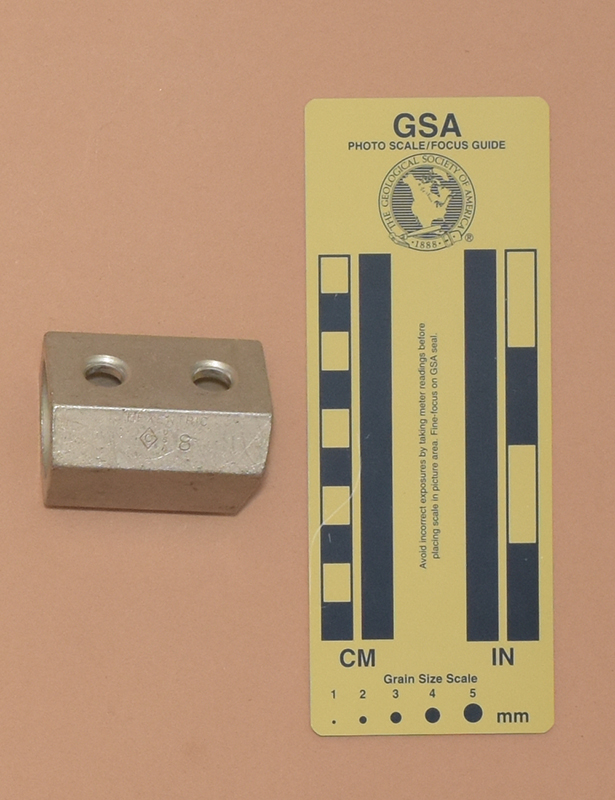 |  |
↑ 753: Chouinard Hexentric; #8
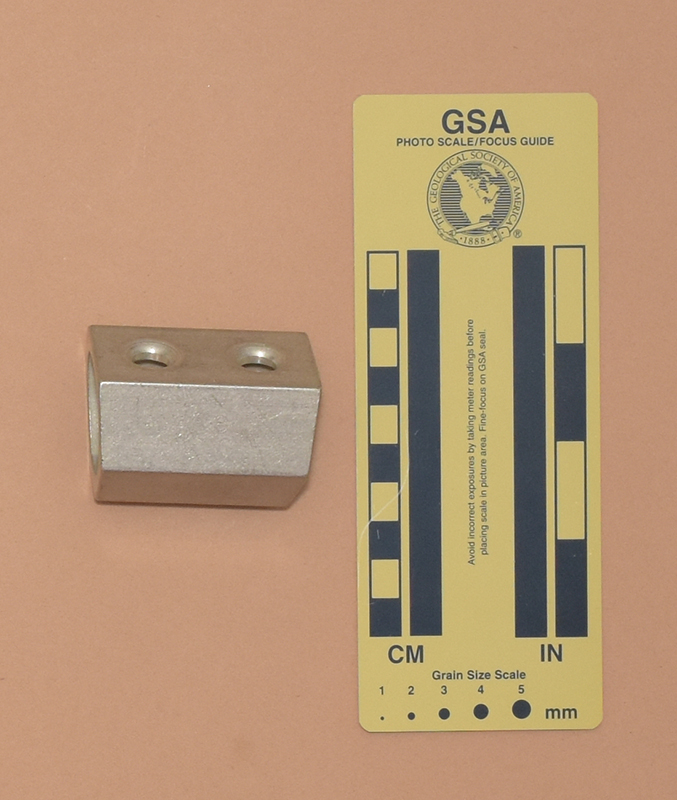 | 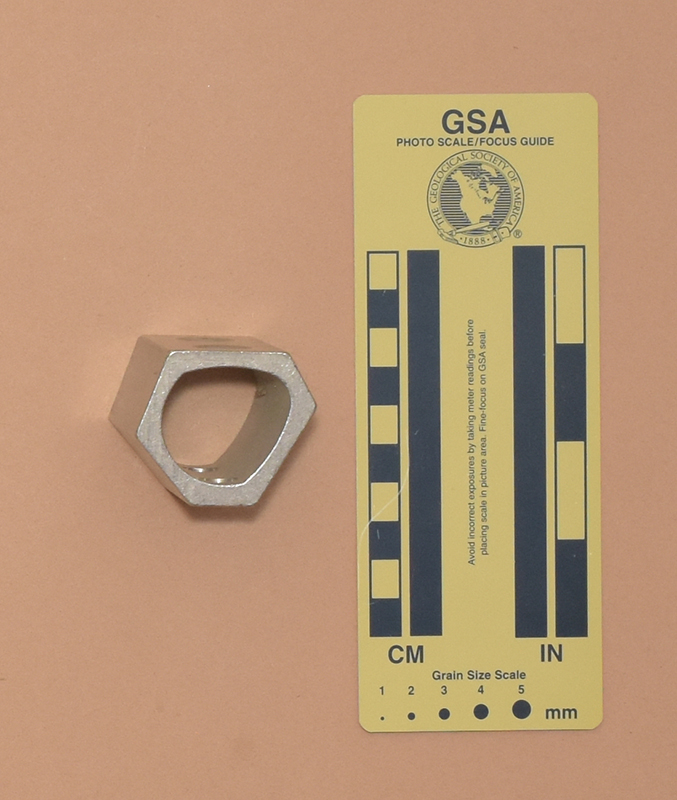 | 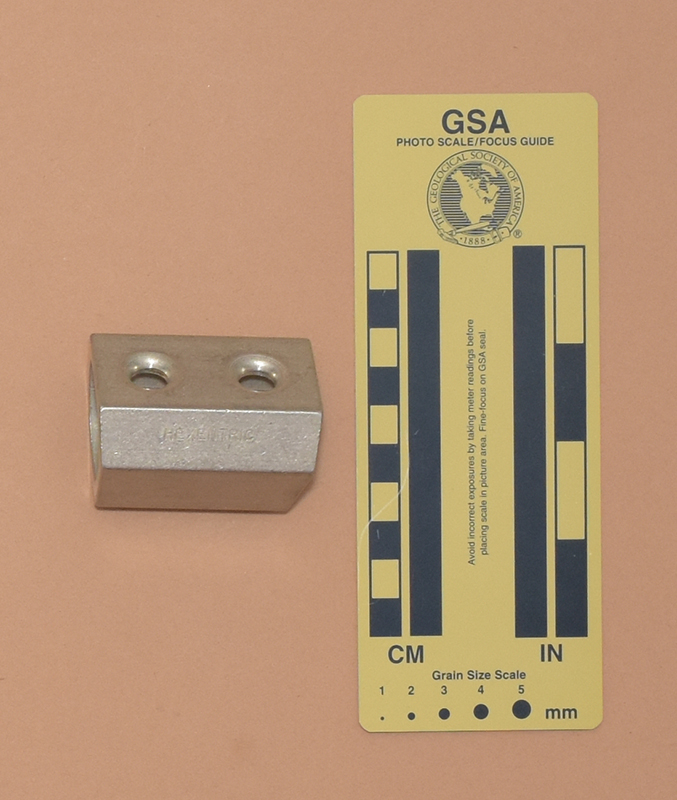 | 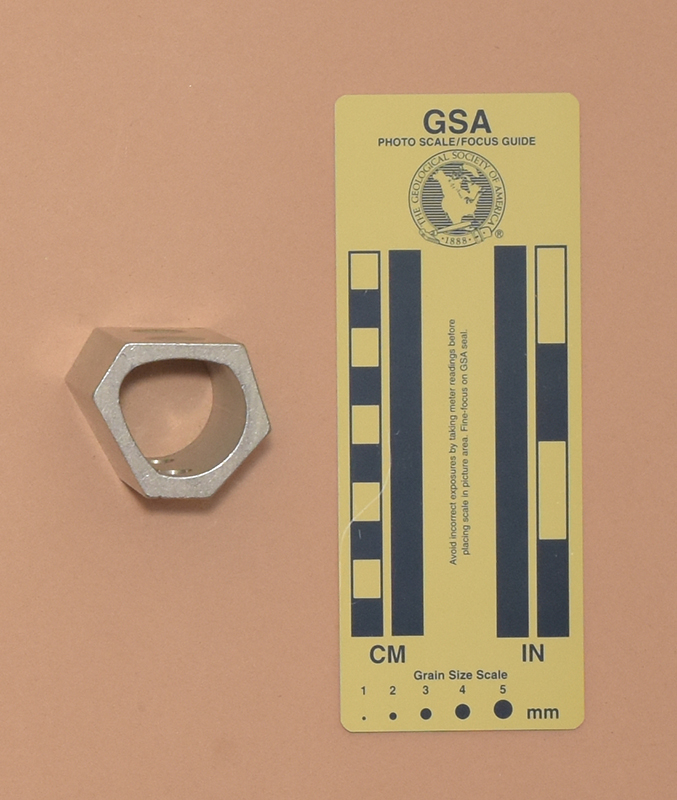 |
↑ 754: Chouinard Hexentric; #8
In 1980 Chouinard changed the wall thickness on their #7 through #11 Hexentrics and eliminated the drilled lightening holes, resulting in a stronger chock for essentially the same weight. The sling holes were enlarged so that the recommended sling sizes would fit more easily. The non-functional basal groove found on the earlier generation disappeared, indicating that the extrusions used new molds.
 |  |
↑ Set 052-059: Chouinard Hexentrics; #4–#11
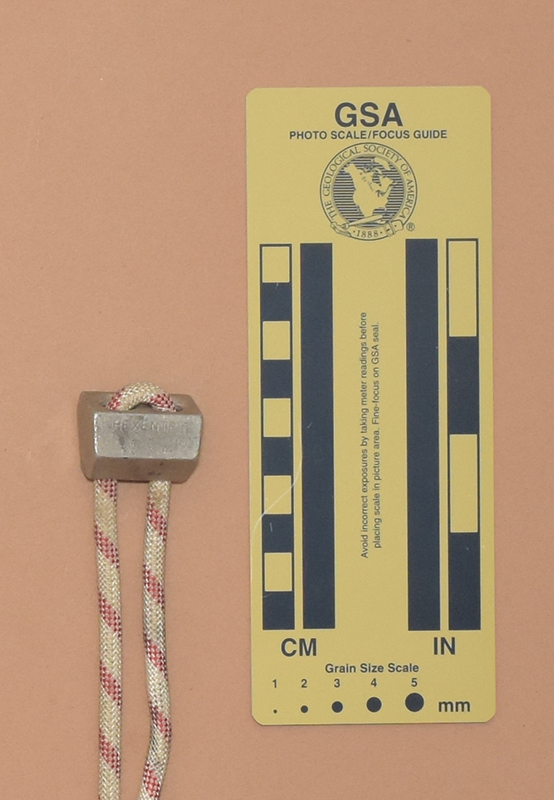 | 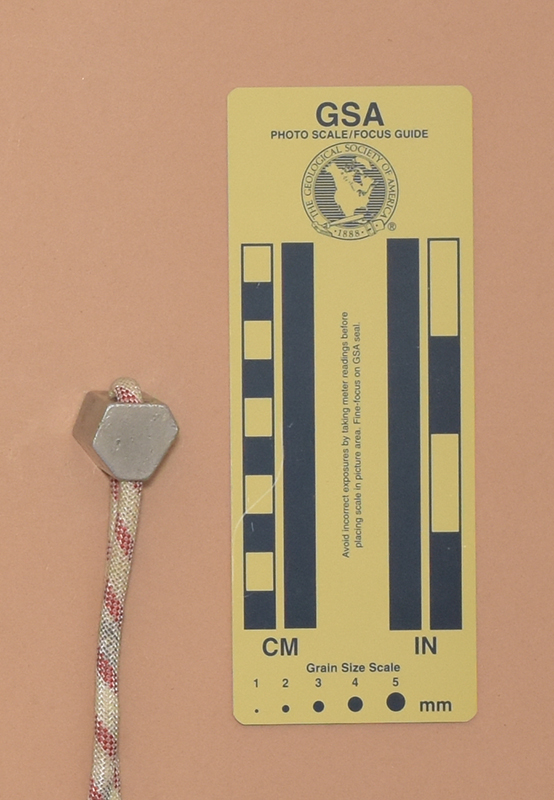 | 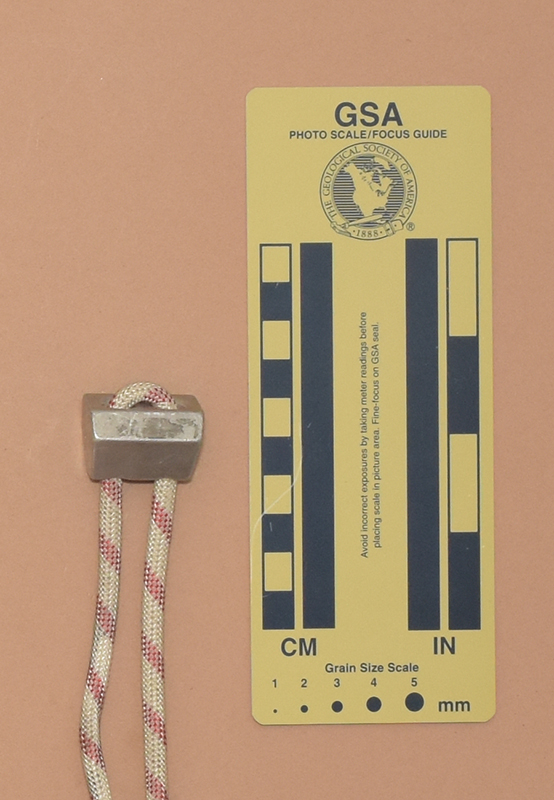 | 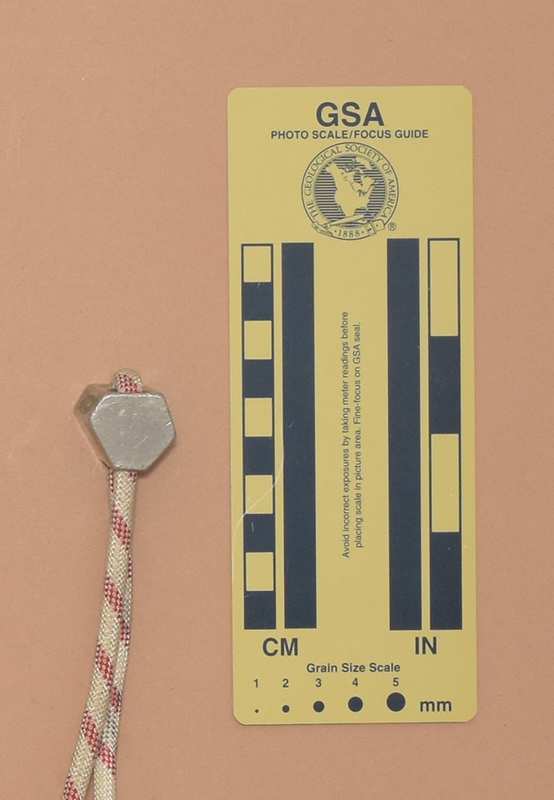 |
↑ 052: Chouinard Hexentric; #4
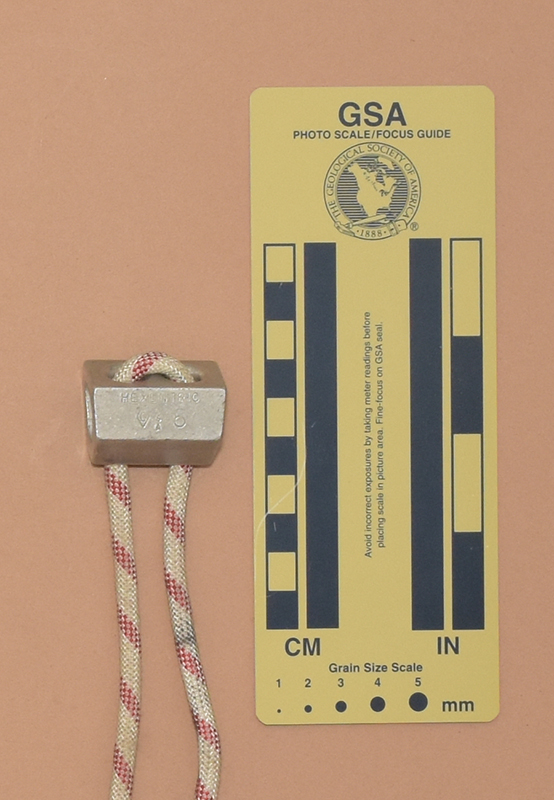 | 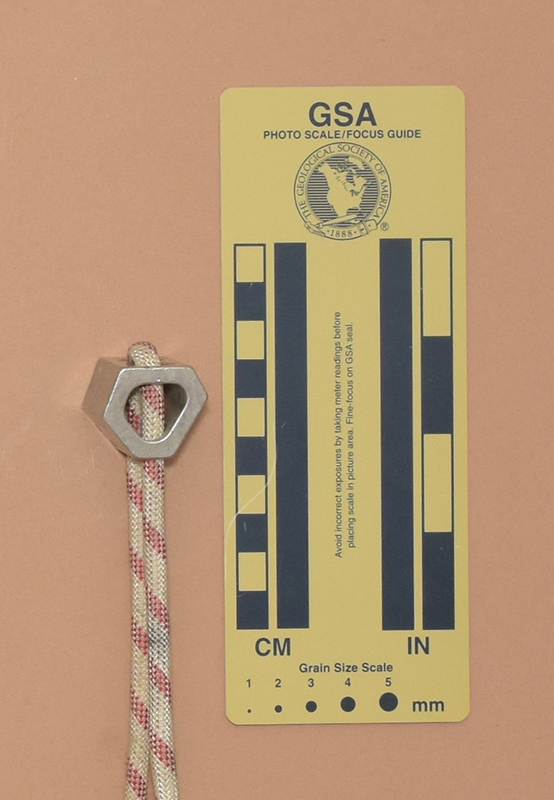 | 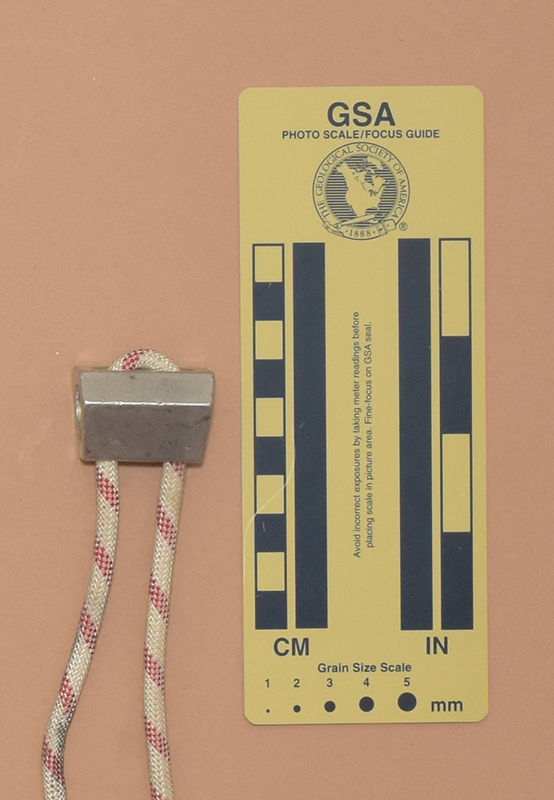 | 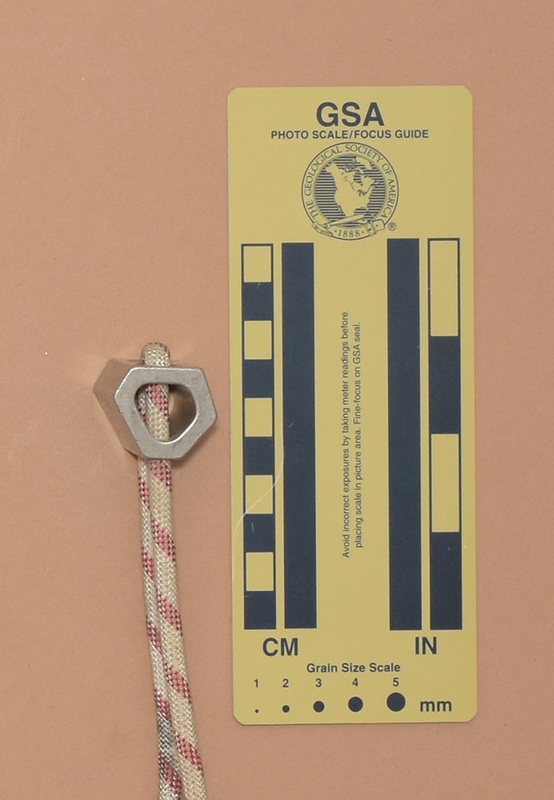 |
↑ 053: Chouinard Hexentric; #5
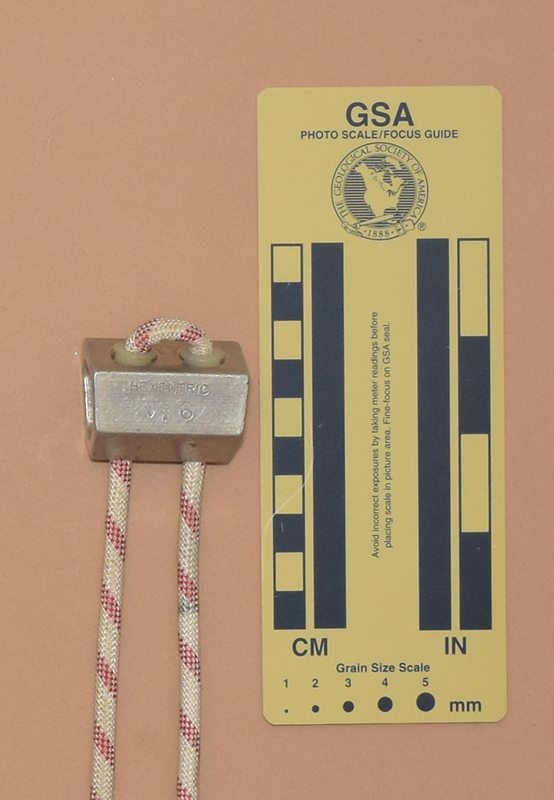 | 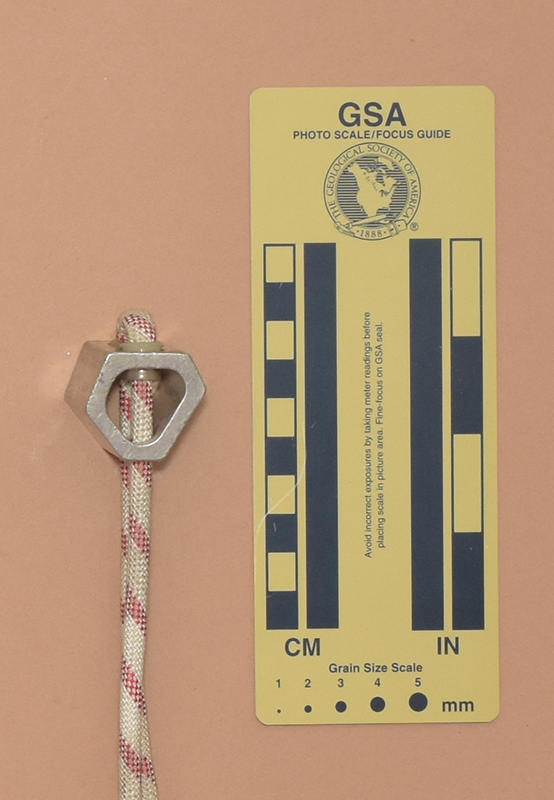 | 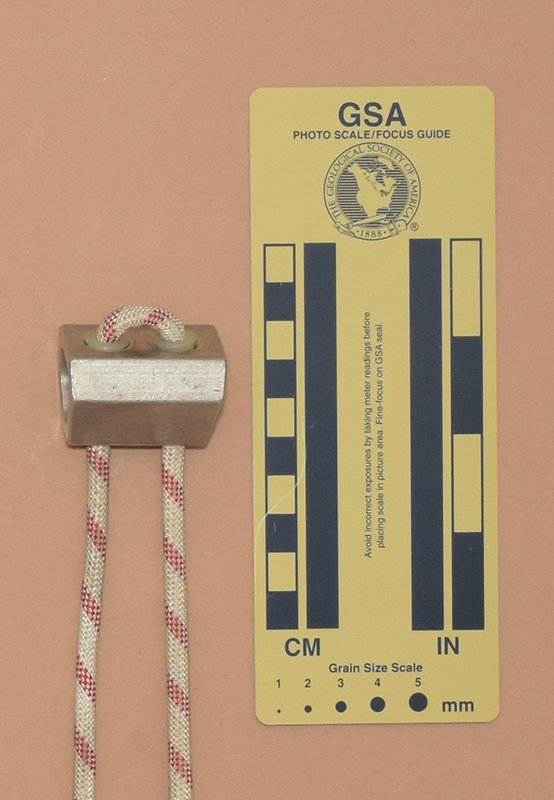 | 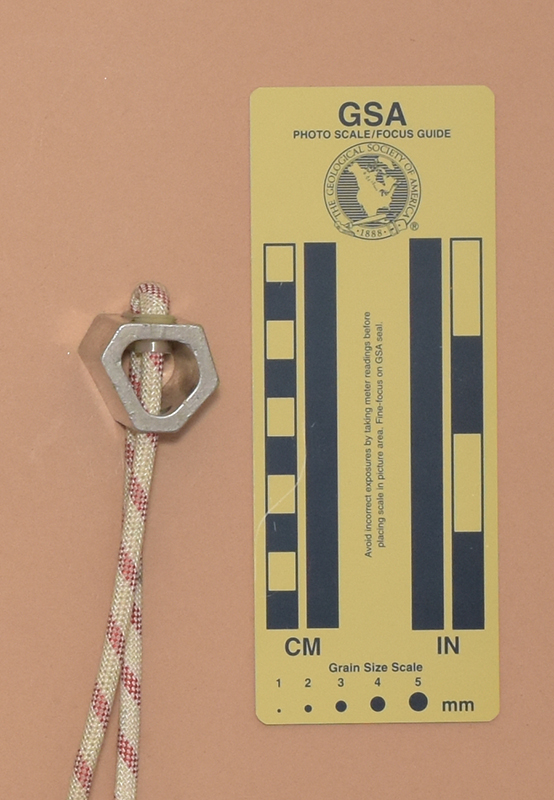 |
↑ 054: Chouinard Hexentric; #6
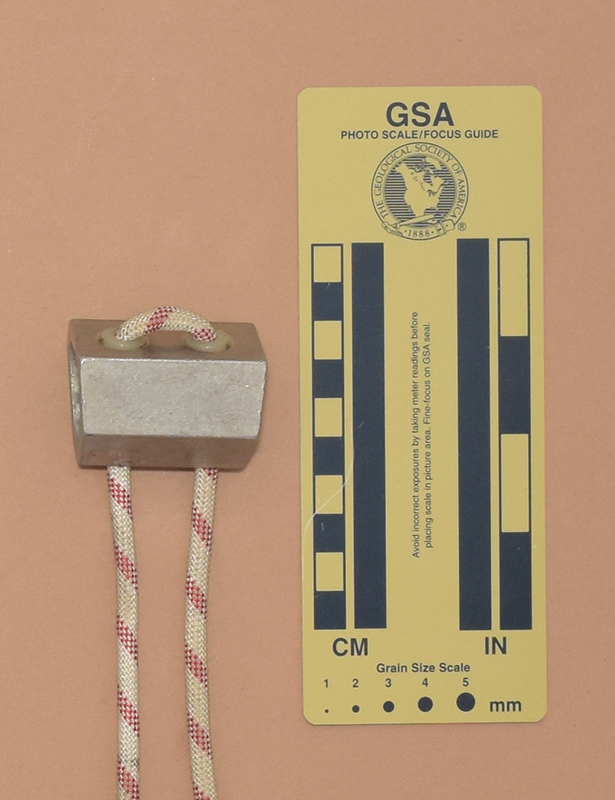 | 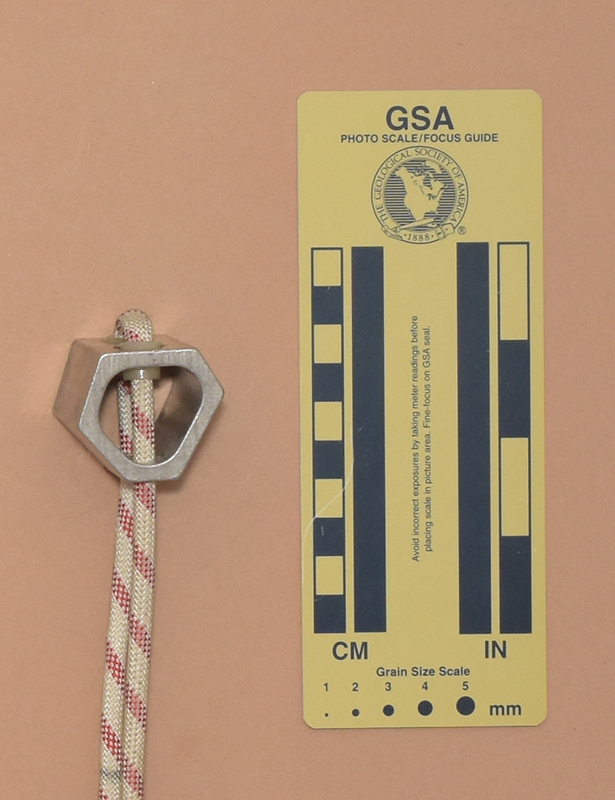 | 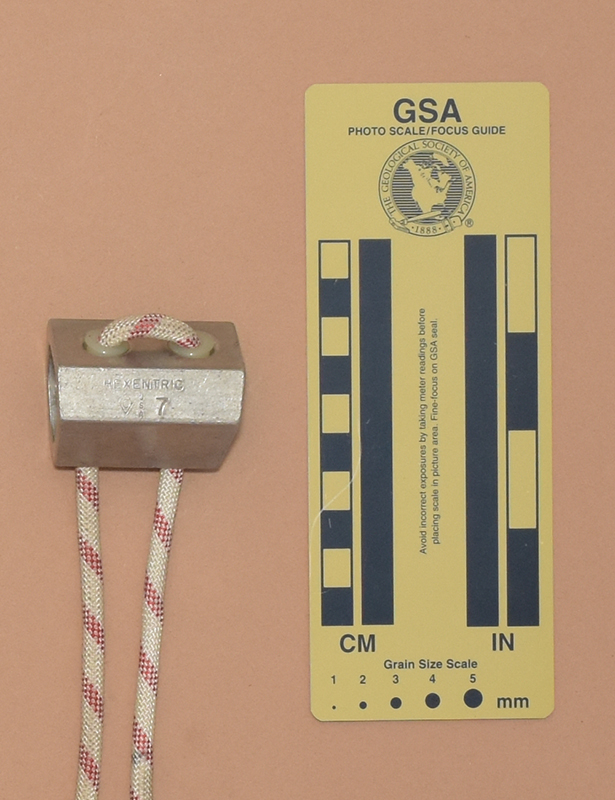 | 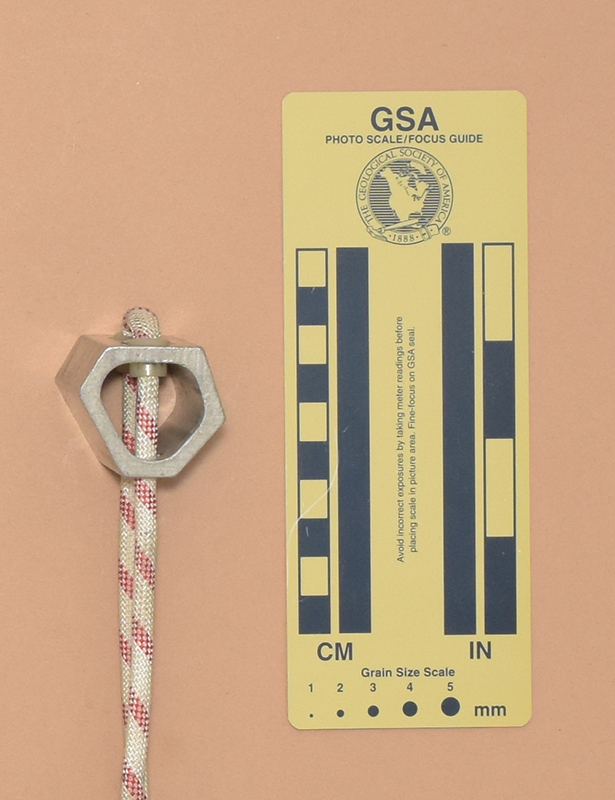 |
↑ 055: Chouinard Hexentric; #7
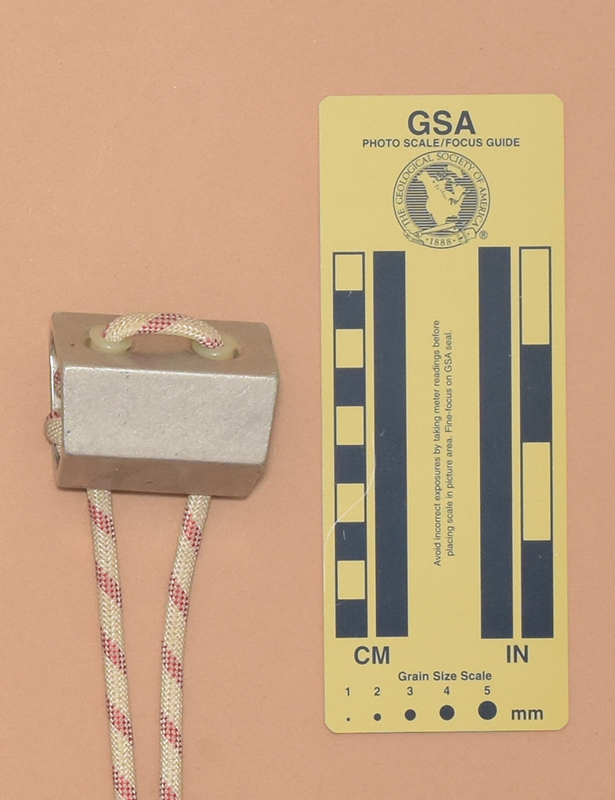 | 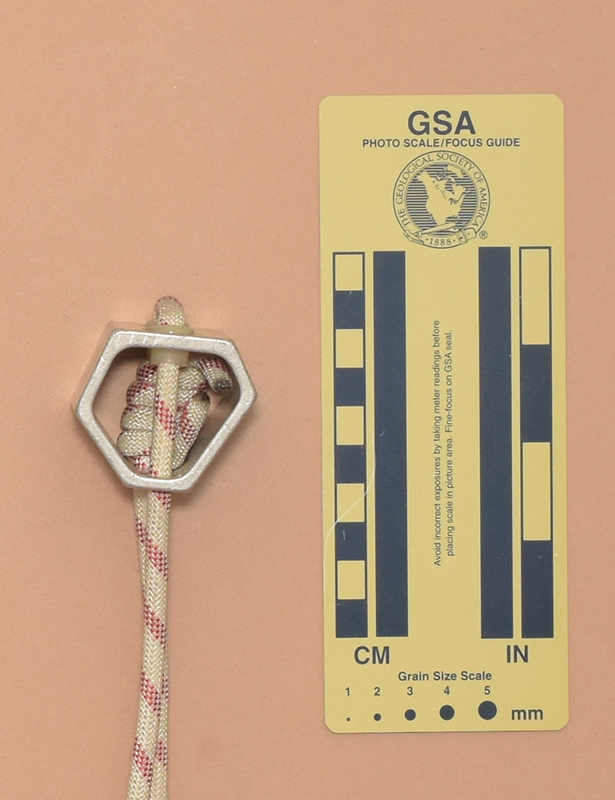 |  | 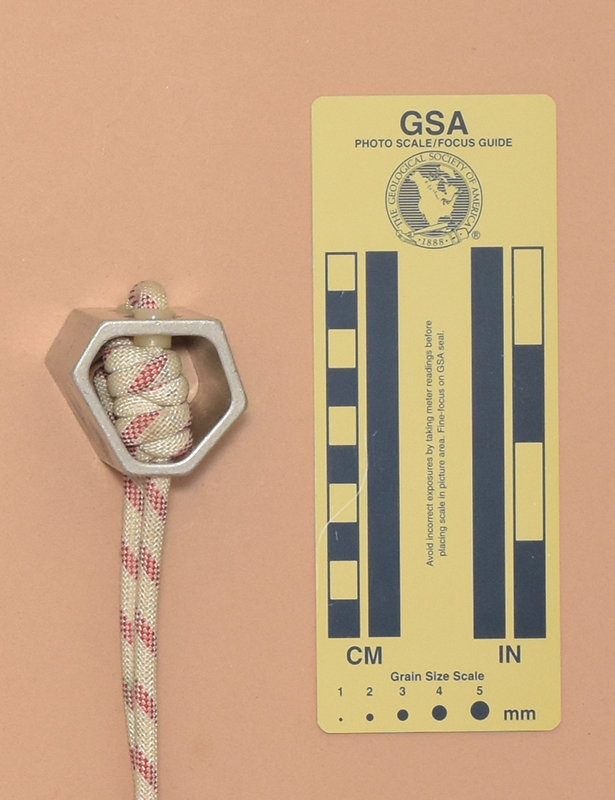 |
↑ 056: Chouinard Hexentric; #8
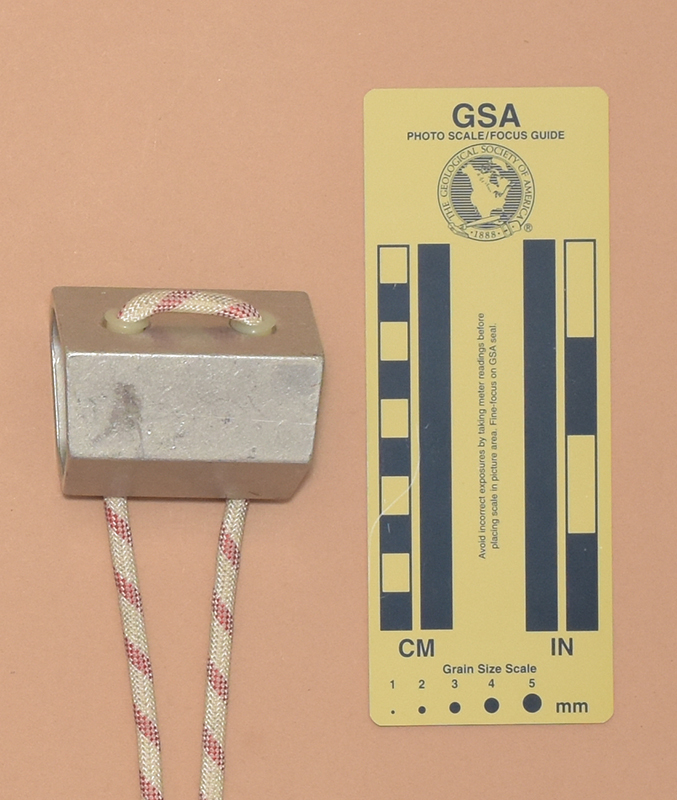 | 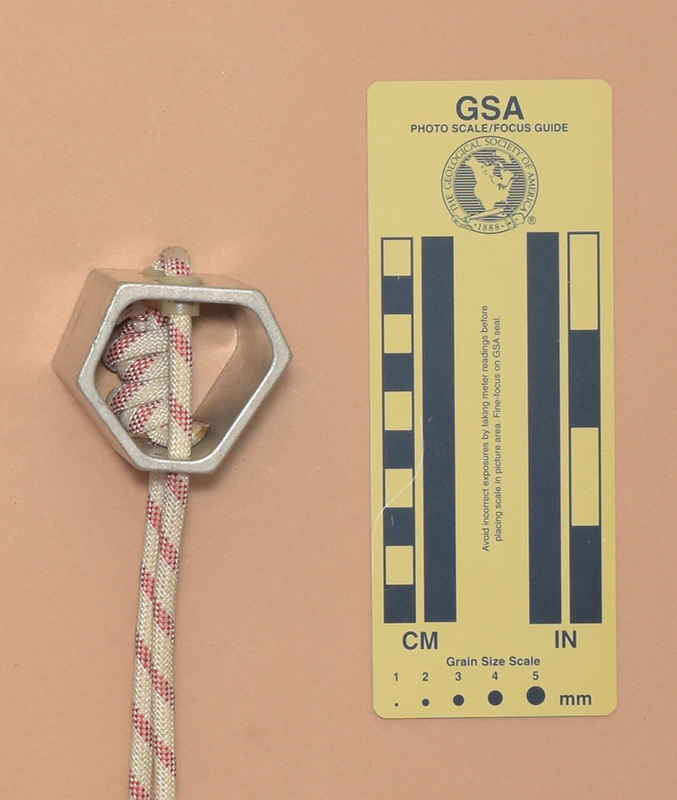 | 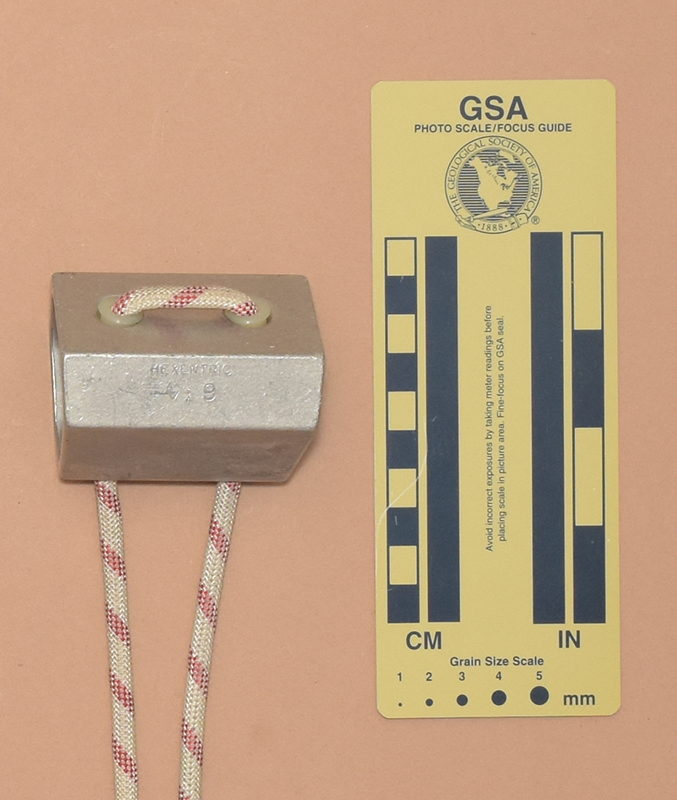 | 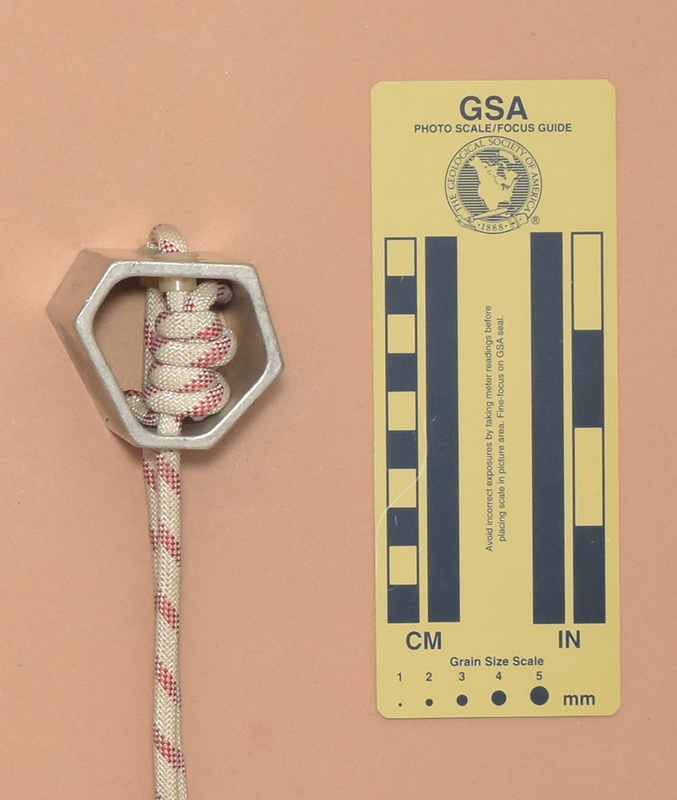 |
↑ 057: Chouinard Hexentric; #9
 | 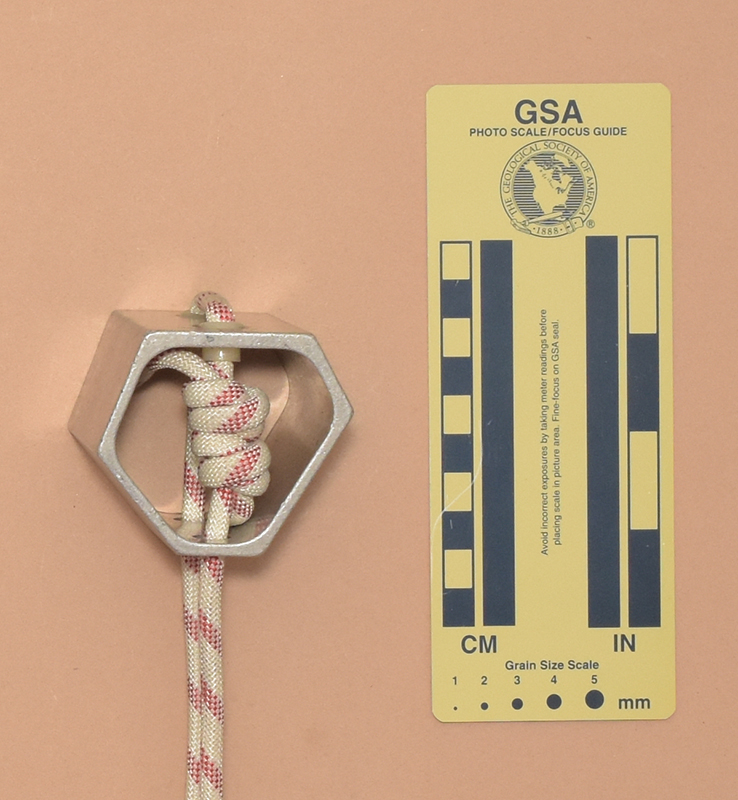 | 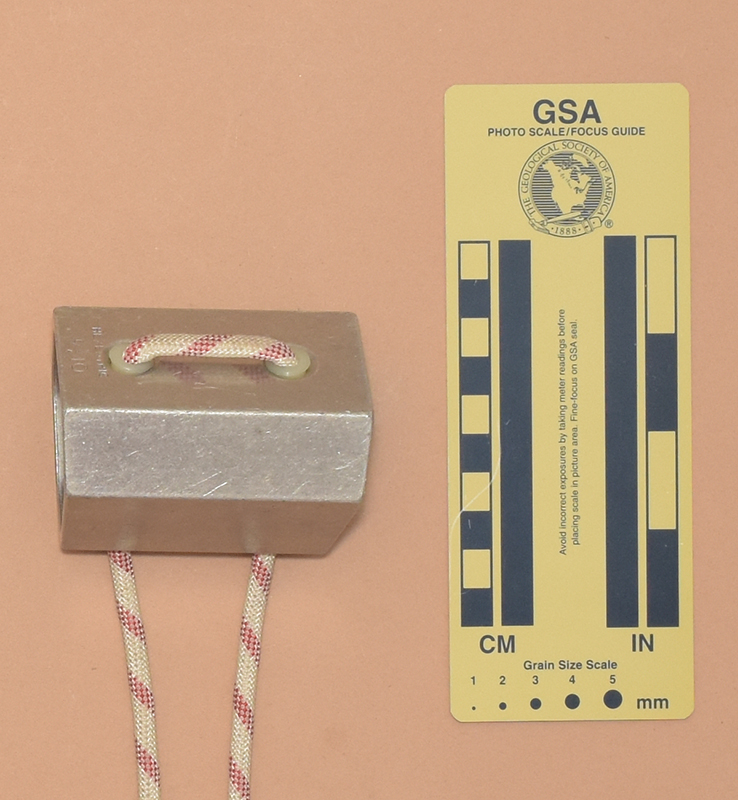 | 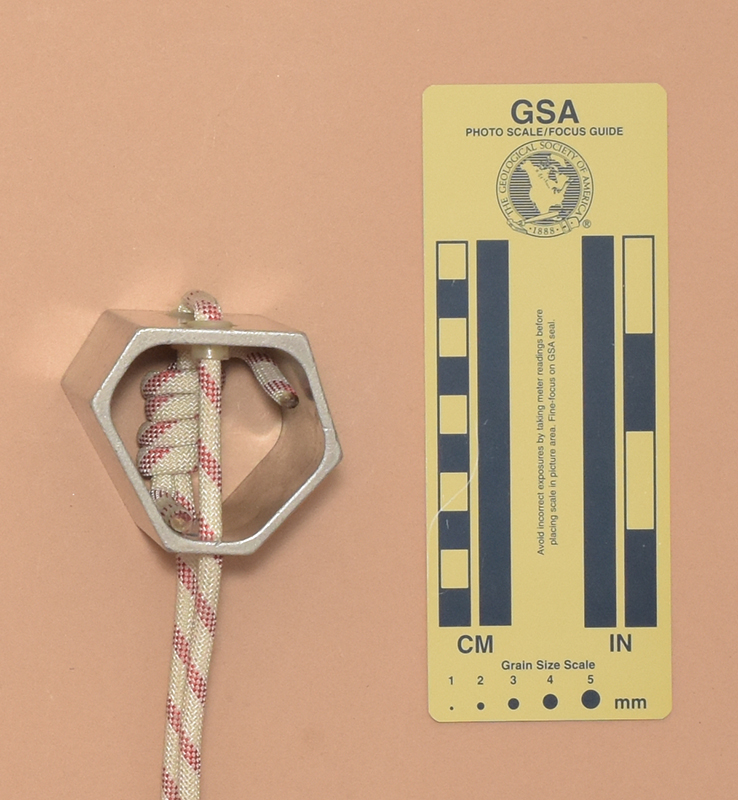 |
↑ 058: Chouinard Hexentric; #10
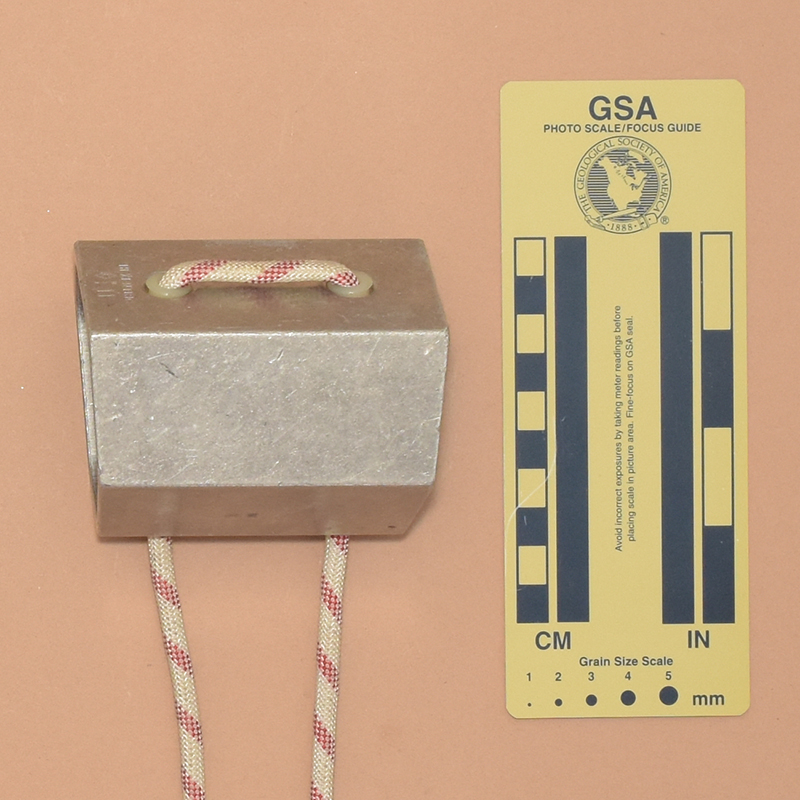 | 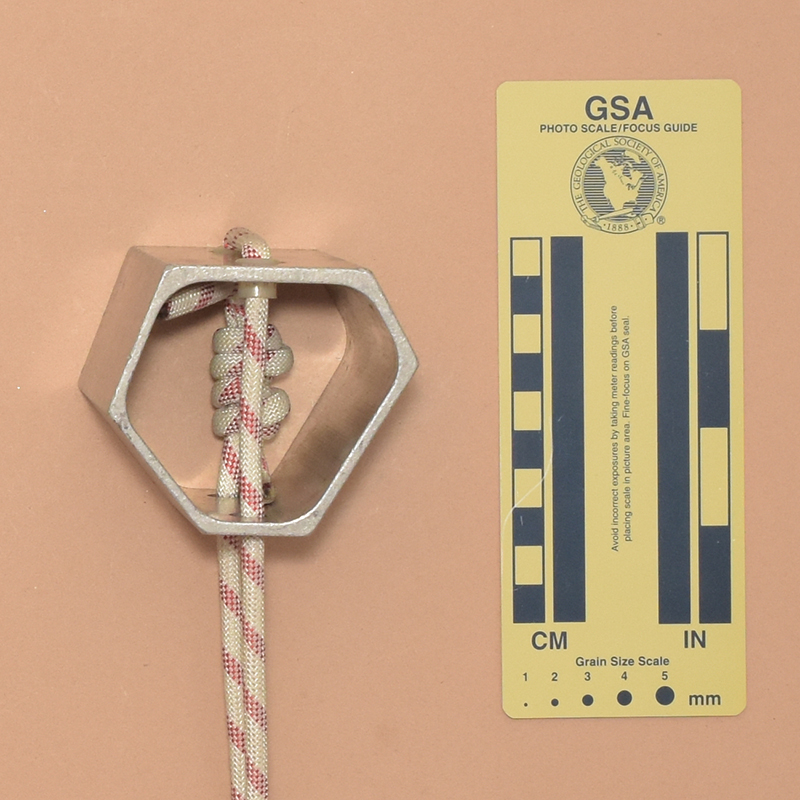 | 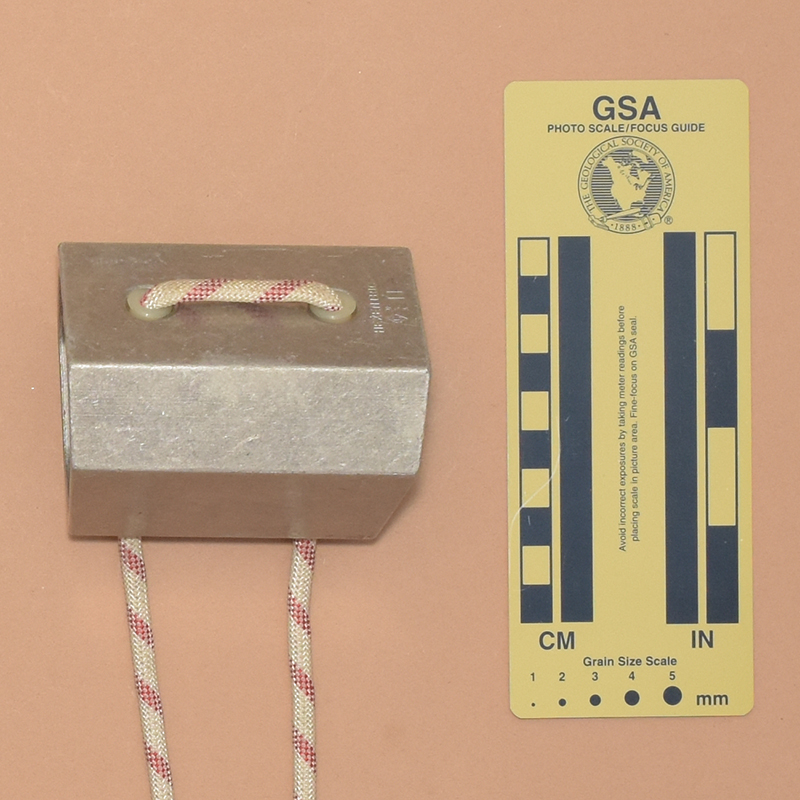 | 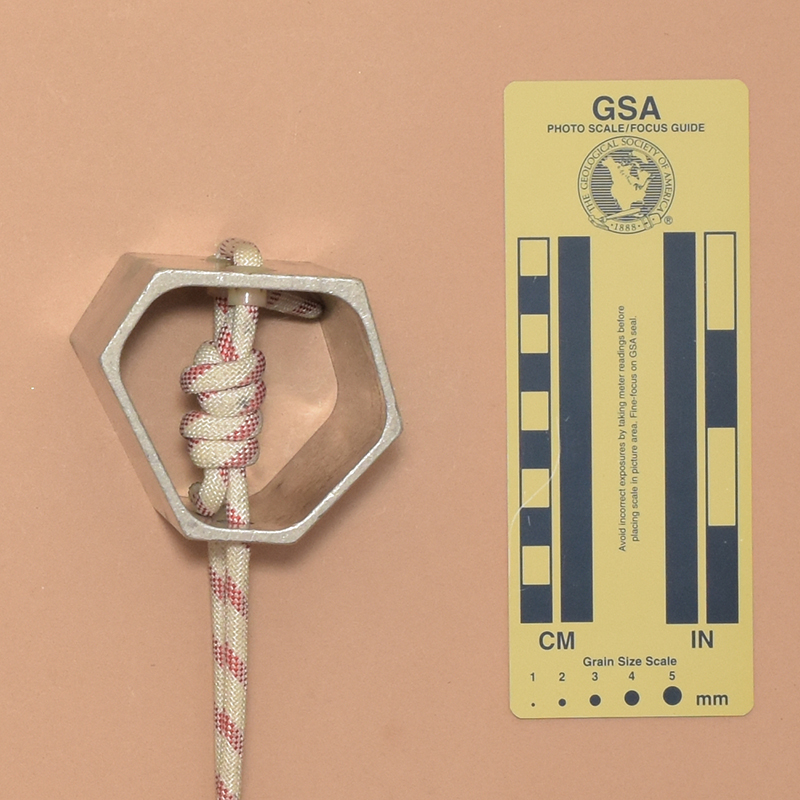 |
↑ 059: Chouinard Hexentric; #11
The 1976 Chouinard catalog says that their #8 through #11 Hexentrics were drilled to reduce weight. I have several drilled #7 Hexentrics as well. Presumably these came out soon after the others, perhaps in 1977. In 1980 Chouinard changed the wall thickness on their #7 through #11 Hexentrics and eliminated the holes, resulting in a stronger chock for essentially the same weight.
All of these have the basal groove found on the smaller second-generation Hexentrics Sizes #1 through #6 remained unchanged.
 |  |
↑ Set 148, 756-758, 323: Chouinard Drilled Hexentrics; #7–#11
 |  |  |  |
↑ 148: Chouinard Drilled Hexentric; #7
 |  |  |  |
↑ 756: Chouinard Drilled Hexentric; #8
 |  |  |  |
↑ 761: Chouinard Drilled Hexentric; #8
 |  |  |  |
↑ 757: Chouinard Drilled Hexentric; #9
 |  |  |  |
↑ 758: Chouinard Drilled Hexentric; #10
 |  |  |  |
↑ 323: Chouinard Drilled Hexentric; #11
Mike Gerbman drilled several Hexentrics to reduce weight. He used factory-drilled Hexentrics as patterns and carefully matched the commercial hole pattern. I find it difficult to confidently separate the factory-drilled Hexentrics from the home-drilled ones. I found that the factory-drilled Hexentrics were deburred with a wire wheel and this left tell-tale marks inside the Hexentric, while Mike's do not have these marks.
All of these have the basal groove found on the smaller second-generation Hexentrics
 |  |
↑ Set 759, 760, 762, 763: Chouinard Home–Drilled Hexentrics; #7–#9, #11
 |  |  |  |
↑ 759: Chouinard Home–Drilled Hexentric; #7
 |  |  |  |
↑ 760: Chouinard Home–Drilled Hexentric; #8
 |  |  |  |
↑ 811: Chouinard Home–Drilled Hexentric; #8
 |  |  |  |
↑ 762: Chouinard Home–Drilled Hexentric; #9
 |  |  |  |
↑ 763: Chouinard Home–Drilled Hexentric; #11
Chouinard's Tube Chocks addressed the need for placing clean protection in wide cracks. They offered a significant weight savings over what equivalent-sized hexes could have provided.

 |  |  |  |
↑ 031: Chouinard Tube Chock; #4
 |  |  |  |
↑ 626: Chouinard Tube Chock; #4½
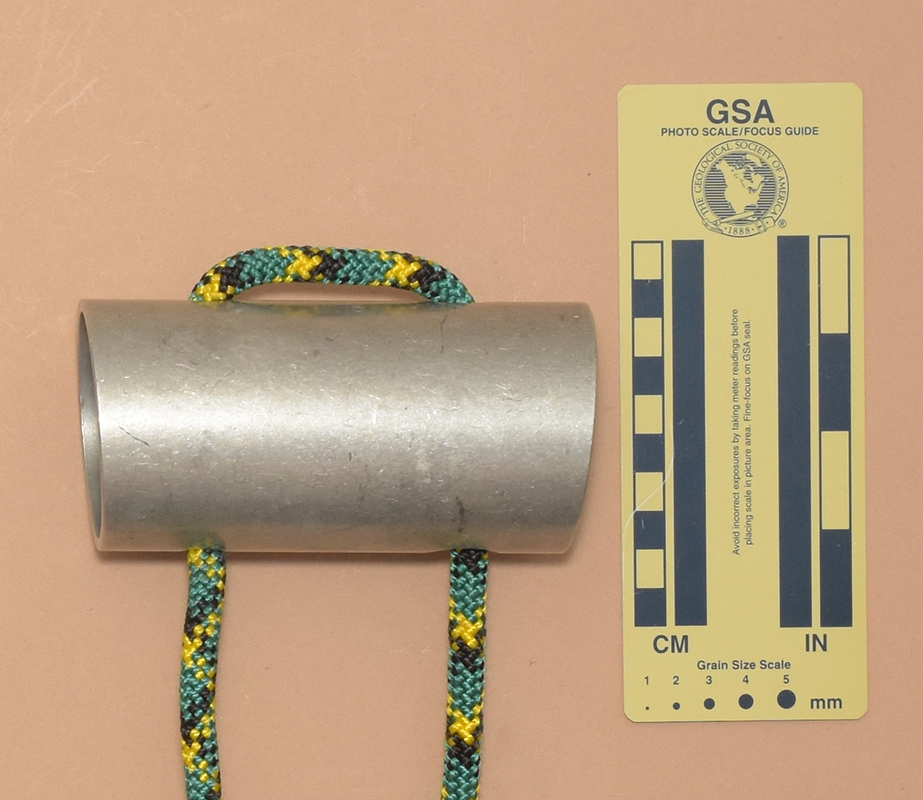 | 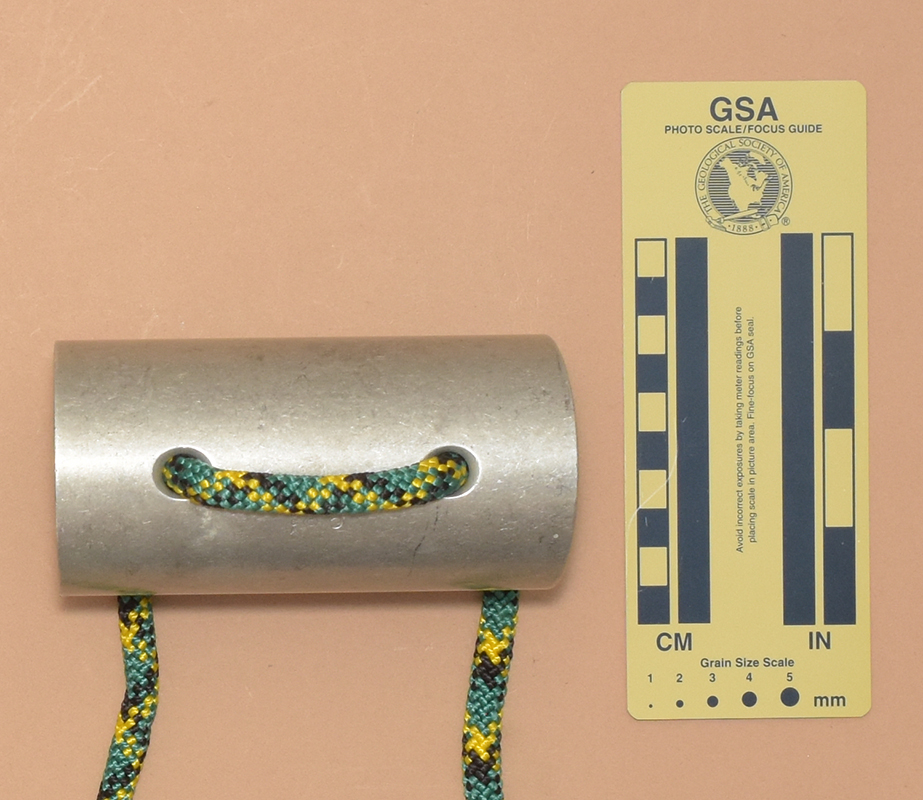 | 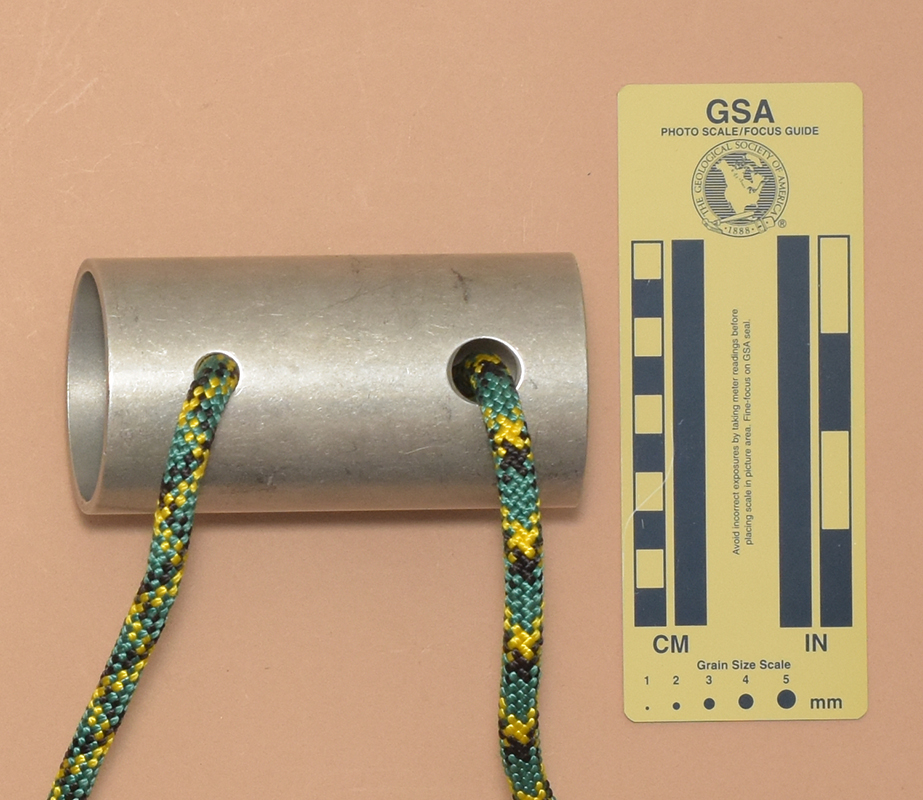 | 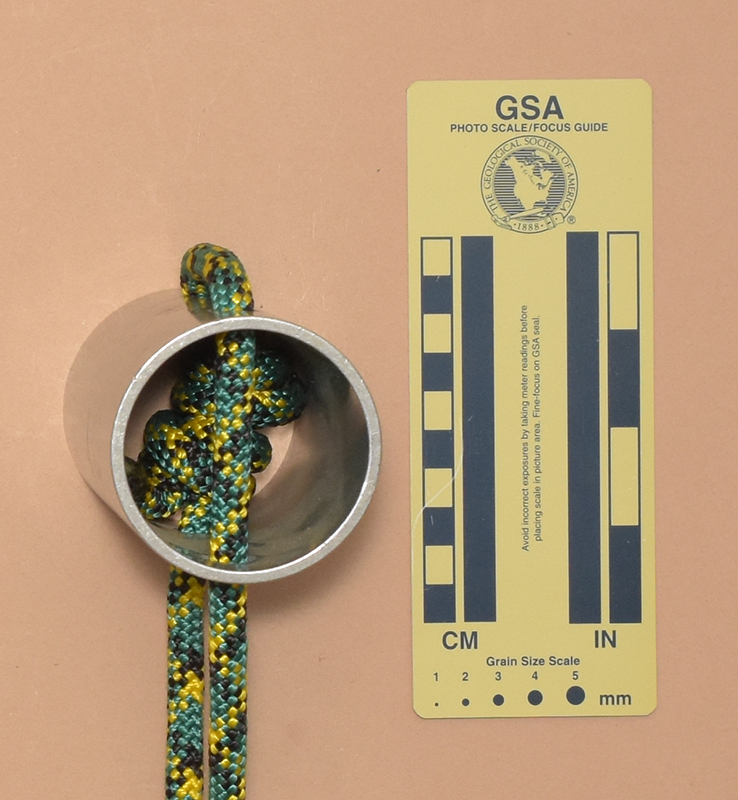 |
↑ 841: Chouinard Tube Chock; #5
 |  |  |  |
↑ 791: Chouinard Tube Chock; #5½
 |  |  |  |
↑ 627: Chouinard Tube Chock; #5½
 |  |  |  |
↑ 809: Chouinard Tube Chock; #6
 |  |  |  |
↑ 032: Chouinard Tube Chock; #4
 |  |  |  |
↑ 033: Chouinard Tube Chock; #4½
 |  |  |  |
↑ 034: Chouinard Tube Chock; #5
 |  |  |  |
↑ 035: Chouinard Tube Chock; #5½
 |  |  |  |
↑ 036: Chouinard Tube Chock; #6
 |  |  |  |
↑ 808: Chouinard Drilled Tube Chock; #4
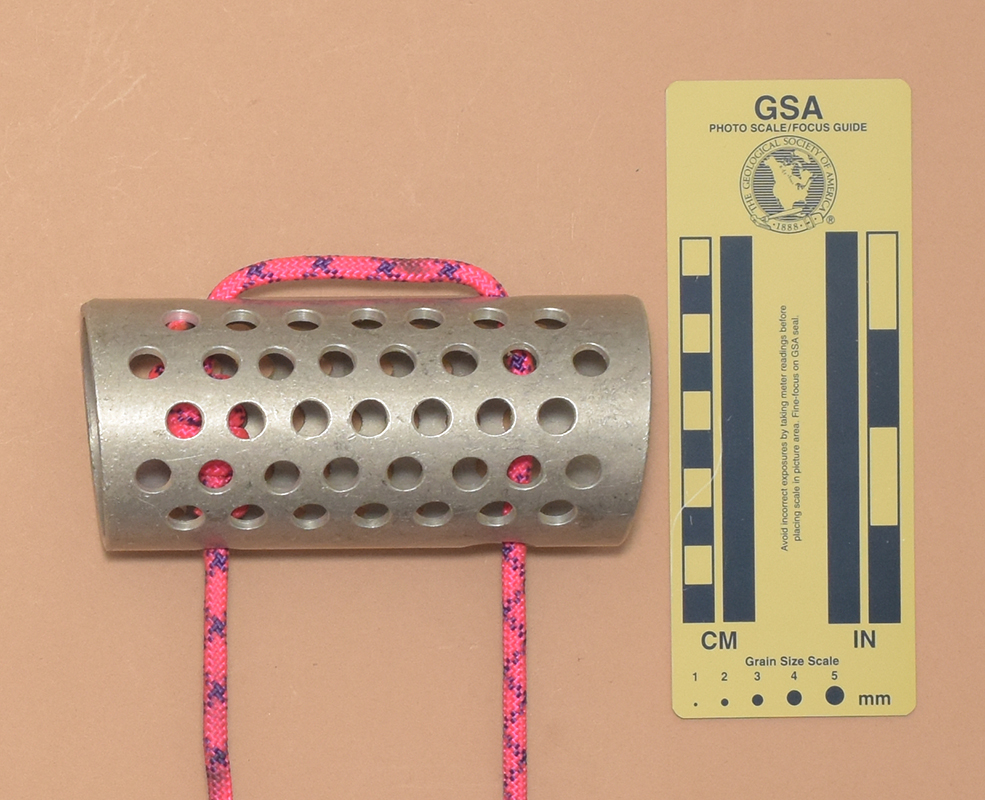 | 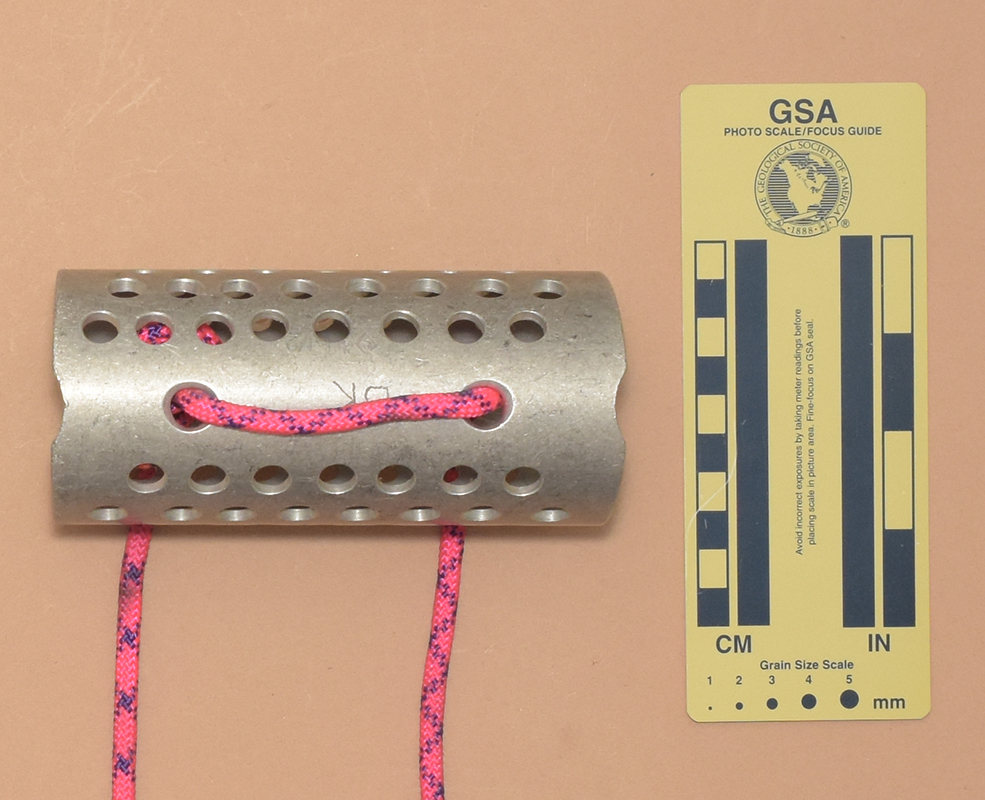 | 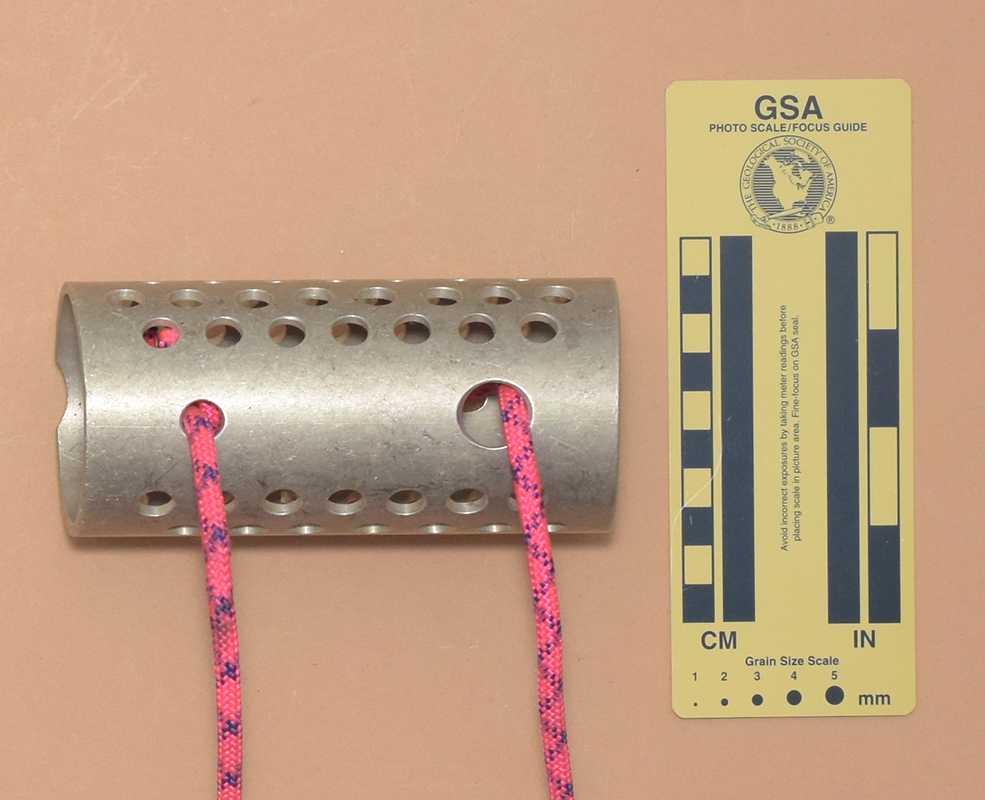 | 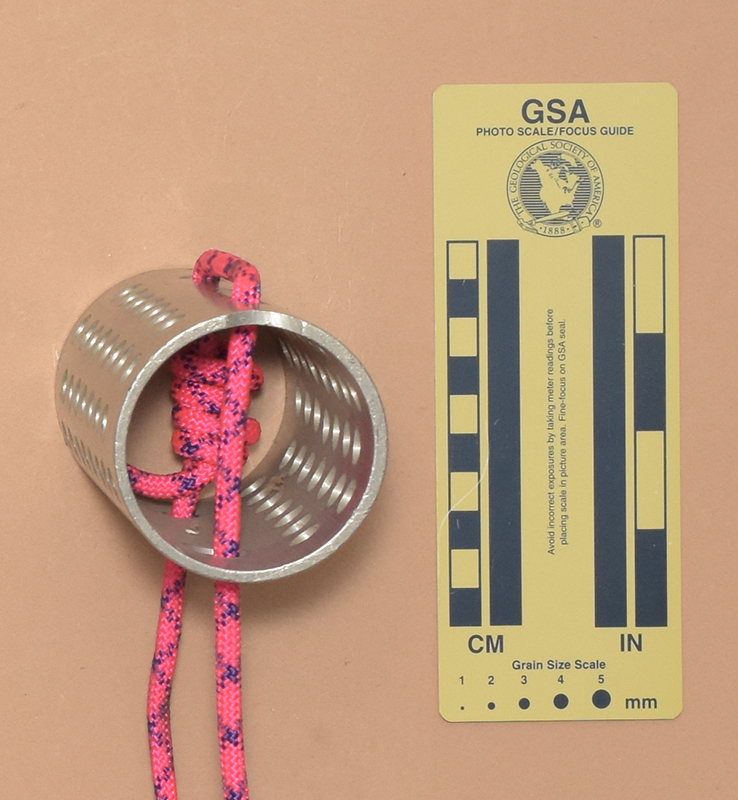 |
↑ 842: Chouinard Drilled Tube Chock; #5½