
Yvon Chouinard bought a second-hand coal-fired forge in 1957, and started making hardened steel pitons under the Great Pacific Iron Works name. Their success led him to form Chouinard Equipment, Ltd. He partnered with Tom Frost, and they moved their operation to Ventura California in 1967. The Chouinard product line expanded into a wade variety of climbing and related outdoor gear. In 1971-1972, they introduced Hexentrics and Stoppers. Frost left the operation in 1977, and his name was removed from ice axes and other products that had born the CBouinard-Frost name.
In 1968, during a trip to Italy to participate in the Trento Mountain Film Festival, Chouinard visited the CAMP factory in Premana with Hermann Huber (Salewa). Following this visit, an agreement was reached for CAMP to manufacture ice axes, pitons, Hexentrics and Stoppers for Chouinard (and later Black Diamond). This equipment was sold by CAMP with the double marking of the logos CHOUINARD and CAMP and, through 1980, the additionale logo of the INTERALP sales agent. All Chouinard equipment marked "Made in Italy" or "Italy" was manufactured by CAMP.
In 1989, Chouinard Equipment was facing a liability lawsuit. Chouinard had to separate the liability of Chouinard Equipment from the deep pockets of Patagonia, which he had founded in 1973. Chouinard Equipment filed for Chapter 11 bankruptcy to protect the firm's assets. The lawsuit ultimately went nowhere. Peter Metcalf, Maria Cranor and former Chouinard Equipment employees purchased the company assets in 1989, formed Black Diamond Equipment Ltd., and moved the firm to Salt Lake City Utah.
"RURP" stands for "Realized Ultimate Reality Piton." Chouinard developed the Rurp in 1959 to fit the thin seams found in Yosemite's walls. The earlier ones were to be strung with cord. Wired Rurps were introduced ca. 1984.
 |  |  |
↑ 077: Chouinard Rurp
Chouinard produced two concurrent series of offsets: Knifeblades and Bugaboos. I never understood why they needed different names. Their 1965 catalog offered one of each. The number of offerings increased, reaching two Knifeblades and six Bugaboos in their 1972 catalog. This chart is from that catalog:Later catalogs varied the number offered.
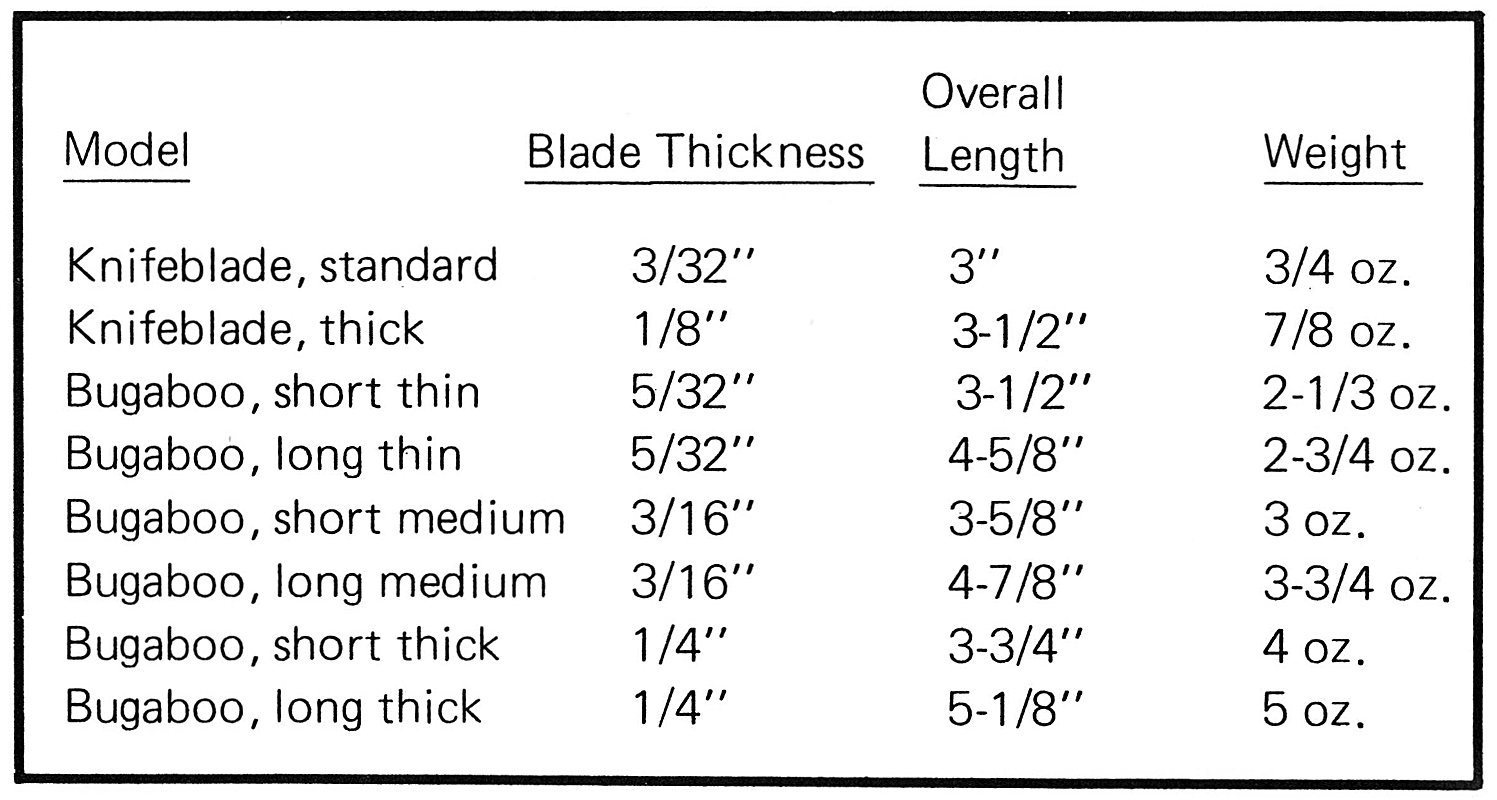
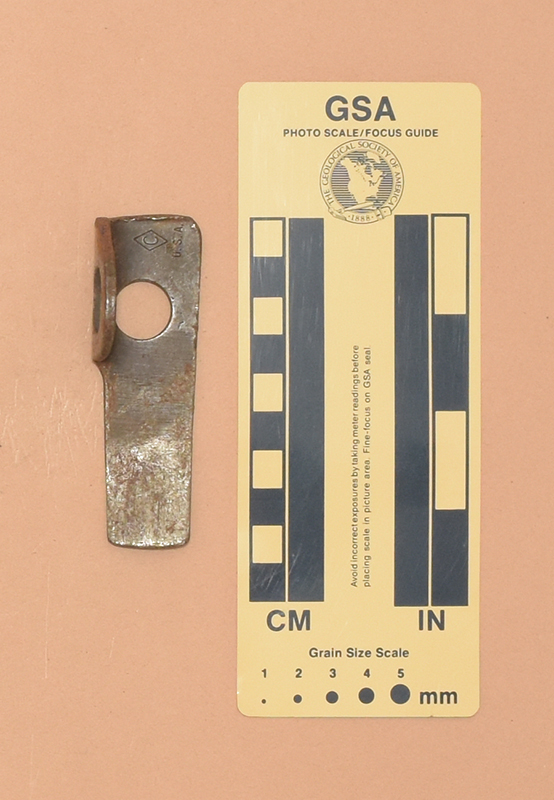
Later catalogs varied the number of Bugaboos offered. Sometime between 1981 and 1984, Chouinard increased the standard Knifeblade's thickness from 3/32" to 1/8" (2.4 to 3.2 mm.). It now matched the thick Knifeblade in thickness, making "thick" now mean "longer" when applied to Knifeblades. The other Knifeblade and Bugaboo sizes remained unchanged.
The original Knifeblades and Bugaboos had a single hole. Chouinard added a lightening hole in 1971.
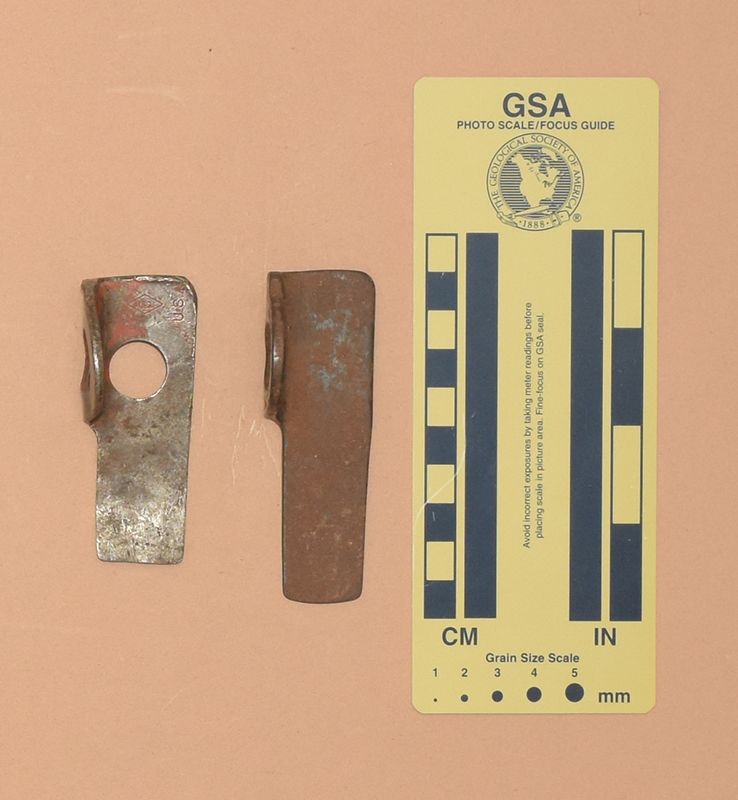 | 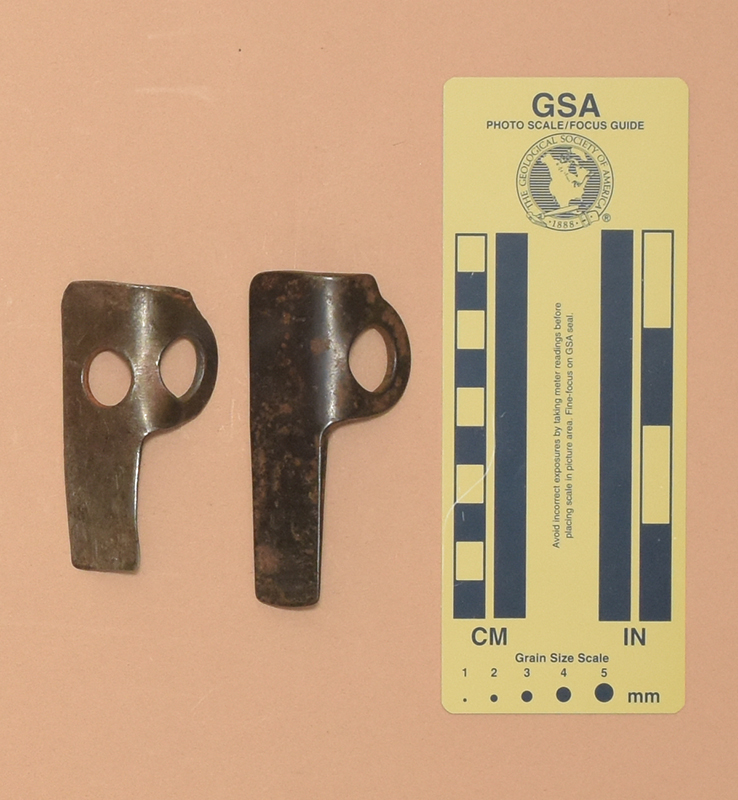 |
↑ Set 639, 130: Chouinard Knifeblades; Standard, Thick
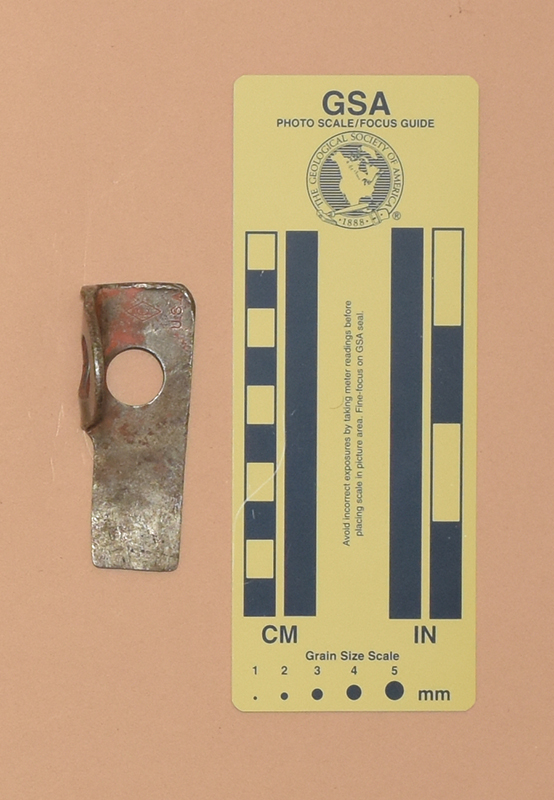 | 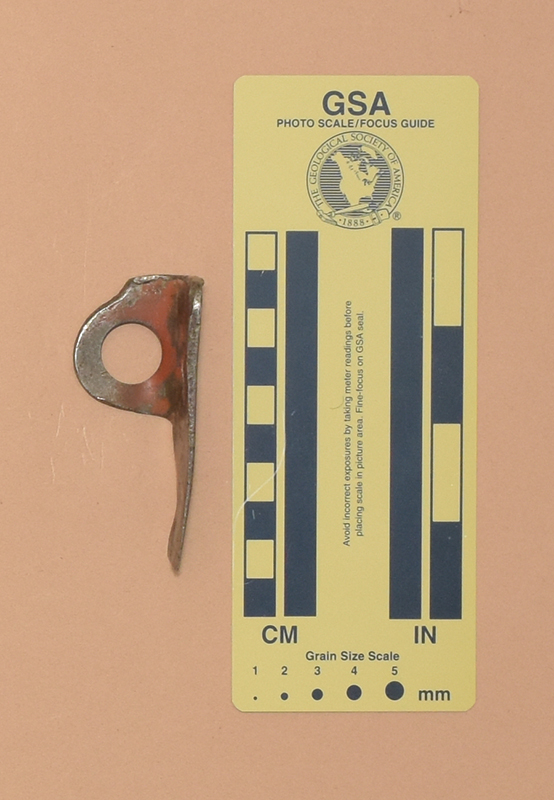 | 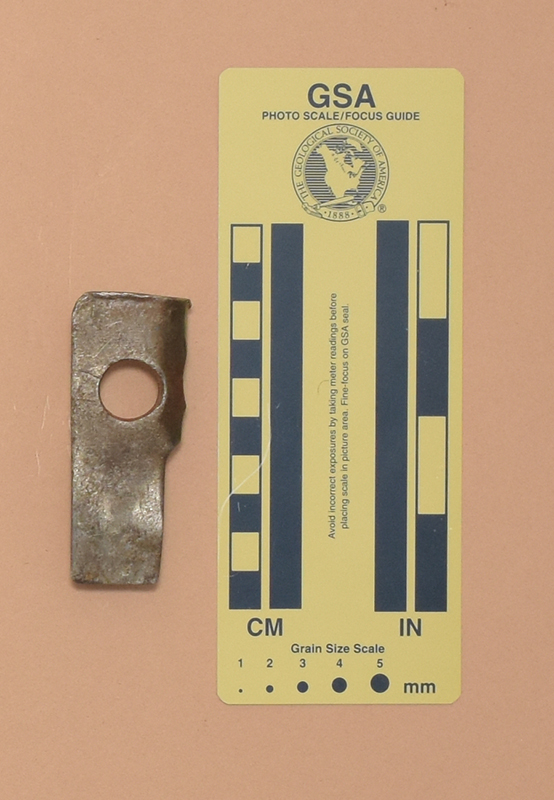 | 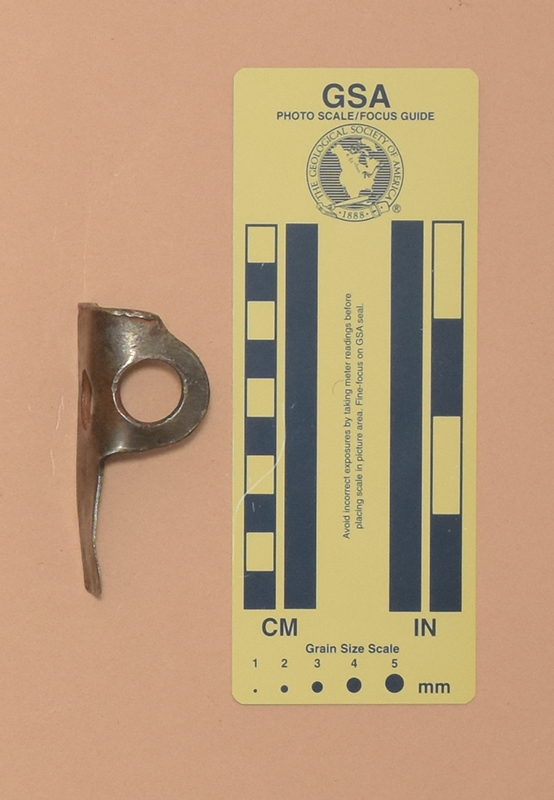 |
↑ 639: Chouinard Knifeblade; Standard
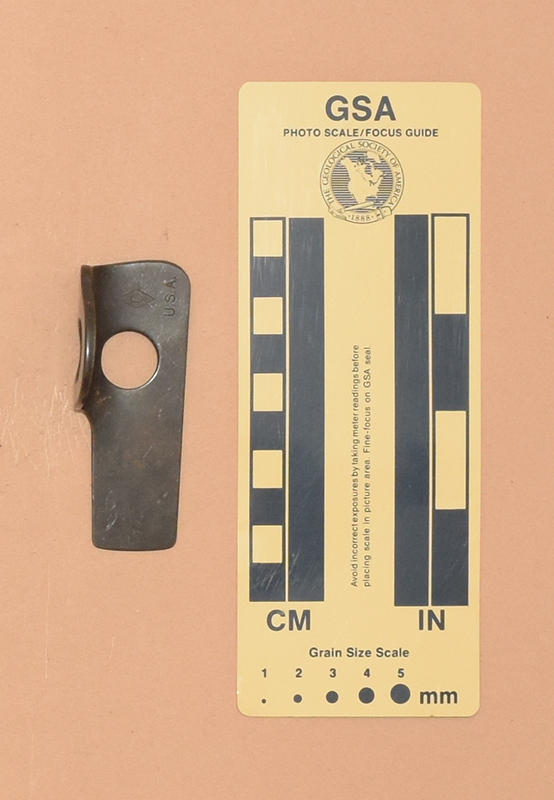 | 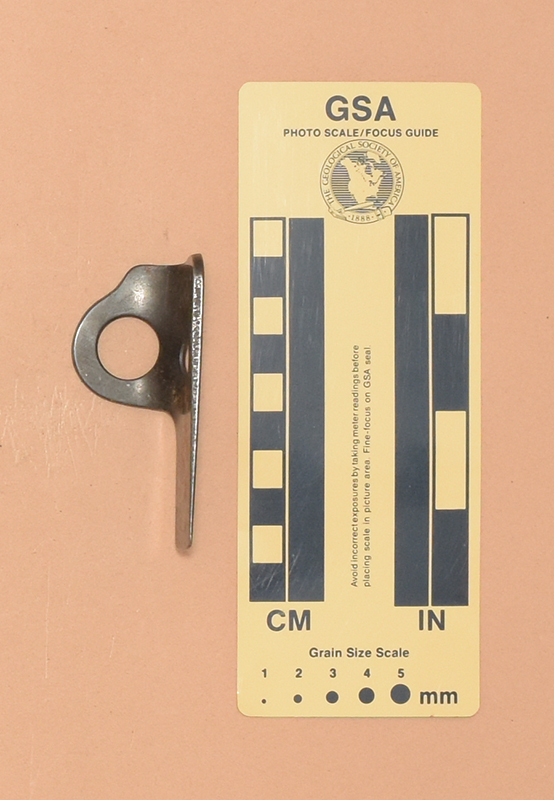 | 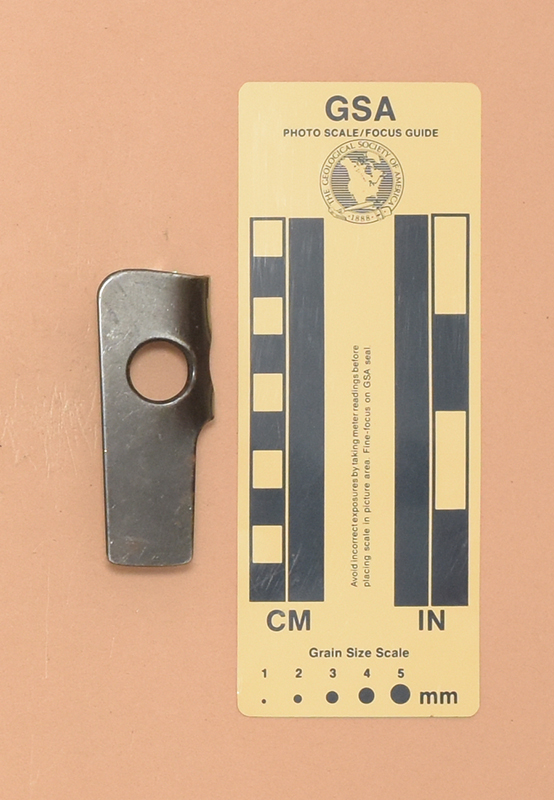 | 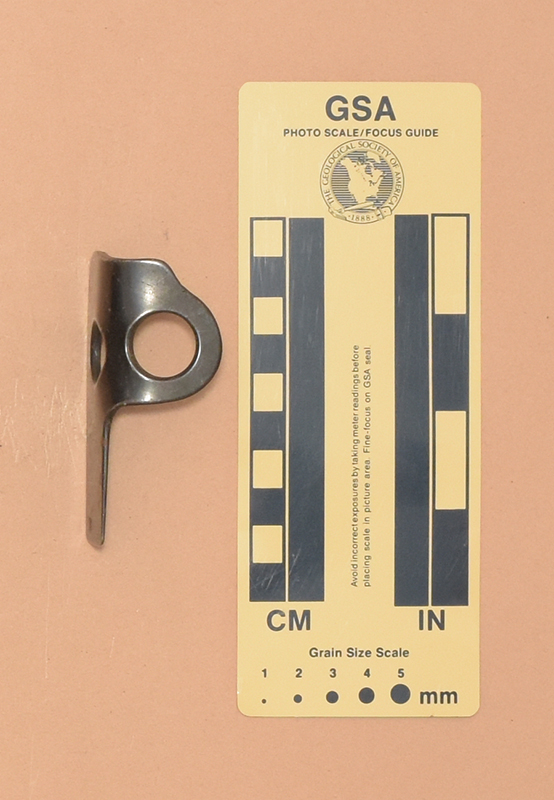 |
↑ 668: Chouinard Knifeblade; Standard
 |  |  |
↑ 130: Chouinard Knifeblade; Thick
 | 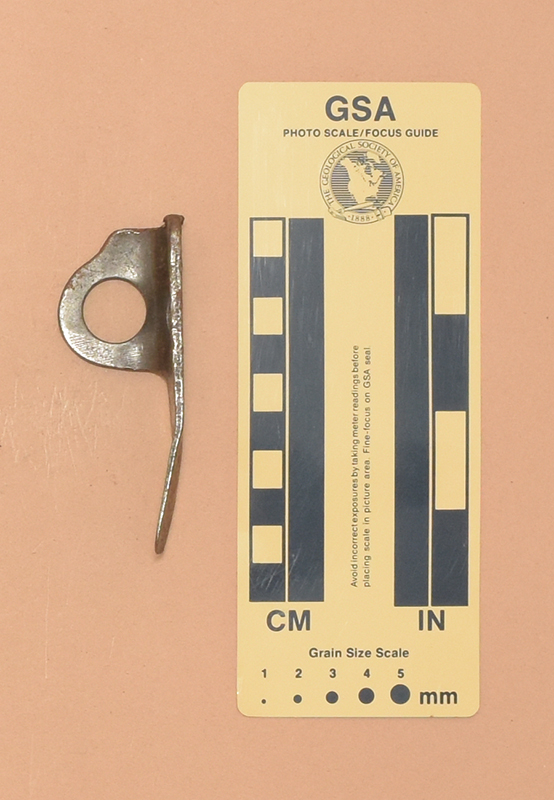 | 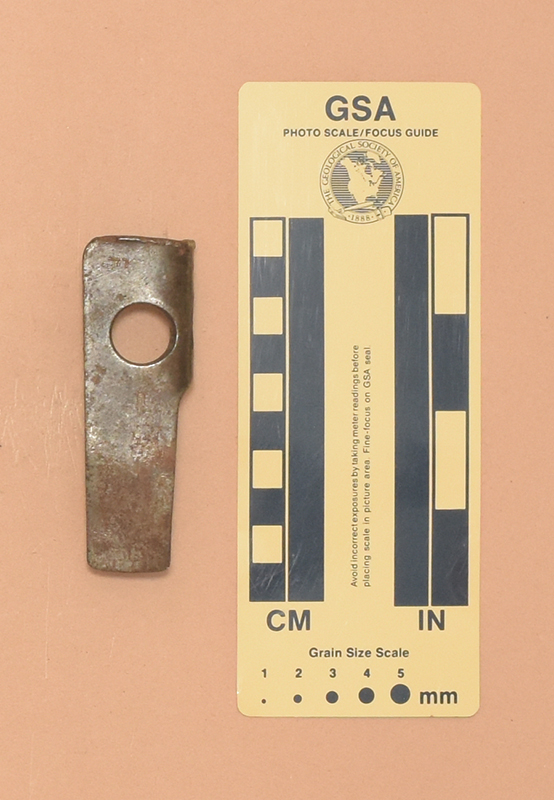 | 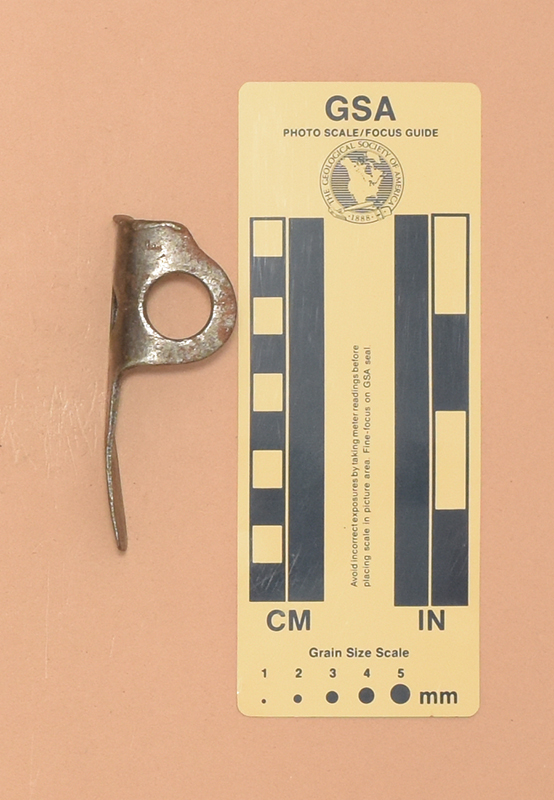 |
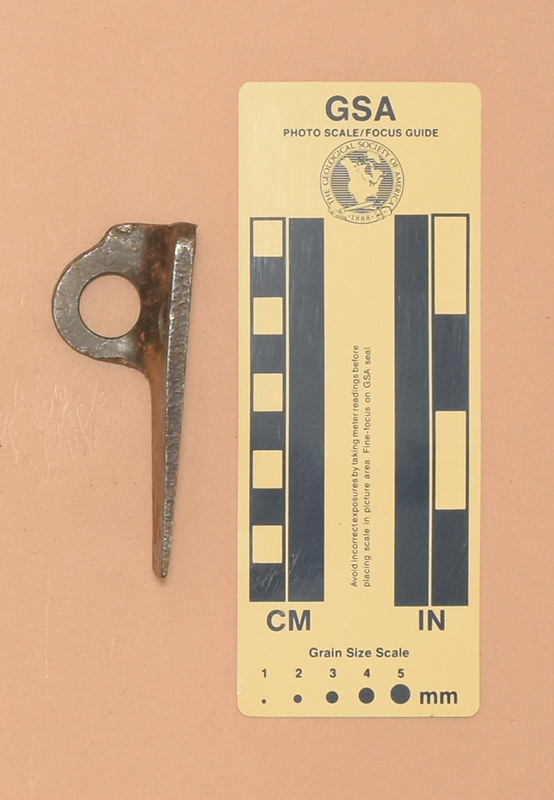
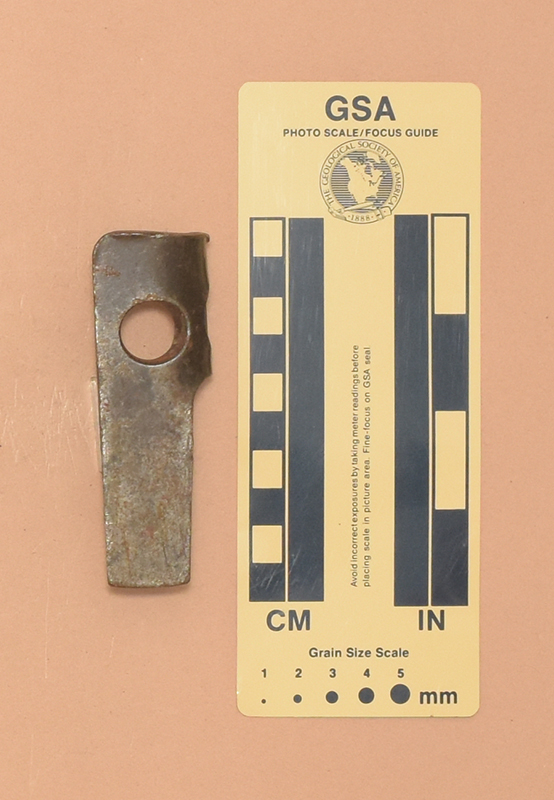
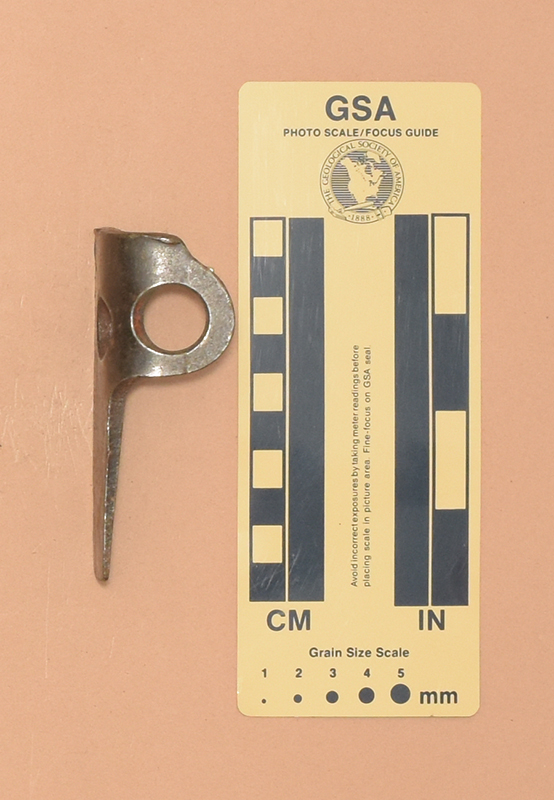
↑ 669: Chouinard Bugaboo; Short Thin
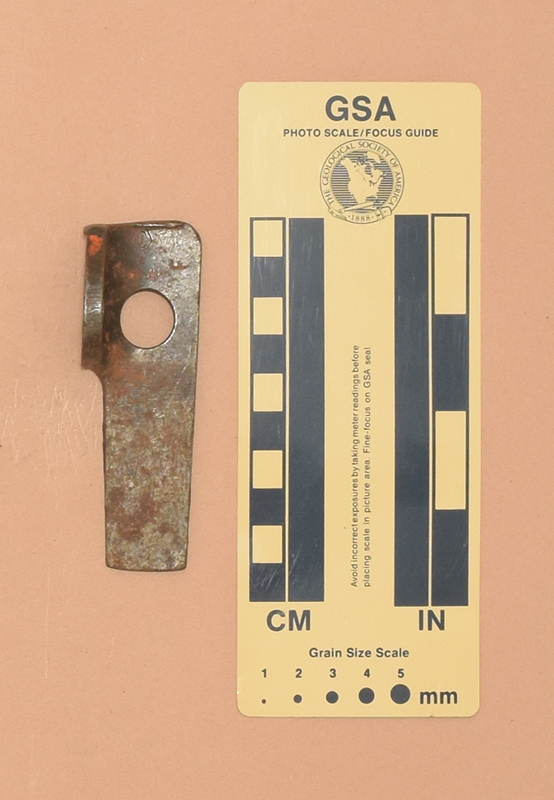 |  |  |  |
↑ 670: Chouinard Bugaboo; Short Thick
 |  |
↑ Set 076, 440-444, 075: Chouinard Lost Arrows
 |  |  |  |
↑ 076: Chouinard Lost Arrow
 |  |  |  |
↑ 440: Chouinard Lost Arrow
 |  |  |  |
↑ 441: Chouinard Lost Arrow
 |  |  |  |
↑ 442: Chouinard Lost Arrow
 |  |  |  |
↑ 443: Chouinard Lost Arrow
 |  |  |  |
↑ 444: Chouinard Lost Arrow
 |  |  |  |
↑ 075: Chouinard Lost Arrow
 |  |
↑ Set 356, 357, 382, 358, 345, 359: Chouinard Angles
 |  |  |  |
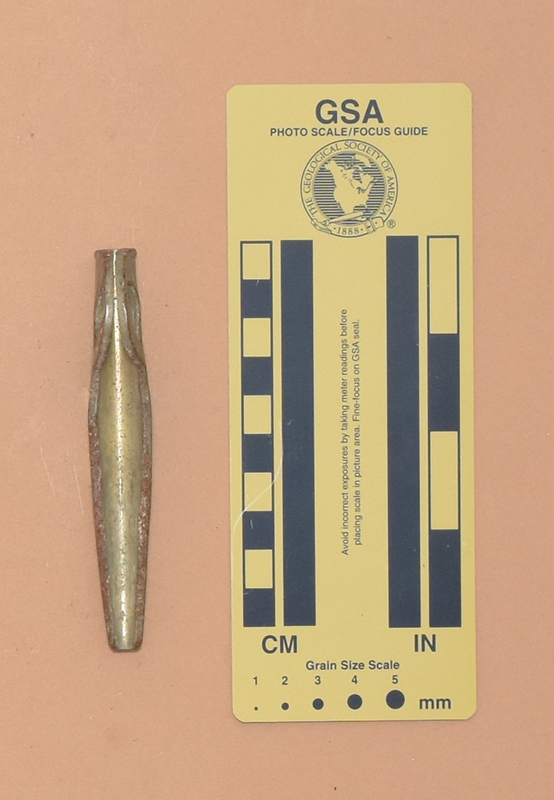
↑ 356: Chouinard Angle
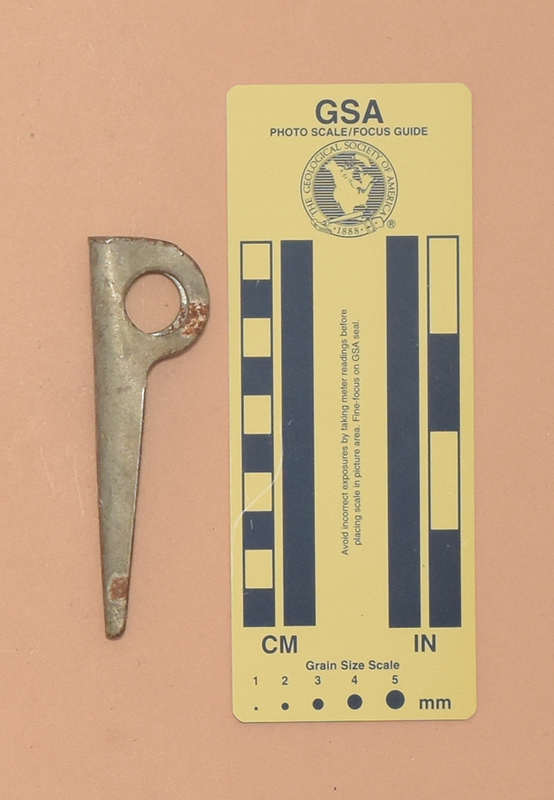 |  | 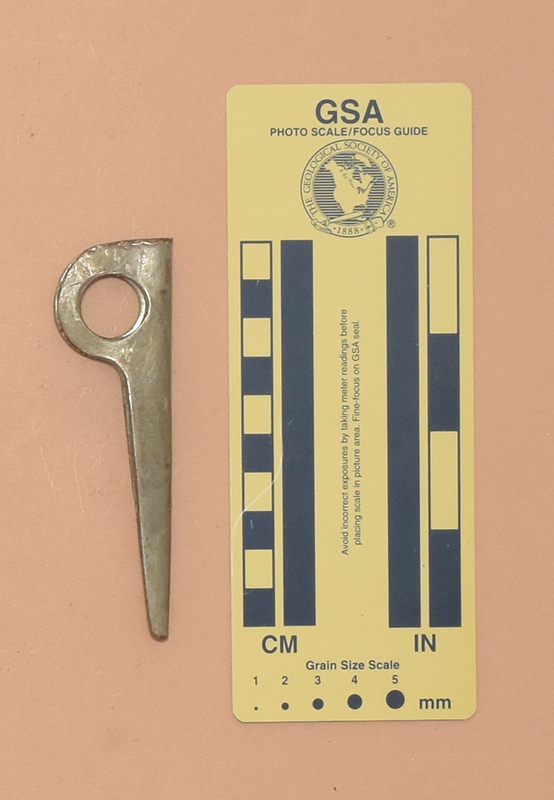 |  |
↑ 616: Chouinard Angle; ½ in.
 |  |  |  |
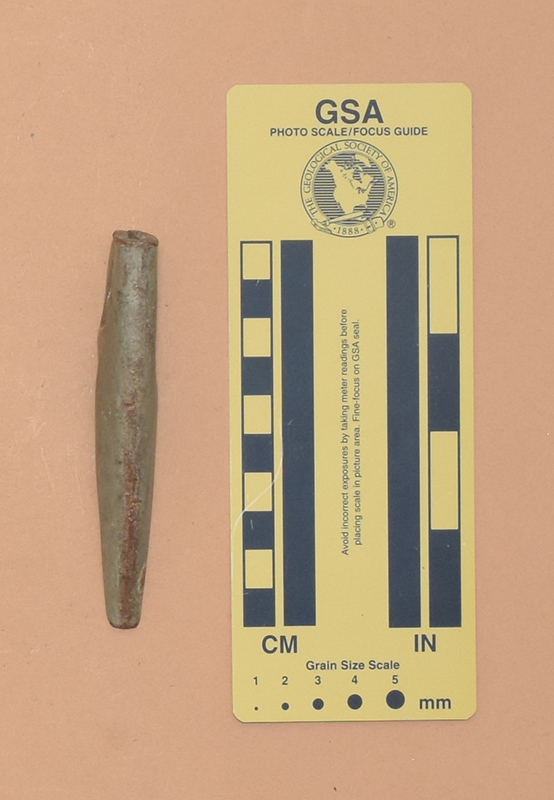
↑ 357: Chouinard Angle
 |  |  |  |
↑ 382: Chouinard Angle
 |  |  |  |
↑ 358: Chouinard Angle
 |  |  |  |
↑ 359: Chouinard Angle
 |  |  |  |
↑ 345: Chouinard Angle
Chouinard introduced steel Bong Bongs by 1960. The initial ones, of which I have no examples, did not have the extra holes that reduce weight and provide more clipping options. All of mine have these extra holes. Chouinard discontinued their steel Bong Bongs in 1971 after noting that aluminum Bong Bongs caused less rock damage than steel Bong Bongs.
 |  |  |  |
↑ 445: Chouinard Bong Bong
 |  |  |  |
↑ 104: Chouinard Bong Bong
 |  |  |  |
↑ 105: Chouinard Bong Bong
 |  |  |  |
↑ 106: Chouinard Bong Bong
 |  |  |  |
↑ 107: Chouinard Bong Bong
Chouinard made aluminum Bong Bongs as early as 1961. Noting that aluminums caused less rock damage than steel Bong Bongs, they discontinued the latter in 1972.

 |  |  |  |
↑ 298: Chouinard/C.A.M.P./Interalp Bong Bong
 |  |  |  |
↑ 351: Chouinard Bong Bong
 |  |  |  |
↑ 344: Chouinard Bong Bong
 |  |  |  |
↑ 352: Chouinard/C.A.M.P./Interalp Bong Bong
 |  |  |  |
↑ 108: Chouinard Bong Bong
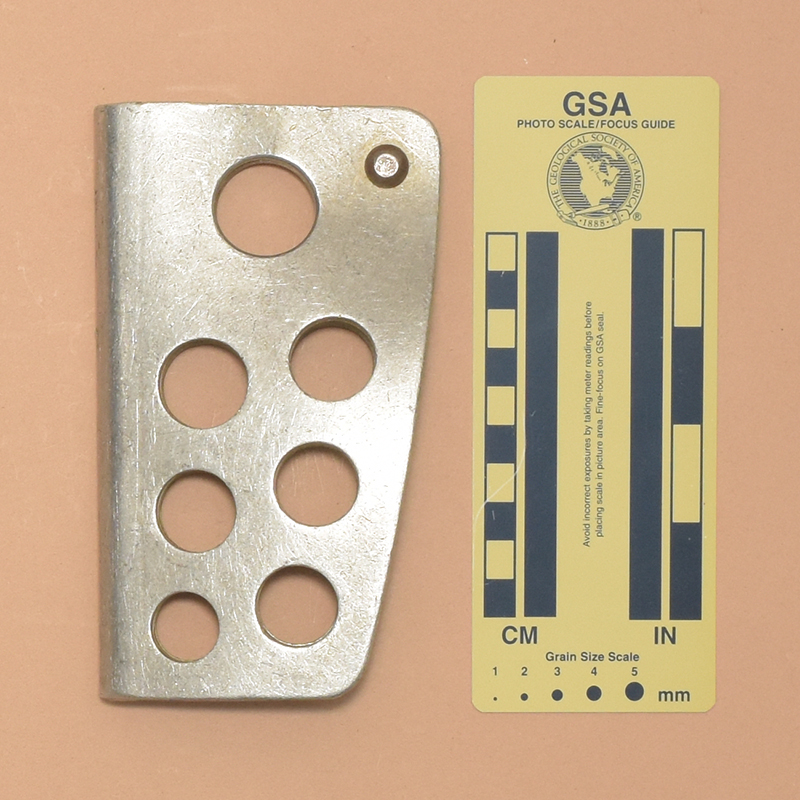 | 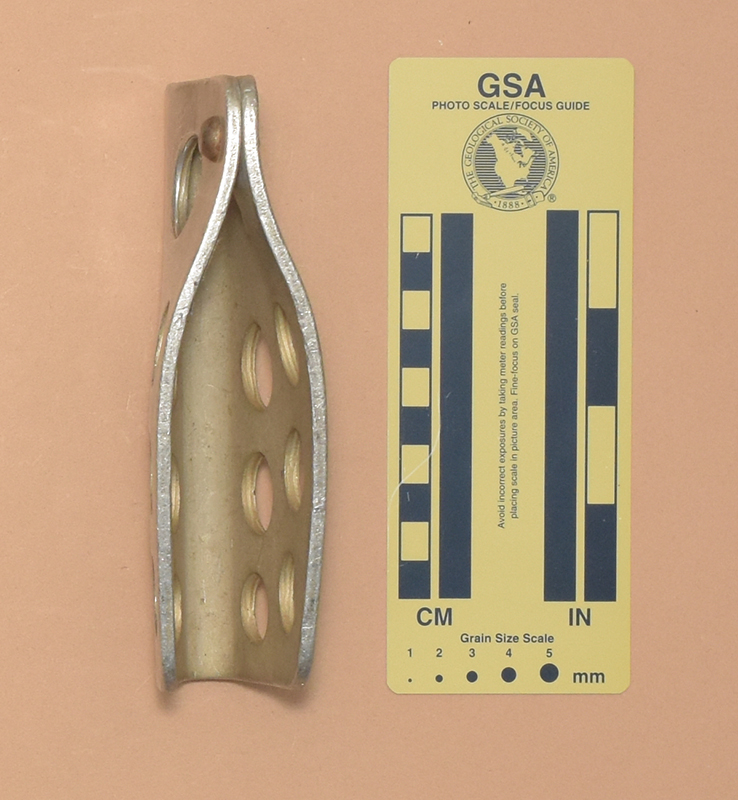 | 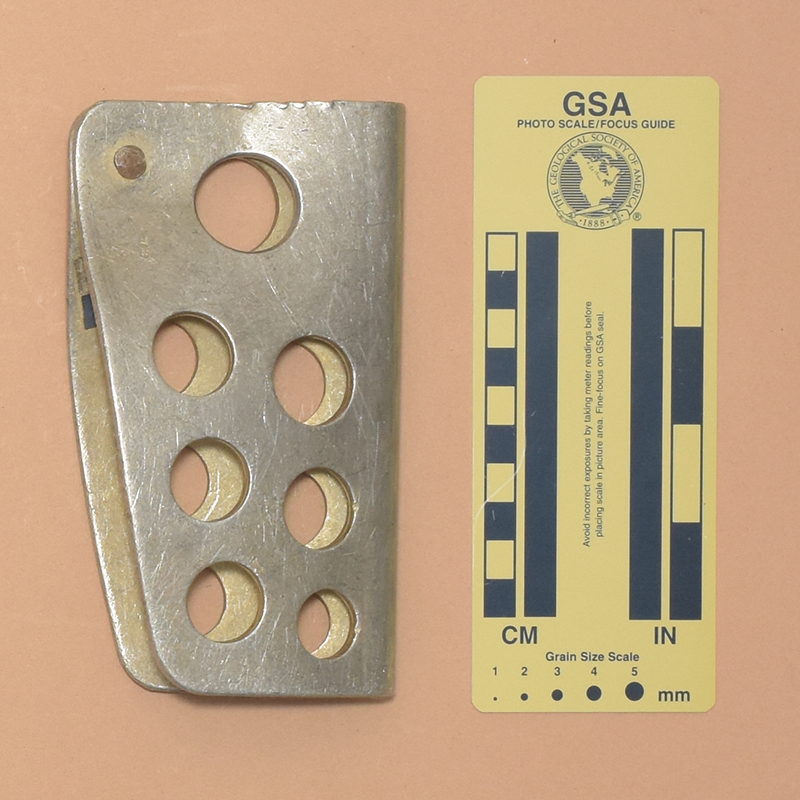 | 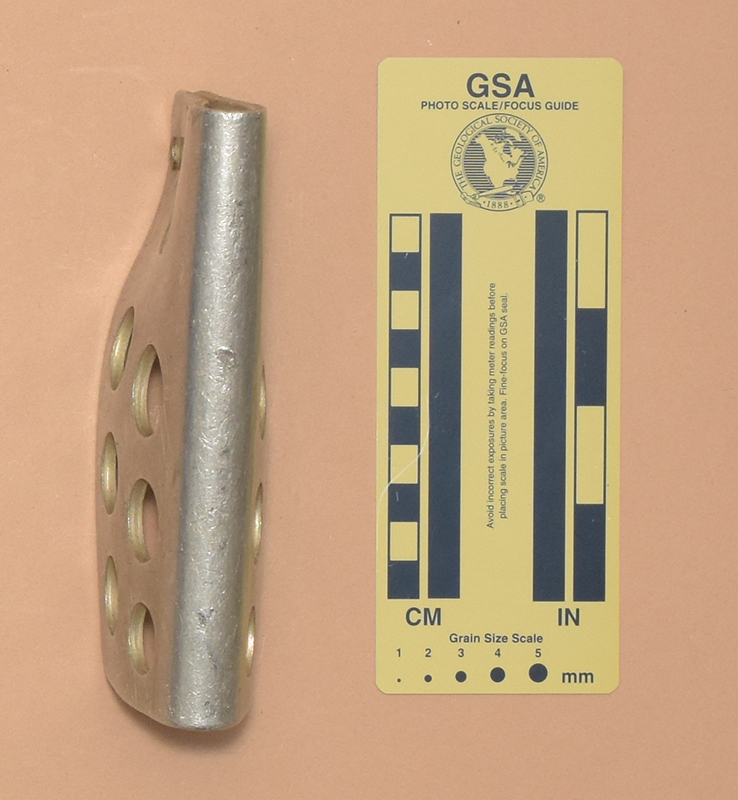 |
↑ 664: Chouinard Bong Bong
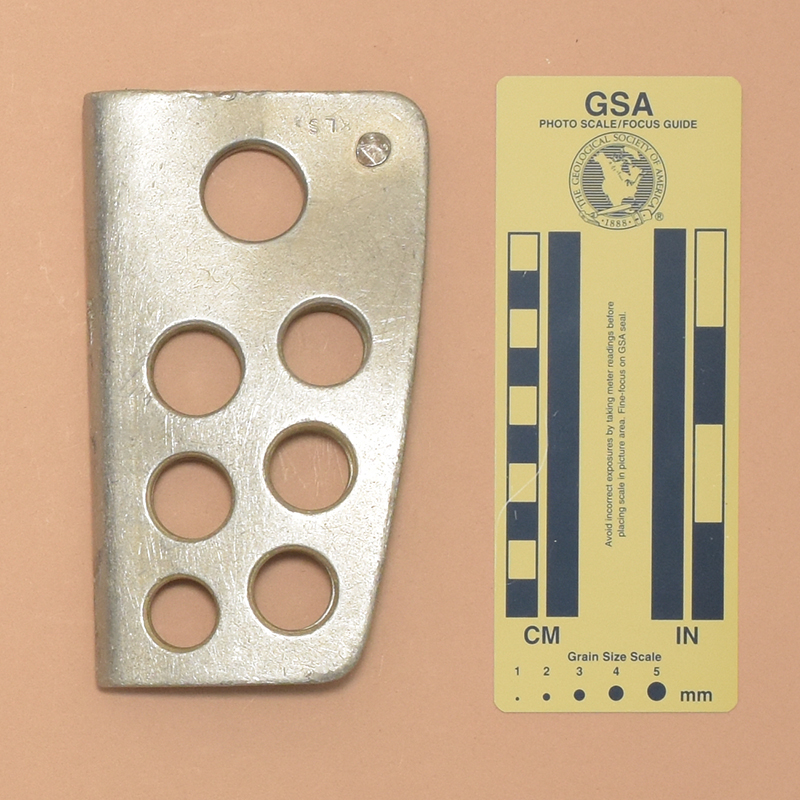 | 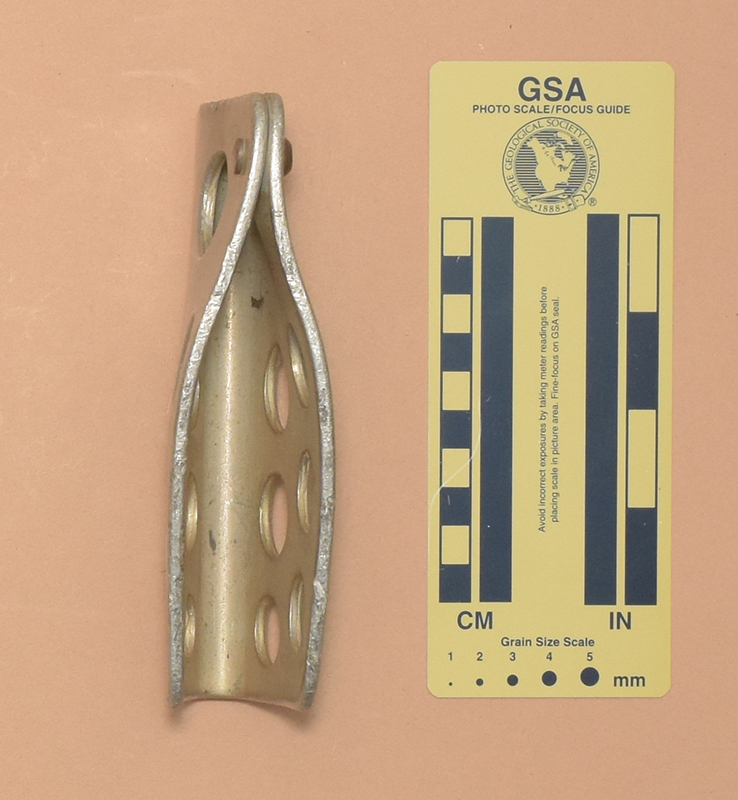 | 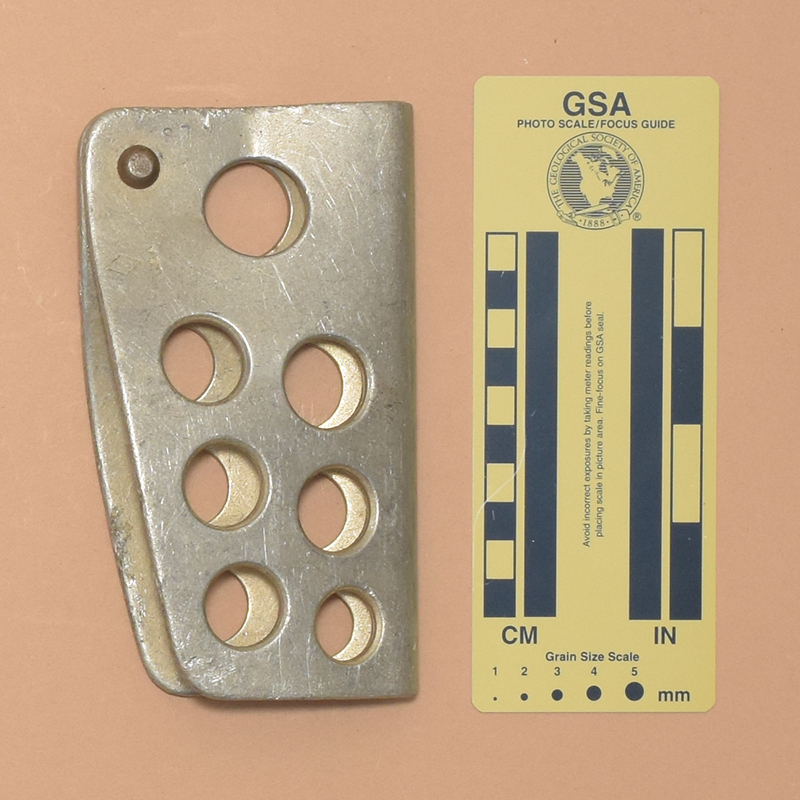 | 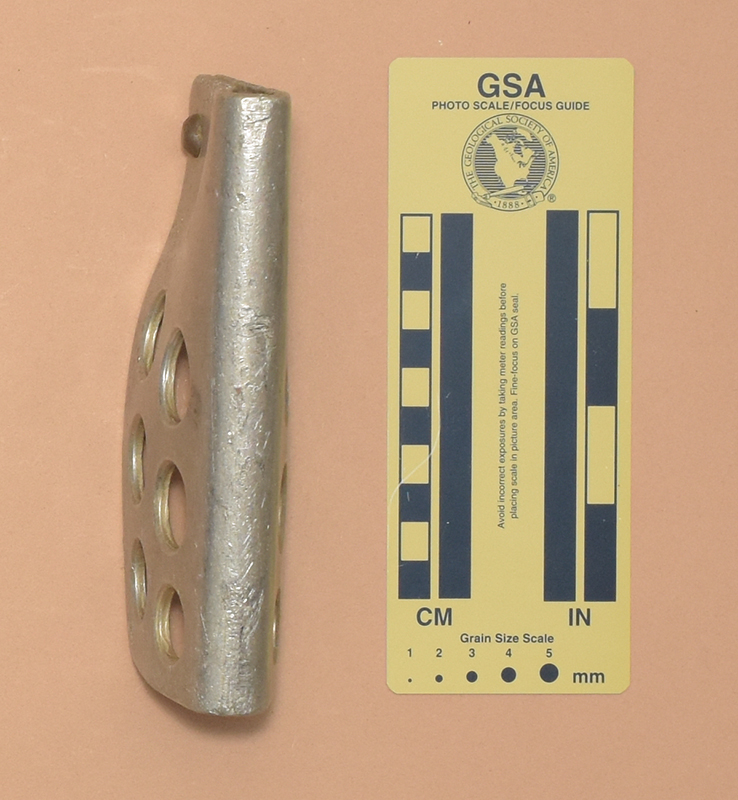 |
↑ 665: Chouinard Bong Bong
 |  |  |  |
↑ 109: Chouinard Bong Bong
 |  |  |  |
↑ 353: Chouinard Bong Bong