This page will not fit into a tiny viewport. Please choose a full-size monitor with a full-width window or select the abridged New Wave pages.


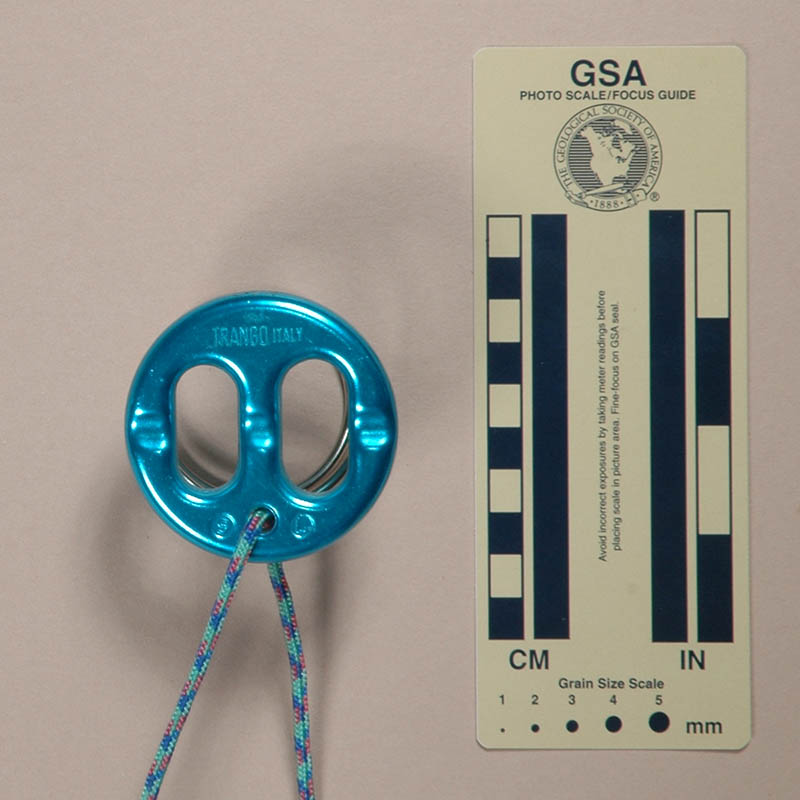
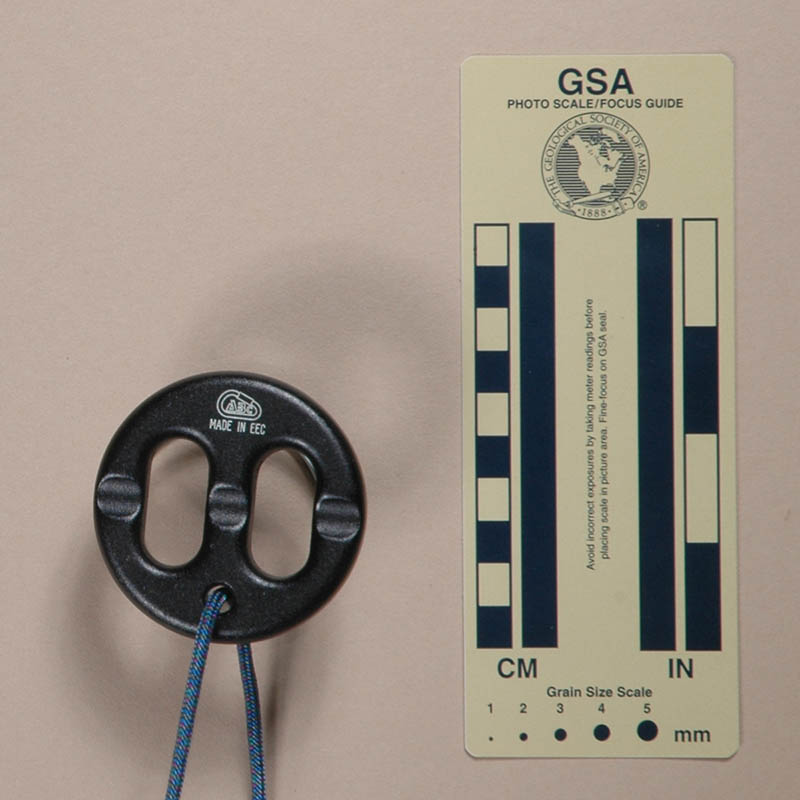
Bigger Brake, Version A

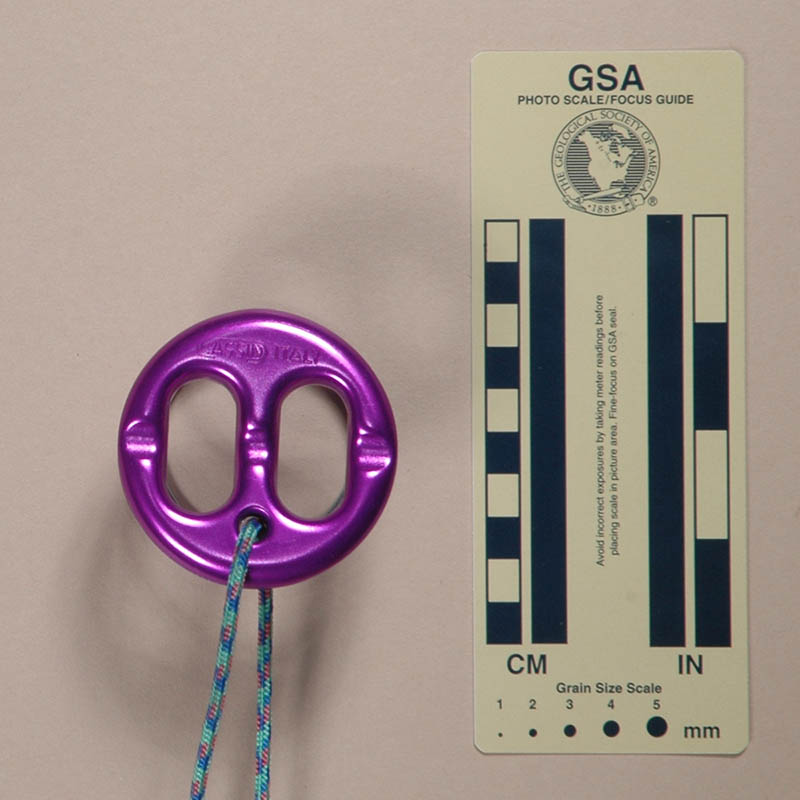
Bigger Brake, Version B
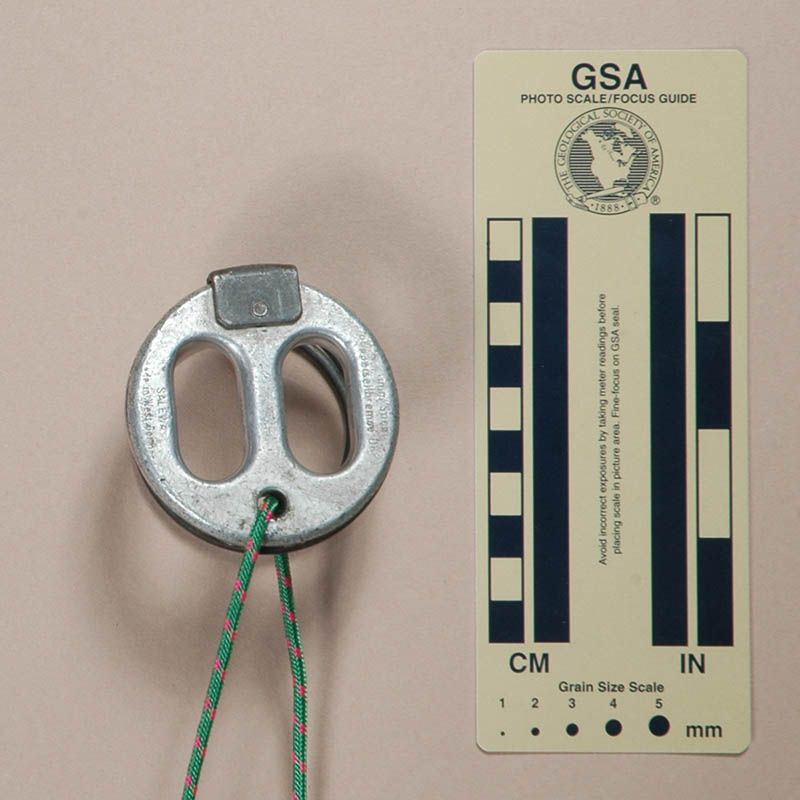
Bigger Brake, Version C
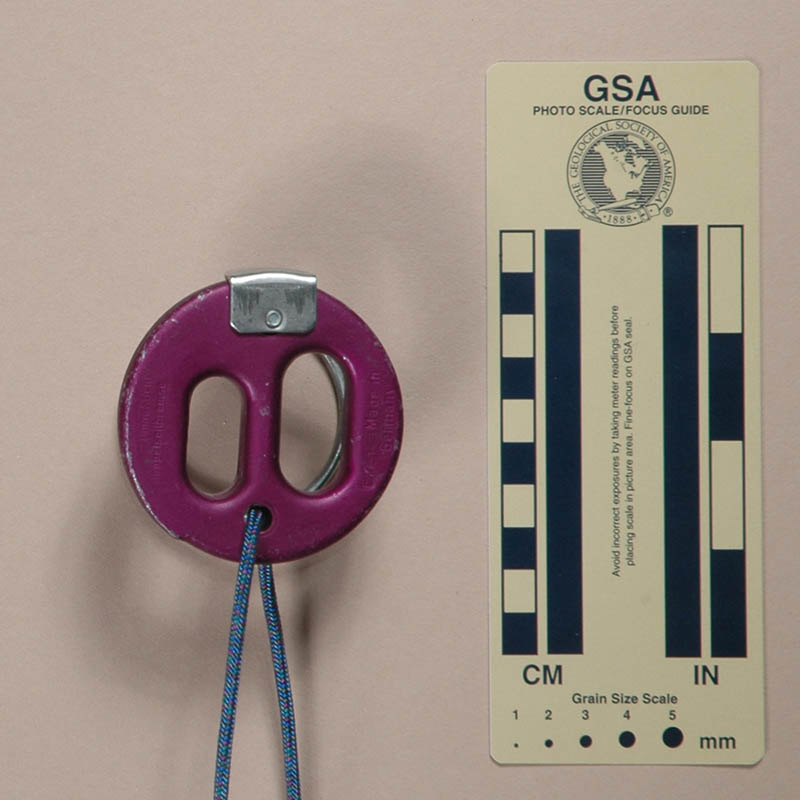
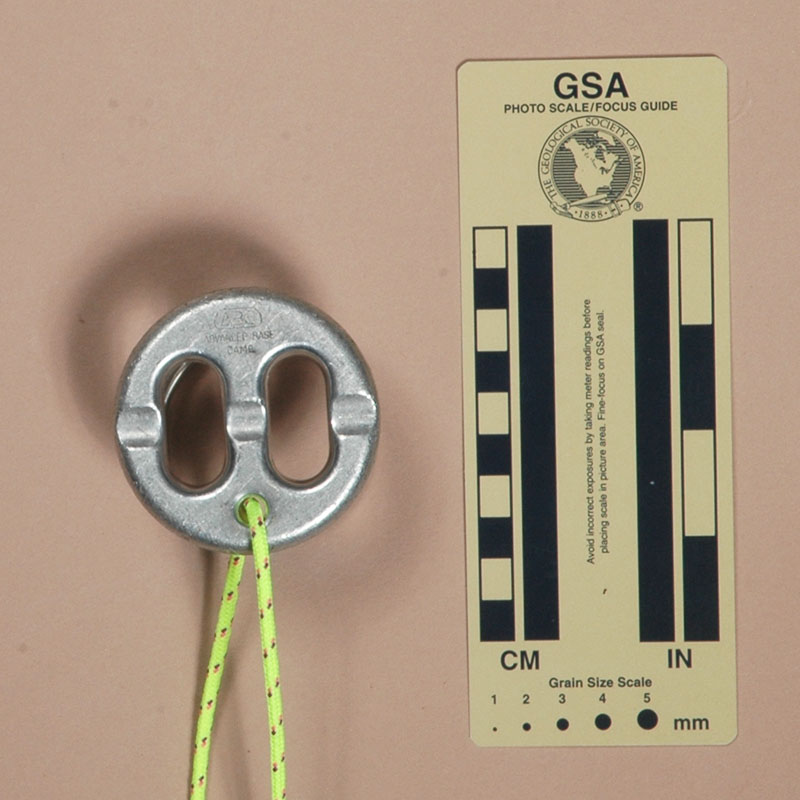
Bigger Brake (/w spring), Version A

Bigger Brake (/w spring), Version B

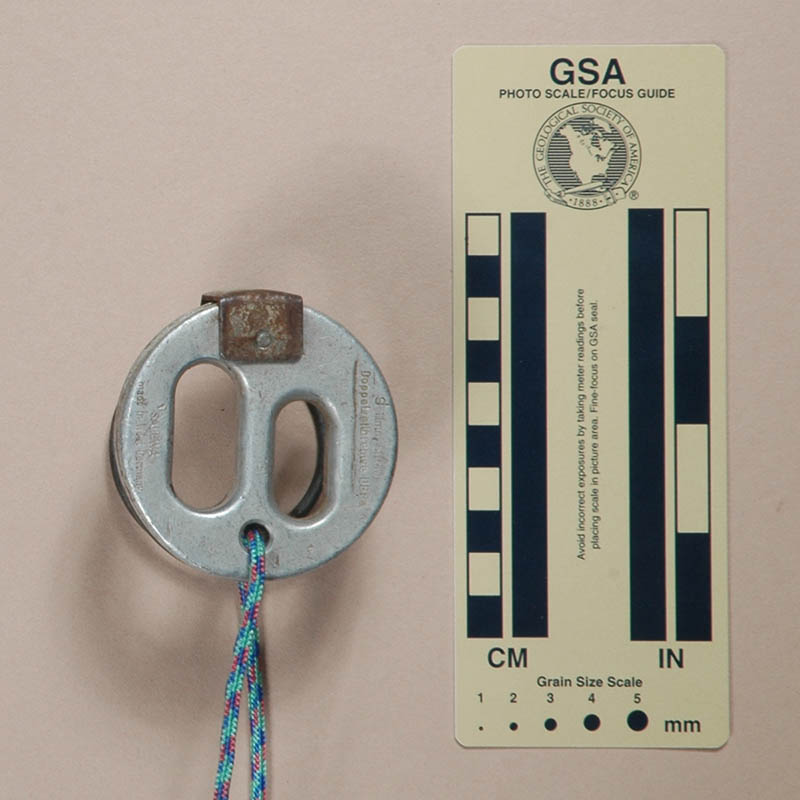
"Sticht" Version A

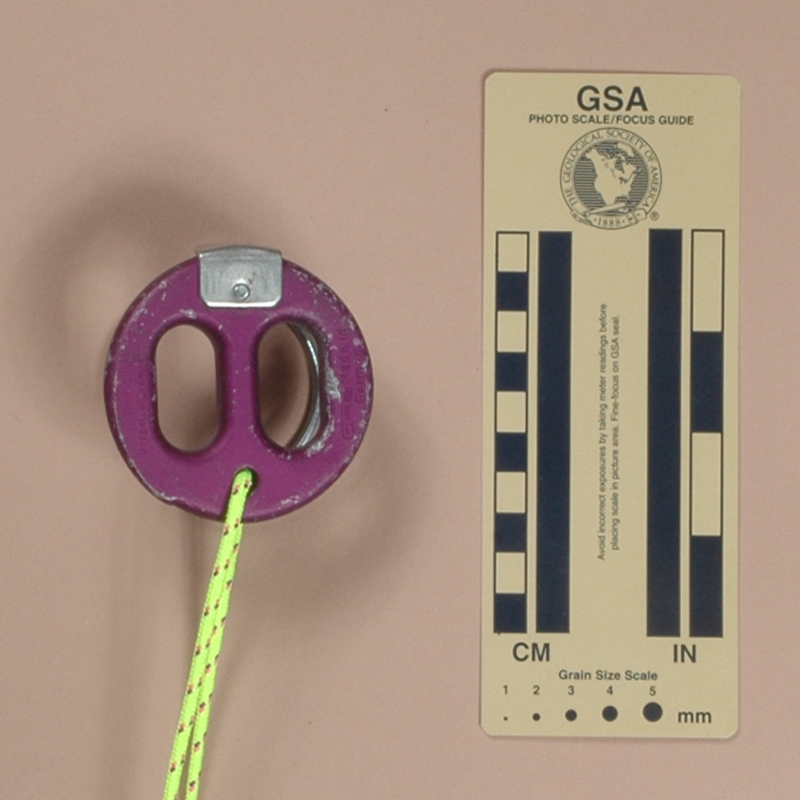
"Sticht" Version B
|
|
|
|
| Bigger Brake, Version A |
Bigger Brake, Version B |
Bigger Brake, Version C |
|
|
|
|
|
| Bigger Brake (/w spring), Version D |
Bigger Brake (/w spring), Version E |
"Sticht" Version A | "Sticht" Version B |
Hugh Banner (1933-2007) was a clmber who made some notable first ascents starting in the 1950’s. He founded H.B. Climbing Equipment in 1988. The business closed in 2005.
[ Top | Bigger Brake v. B | Bigger Brake v. C | Bigger Brake (/w spring) v. A | Bigger Brake (/w spring) v. B | "Sticht" v. A | "Sticht" v. B | Return to Sticht Belay ]
|
|
 |
| Front | Rear |
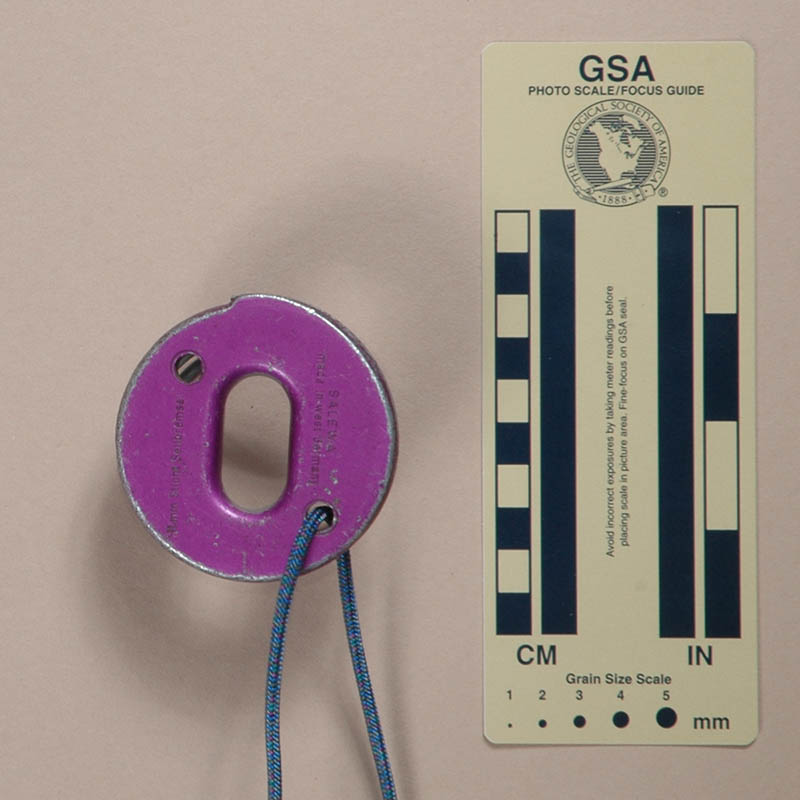
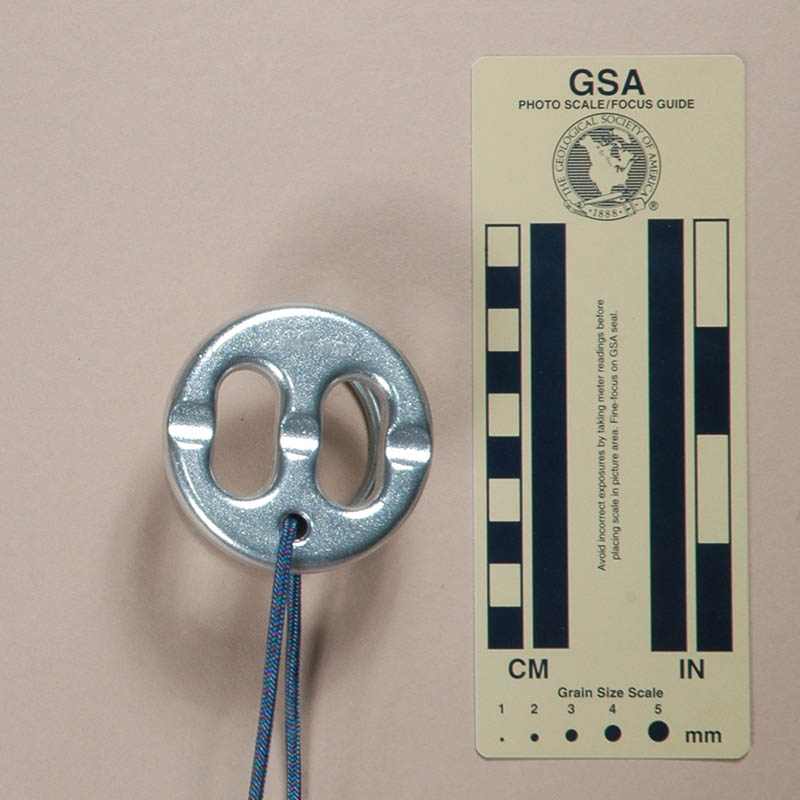
I acquired this Bigger Brake from Barrabés.com in 2003.
This version is 64 mm. long, 64 mm. wide, 10 mm. high, and weighs 59 g. It has two slots that are 29 mm. long. Version A does not have a spring.
This plate has "HB" (as a ligature) and "WALES" in stamped raised letters on one side and "140300" on the other.
The Bigger Brake is another typical slotted belay plate.
[ Top | Bigger Brake v. A | Bigger Brake v. C | Bigger Brake (/w spring) v. A | Bigger Brake (/w spring) v. B | "Sticht" v. A | "Sticht" v. B | Return to Sticht Belay ]
|
|
 |
| Front | Rear |
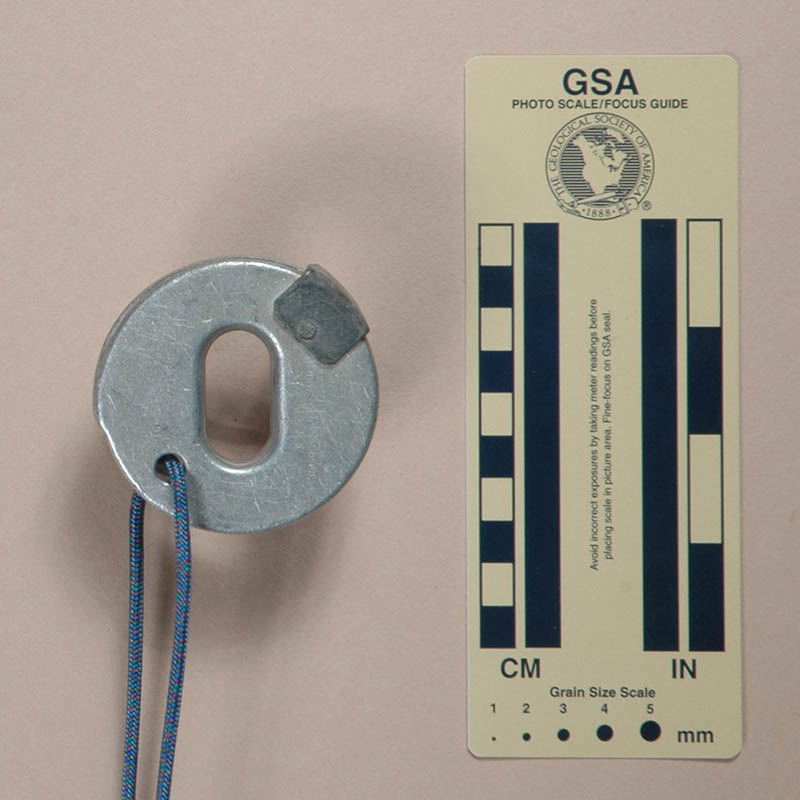
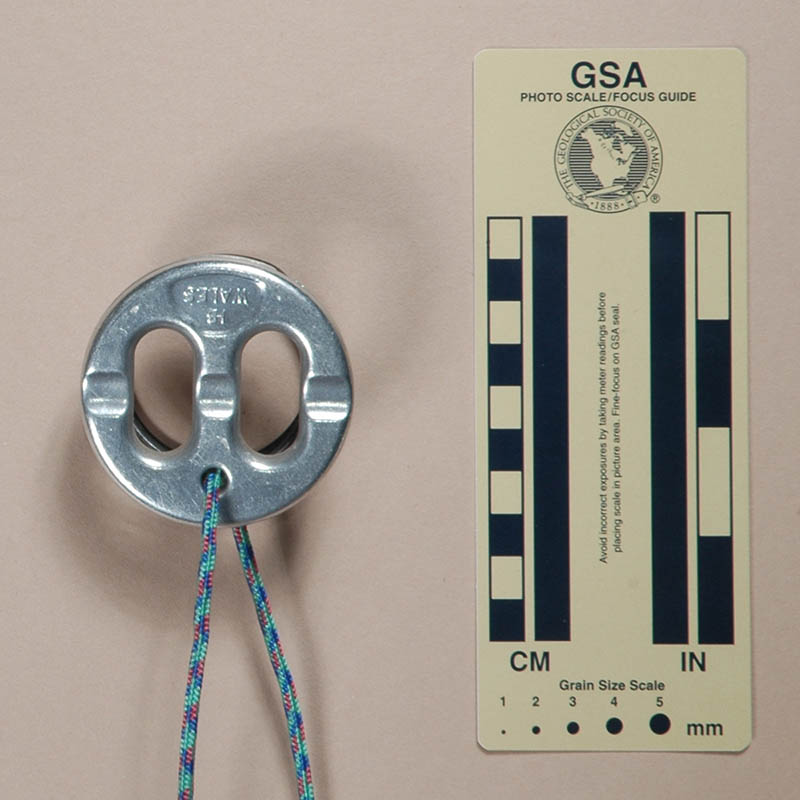
I acquired this Bigger Brake from Markus Warme in 2005, but I believe that it is older than Version A.
This version is 64 mm. long, 64 mm. wide, 10 mm. high, and weighs 59 g. It has two slots that are 29 mm. long.
This plate has "HB" (as a ligature) and "WALES" in stamped raised letters on one side. There are no marks on the other side.
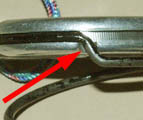
Version B is almost identical to Version A. The main difference is the size of a small notch. The notch does nothing for the performance of this plate. Version B has a smaller notch than Version A, but it matches the notch in Version D. The notch is there because the spring versions use the same plate design as the spring-less versions. In the spring versions, HB cut a groove around the perimeter to hold the spring. The spring leaves the groove at the notch.

[ Top | Bigger Brake v. A | Bigger Brake v. B | Bigger Brake (/w spring) v. A | Bigger Brake (/w spring) v. B | "Sticht" v. A | "Sticht" v. B | Return to Sticht Belay ]
|
|
 |
| Front | Rear |
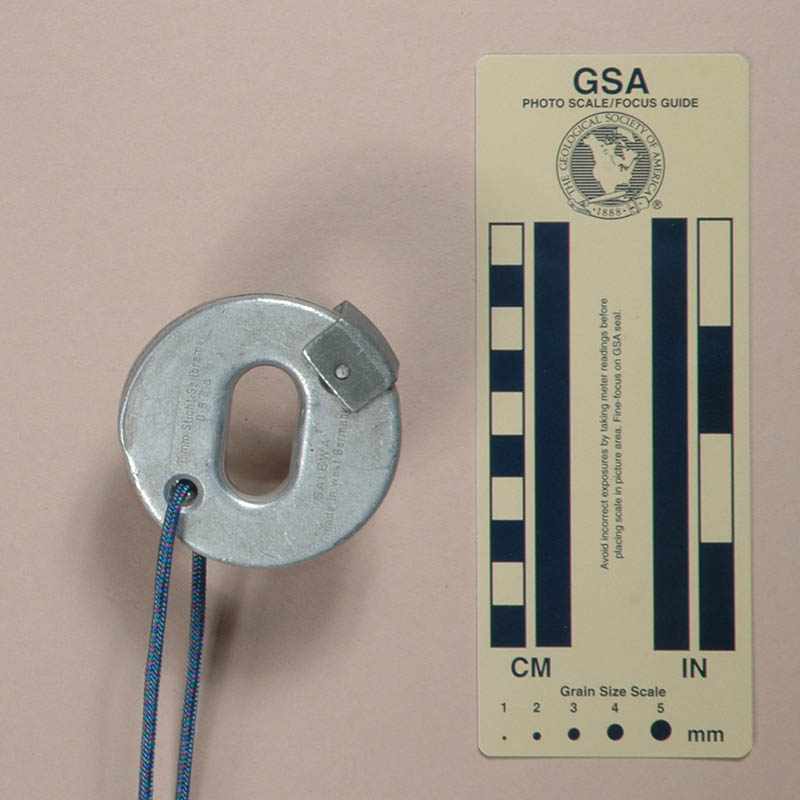
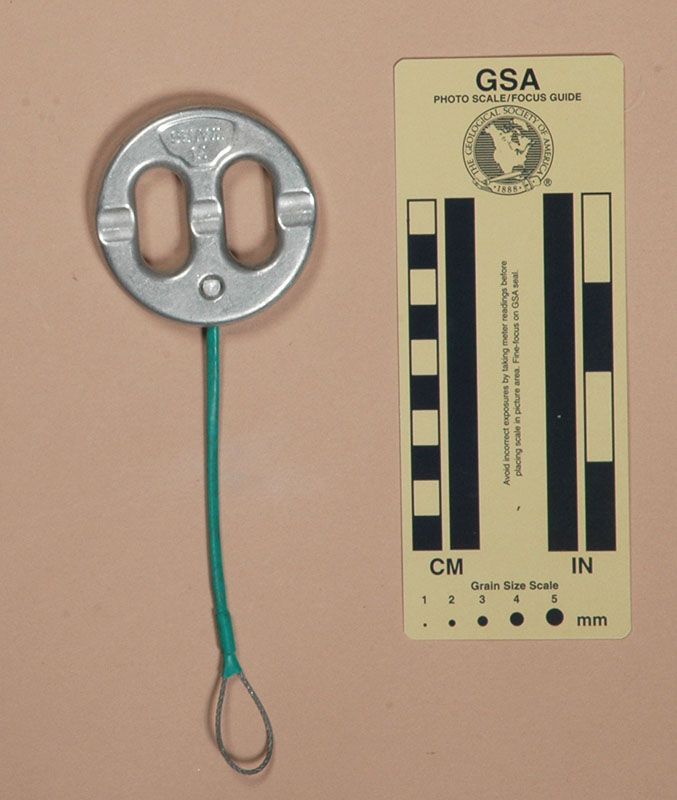
I acquired this Bigger Brake from Tom Furey in 2012.
Version C is forged from aluminum alloy and unfinished. It has a keeper made from 1.4 mm. stainless steel cable and covered with heat-shrink plastic. Mine is 64 mm. long, 190 mm. wide, 10 mm. high, and weighs 63 g. It has two slots that are 29 mm. long.
This plate has "HB" (as a ligature) and "WALES" in stamped raised letters on one side. There are no marks on the other side.
The cable is a bit more convenient than the cords that I attached to some of the other versions. The cable naturally tries to stay out of the way while belaying; however, it is not particularly difficult hard to learn how to keep a cord out of the way.
[ Top | Bigger Brake v. A | Bigger Brake v. B | Bigger Brake v. C | Bigger Brake (/w spring) v. B | "Sticht" v. A | "Sticht" v. B | Return to Sticht Belay ]
|
|
 |
 |
| Top View | Side View | Bottom View |
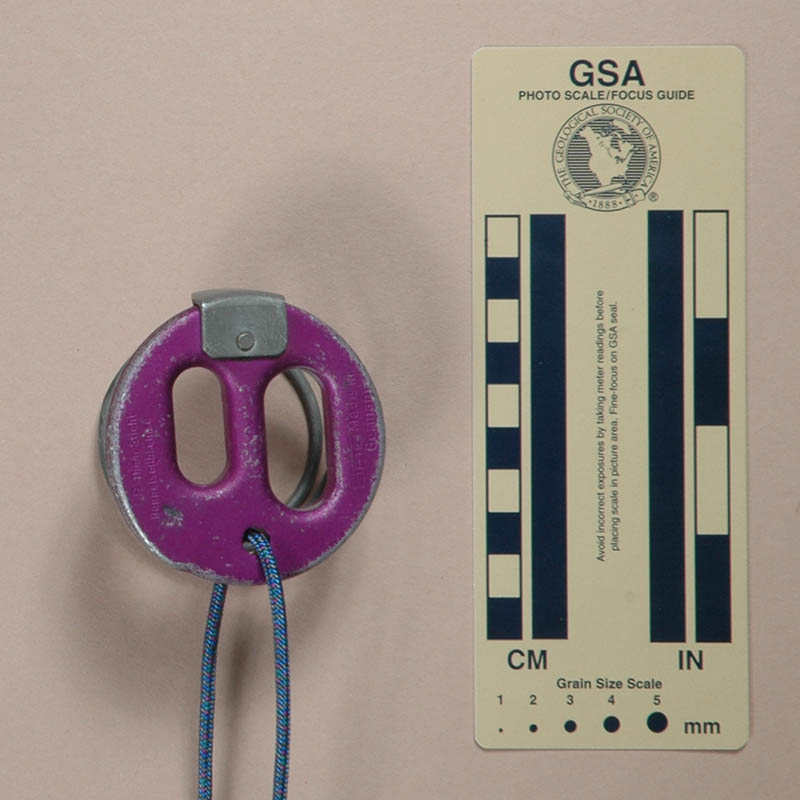
I acquired this Bigger Brake from Ragged Mountain Equipment in 1994, a second from Zachary Britner in 2009, and a third from Arthur W. McCarthy in 2020.
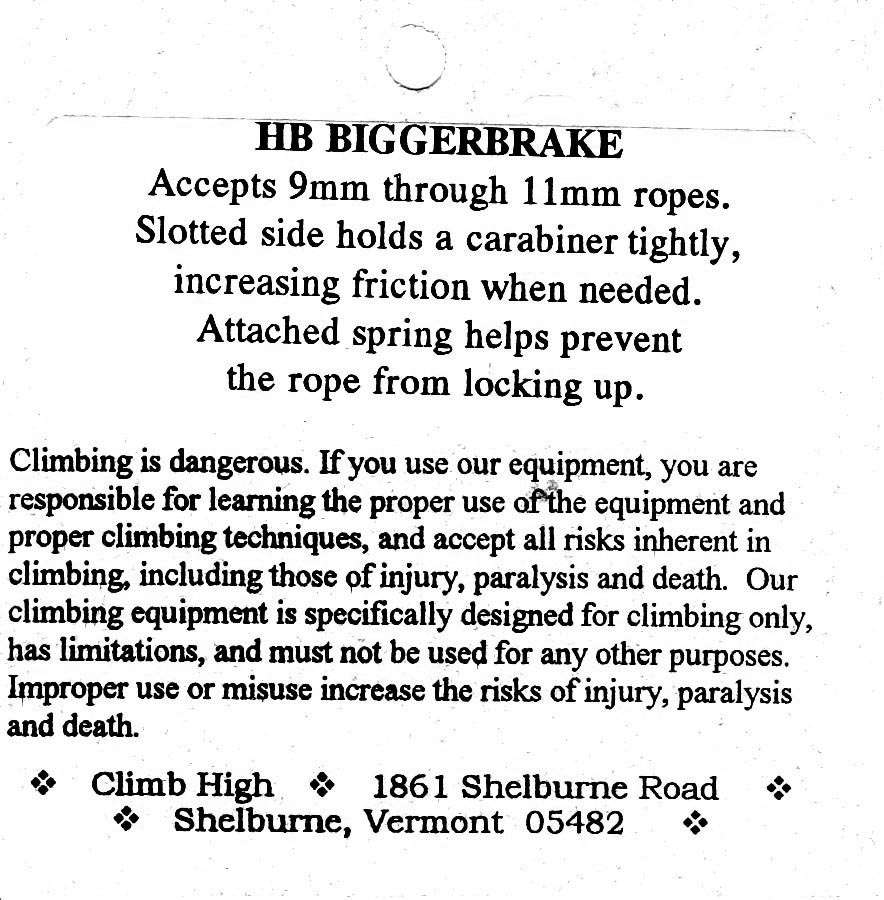
This version is a Sticht-type belay plate with a spring. It 64 mm. long, 64 mm. wide, 41 mm. high, and weighs 80 g. It has two slots that are 29 mm. long. The spring fits in a circumferential groove in the side of plate, and a small slot is cut to allow the spring to exit. The spring is painted black.
This plate has "HB" (as a ligature) and "WALES" in stamped raised letters on the top.
The Hugh Banner Bigger Brake (/w spring), Version A is one of many round "Sticht" plates with springs. This table compares the ones in my collection. Colored shading (not white) in the "Belayer" column indicates different brand plates with particularly similar plate designs, excluding markings and finish.
|
|
||||||||||||||||||||||||||||||||||||||||||||||||||||||||||||||||||||||||||||||||||||||||||||||||||||||||||||||||||||||||||||||||||||||||||||||||||||||||||||||||||||||||||||||||||||||||||||||||||||||||||||||||||||||||||||||||||||||||||||||||||||||||||||||||||||||||||||||||||||||||||||||||||||||||||||||||||||||||||||||||||||||||||||||||||||||||||||||||||||||||||||||||||||||||||
The spring helps the plate release under load, helping the belayer. I prefer having the spring. Unfortunately, the springs have a tremendous capacity for tangling with other equipment on a climber's rack. If you can't find a way to prevent this - and I've tried - you will hate the spring as I do.
Sticht Plates came in many variations. Some had one slot, some had two. Some slots were sized for 9 mm. rope, some for 11 mm. My preference is for two-slot plates since they are lighter and more versatile. Choose one that matches the ropes that you will be using. My first Sticht Plate had one 11 mm. and one 9 mm. slot. One could use the same slot for both, and get different performance, but I like the different size slots. I'm often climbed with an 11 mm. lead line and a 9 mm. haul line, so this arrangement suited me well. It was s a good choice for most situations other than rappelling on double 11 mm. lines.
All of the plates listed in the table have considerable wear margin. The Cassin #221.02 has a particularly thick hard anodized finish. I slightly prefer the hard anodized GAB plates, but don't see a large advantage over any other anodized plate, or even the bare plates. I dislike the painted plates.
There are several methods used to attach the spring to the plate. They all seem to be equally effective, but the ones using a side groove seem more robust than the ones using bottom grooves.
Most of the Salewa plates have spring brackets. They hold the spring in the compressed position for carrying. Sometimes these are effective, but more often, I find them inadequate for their task.
The Single Rope Technique Equipment BPS is the only one without a hole for a keeper sling. I like having a keeper and having a hole to attach it instead of tying to the spring is nice. I would drill a hole in the BPS plate if I were going to use it much.
Many plates have a shallow groove across the top and bottom surfaces. The grooves don't seem to do much, in my opinion.
 |
[ Top | Bigger Brake v. A | Bigger Brake v. B | Bigger Brake v. C | Bigger Brake (/w spring) v. A | "Sticht" v. A | "Sticht" v. B | Return to Sticht Belay ]
|
|
 |
 |
| Front | Rear | Side |
I acquired this Bigger Brake on eBay from Ken Pritchard in 2022.
This version is forged from aluminum alloy and soft anodized. Mine is 63 mm. long, 63 mm. wide, 10 mm. high, and weighs 59 g. It has two slots that are 29 mm. long. It originally had a spring, but a previous owner cut the spring where it exited the plate.
This plate has "HB" (as a ligature) and "WALES" in stamped raised letters on one side. There are no marks on the other side.
Any climber who has carried a sprung Sticht plate on their rack can appreciate why the former owner of this plate cut the spring off. While springs improve the plate's handling while belaying, at all other times they have a maddening ability to become entangled with anything on the rack possessing a cord or cable.
[ Top | Bigger Brake v. A | Bigger Brake v. B | Bigger Brake v. C | Bigger Brake (/w spring) v. A | Bigger Brake (/w spring) v. B | "Sticht" v. B | Return to Sticht Belay ]
|
|
 |
 |
| Front View | Side View | Bottom View |
I acquired this Hugh Banner "Sticht" from John Blackmore in 2013.
This Hugh Banner "Sticht" is forged from aluminum alloy and unfinished. Mine is 64 mm. long, 64 mm. wide, 47 mm. high, and weighs 89 g. It has two slots that are 28 and 34 mm. long. The spring fits in a circumferential groove in the side of plate, and a small slot is cut to allow the spring to exit. The spring is painted black.
This plate has "HB" (as a ligature) and "WALES" in stamped raised letters on the top. The bottom is stamped "141097" which might be the date of manufacture.
I debated whether to call this a "Bigger Brake" but decided not to since I am not sure if Hugh Banner used that name only for plates with the transverse grooves.
The Hugh Banner, Version D is one of many round "Sticht" plates with springs. This table compares the ones in my collection. Colored shading (not white) in the "Belayer" column indicates different brand plates with particularly similar plate designs, excluding markings and finish.
|
|
||||||||||||||||||||||||||||||||||||||||||||||||||||||||||||||||||||||||||||||||||||||||||||||||||||||||||||||||||||||||||||||||||||||||||||||||||||||||||||||||||||||||||||||||||||||||||||||||||||||||||||||||||||||||||||||||||||||||||||||||||||||||||||||||||||||||||||||||||||||||||||||||||||||||||||||||||||||||||||||||||||||||||||||||||||||||||||||||||||||||||||||||||||||||||
The spring helps the plate release under load, helping the belayer. I prefer having the spring. Unfortunately, the springs have a tremendous capacity for tangling with other equipment on a climber's rack. If you can't find a way to prevent this - and I've tried - you will hate the spring as I do.
Sticht Plates came in many variations. Some had one slot, some had two. Some slots were sized for 9 mm. rope, some for 11 mm. My preference is for two-slot plates since they are lighter and more versatile. Choose one that matches the ropes that you will be using. My first Sticht Plate had one 11 mm. and one 9 mm. slot. One could use the same slot for both, and get different performance, but I like the different size slots. I'm often climbed with an 11 mm. lead line and a 9 mm. haul line, so this arrangement suited me well. It was s a good choice for most situations other than rappelling on double 11 mm. lines.
All of the plates listed in the table have considerable wear margin. The Cassin #221.02 has a particularly thick hard anodized finish. I slightly prefer the hard anodized GAB plates, but don't see a large advantage over any other anodized plate, or even the bare plates. I dislike the painted plates.
There are several methods used to attach the spring to the plate. They all seem to be equally effective, but the ones using a side groove seem more robust than the ones using bottom grooves.
Most of the Salewa plates have spring brackets. They hold the spring in the compressed position for carrying. Sometimes these are effective, but more often, I find them inadequate for their task.
The Single Rope Technique Equipment BPS is the only one without a hole for a keeper sling. I like having a keeper and having a hole to attach it instead of tying to the spring is nice. I would drill a hole in the BPS plate if I were going to use it much.
Many plates have a shallow groove across the top and bottom surfaces. The grooves don't seem to do much, in my opinion.
[ Top | Bigger Brake v. A | Bigger Brake v. B | Bigger Brake v. C | Bigger Brake (/w spring) v. A | Bigger Brake (/w spring) v. B | "Sticht" v. A | Return to Sticht Belay ]
|
|
 |
 |
| Front View | Side View | Bottom View |
I acquired this plate from Gareth Bryant in 2021.
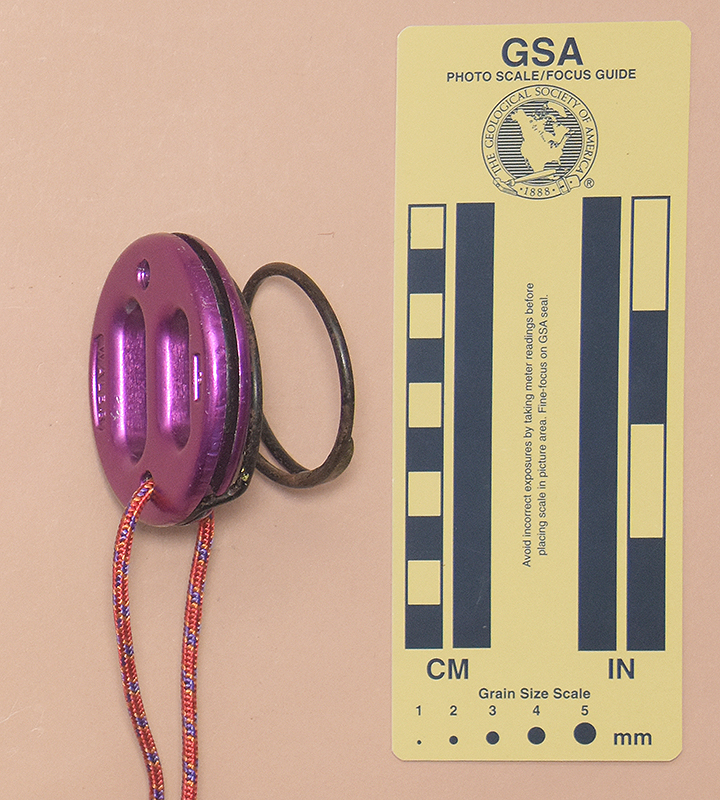
This version is forged from aluminum alloy and soft anodized. Mine is 64 mm. long, 64 mm. wide, 47 mm. high, and weighs 90 g. It has two slots that are 28 and 34 mm. long. It has two slots that are 29 mm. long. The spring fits in a circumferential groove in the side of plate, and a small slot is cut to allow the spring to exit. The spring is painted black.
This plate has "HB" (as a ligature) and "WALES" in stamped raised letters on the top. The bottom is stamped "021296" which might be the date of manufacture.
Versions B and A are identical except for the anodizing and the date of manufacture.
The Hugh Banner, Version A is one of many round "Sticht" plates with springs. This table compares the ones in my collection. Colored shading (not white) in the "Belayer" column indicates different brand plates with particularly similar plate designs, excluding markings and finish.
|
|
||||||||||||||||||||||||||||||||||||||||||||||||||||||||||||||||||||||||||||||||||||||||||||||||||||||||||||||||||||||||||||||||||||||||||||||||||||||||||||||||||||||||||||||||||||||||||||||||||||||||||||||||||||||||||||||||||||||||||||||||||||||||||||||||||||||||||||||||||||||||||||||||||||||||||||||||||||||||||||||||||||||||||||||||||||||||||||||||||||||||||||||||||||||||||
The spring helps the plate release under load, helping the belayer. I prefer having the spring. Unfortunately, the springs have a tremendous capacity for tangling with other equipment on a climber's rack. If you can't find a way to prevent this - and I've tried - you will hate the spring as I do.
Sticht Plates came in many variations. Some had one slot, some had two. Some slots were sized for 9 mm. rope, some for 11 mm. My preference is for two-slot plates since they are lighter and more versatile. Choose one that matches the ropes that you will be using. My first Sticht Plate had one 11 mm. and one 9 mm. slot. One could use the same slot for both, and get different performance, but I like the different size slots. I'm often climbed with an 11 mm. lead line and a 9 mm. haul line, so this arrangement suited me well. It was s a good choice for most situations other than rappelling on double 11 mm. lines.
All of the plates listed in the table have considerable wear margin. The Cassin #221.02 has a particularly thick hard anodized finish. I slightly prefer the hard anodized GAB plates, but don't see a large advantage over any other anodized plate, or even the bare plates. I dislike the painted plates.
There are several methods used to attach the spring to the plate. They all seem to be equally effective, but the ones using a side groove seem more robust than the ones using bottom grooves.
Most of the Salewa plates have spring brackets. They hold the spring in the compressed position for carrying. Sometimes these are effective, but more often, I find them inadequate for their task.
The Single Rope Technique Equipment BPS is the only one without a hole for a keeper sling. I like having a keeper and having a hole to attach it instead of tying to the spring is nice. I would drill a hole in the BPS plate if I were going to use it much.
Many plates have a shallow groove across the top and bottom surfaces. The grooves don't seem to do much, in my opinion.
[ Top | Bigger Brake v. A | Bigger Brake v. B | Bigger Brake v. C | Bigger Brake (/w spring) v. A | Bigger Brake (/w spring) v. B | "Sticht" v. A | "Sticht" v. B ]