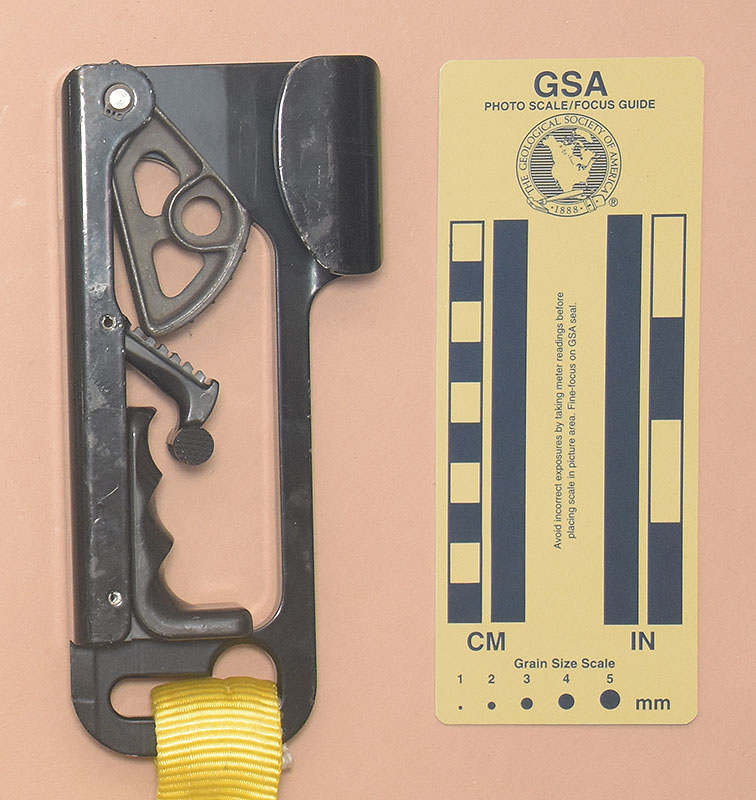
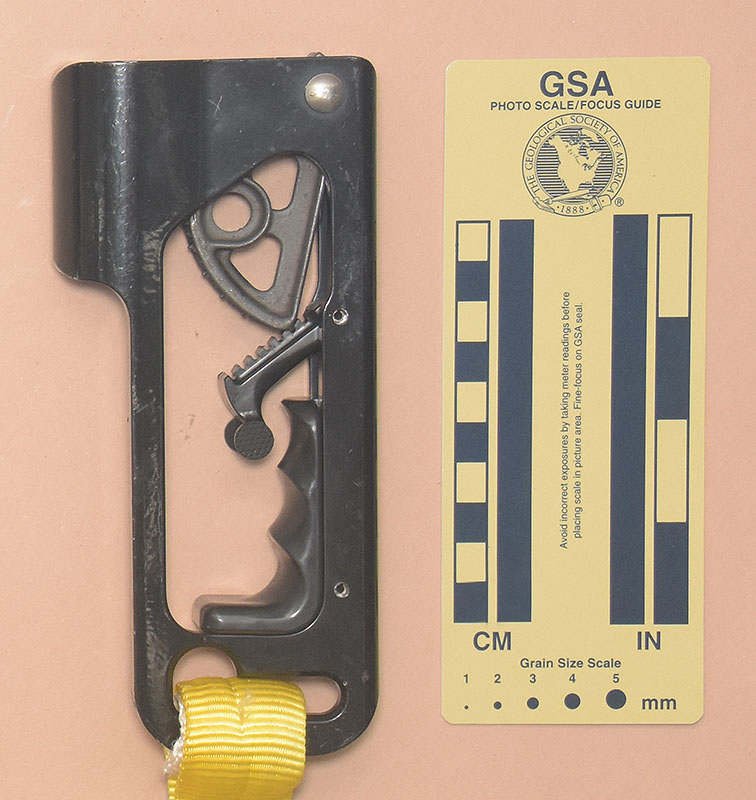
5000
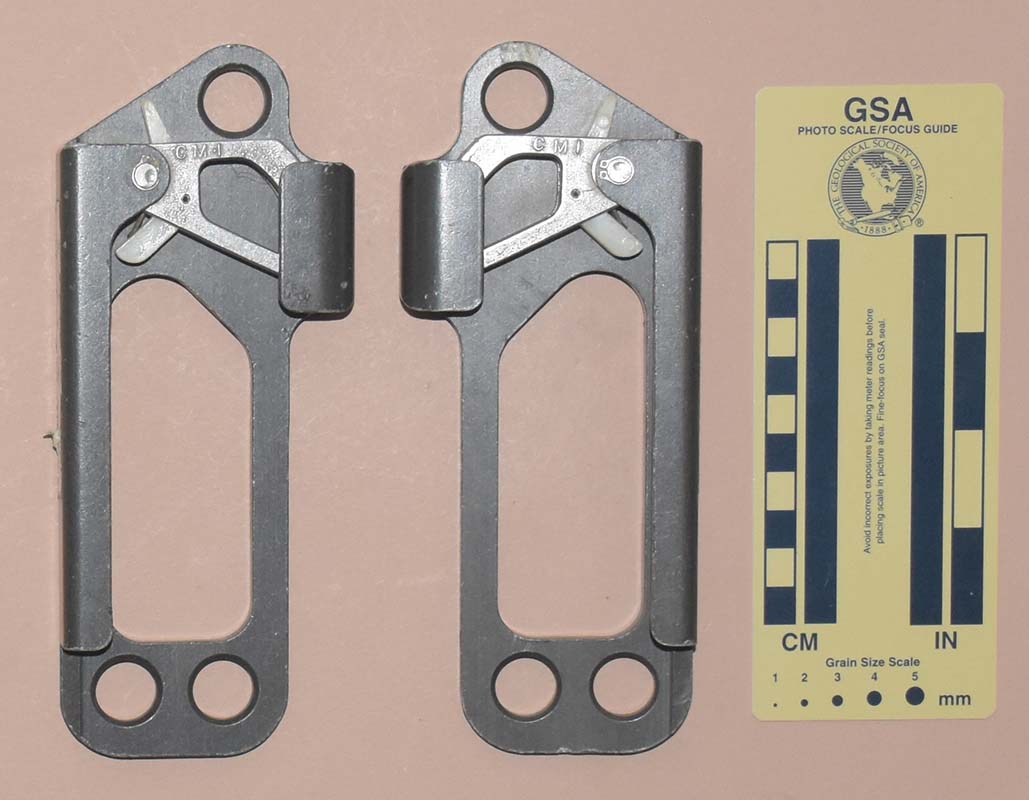
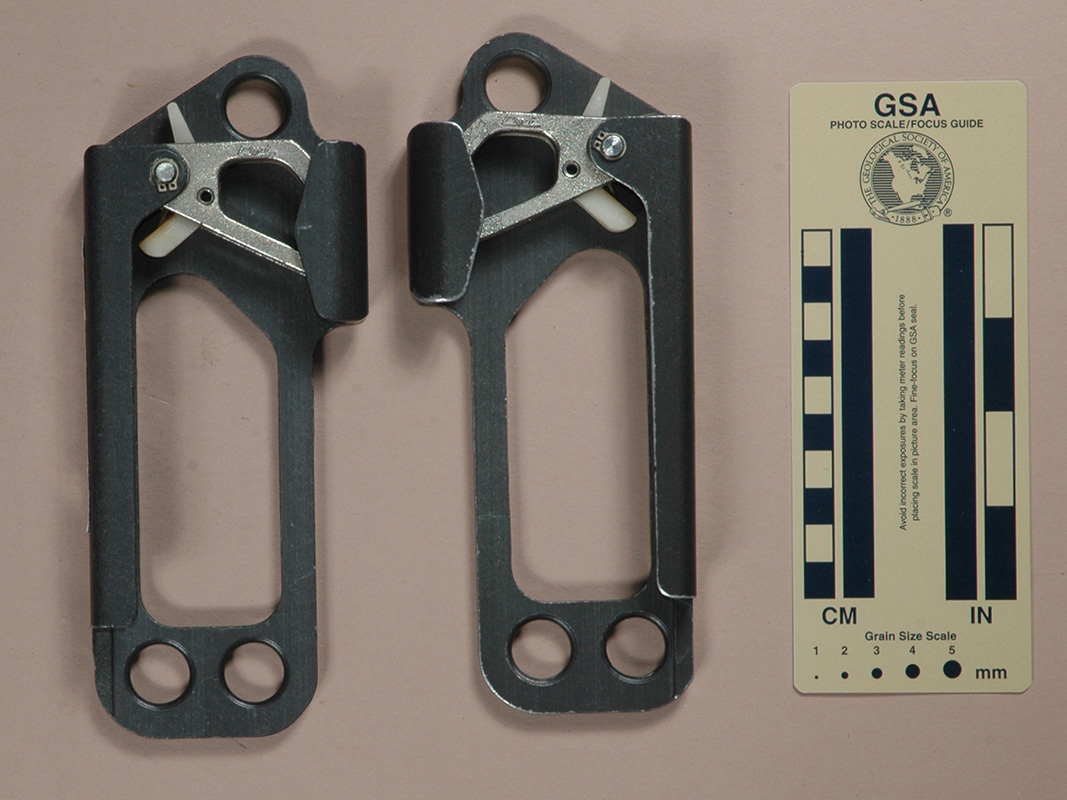
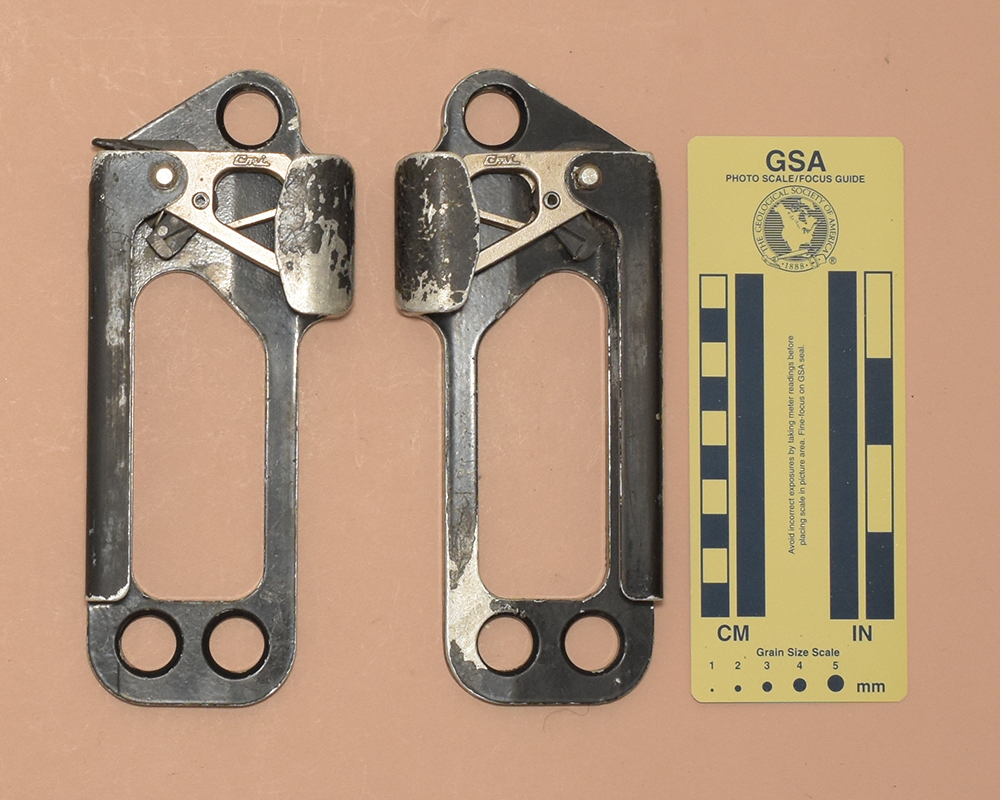
↑ 2221: CMI 5000, Version A
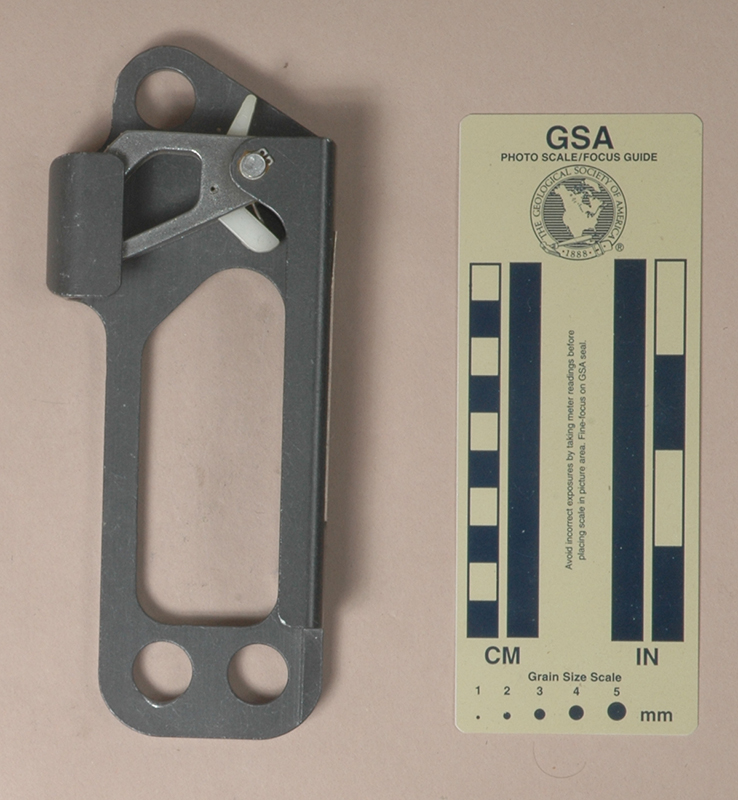
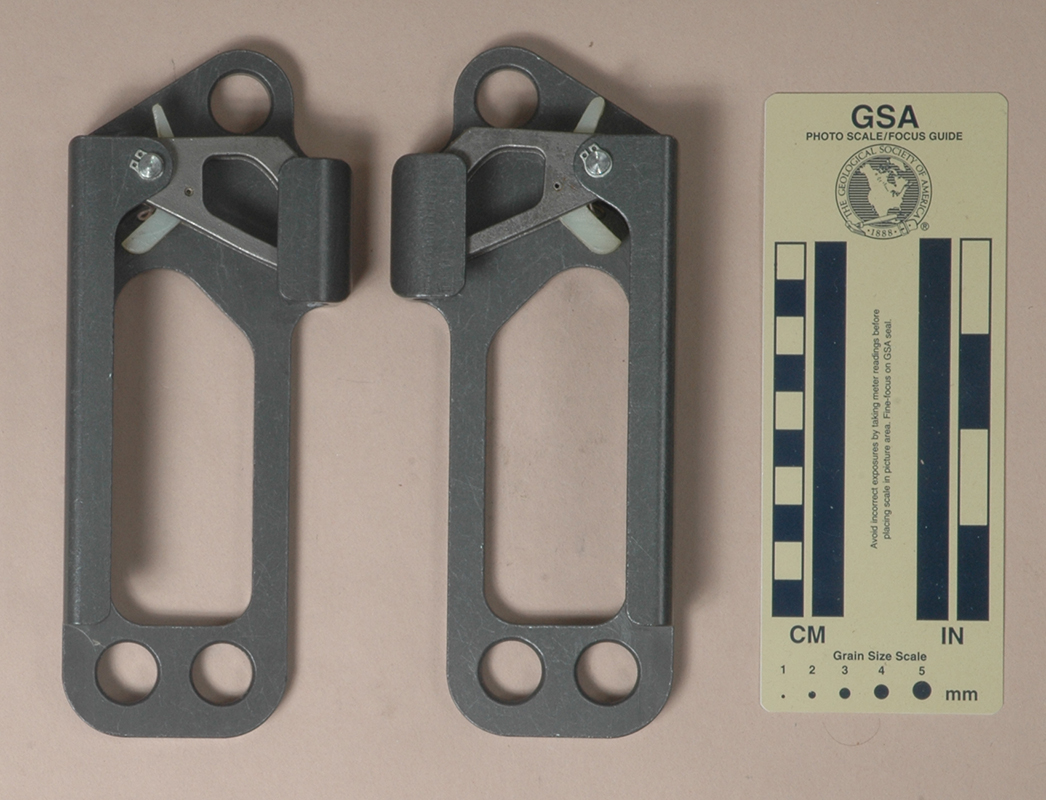
- Handled Ecc. Cam Ascender (Milled)
- Acquired in 2017
- Size: 229 × 184 × 76 mm.
- Weight: 229 g.
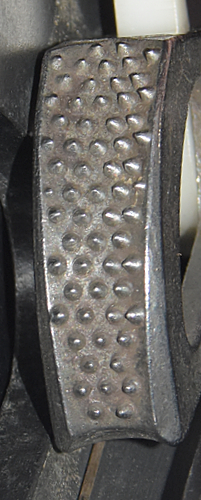
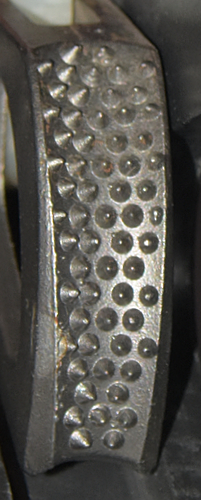
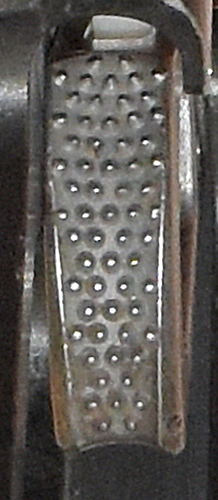
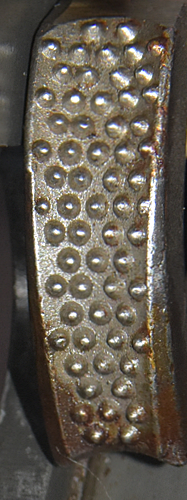
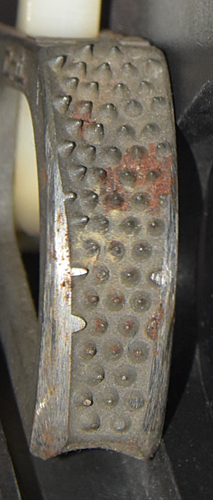
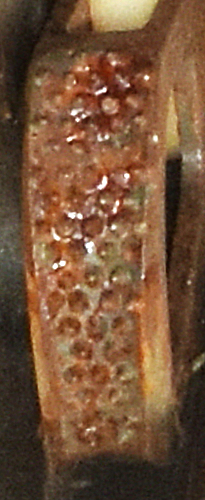
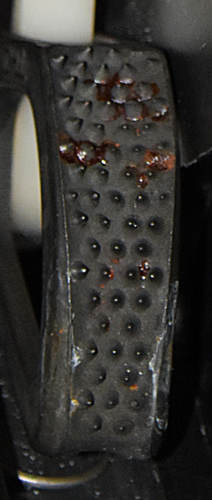
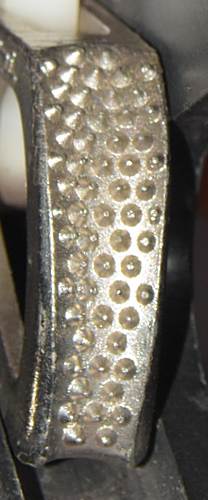
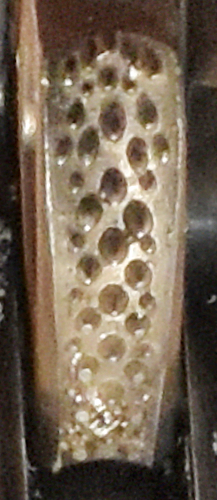
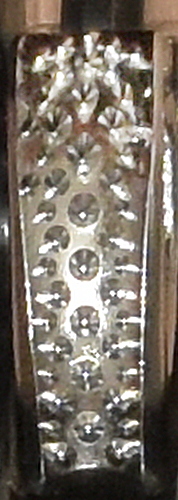
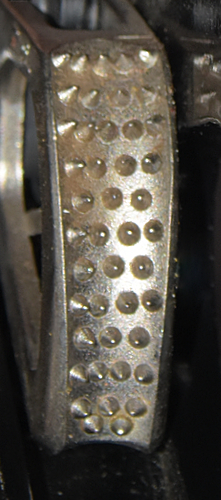
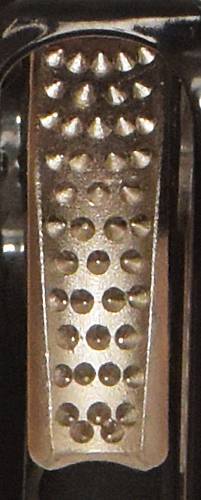
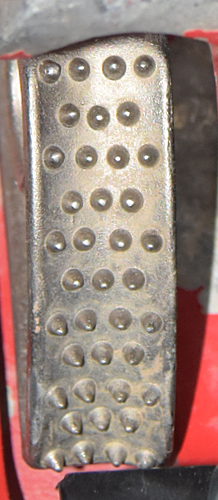
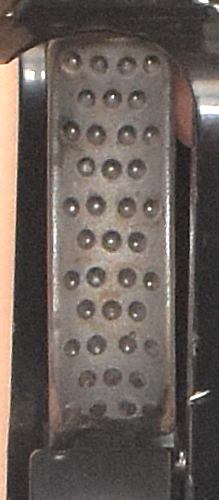
- Tooth pattern: (2)(5.4)^4(3.4)^2(3.2)^2
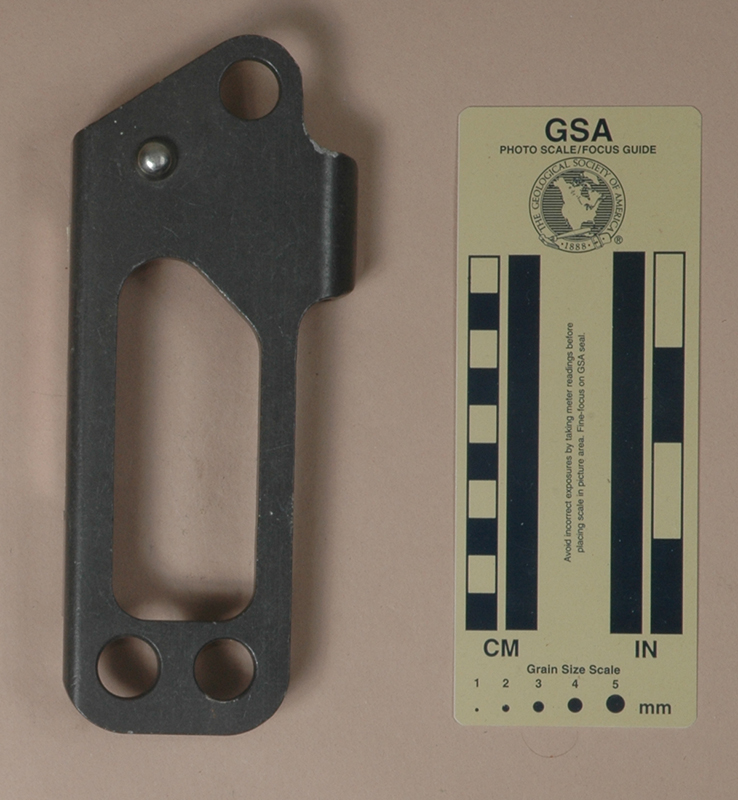
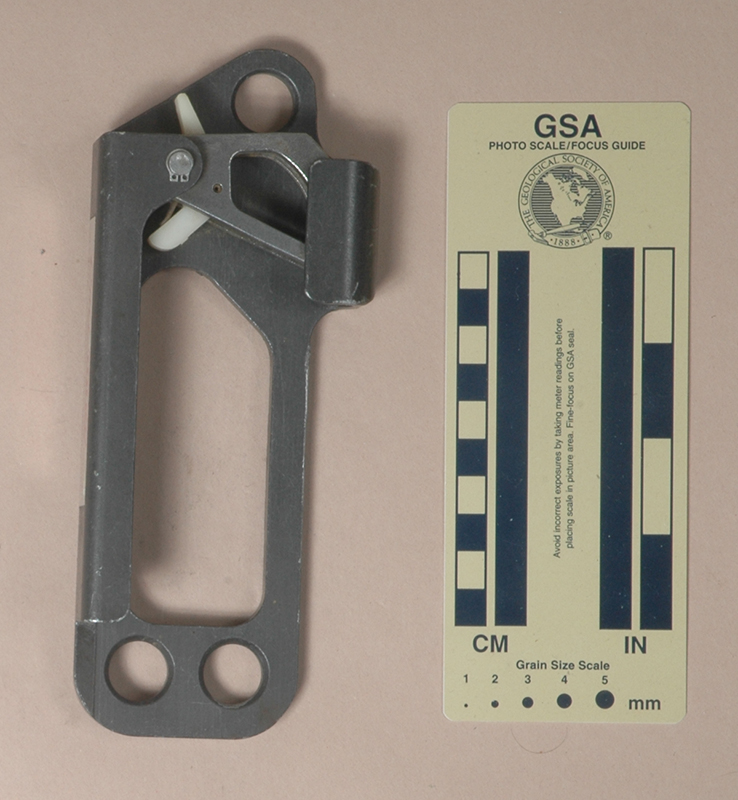
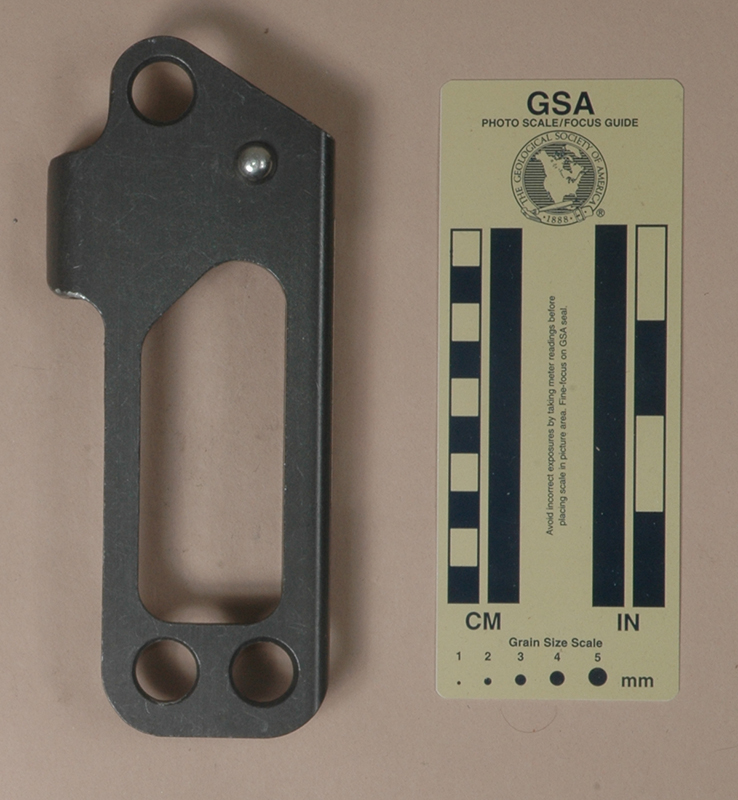
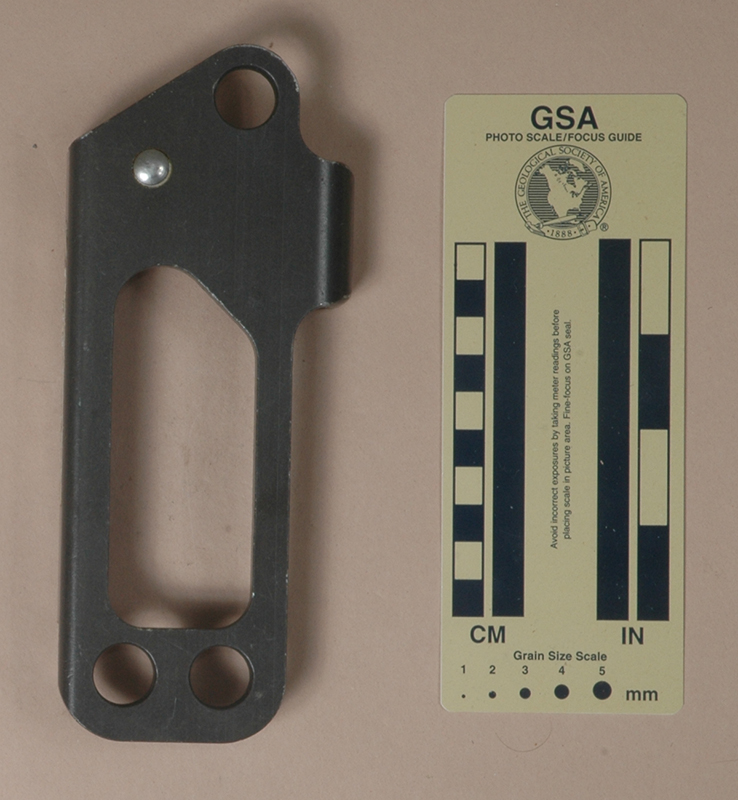
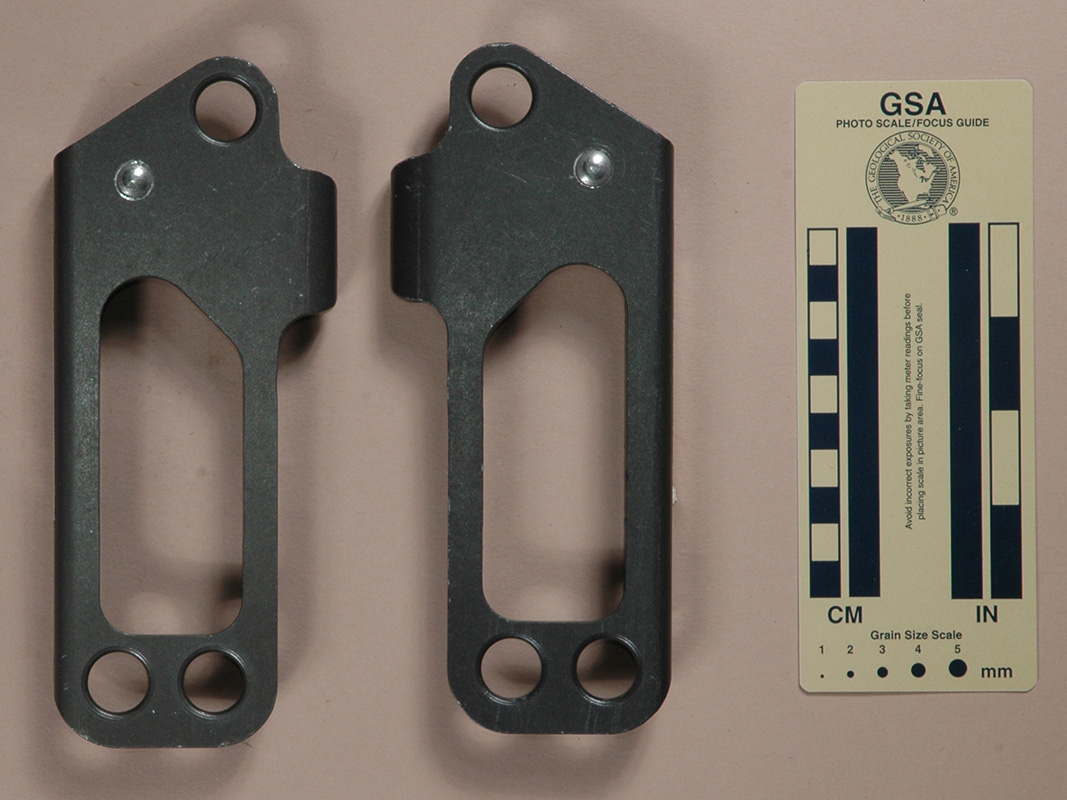
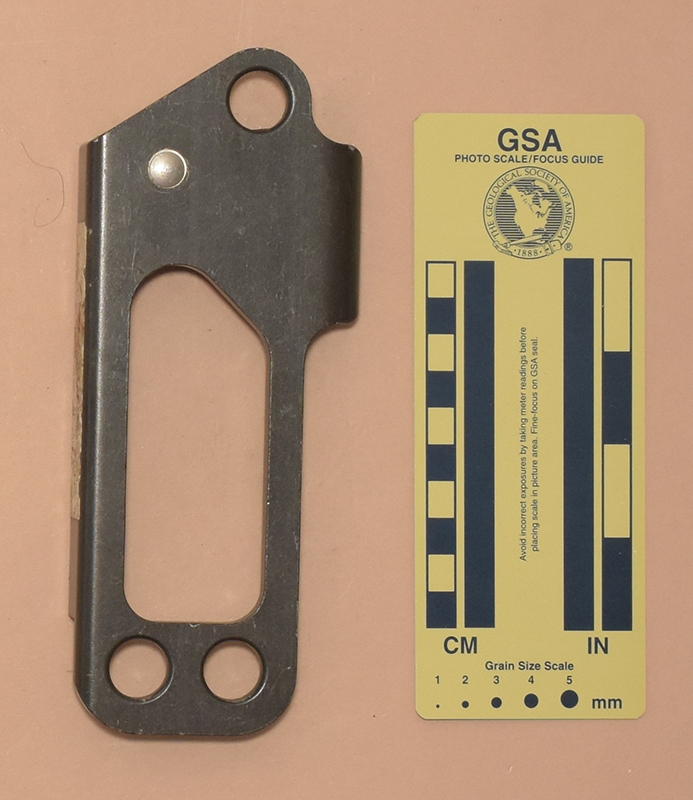
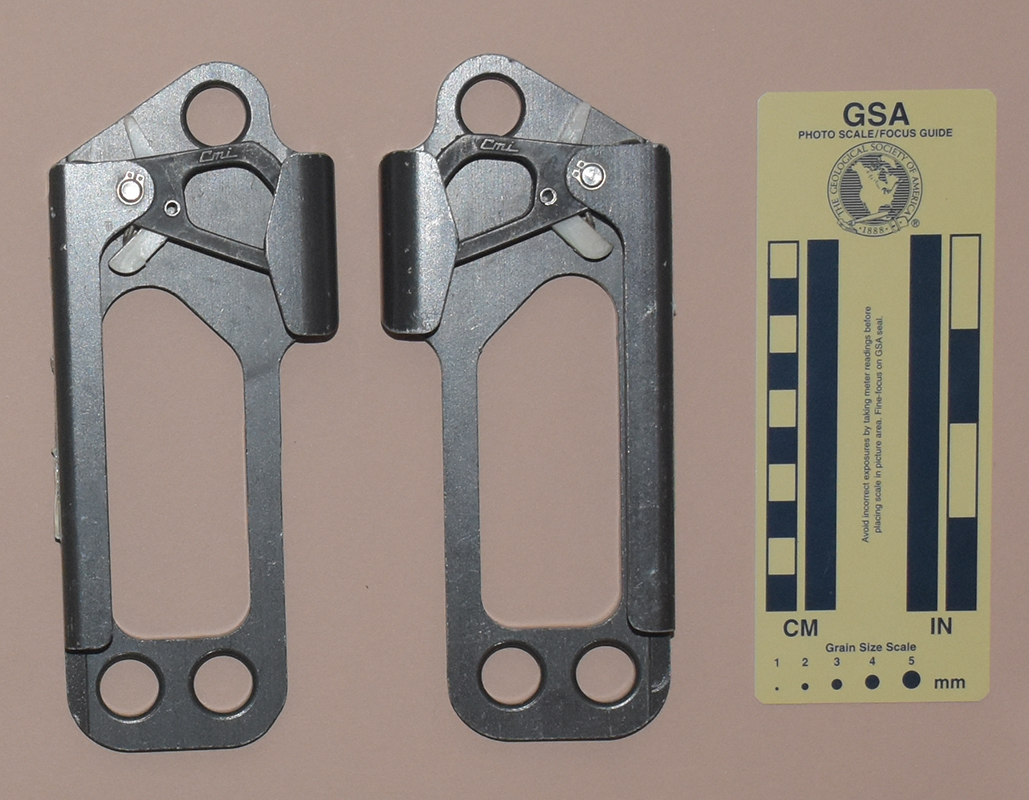
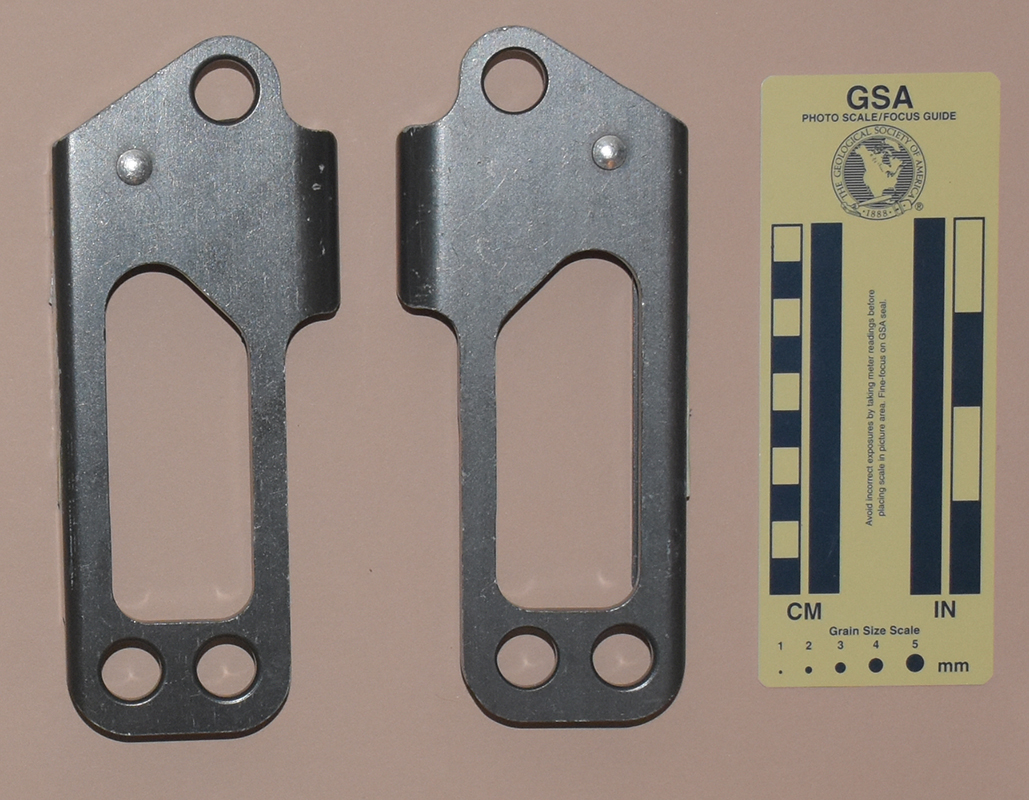
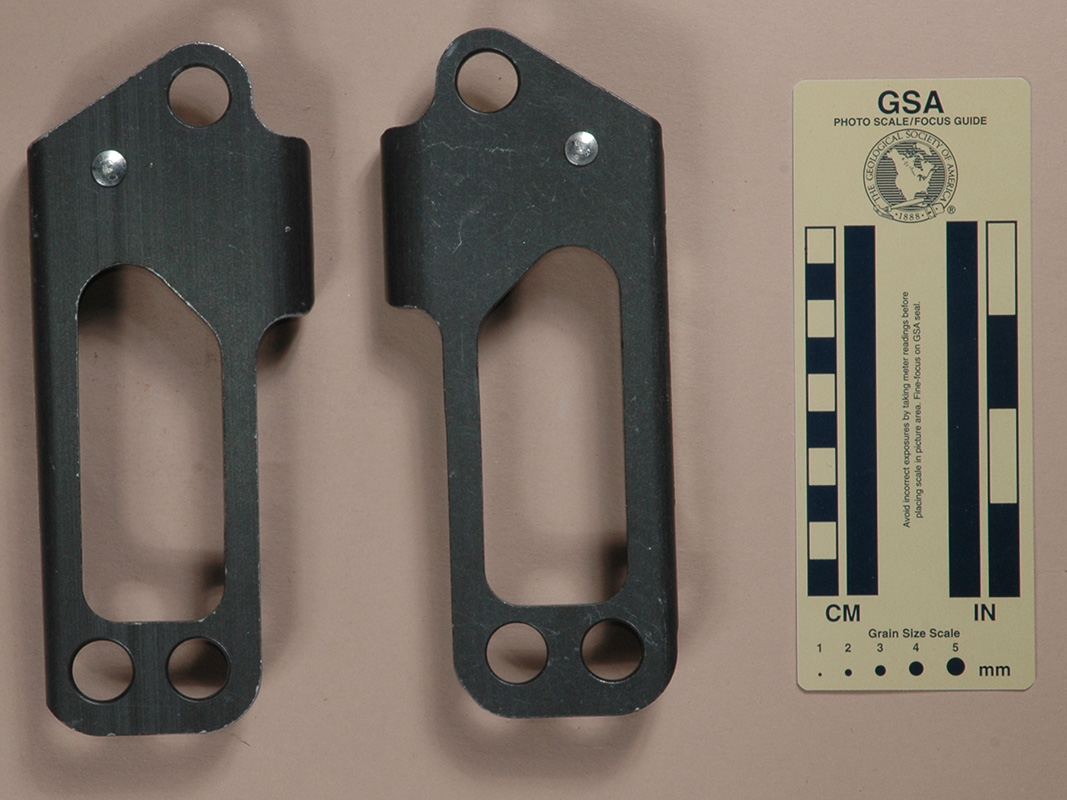
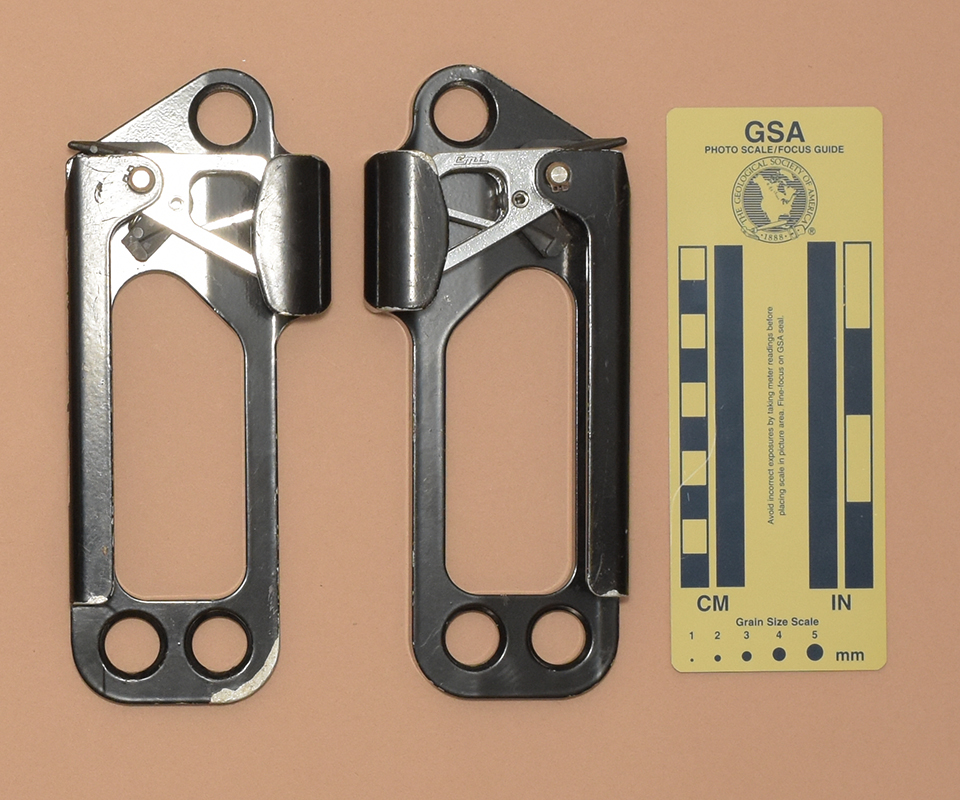
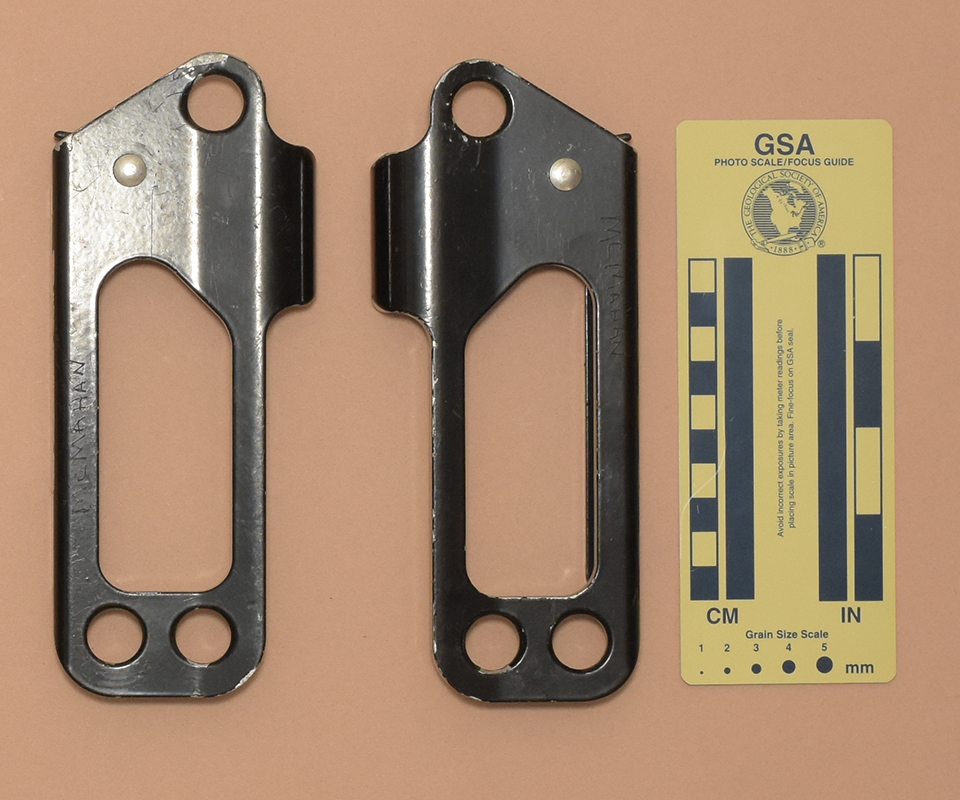
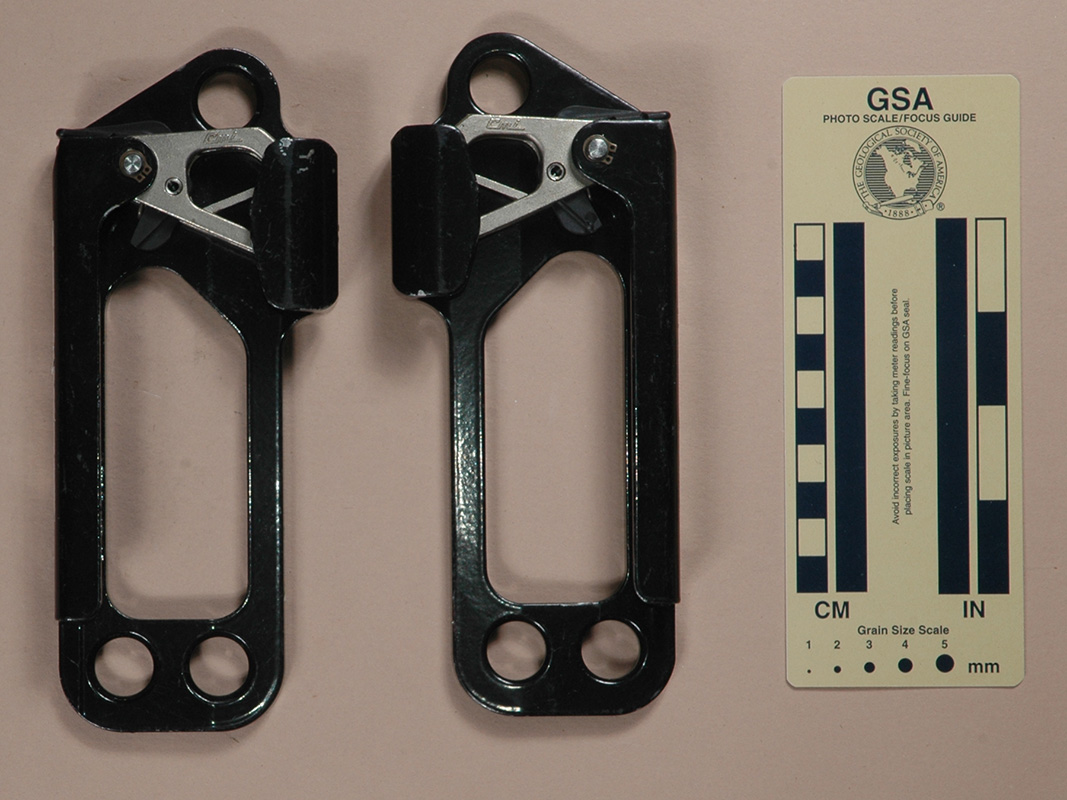
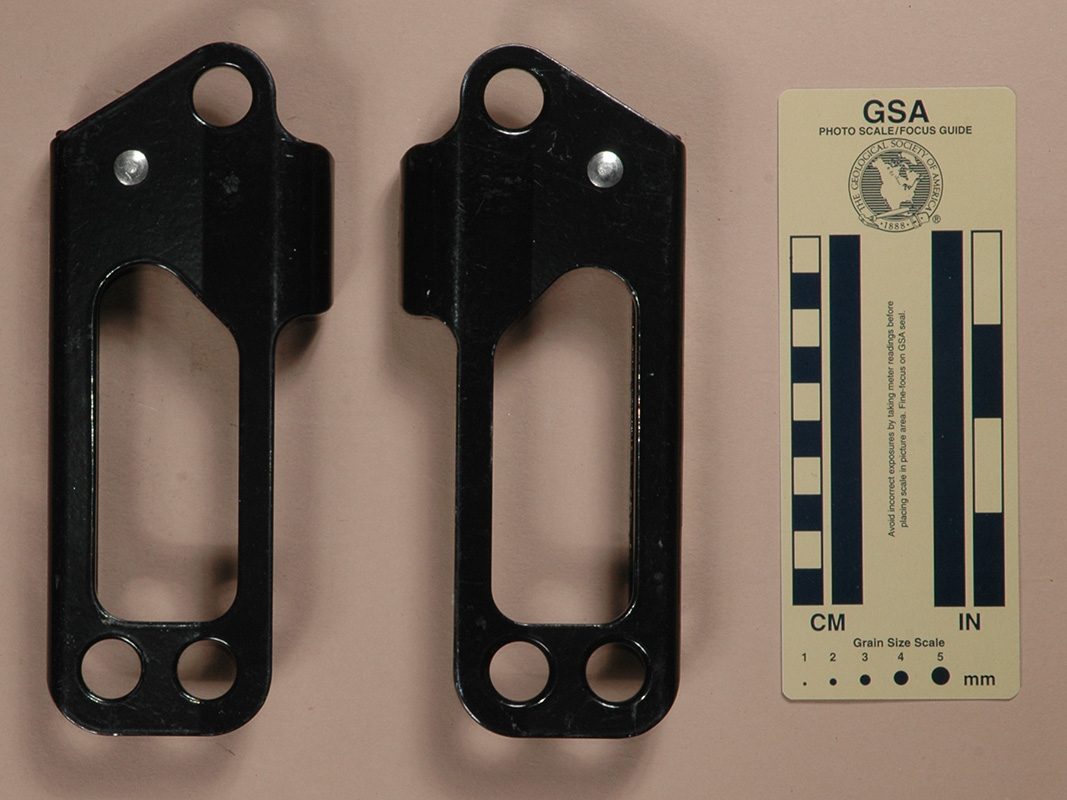
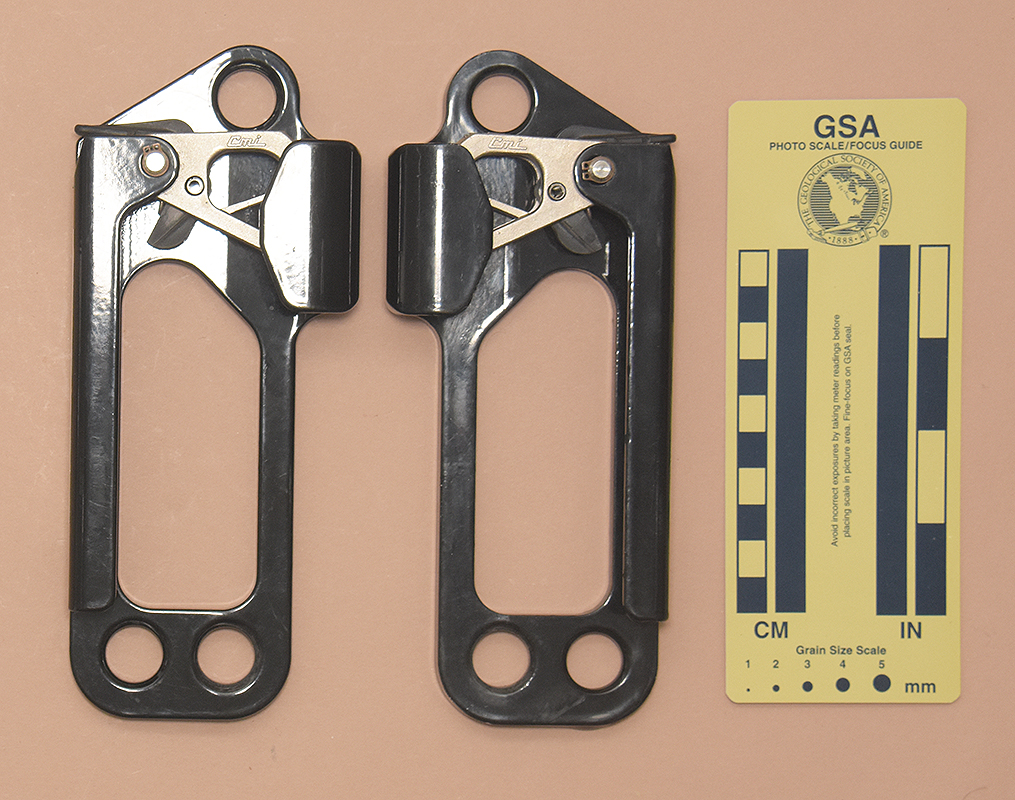
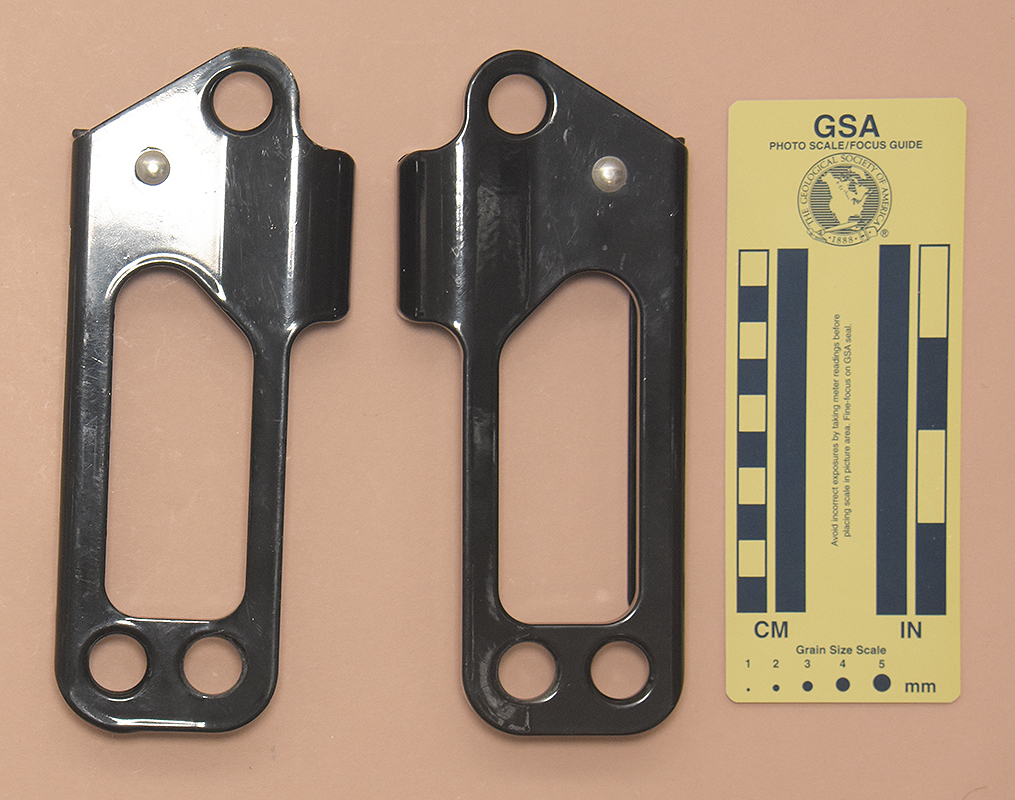
- The easiest way to recognize a 5000 is to see an anodized frame with a rectangular rope channel as viewed from the front.
- The CMI 5000 series shells are very strong and unlikely to bend like stamped–frame ascender shells sometimes do.
- The lower holes have sharp edges, and should be rounded with a stone before tying slings to them.
- The cam pin and E–clip design allows one to easily replace a worn cam at home.
- The cam spring is too weak, so the ascender occasionally fails to grip the rope.
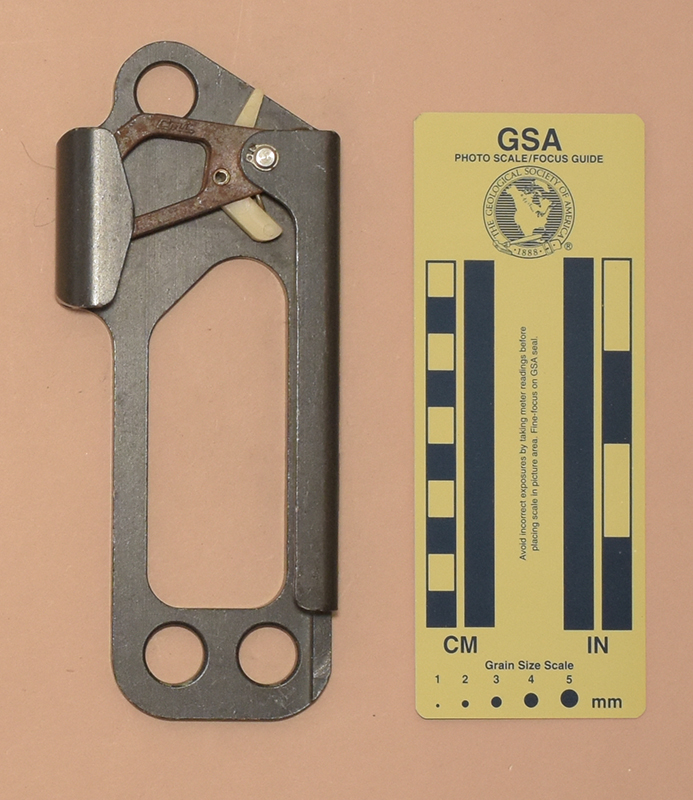
- The CMI 5000 safety is a nylon elbow that extends above the frame. This is design is shared by the CMI 5002.
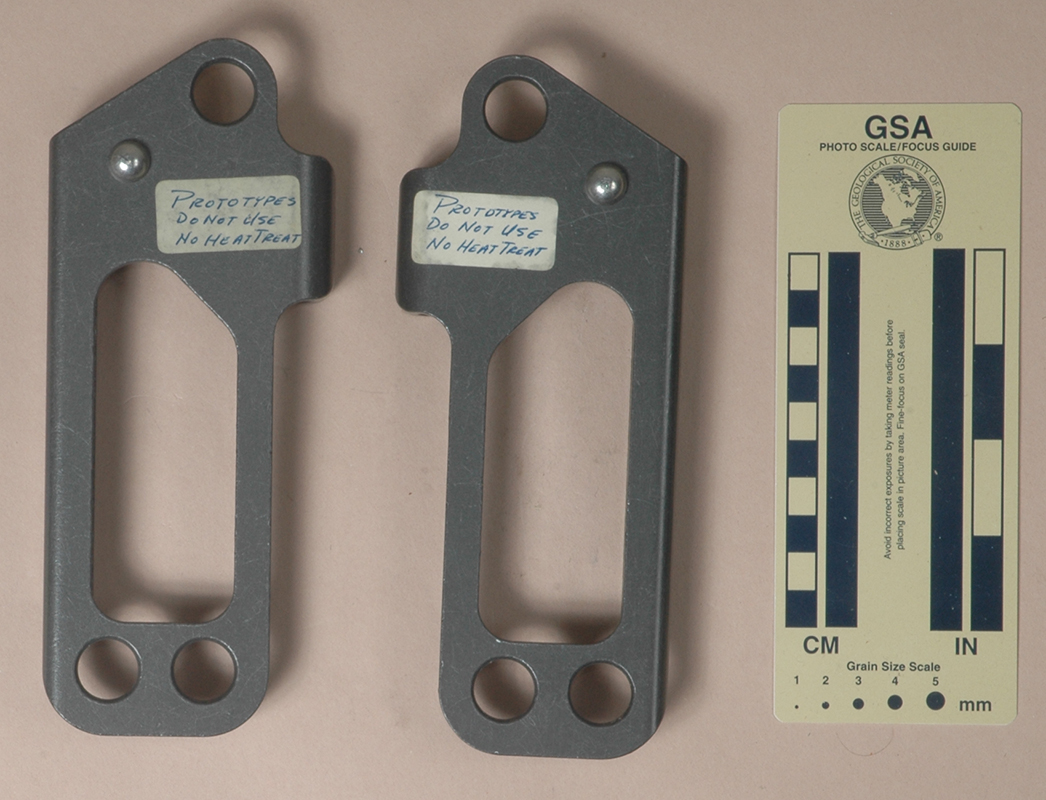
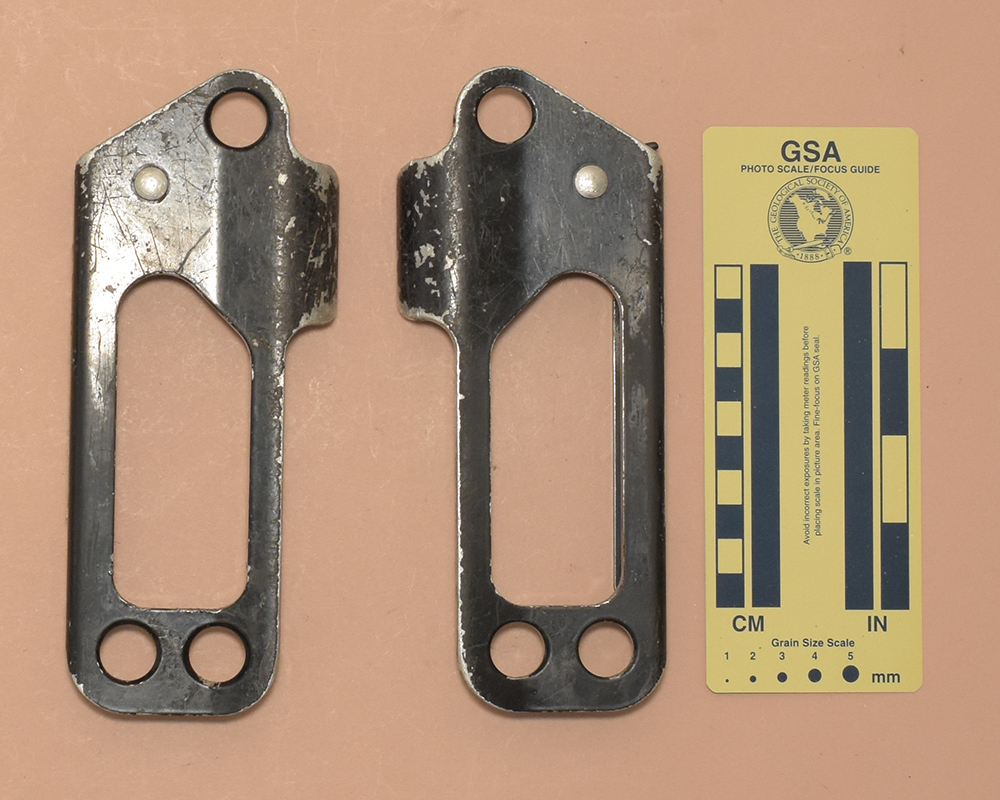
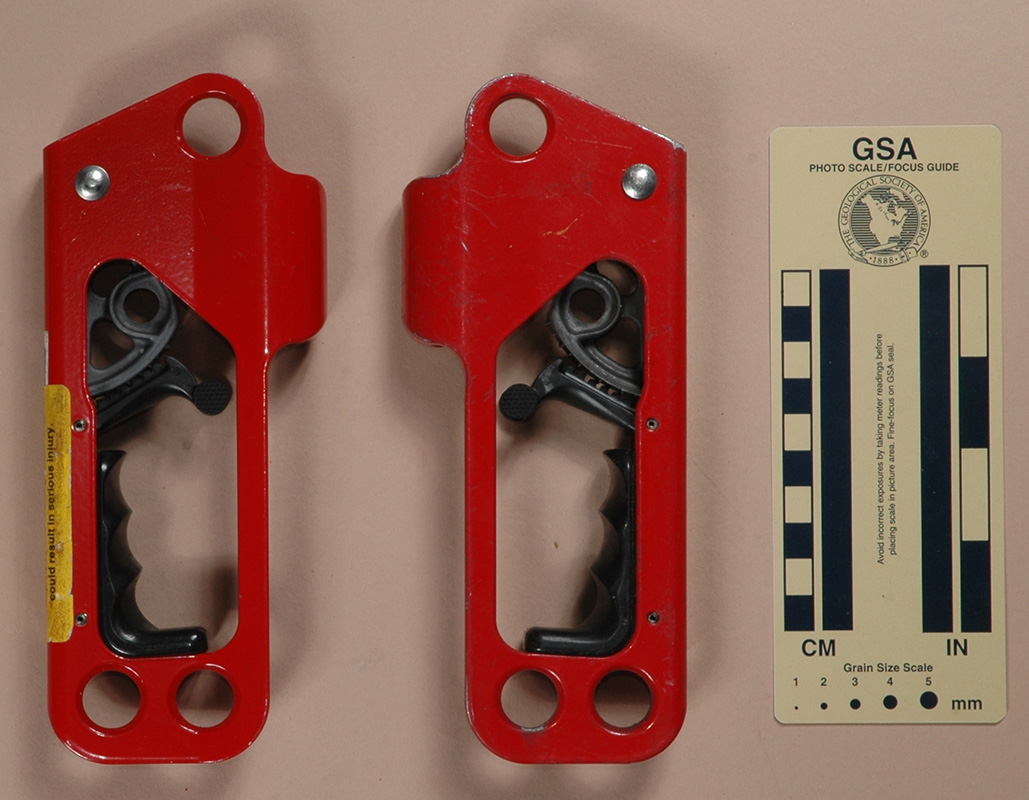
↑ 2225: CMI 5000, Version B (Prototype frame - no heat treat)
- Handled Ecc. Cam Ascender (Milled)
- Acquired in 2017
- Size: 230 × 185 × 76 mm.
- Weight: 230 g.
- Tooth pattern: (2)(5.4)^4(3.4)^2(3.2)^2
- The easiest way to recognize a 5000 is to see an anodized frame with a rectangular rope channel as viewed from the front.
- This version has chamfered top and bottom holes.
- This pair has prototype frames that were not heat treated and should not be used.
- The CMI 5000 safety is a nylon elbow that extends above the frame. This is design is shared by the CMI 5002.
↑ 2222: CMI 5000, Version C
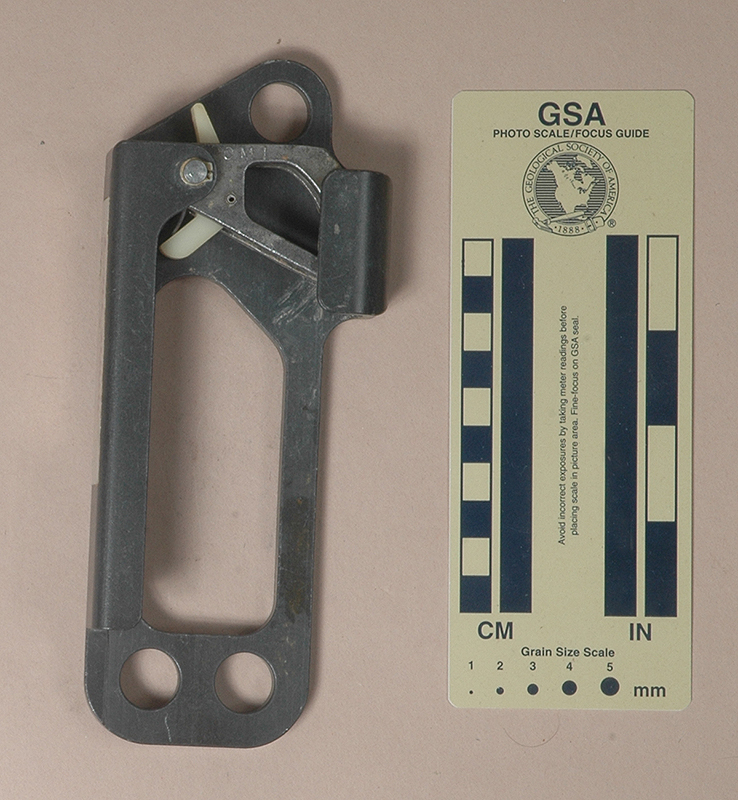
- Handled Ecc. Cam Ascender (Milled)
- Acquired in 2017
- Size: 228 × 184 × 76 mm.
- Weight: 228 g.
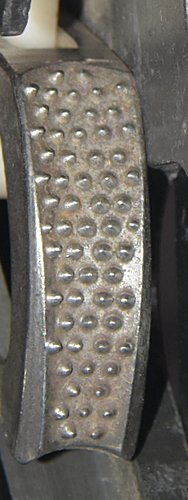
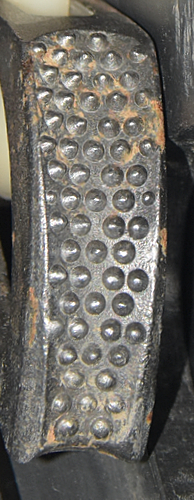
- Tooth pattern: (2)(5.4)^4(3.4)^2(3.2)^2
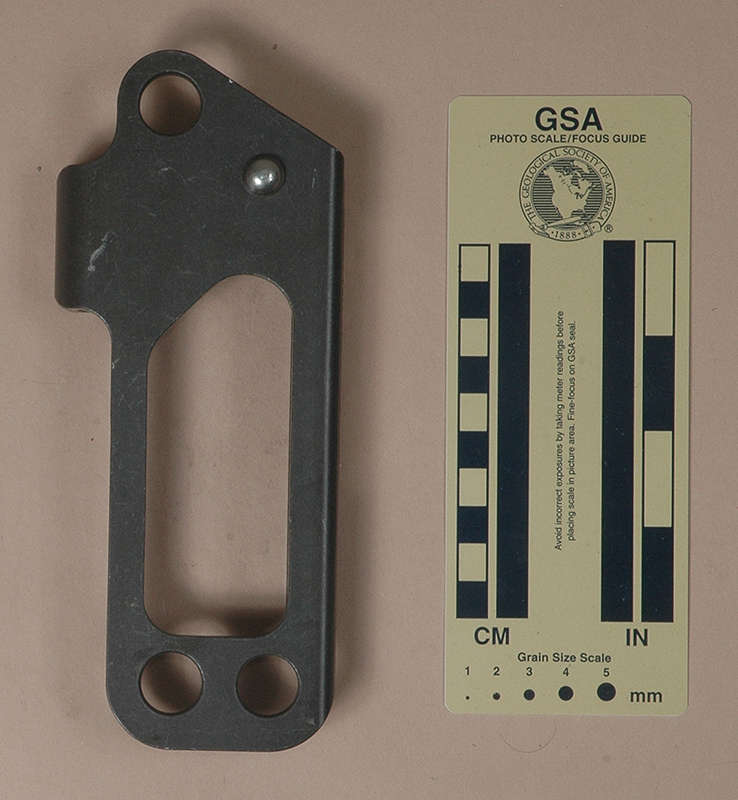
- The easiest way to recognize a 5000 is to see an anodized frame with a rectangular rope channel as viewed from the front.
- This version has chamfered top and bottom holes.
- The CMI 5000 safety is a nylon elbow that extends above the frame. This is design is shared by the CMI 5002.
↑ 2299: CMI 5000, Version D
- Handled Ecc. Cam Ascender (Milled)
- Acquired in 2017
- Size: 230 × 184 × 76 mm.
- Weight: 230 g.
- Tooth pattern: (2)(5.4)^4(3.4)^2(3.2)^2
- The easiest way to recognize a 5000 is to see an anodized frame with a rectangular rope channel as viewed from the front.
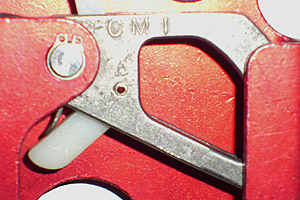
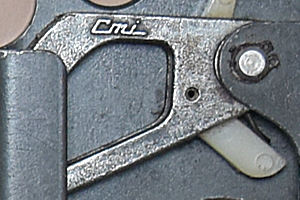
- Version D has a new cam that can be recognized by larger lettering.
- Alas, the frame holes are no longer chamfered.
- The CMI 5000 safety is a nylon elbow that extends above the frame. This is design is shared by the CMI 5002.
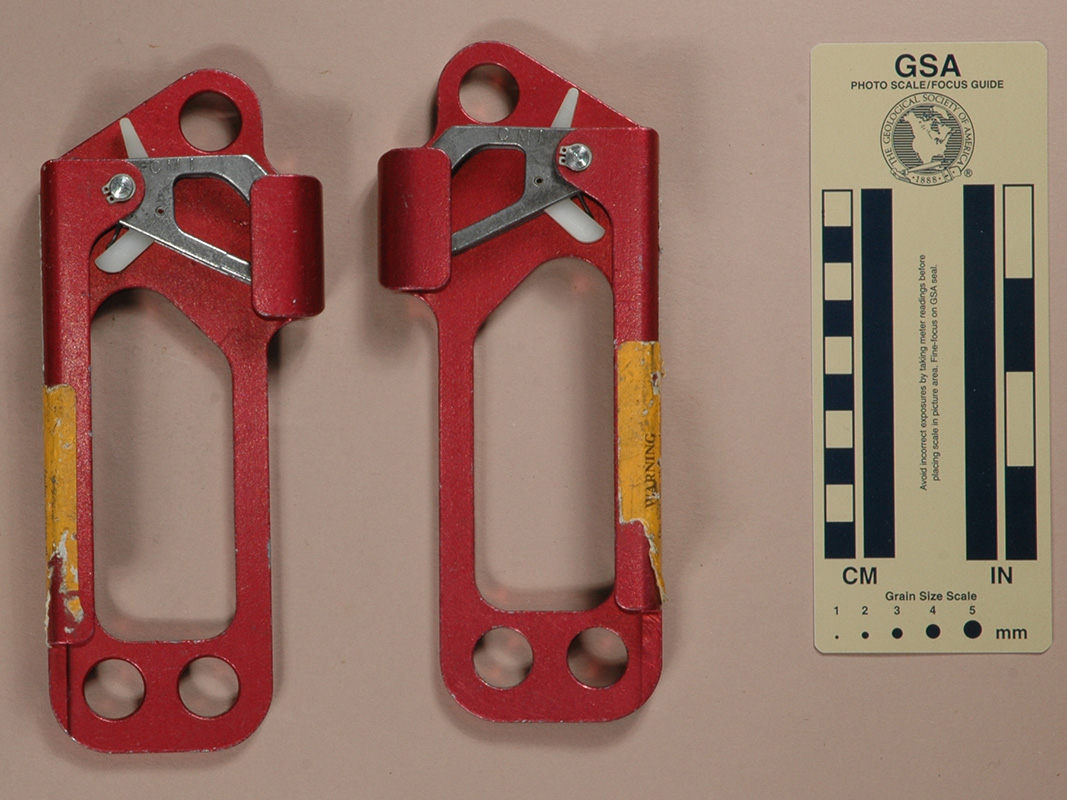
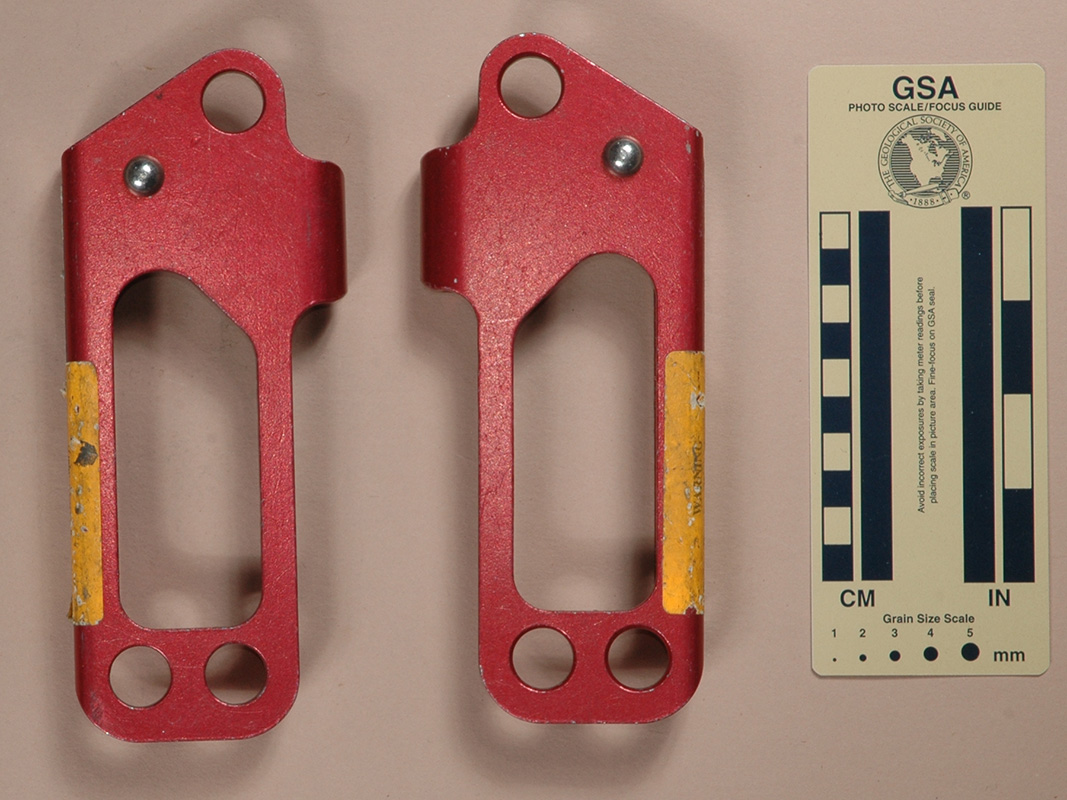
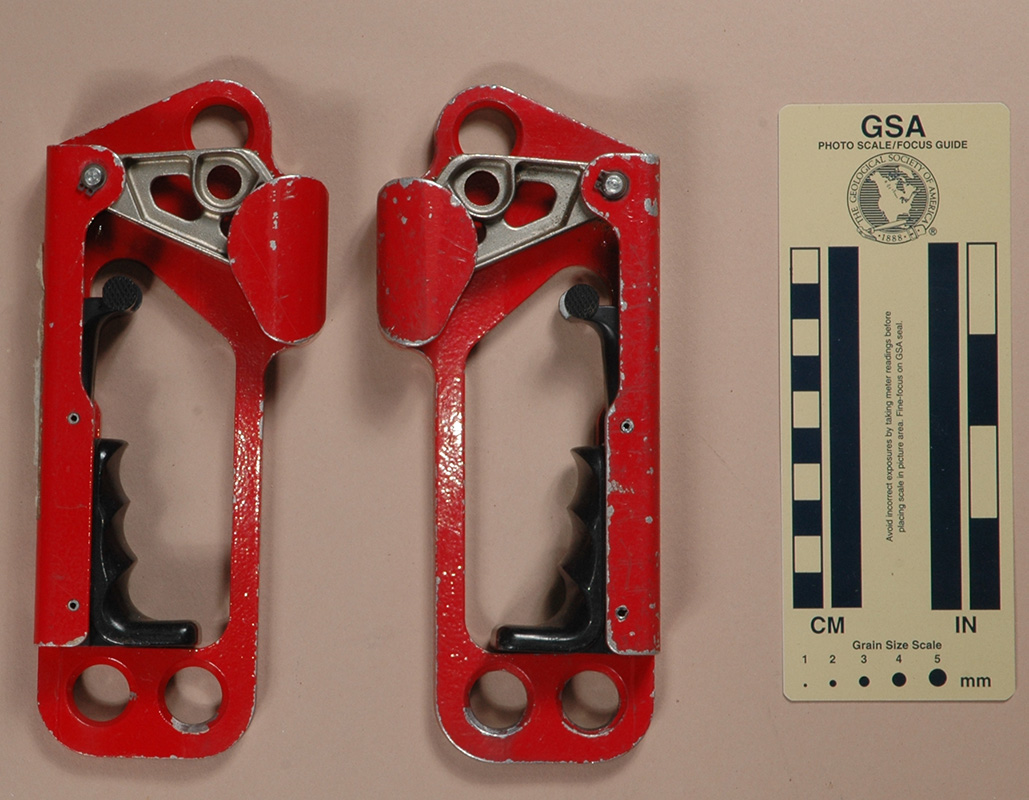
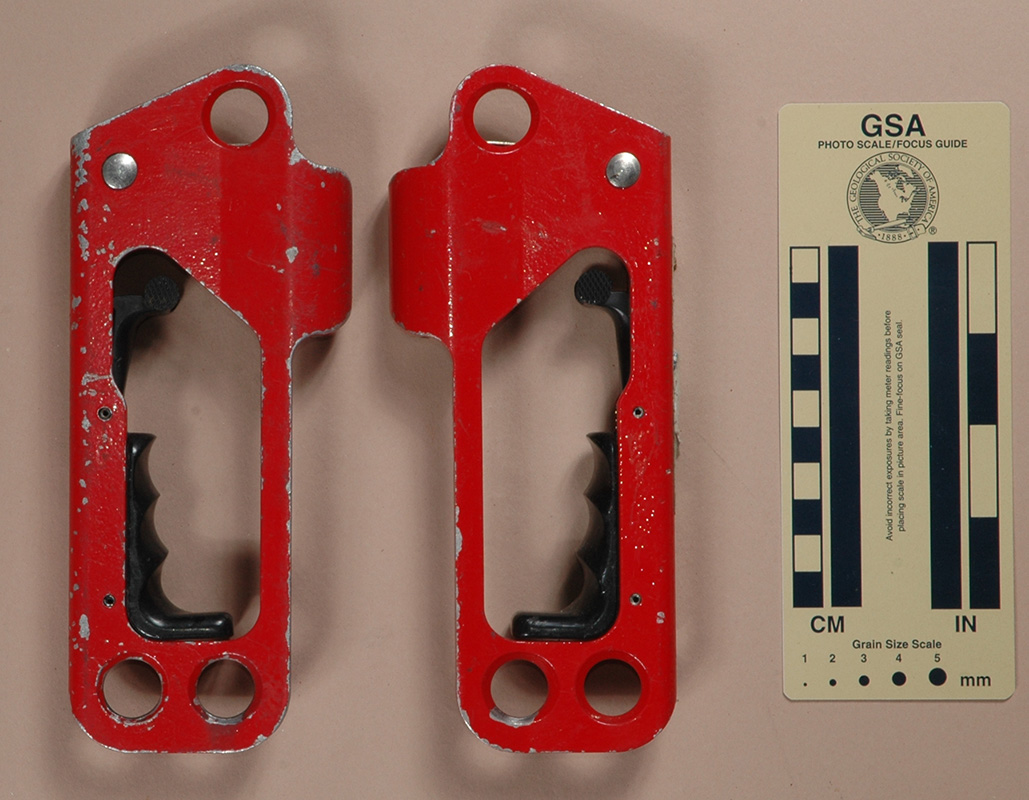
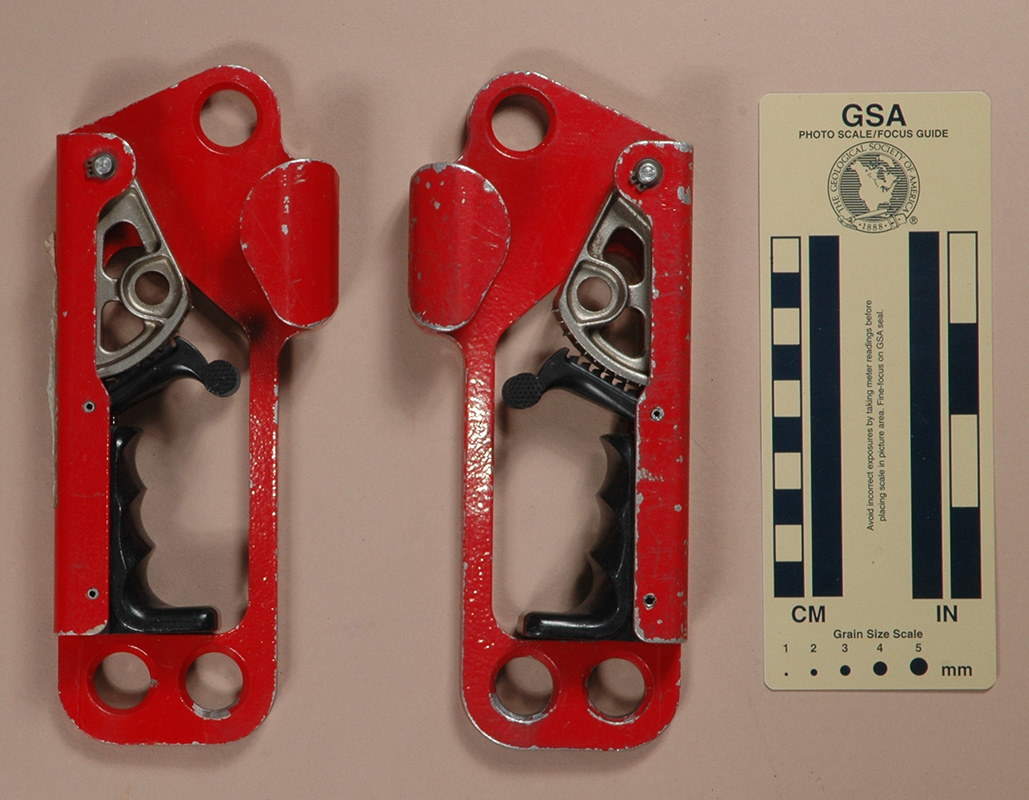
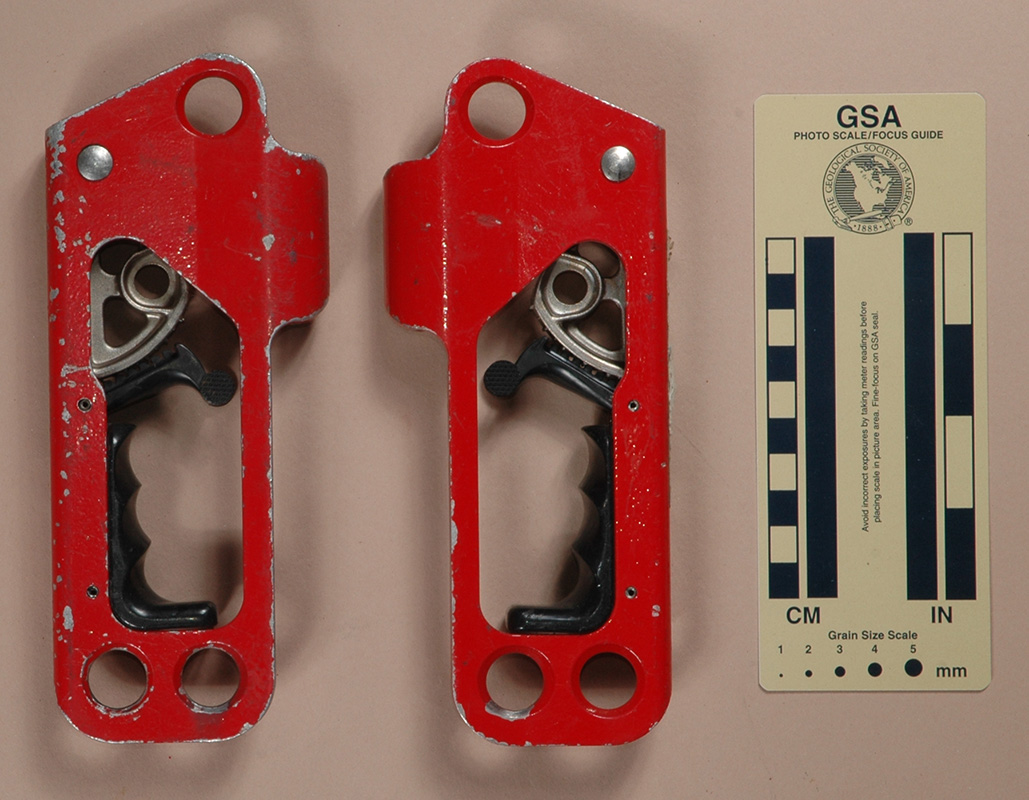
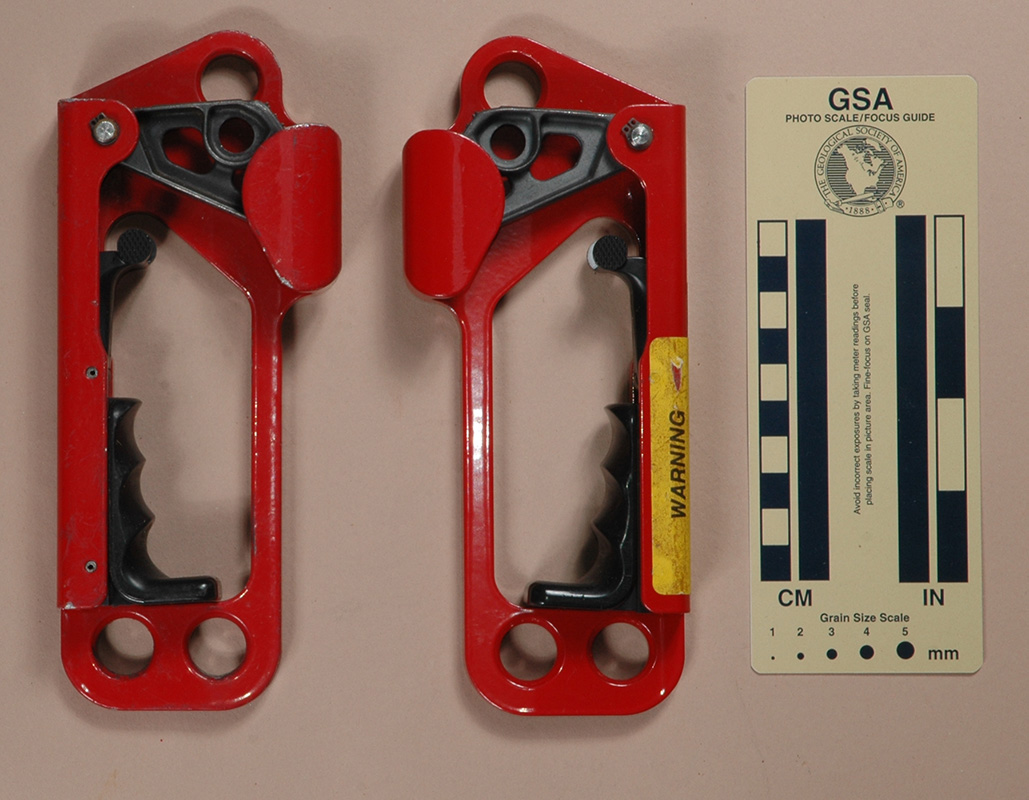
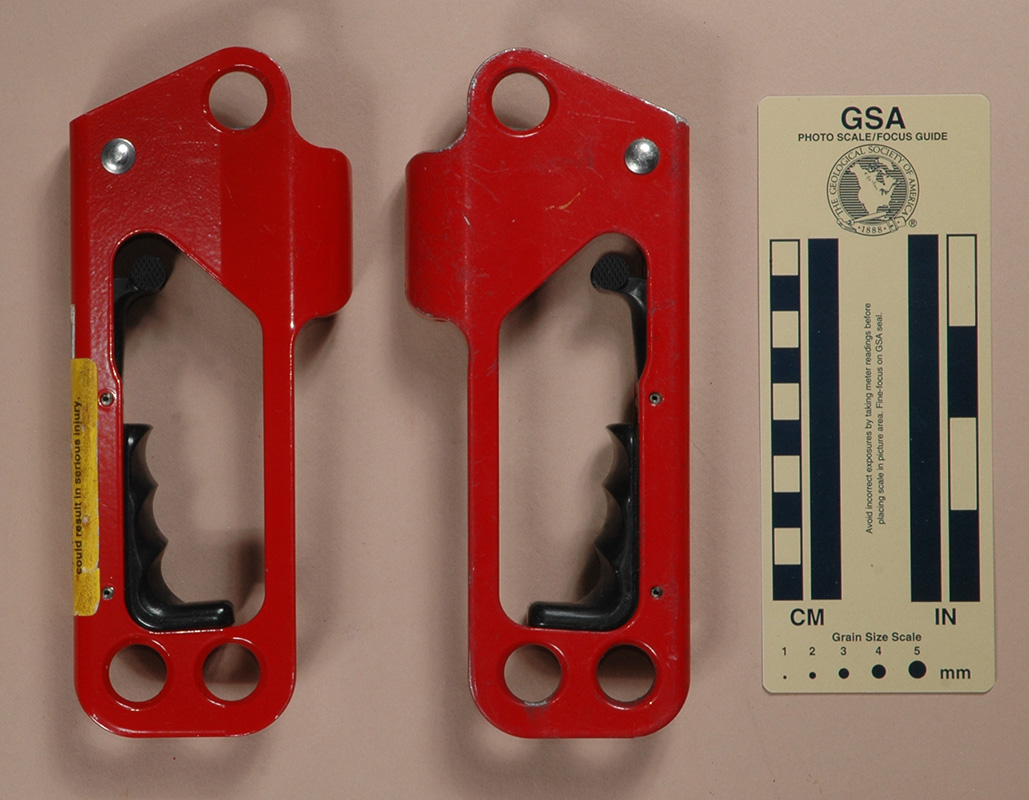
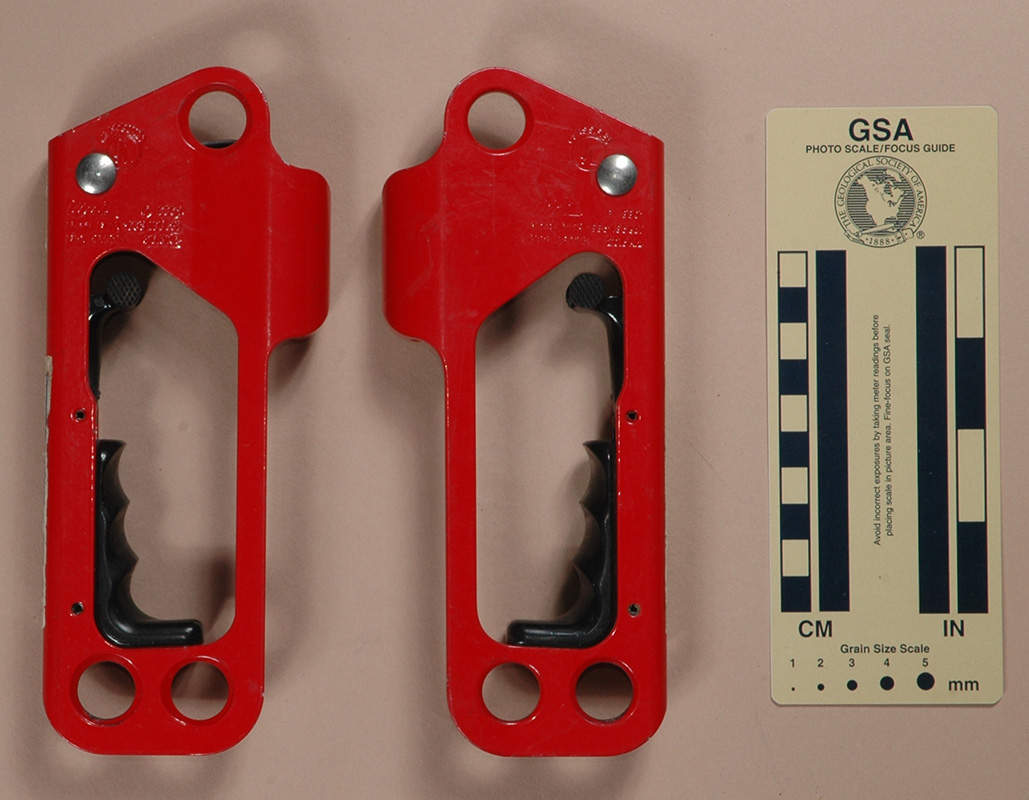
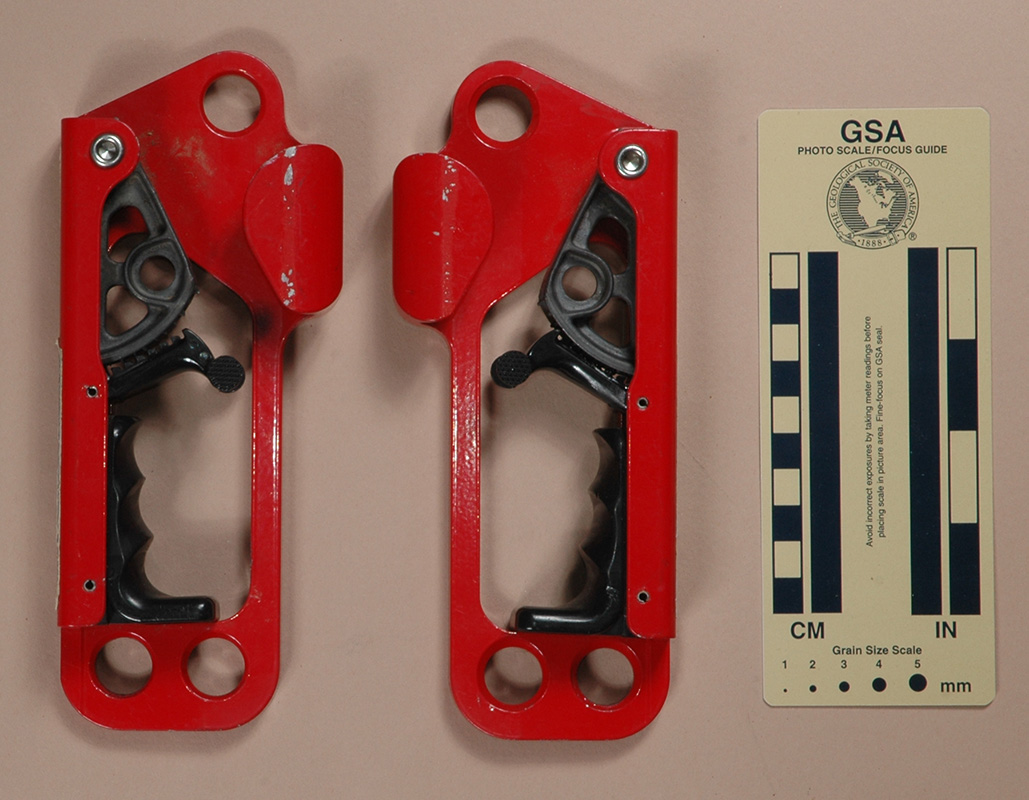
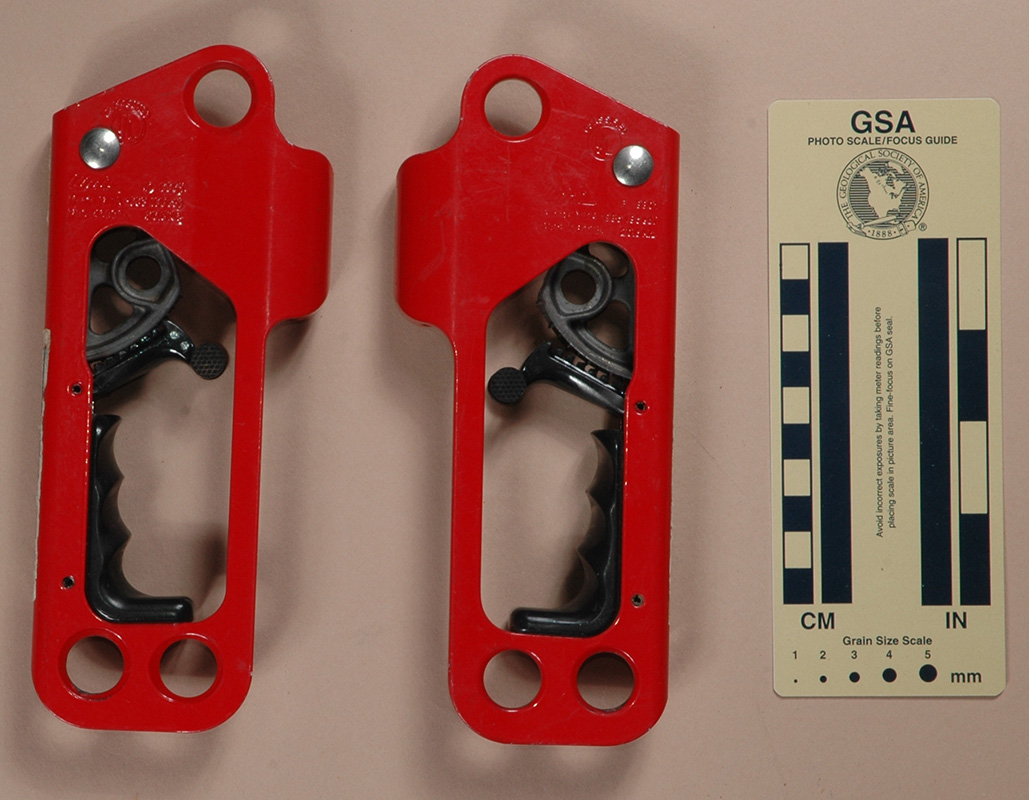
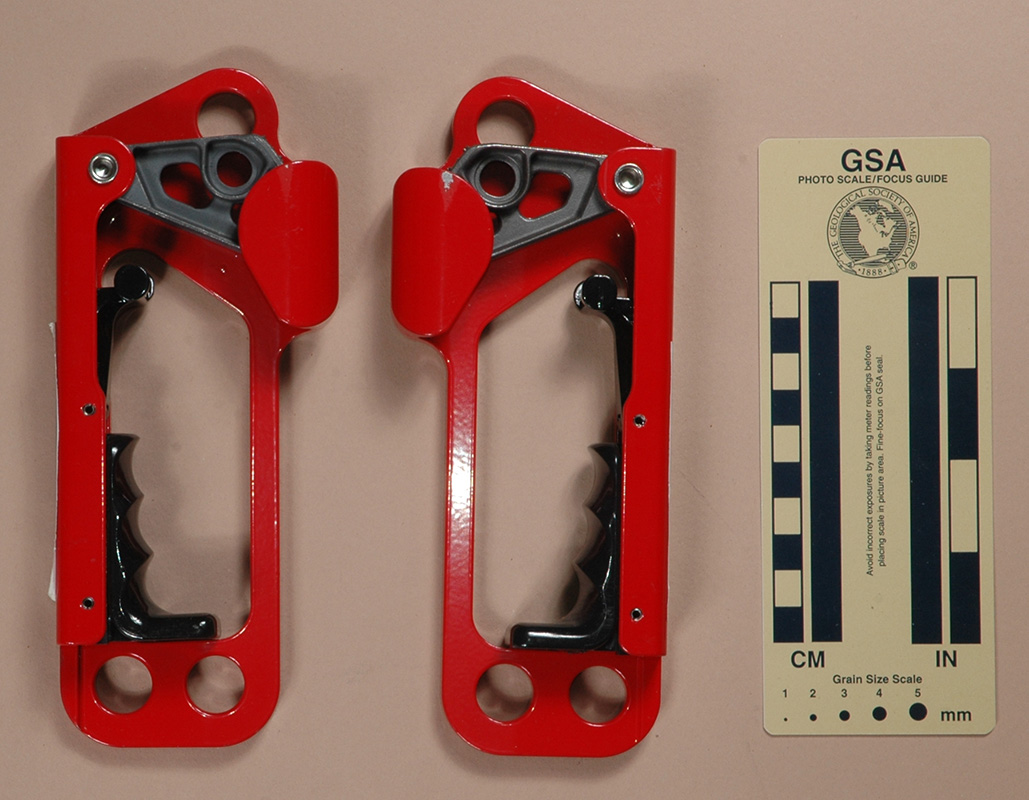
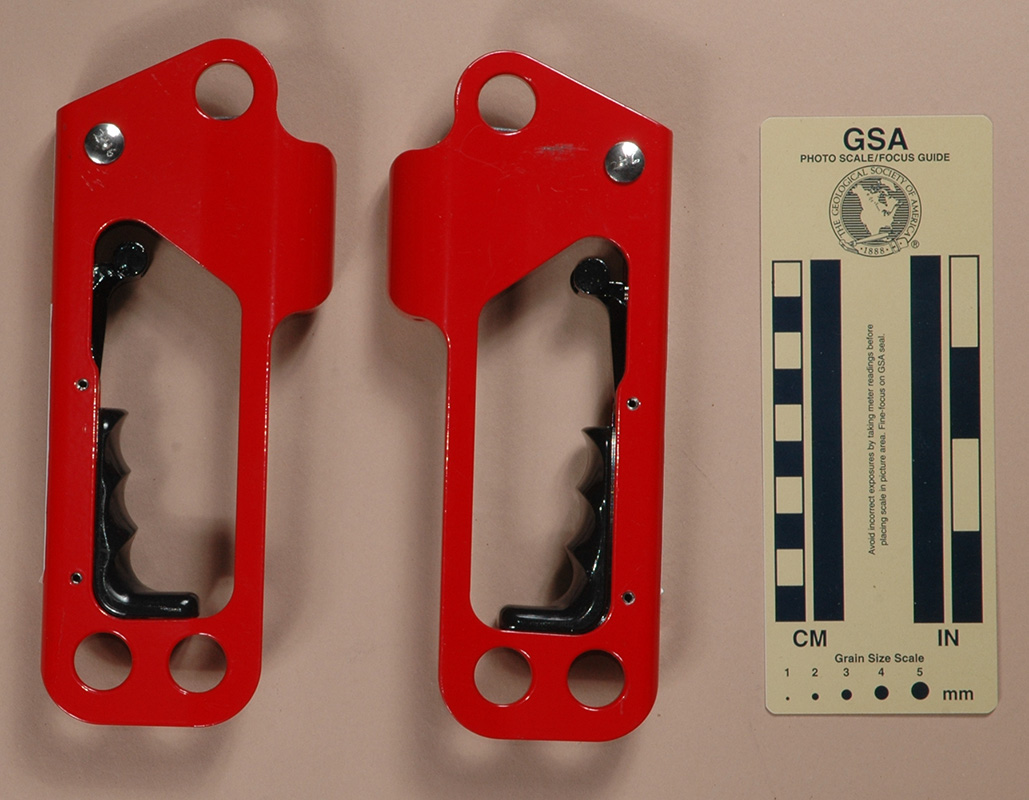
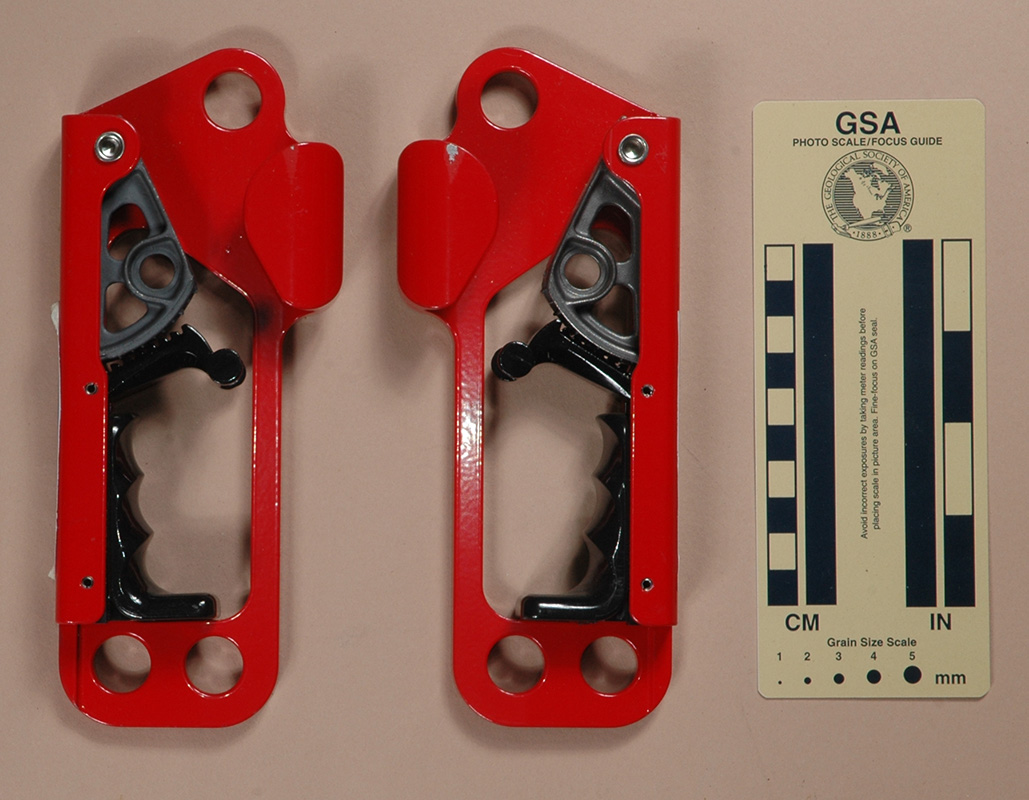
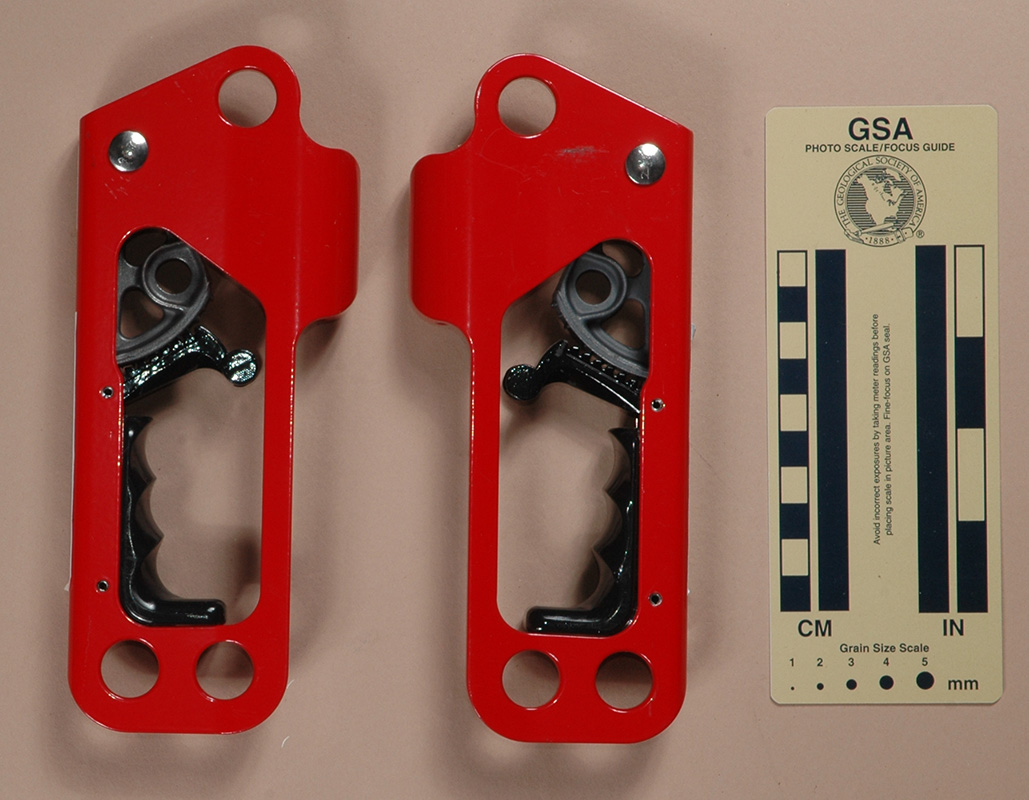
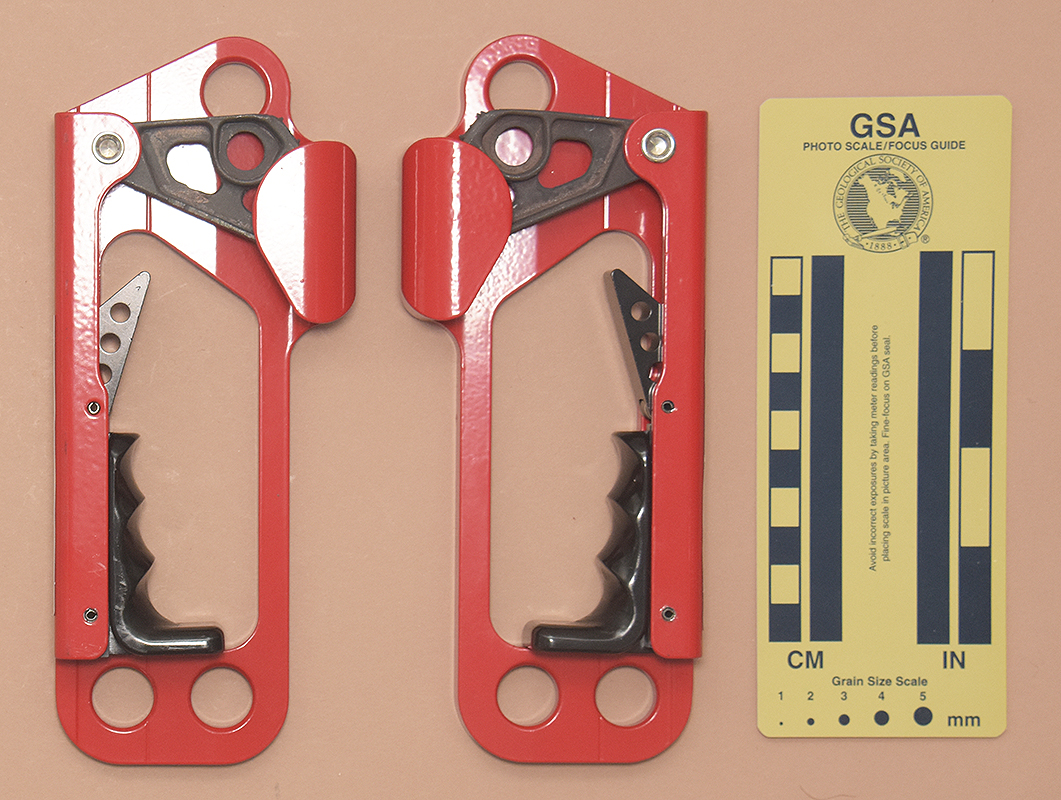
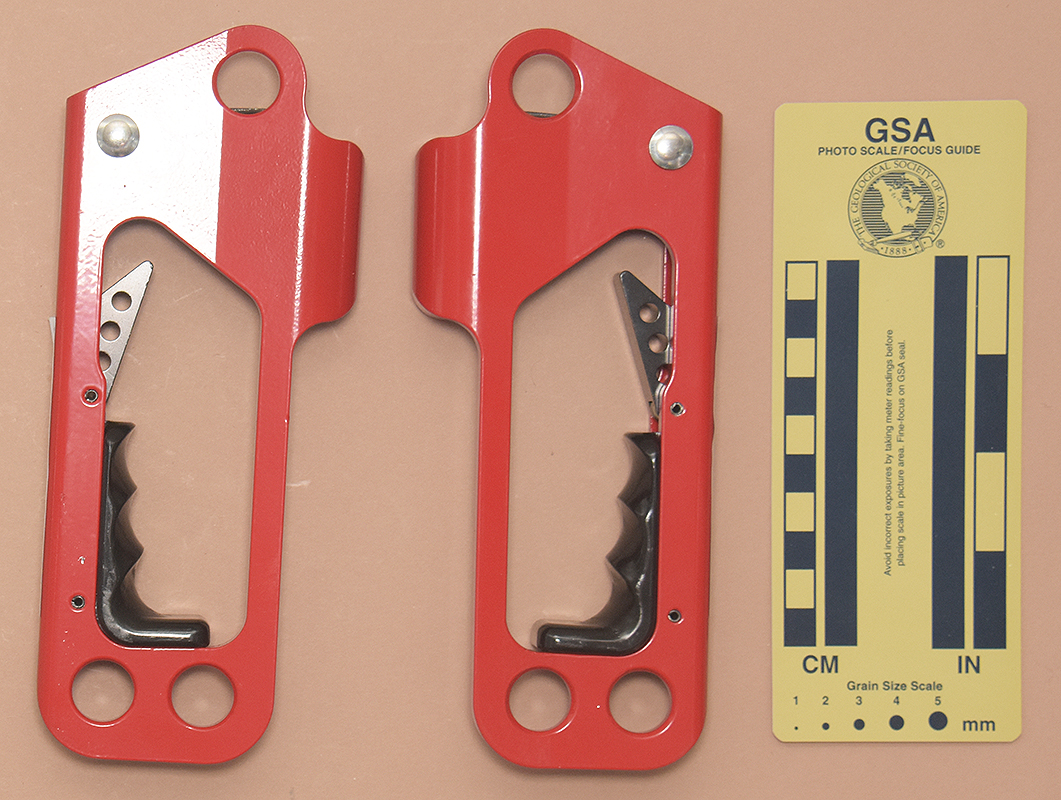
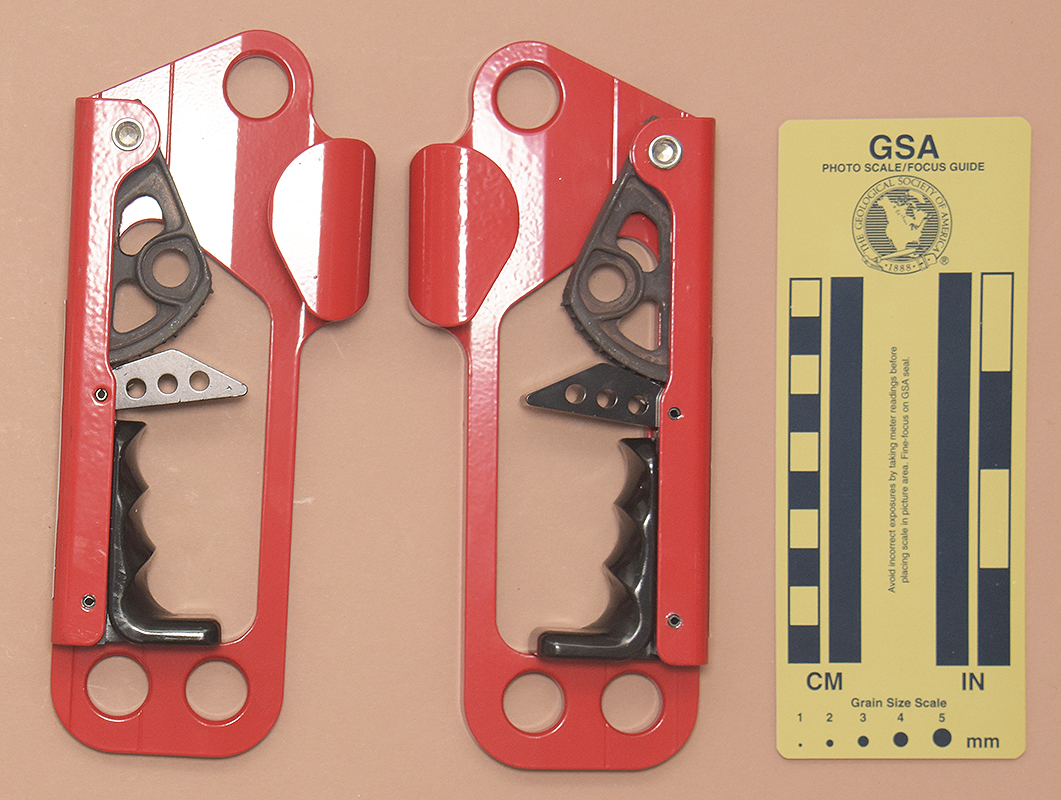
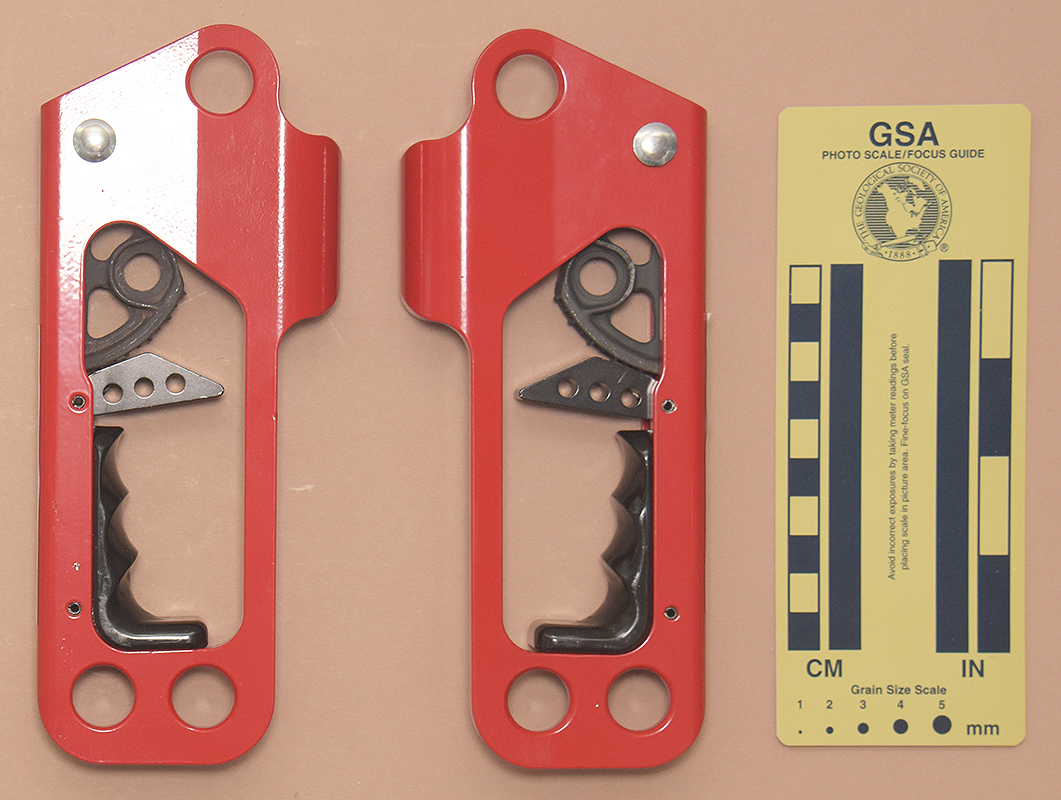
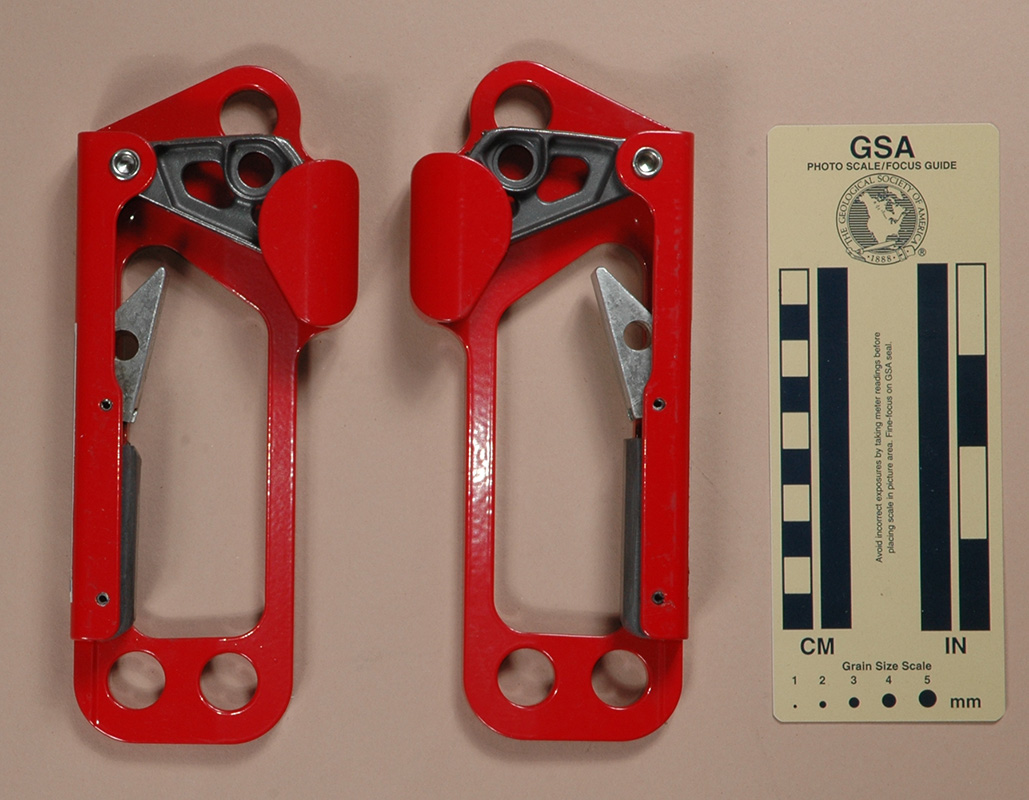
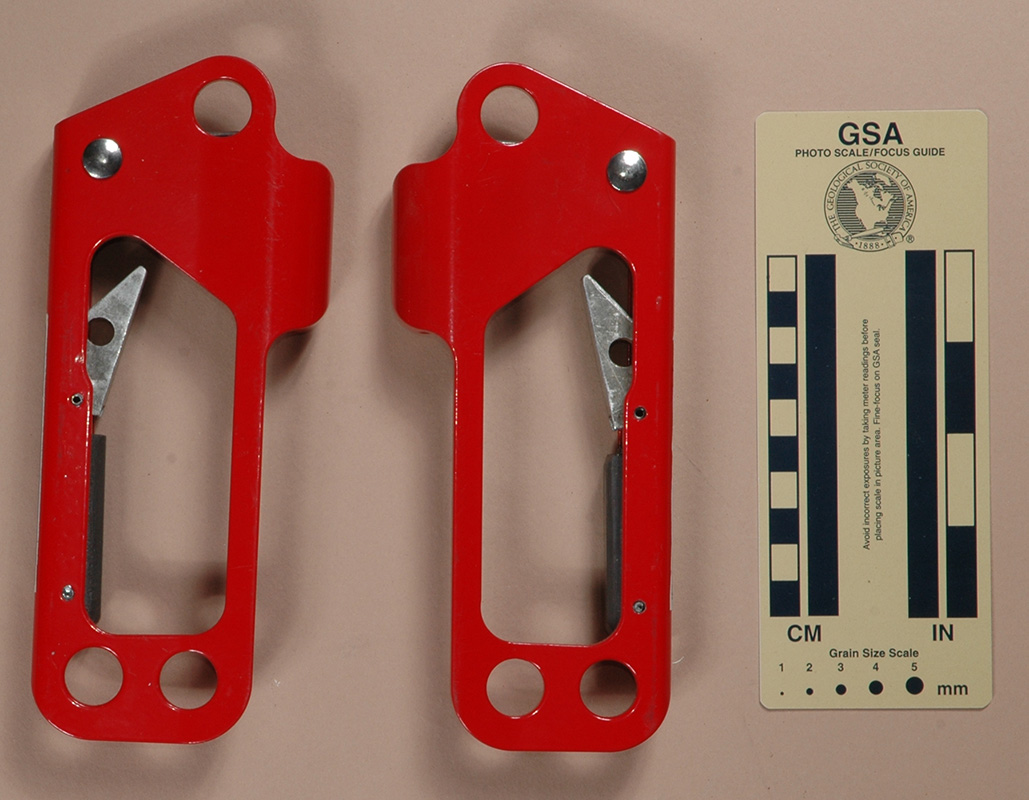
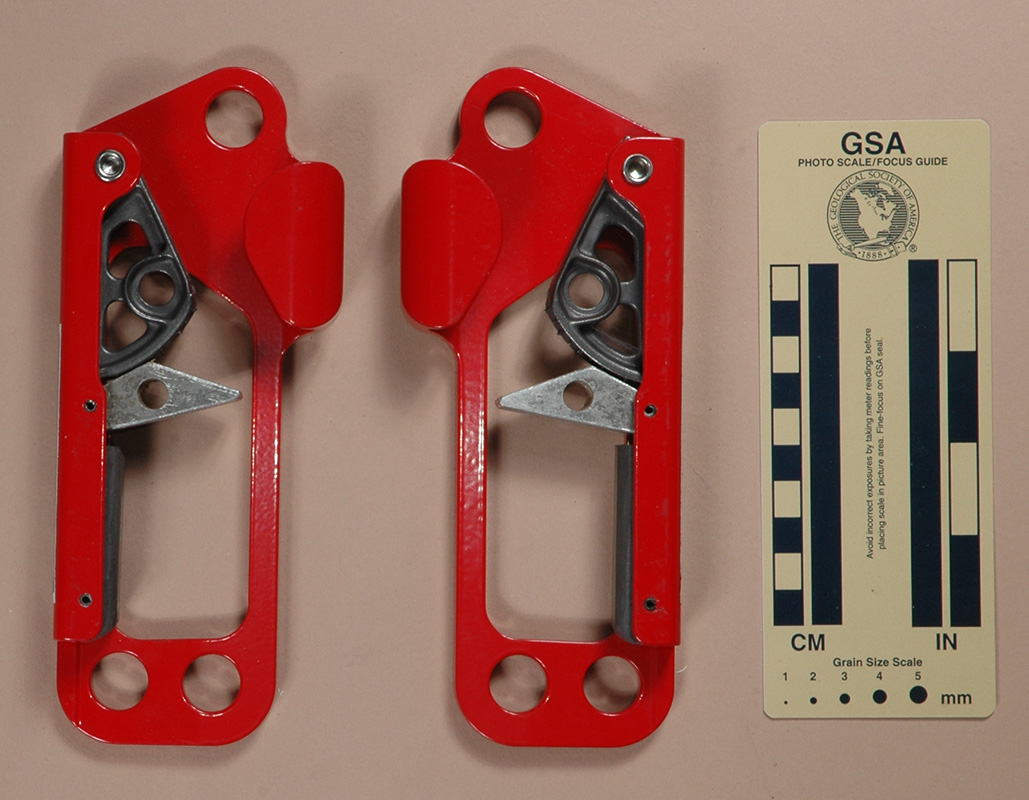
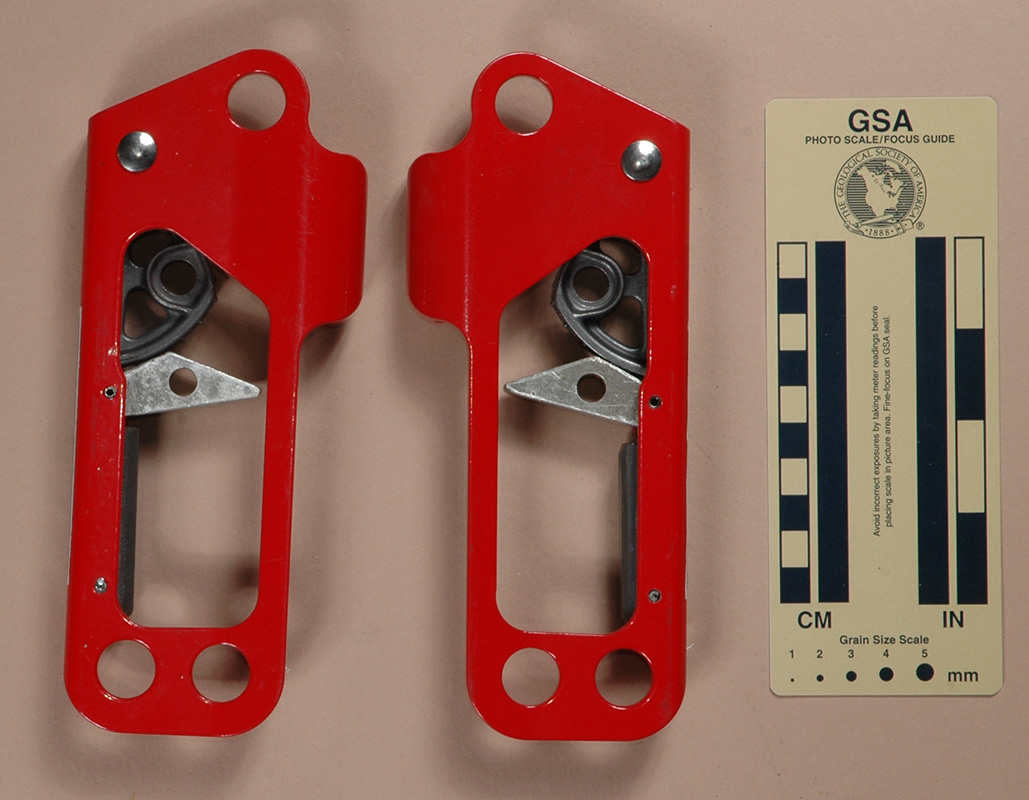
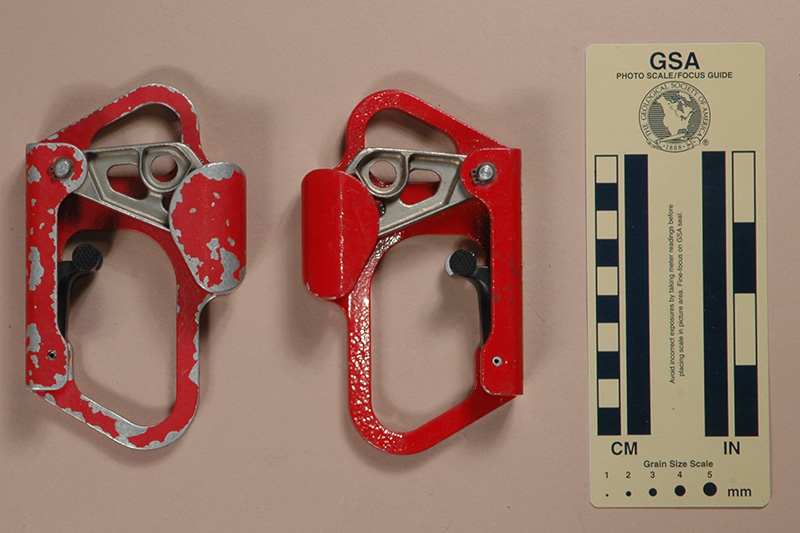
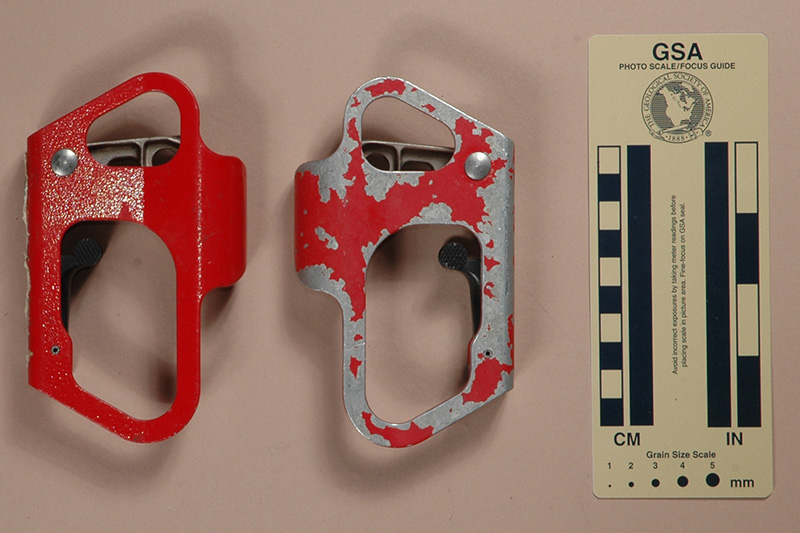
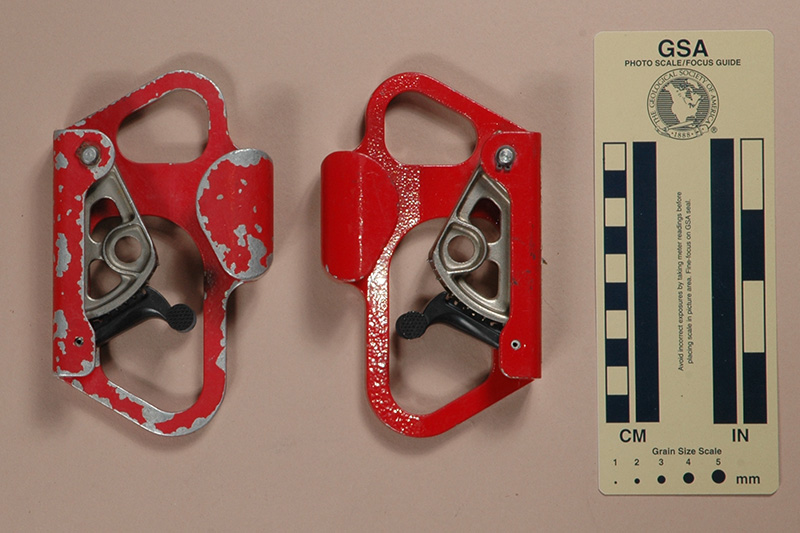
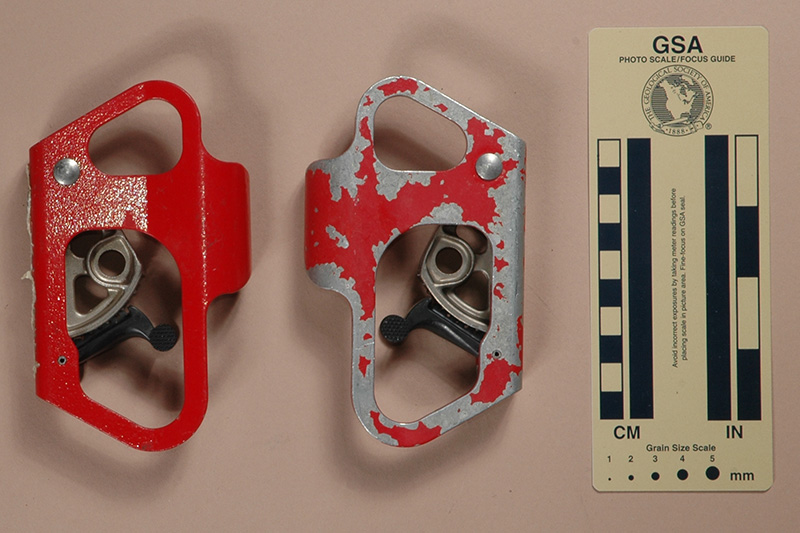
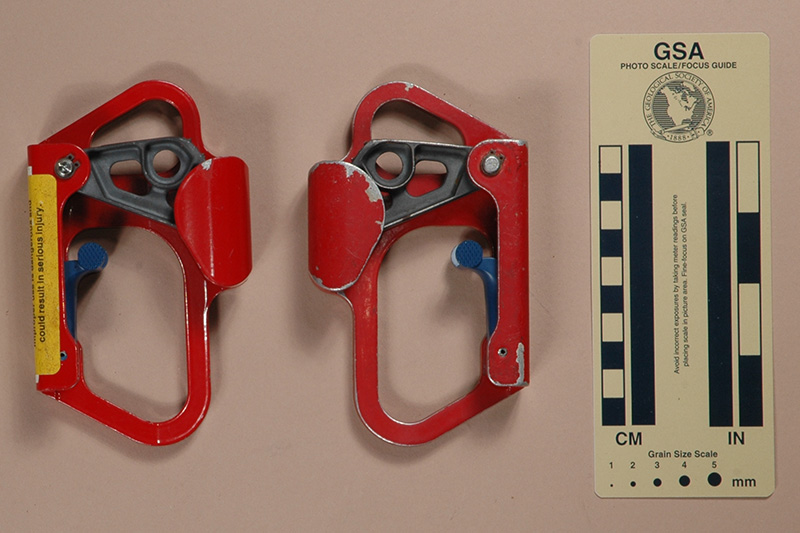
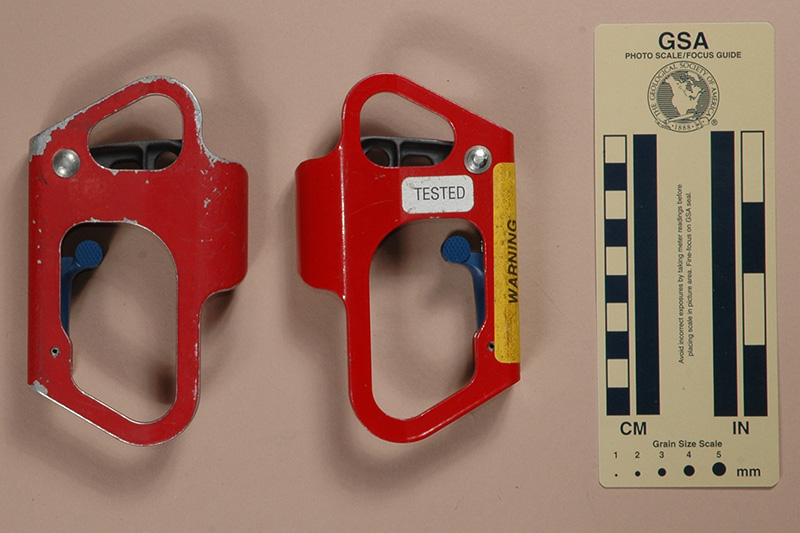
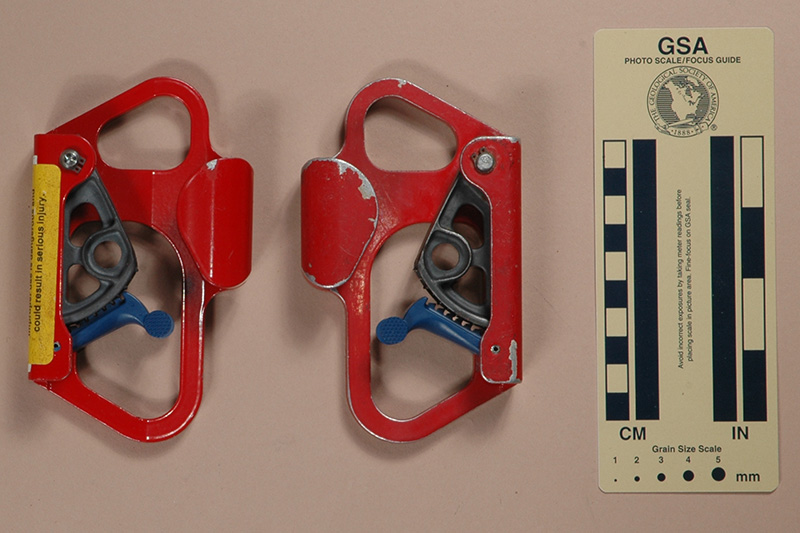
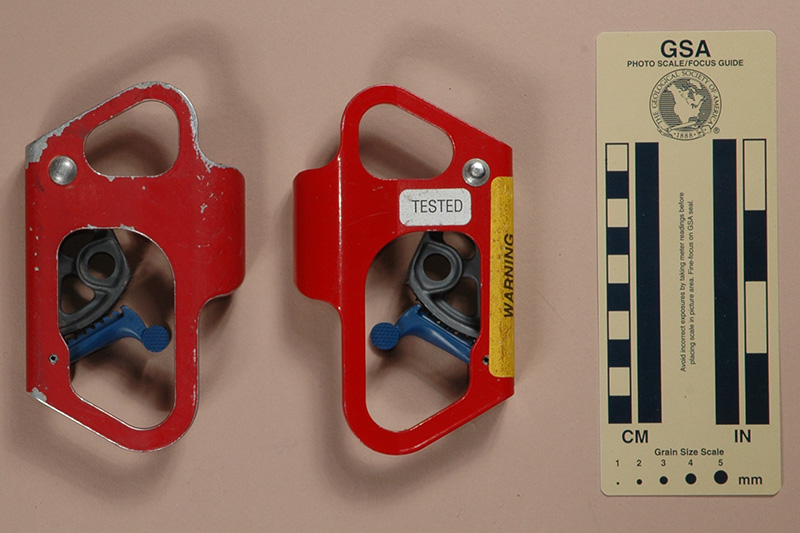
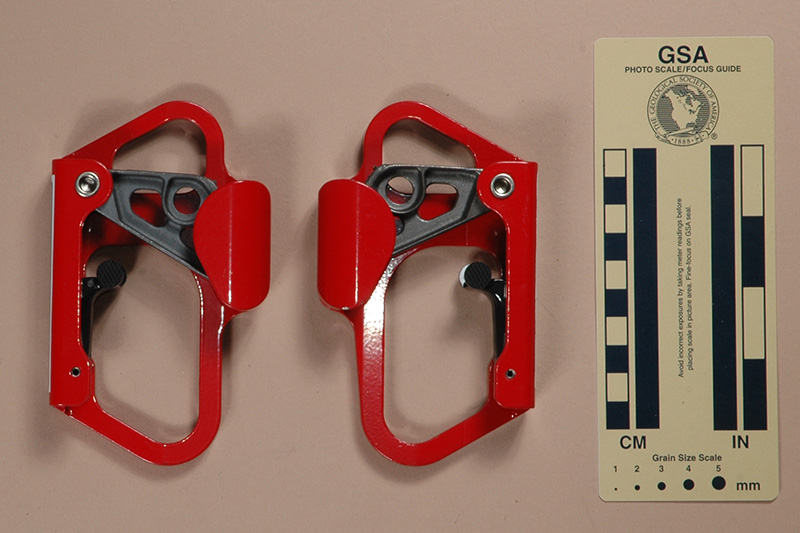
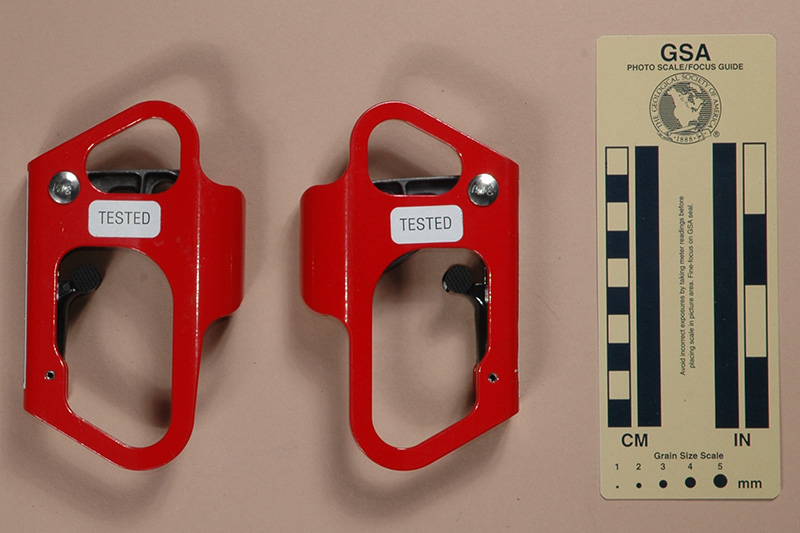
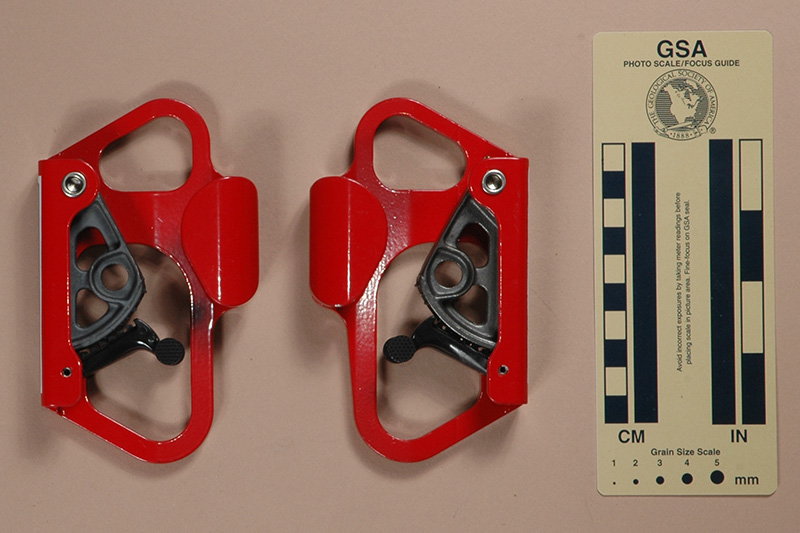
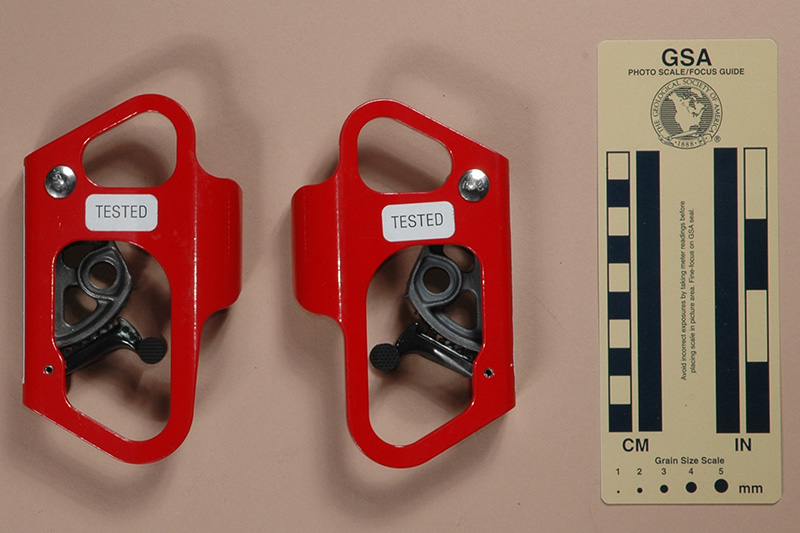
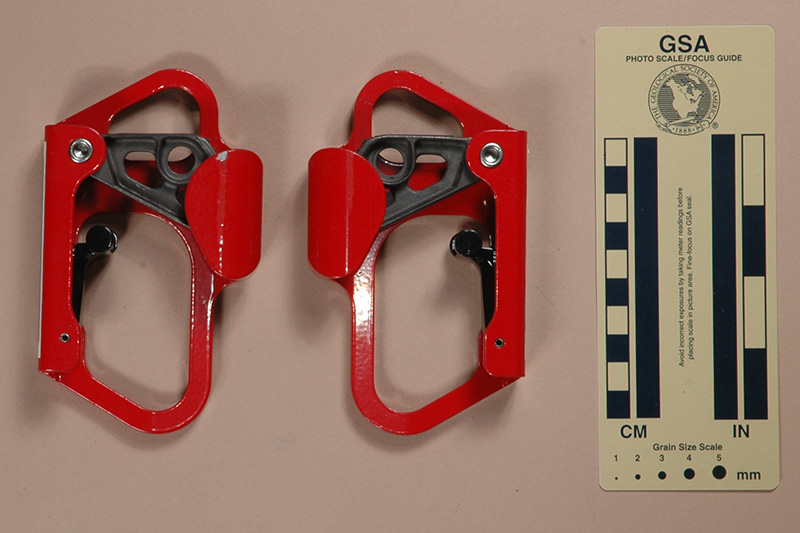
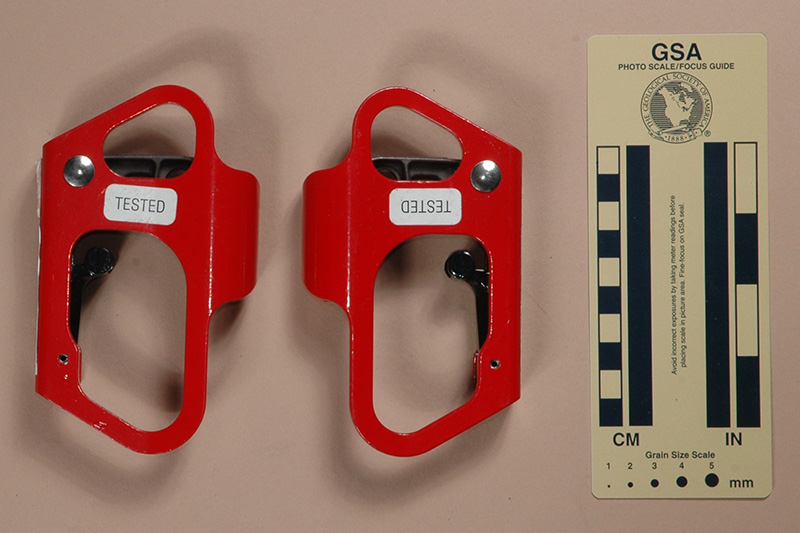
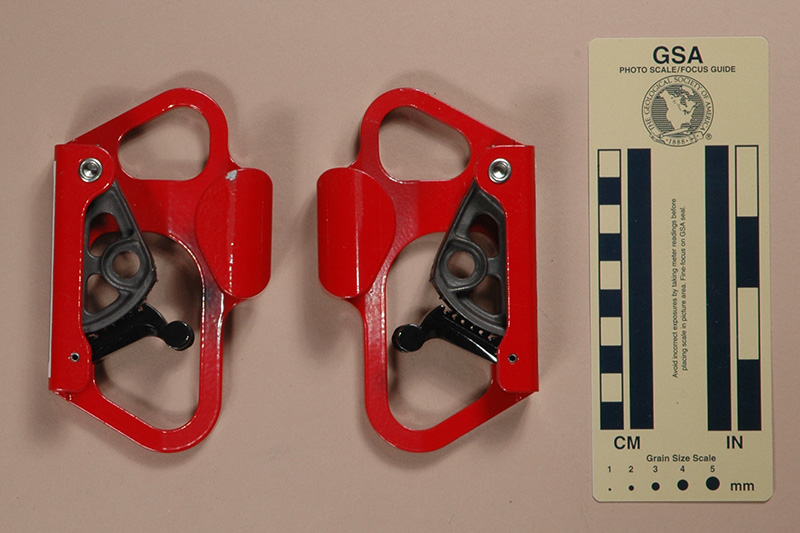
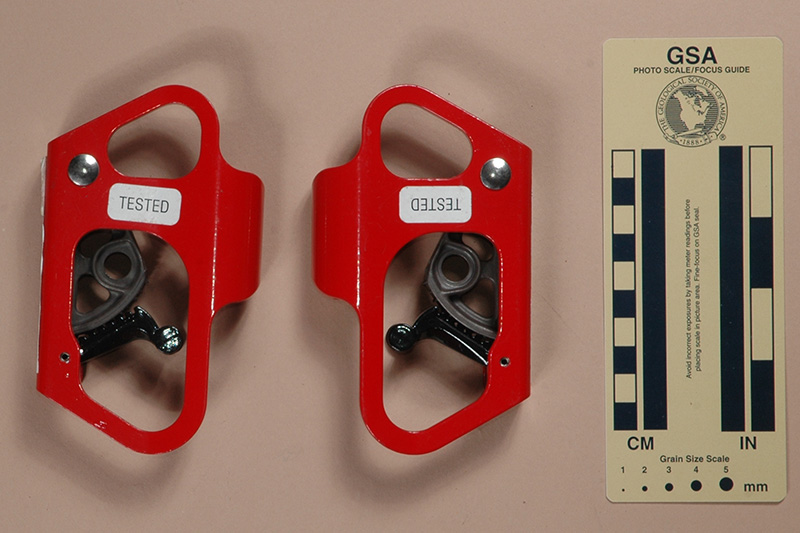
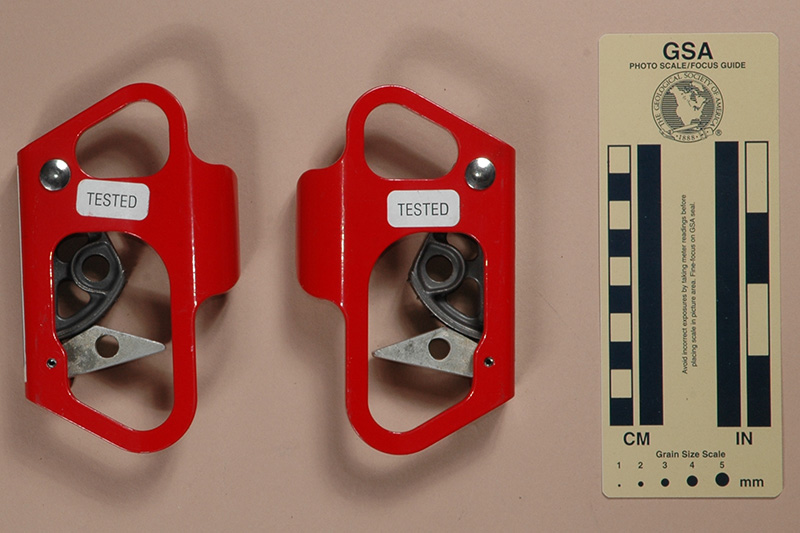
↑ 027: CMI 5000, Version E, Speleoshoppe custom
- Handled Ecc. Cam Ascender (Milled)
- Acquired in 1979
- Size: 226 × 183 × 76 mm.
- Weight: 226 g.
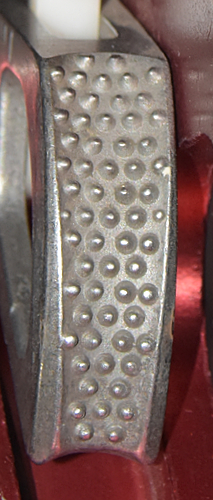
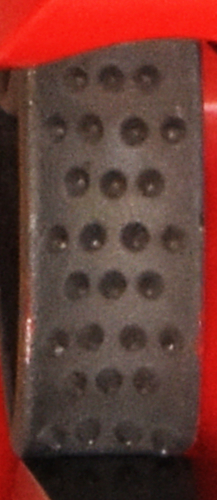
- Tooth pattern: (2)(5.4)^4(3.4)^2(3.2)^2
- The easiest way to recognize a 5000 is to see an anodized frame with a rectangular rope channel as viewed from the front.
- Except for color, Version E is identical to Version D.
- The red color was limited to a custom run specially made for Speleoshoppe.
- The CMI 5000 safety is a nylon elbow that extends above the frame. This is design is shared by the CMI 5002.
↑ 3418: CMI 5000, Version F
- Handled Ecc. Cam Ascender (Milled)
- Acquired in 2021
- Size: 230 × 184 × 76 mm.
- Weight: 230 g.
- Tooth pattern: (2)(5.4)^4(3.4)^2(3.2)^2
- The easiest way to recognize a 5000 is to see an anodized frame with a rectangular rope channel as viewed from the front.
- The frame holes are chamfered.
- Version F has the same cam as Version E.
- The CMI 5000 safety is a nylon elbow that extends above the frame. This is design is shared by the CMI 5002.
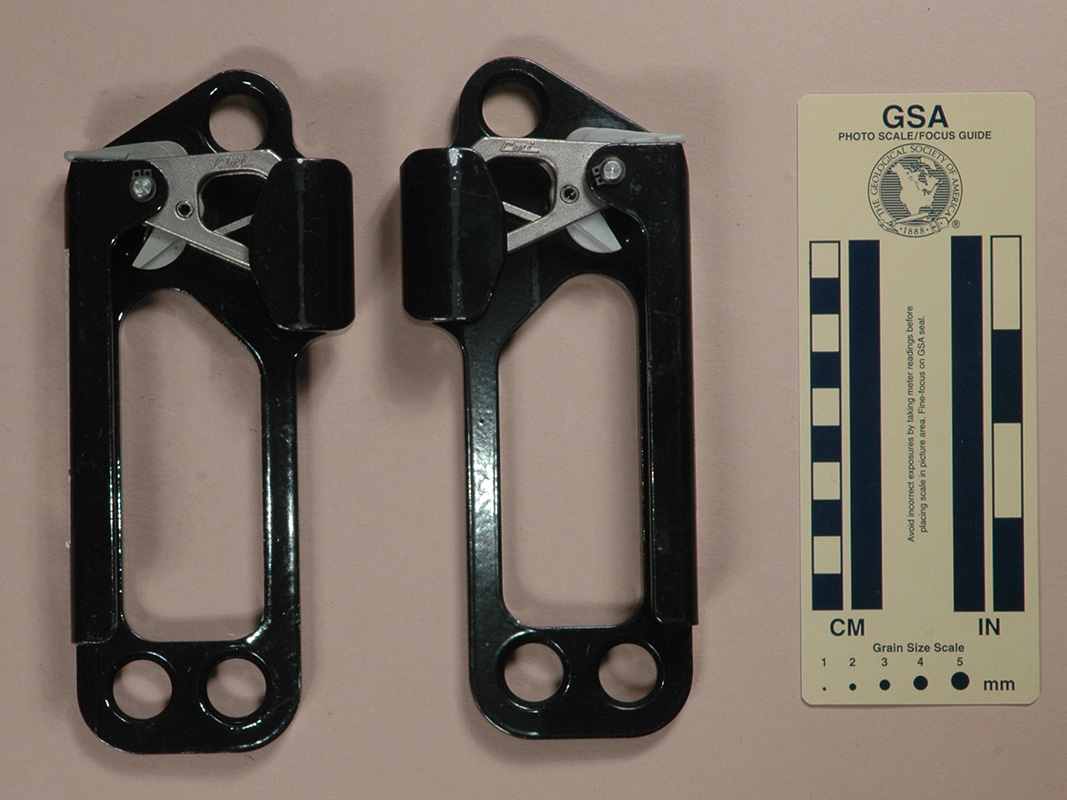
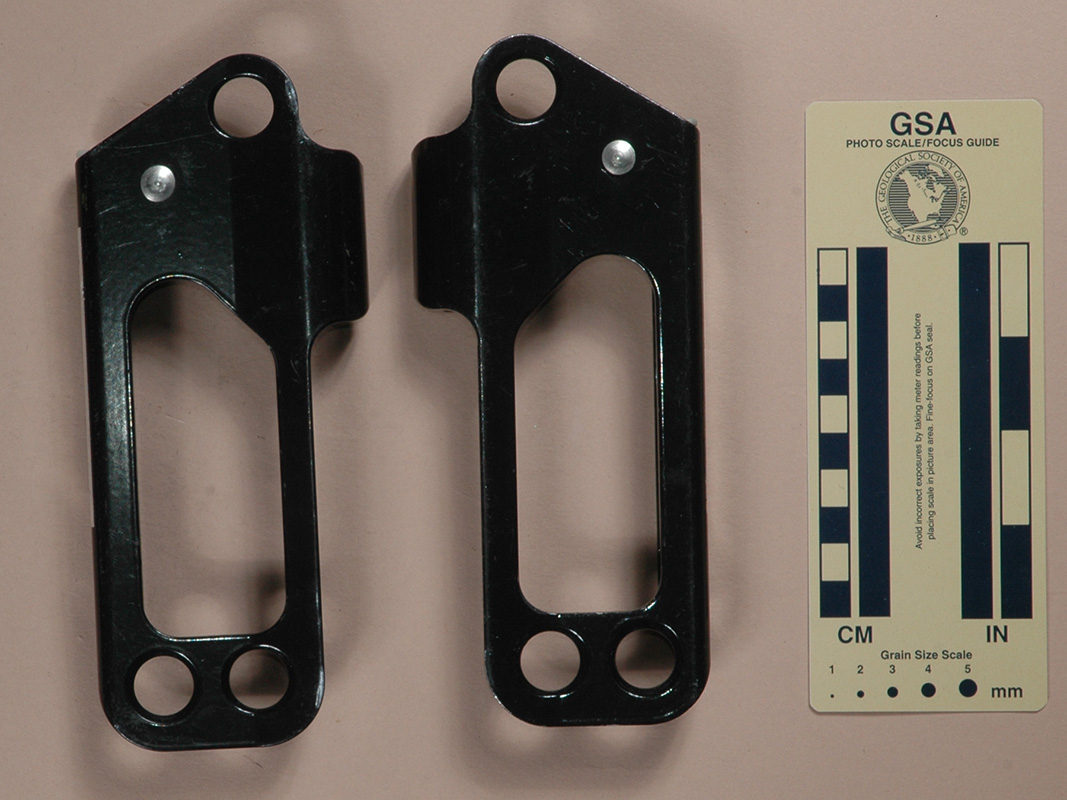
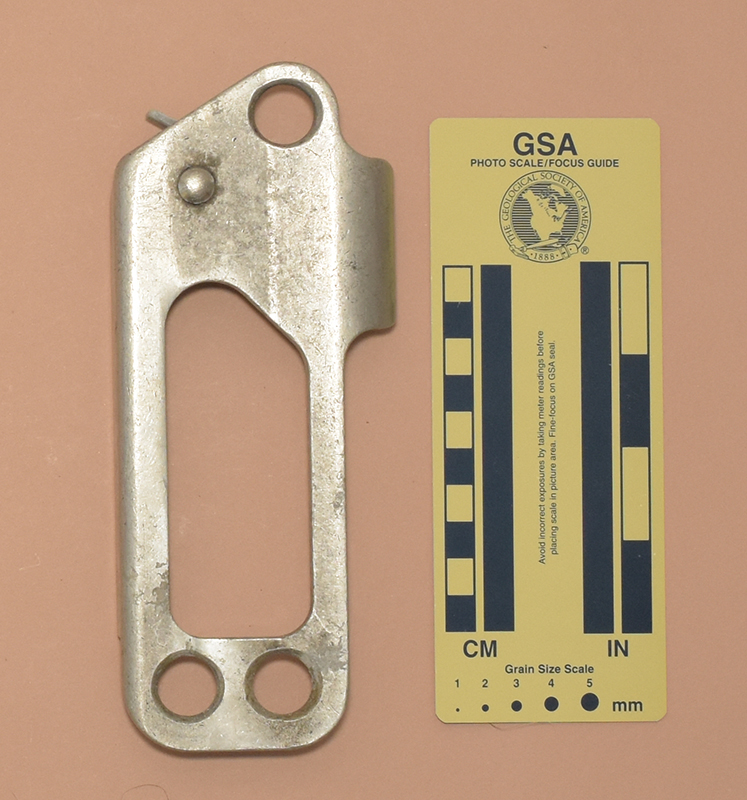
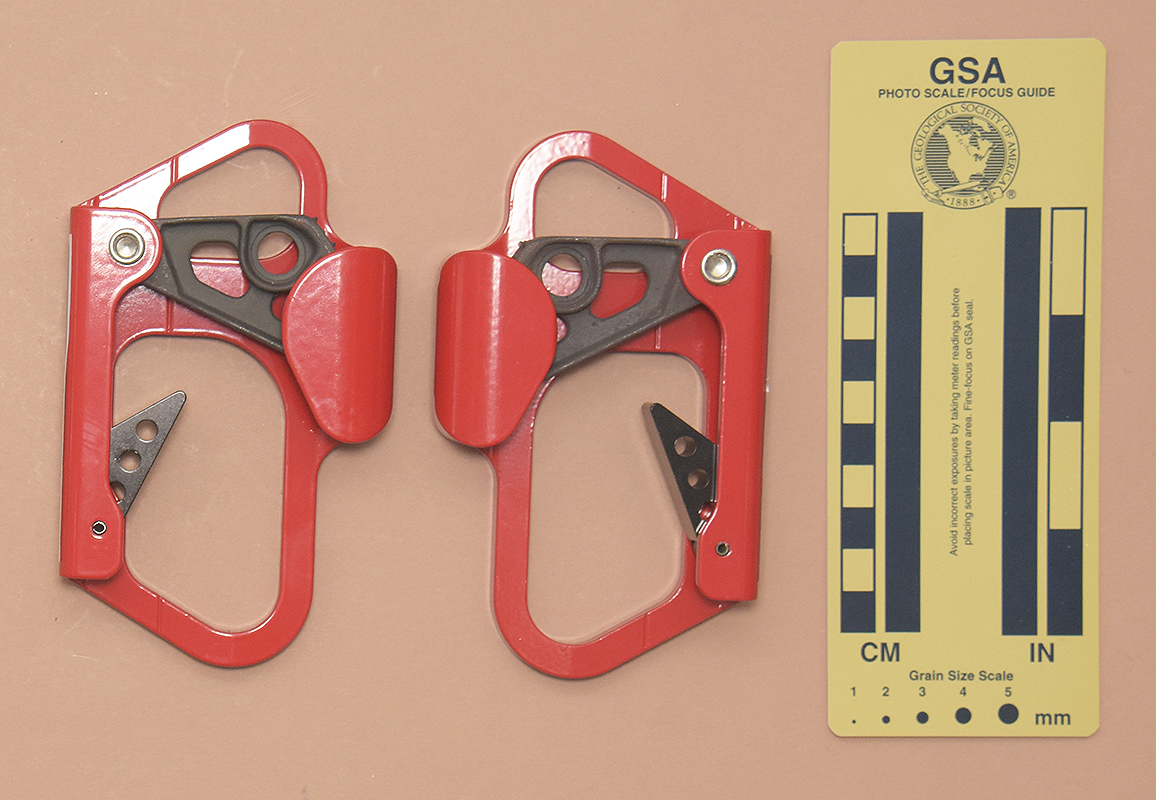
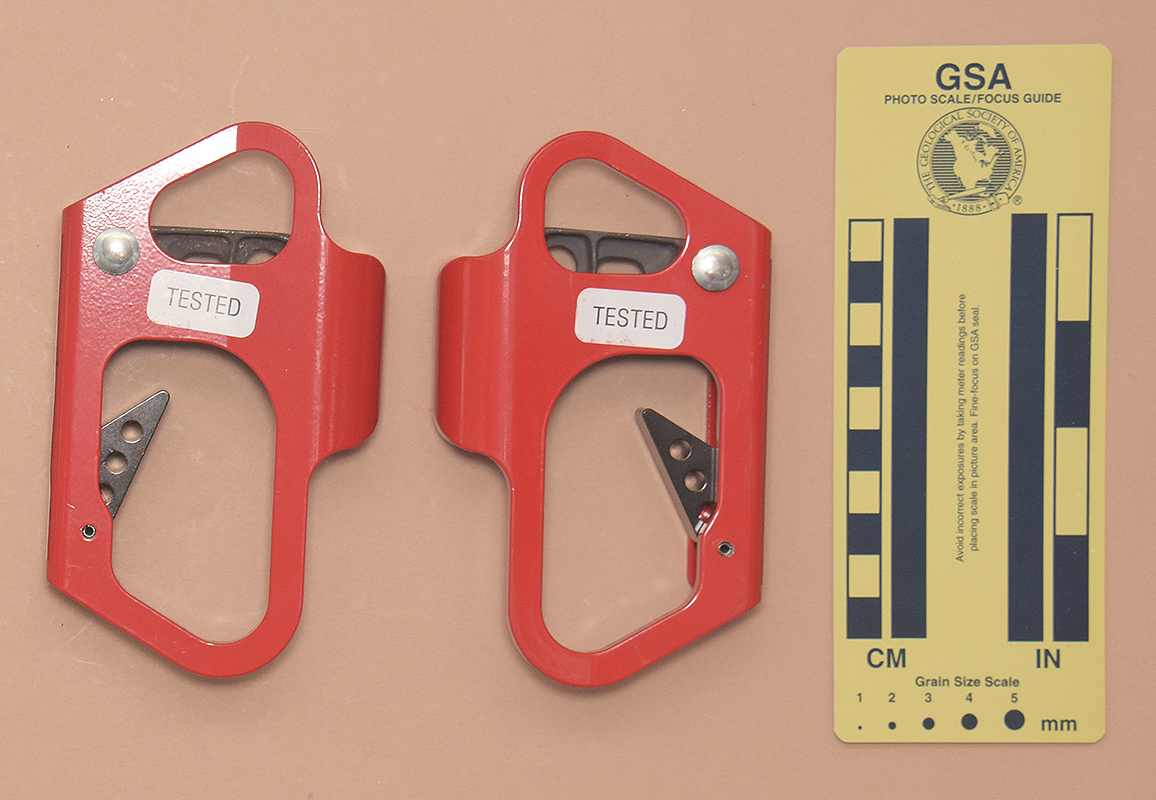
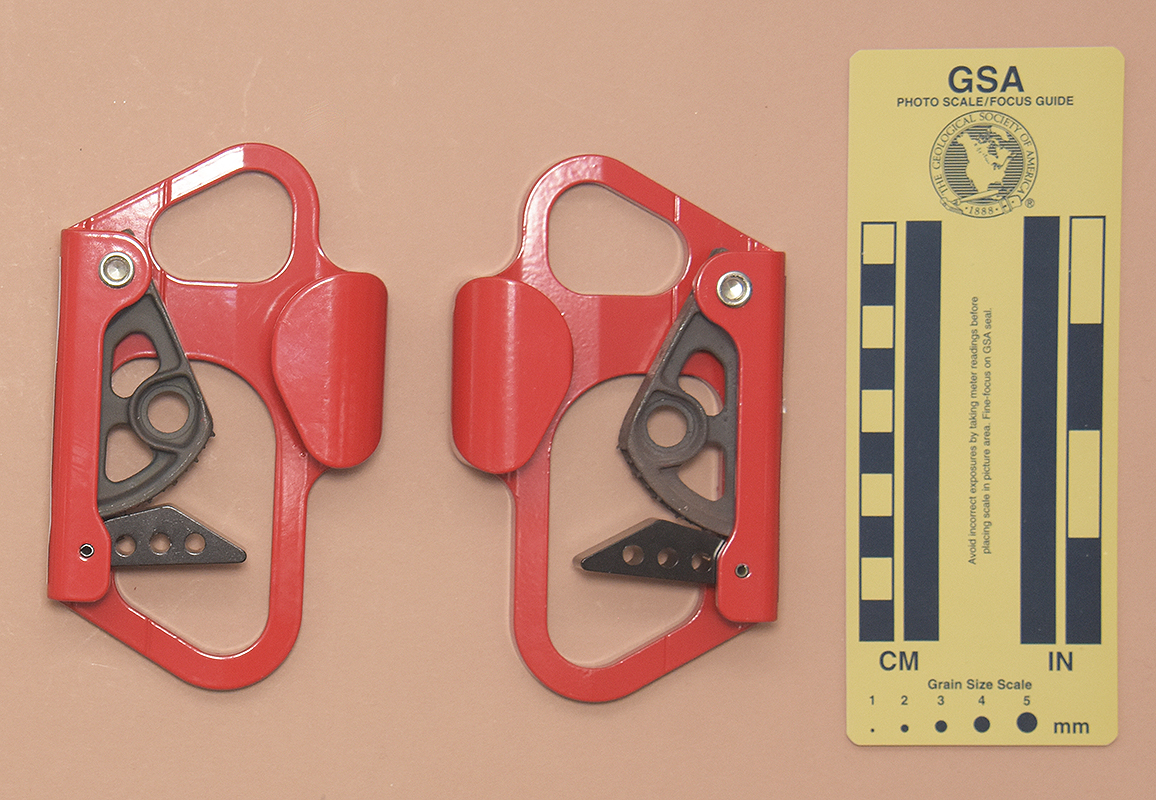
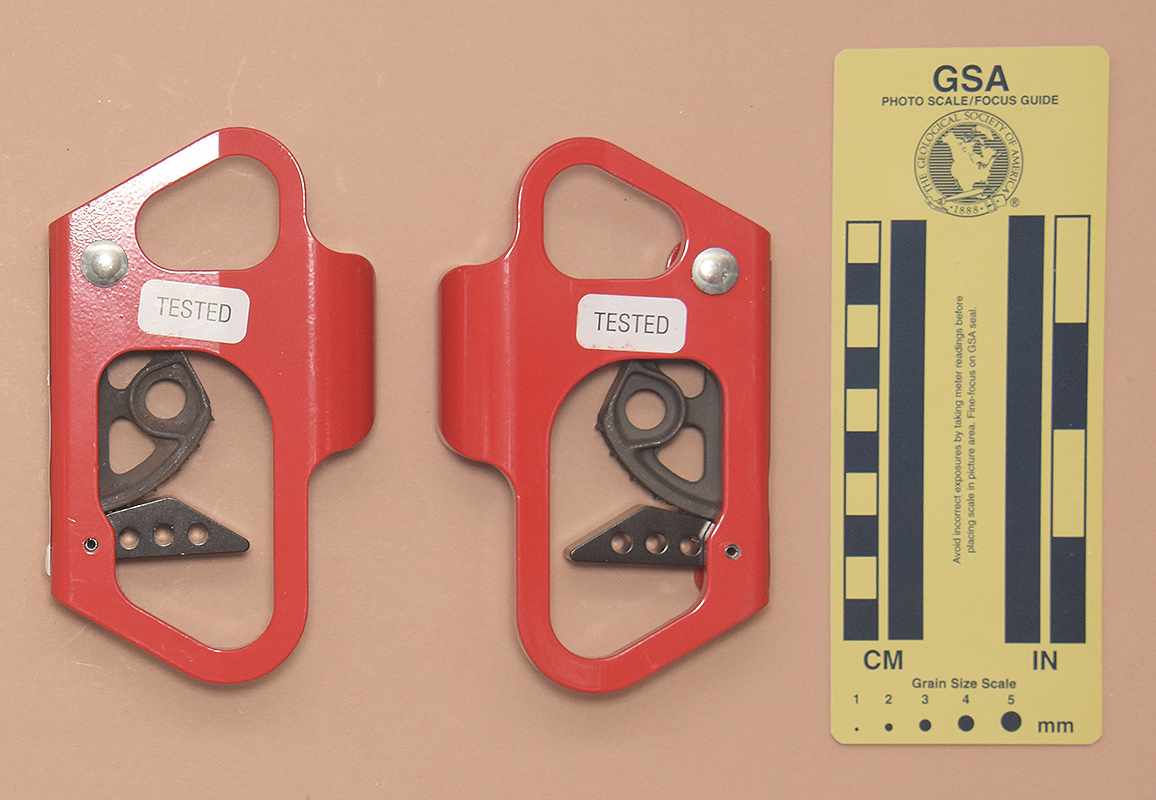
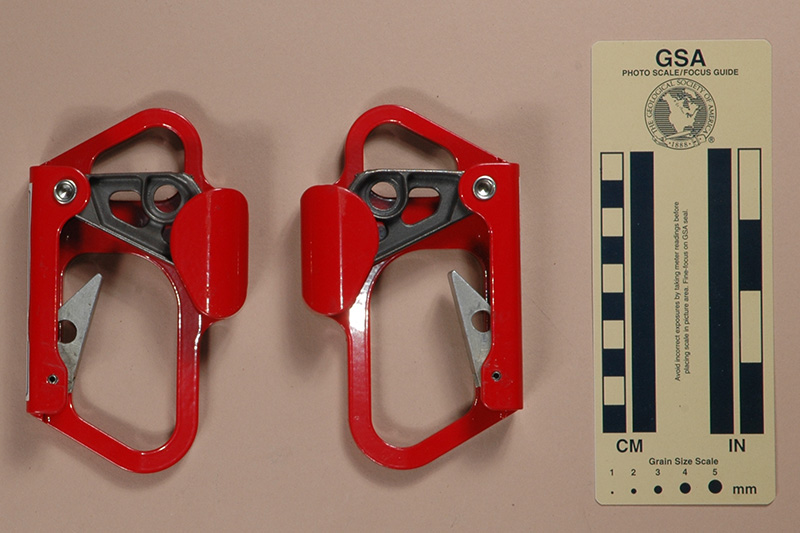
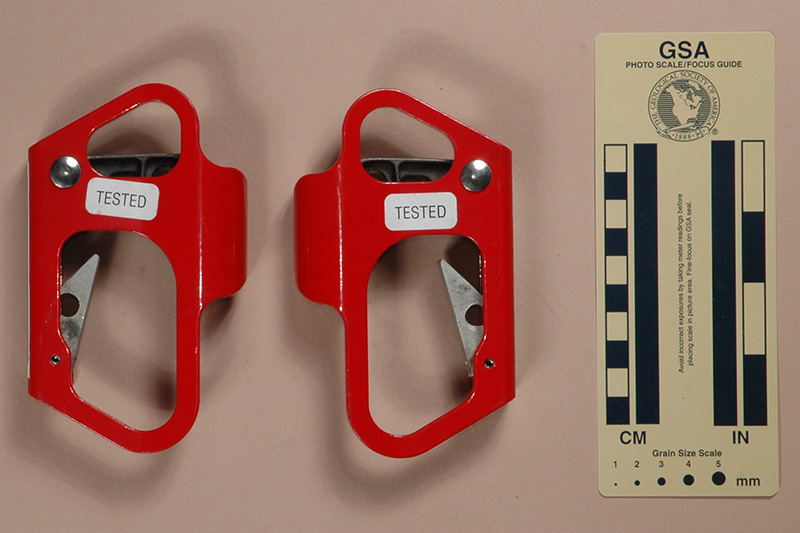
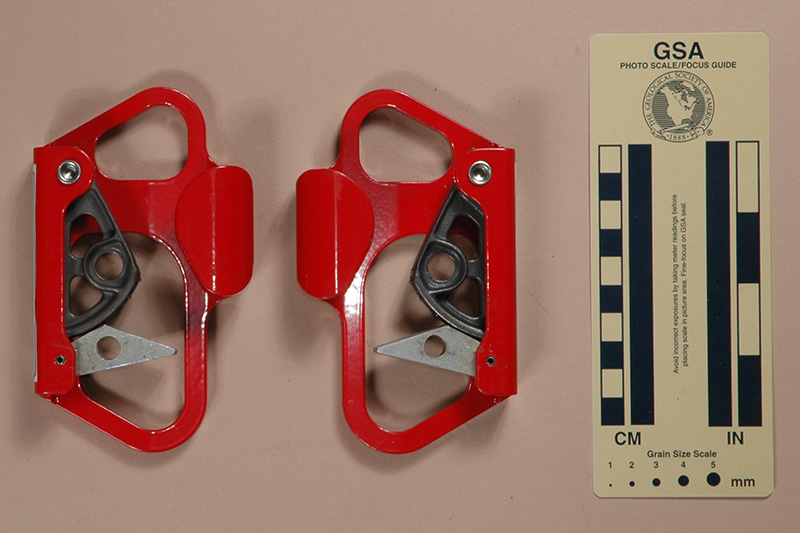
5000 but a.k.a. 5001
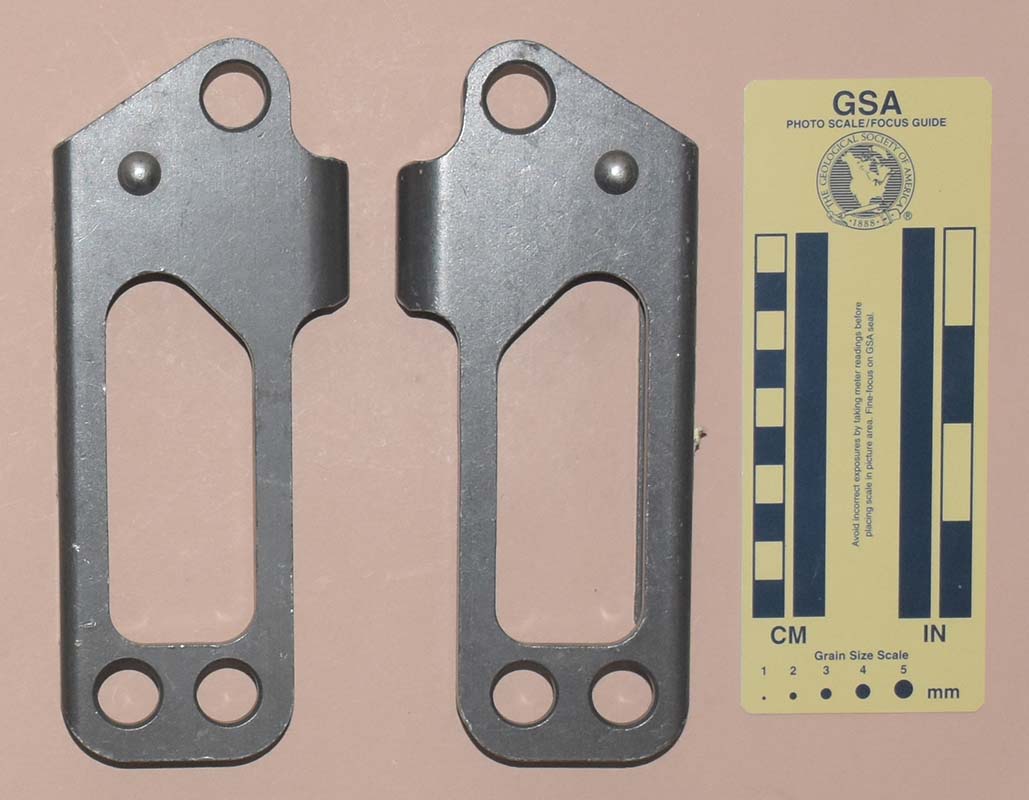
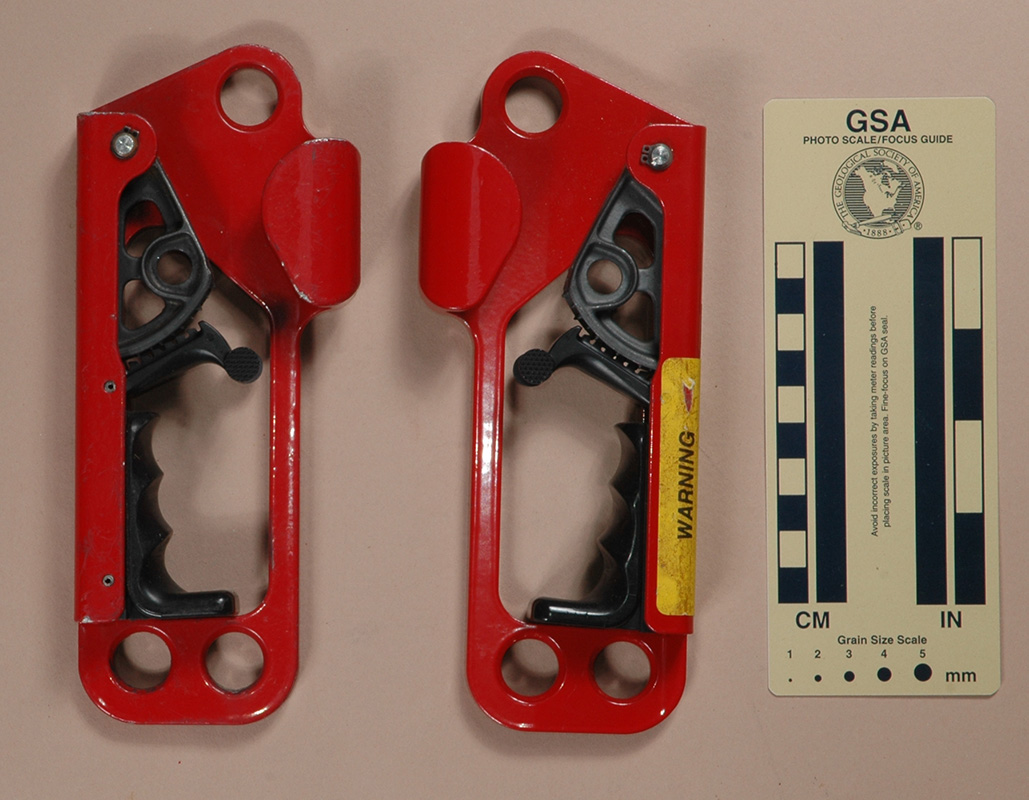
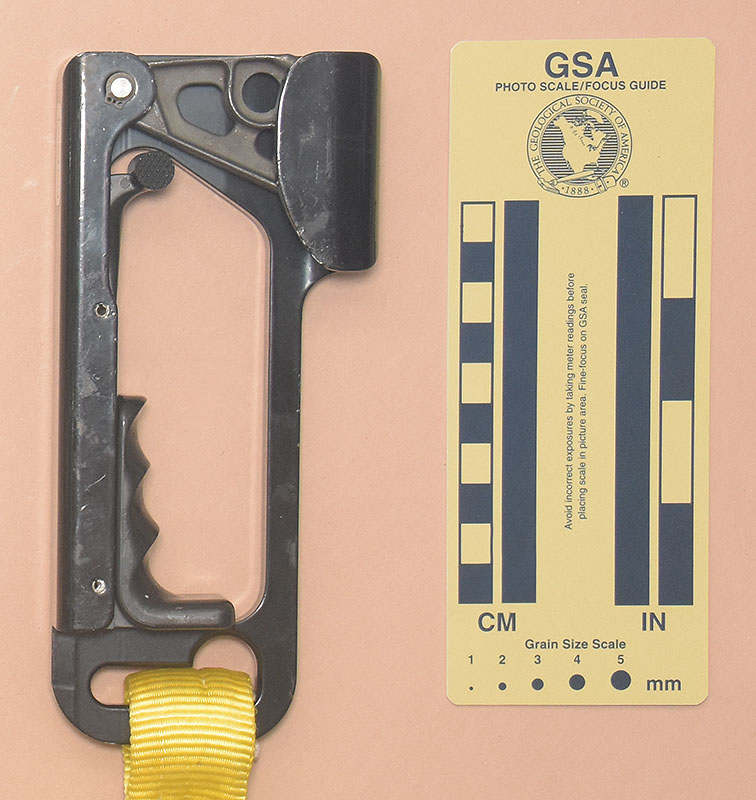
↑ 2220: CMI 5000, Version G (a.k.a. 5001)
- Handled Ecc. Cam Ascender (Milled)
- Acquired in 2017
- Size: 227 × 184 × 76 mm.
- Weight: 227 g.
- Tooth pattern: (2)(5.4)^4(3.4)^2(3.2)^2
- The easiest way to recognize a 5000 is to see an anodized frame with a rectangular rope channel as viewed from the front.
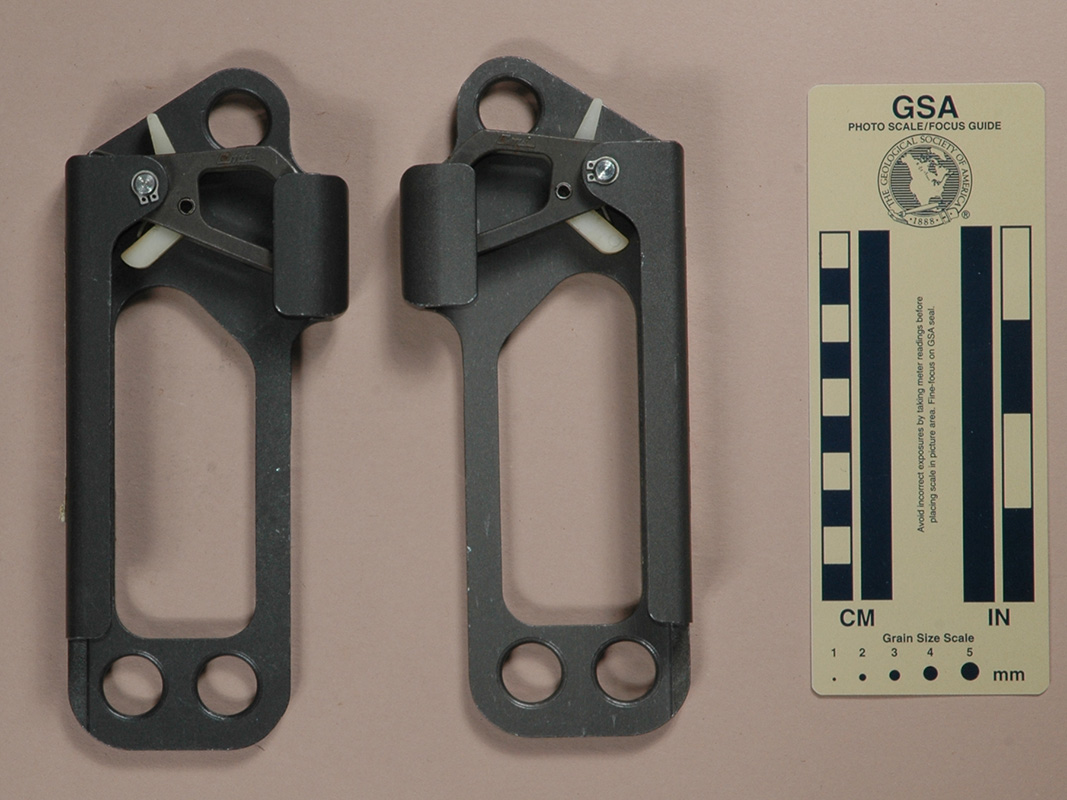
- This version is the right–handed one in the photos.
- The frame holes are not chamfered.
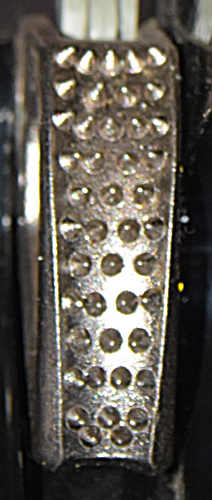
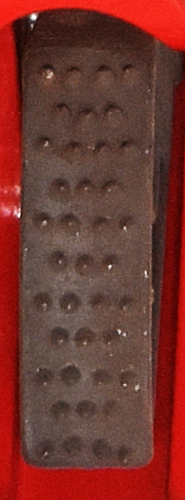
- The cam was changed to accommodate a new spring. It repositioned the safety. The new cam has "Cmi" instead of "CMI" lettering.
- The CMI 5000 safety is a nylon elbow that extends above the frame. This is design is shared by the CMI 5002.
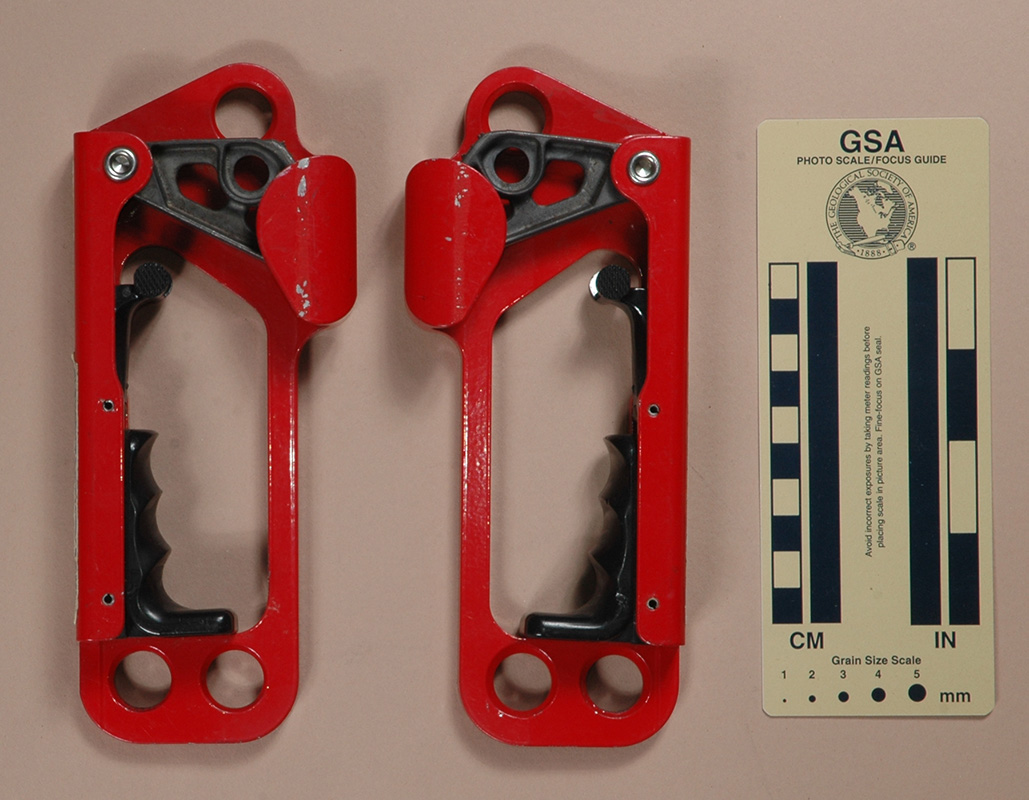
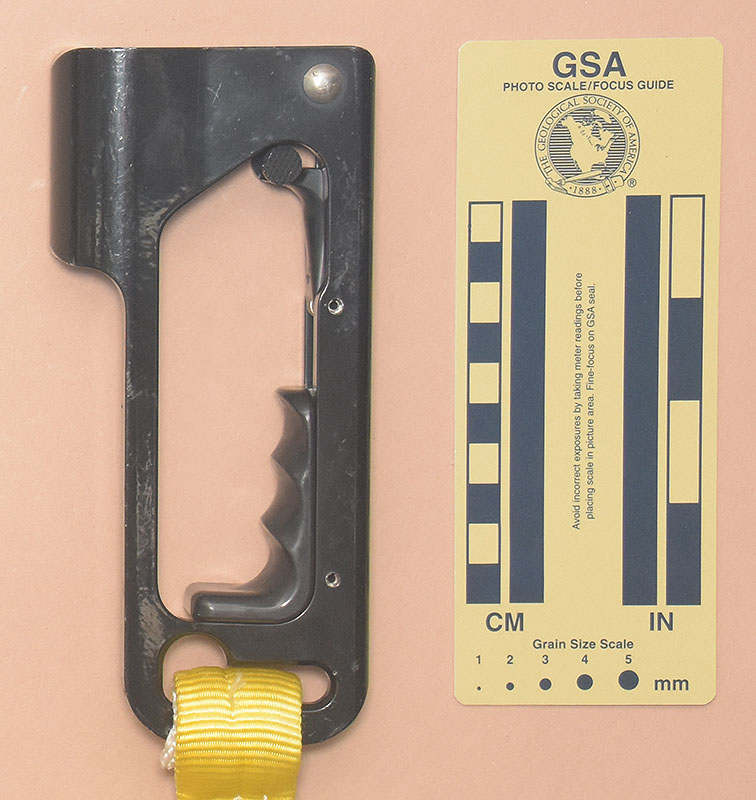
↑ 3541: CMI 5000, Version H (a.k.a. 5001)
- Handled Ecc. Cam Ascender (Milled)
- Acquired in 2022
- Size: 227 × 184 × 76 mm.
- Weight: 227 g.
- Tooth pattern: (2)(5.4)^4(3.4)^2(3.2)^2
- The easiest way to recognize a 5000 is to see an anodized frame with a rectangular rope channel as viewed from the front.
- This version is the left–handed one in the photos.
- The frame holes are chamfered.
- The CMI 5000 safety is a nylon elbow that extends above the frame. This is design is shared by the CMI 5002.
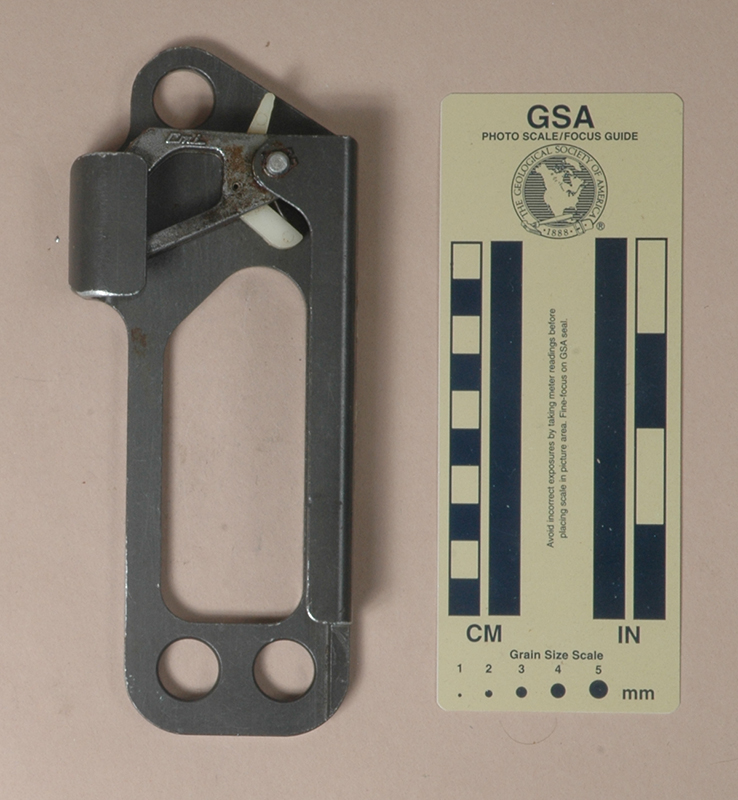
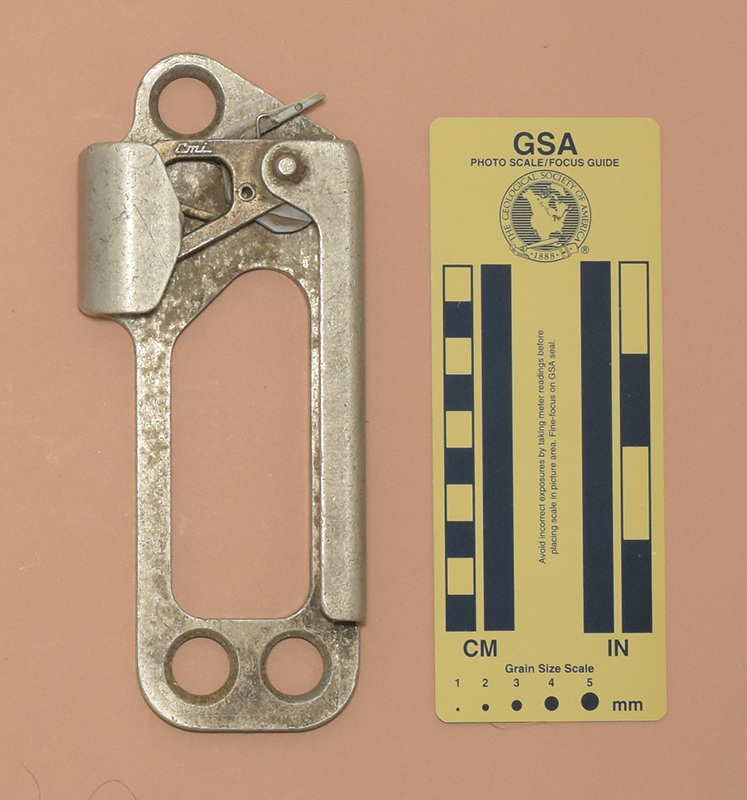
↑ 292: CMI 5000, Version I (a.k.a. 5001)
- Handled Ecc. Cam Ascender (Milled)
- Acquired in 2009
- Size: 210 × 184 × 76 mm.
- Weight: 210 g.
- Tooth pattern: (2)(5.4)^4(3.4)^2(3.2)^2
- The easiest way to recognize a 5000 is to see an anodized frame with a rectangular rope channel as viewed from the front.
- The CMI 5000 safety is a nylon elbow that extends above the frame. This is design is shared by the CMI 5002.
5003
↑ 3661: CMI 5003, Version A
- Handled Ecc. Cam Ascender (Milled)
- Acquired in 2025.
- Size: 242 × 184 × 77 mm.
- Weight: 242 g.
- Tooth pattern: (1)(2.3)^2(4.3)(2.3)^5(2)
- The easiest way to recognize a 5003 is to see painted frame without a lip inside the rope channel.
- The frame extrusion has been substantially thickened in the rope channel area, and is now finished in a black paint.
- The three sling holes are now beveled.
- The cam has been modified in several ways and matches the Shorti III cam.
- The safety on the CMI 5003 is injection–molded plastic, and the finger lever sits flat against the top of the cam.
- All my 5003 safeties are black, but I am not certain that can be trusted to distinguish the III and IV.
- The ascender can be opened with one hand, but the safety is even more awkward than on the CMI 5000 through 5002.
↑ 3677: CMI 5003, Version B
- Handled Ecc. Cam Ascender (Milled)
- Acquired in 2025.
- Size: 244 × 184 × 77 mm.
- Weight: 244 g.
- Tooth pattern: (1)(2.3)^2(4.3)(2.3)^5(2)
- The easiest way to recognize a 5003 is to see painted frame without a lip inside the rope channel.
- This version has a chrome–plated cam.
- The safety on the CMI 5003 is injection–molded plastic, and the finger lever sits flat against the top of the cam.
- All my 5003 safeties are black, but I am not certain that can be trusted to distinguish the III and IV.
- The ascender can be opened with one hand, but the safety is even more awkward than on the CMI 5000 through 5002.
↑ 029: CMI 5003, Version C
- Handled Ecc. Cam Ascender (Milled)
- Acquired in 1987.
- Size: 236 × 183 × 77 mm.
- Weight: 236 g.
- Tooth pattern: (5.4)^2(3.4)^3(3.2)
- The easiest way to recognize a 5003 is to see painted frame without a lip inside the rope channel.
- This ascender’s cam is identical to the 5004 cam.
- The safety on the CMI 5003 is injection–molded plastic, and the finger lever sits flat against the top of the cam.
- All my 5003 safeties are black, but I am not certain that can be trusted to distinguish the III and IV.
- The ascender can be opened with one hand, but the safety is even more awkward than on the CMI 5000 through 5002.
↑ 3597: CMI 5003, Version D
- Handled Ecc. Cam Ascender (Milled)
- Acquired in 2023.
- Size: 249 × 185 × 78 mm.
- Weight: 249 g.
- Tooth pattern: (5.4)^2(3.4)^3(3.2)
- This pair appears to be a CMI 5004 frame with CMI 5003 parts and stickers.
- In 1986 C.M.I. issued a press release noting that "under some unusual circumstances [the C.M.I.] 5003 and Shorti III ascenders can be forced off the rope." They changed the frame extrusion to address this concern.
- The only discernible difference between this ascender and the previous 5003 version is in the rope channel design. This ascender's rope channel extends farther towards the cam pivot and has a small lip inside.
- The safety on the CMI 5003 is injection–molded plastic, and the finger lever sits flat against the top of the cam.
- All my 5003 safeties are black, but I am not certain that can be trusted to distinguish the III and IV.
CMI Large UltrAscenders
↑ 031: CMI Large UltrAscender, Version A
- Handled Ecc. Cam Ascender (Milled)
- Made in 1989; Acquired in 1989.
- Size: 267 × 186 × 78 mm.
- Weight: 267 g.
- Tooth pattern: (4.3)^5(4)
- This ascender uses the same frame extrusion design as the C.M.I. 5004.
- The revised cam is more strongly reinforced than the 5000 series cams, and the overall workmanship is excellent.
- The new safety location is a big improvement, since the old design was, to put it bluntly, abysmal.
- The new safety is vastly superior to the 5000–series safety, but the execution of the new safety still leaves something to be desired.
- The ascender can be operated with both hands, but once the ears break off (they will) there is little exposed safety left to reach.
- Cam safeties that can hold a cam partially open are next to useless. They create a hazard if the cam does not close completely when rigging in.
- The finger grooves on the hand grip are too small for most people.
- The shelf at the base of the hand grip reduces the usable size of the handle.
↑ 114: CMI Large UltrAscender, Version B
- Handled Ecc. Cam Ascender (Milled)
- Acquired in 1995.
- Size: 267 × 186 × 78 mm.
- Weight: 267 g.
- Tooth pattern: (4.3)^5(4)
- Version B has a dark steel cam instead of the plated cam found on Version A.
↑ 216: CMI Large UltrAscender, Version C
- Handled Ecc. Cam Ascender (Milled)
- Acquired in 2007.
- Size: 263 × 187 × 78 mm.
- Weight: 263 g.
- Tooth pattern: (4.3)^5(4)
- Version C has a semi–tubular rivet for the cam axle instead of a solid pin held by an external retaining ring.
- The semi–tubular rivet is a significant step backward, since it makes replacing a worn cam much more difficult.
- I've heard that this feature was a misguided attempt either to reduce CMI’s liability (lawyers ruining the world) or to interfere with natural selection (anti–nature sentiment).
↑ 246: CMI Large UltrAscender, Version D
- Handled Ecc. Cam Ascender (Milled)
- Acquired in 2008.
- Size: 271 × 186 × 77 mm.
- Weight: 271 g.
- Tooth pattern: (4.3)^5(4)
- Version D has a metal safety.
- The safety on Version D has a smoother finish than the earlier ones, and it is missing the checkered surface on the safety’s tabs.
- These tabs are not designed to accidentally break.
↑ 3595: CMI Large UltrAscender, Version E
- Handled Ecc. Cam Ascender (Milled)
- Made in 2023; Acquired in 2023.
- Size: 269 × 186 × 77 mm.
- Weight: 269 g.
- Tooth pattern: (4.3)^5(4)
- Version E has a redesigned metal safety milled from aluminum alloy.
- When I visited CMI in 2017, I showed Kris and Ron Kirk the modified safety that I had been using on my CMI UltrAscenders since 1991.
- After I demonstrated its advantages, Kris asked me to send him a drawing. I did so and also sent a "prototype" copied from the ones that I've been using for years.
- In March 2023, Kris sent me the a note saying that CMI had adopted my design. He wrote, "I remember having you here and passing along the idea about your safety. I set it on my filing cabinet and never forgot about it. We had to get through our current run of old safeties before we could implement the new design you submitted. Long story short, all large and small ultrascenders will now have these safeties in them. I wanted to thank you for bringing us this idea as the old safeties were outsourced and were cast and these new safeties are now made in house which is a huge plus for us as we can make them in much smaller batches now."
- I am biased, but the new safety is a huge improvement over the original.
↑ 115: CMI Large UltrAscender (Modified), Version D
- Handled Ecc. Cam Ascender (Milled)
- Made in 2008; Acquired in 2008.
- Size: 263 × 186 × 78 mm.
- Weight: 263 g.
- Tooth pattern:
- This is a modified CMI Large UltrAscender Version D.
- The large UltrAscender had two deficiencies that I could easily correct.
- The first is the poorly designed plastic safety which is hard to use and breaks easily. To replace it, I milled a 6061–T6 aluminum safety based on the early Jumar safety design. I improved on the Jumar design by shaping the safety so it could also hold the cam in the full–open position.
- The second change was to eliminate the micro–finger–grips and the lower ledge, and replace them with a piece of PVC filed to a rounded shape.
- The result is the ascender that I normally choose to use wall climbing and on heavy caving trips.
- So why aren't these scratched up? In 1995 I modified a Version A and a Version B large UltrAscender, but in September 2008, I restored those two to their original forms (I still had the parts), and then used the safeties to modify a new pair of Version C small UltrAscenders. I photographed them before use.
CMI Small UltrAscenders
↑ 032: CMI Small UltrAscender, Version A
- Handled Ecc. Cam Ascender (Milled)
- Made in 1989; Acquired in 1989.
- Size: 187 × 129 × 78 mm.
- Weight: 187 g.
- Tooth pattern: (4.3)^5(4)
- This ascender is milled from the same shape extrusion as the large UltrAscender. The obvious difference is that the small version is much more compact.
- The handle is much smaller, and the two bottom attachment holes have been eliminated to further reduce the overall size.
- The upper attachment hole has been enlarger into a rounded right triangular opening.
- The cam and cam safety are identical to those on the large UltrAscender, but the hand grip has been eliminated for lack of space.
- The new safety is vastly superior to the 5000–series safety, but the execution of the new safety still leaves something to be desired.
- The ascender can be operated with both hands, but once the ears break off (they will) there is little exposed safety left to reach.
- Cam safeties that can hold a cam partially open are next to useless. They create a hazard if the cam does not close completely when rigging in.
- Upon receiving this pair of ascenders, I immediately added slings and put the pair into my vertical caving pack for normal use. I did this without any testing whatsoever.
- These are perhaps the nicest ascenders I've ever seen, and with my change to the safety they prove be truly outstanding.
- It took 15 years from the time that Bob Thrun described the Jumar as "needlessly bulky" (Prusiking, 1973)until some small handled ascenders appeared on the market.
↑ 033: CMI Small UltrAscender, Version B
- Handled Ecc. Cam Ascender (Milled)
- Acquired in 1991.
- Size: 187 × 129 × 78 mm.
- Weight: 187 g.
- Tooth pattern: (4.3)^5(4)
- Version B has a dark steel cam instead of the plated cam found on Version A.
↑ 1518: CMI Small UltrAscender, Version C
- Handled Ecc. Cam Ascender (Milled)
- Acquired in 2009.
- Size: 183 × 130 × 77 mm.
- Weight: 183 g.
- Tooth pattern: (4.3)^5(4)
- Version C has a semi–tubular rivet for the cam axle instead of a solid pin held by an external retaining ring.
- The semi–tubular rivet is a significant step backward, since it makes replacing a worn cam much more difficult.
- I've heard that this feature was a misguided attempt either to reduce CMI’s liability (lawyers ruining the world) or to interfere with natural selection (anti–nature sentiment).
↑ 229: CMI Small UltrAscender, Version D
- Handled Ecc. Cam Ascender (Milled)
- Acquired in 2007.
- Size: 189 × 130 × 77 mm.
- Weight: 189 g.
- Tooth pattern: (4.3)^5(4)
- Version D has a metal safety.
- The safety on Version D has a smoother finish than the earlier ones, and it is missing the checkered surface on the safety’s tabs.
- These tabs are not designed to accidentally break.
↑ 3596: CMI Small UltrAscender, Version E
- Handled Ecc. Cam Ascender (Milled)
- Made in 2023; Acquired in 2023.
- Size: 188 × 130 × 77 mm.
- Weight: 188 g.
- Tooth pattern: (4.3)^5(4)
- Version E has a redesigned metal safety milled from aluminum alloy.
- When I visited CMI in 2017, I showed Kris and Ron Kirk the modified safety that I had been using on my CMI UltrAscenders since 1991.
- In March 2023, Kris sent me the a note saying that CMI had adopted my design. He wrote, I remember having you here and passing along the idea about your safety. I set it on my filing cabinet and never forgot about it. We had to get through our current run of old safeties before we could implement the new design you submitted. Long story short, all large and small ultrascenders will now have these safeties in them. I wanted to thank you for bringing us this idea as the old safeties were outsourced and were cast and these new safeties are now made in house which is a huge plus for us as we can make them in much smaller batches now..
↑ 034: CMI Small UltrAscender (Modified), Version D
- Handled Ecc. Cam Ascender (Milled)
- Made in 2008; Acquired in 2008.
- Size: 190 × 129 × 78 mm.
- Weight: 190 g.
- Tooth pattern:
- This is a modified CMI Small UltrAscender Version C.
- The small UltrAscender had one deficiency that I could easily correct: the safety.
- The poorly designed plastic safety is hard to use and breaks easily. To replace it, I milled a 6061–T6 aluminum safety based on the early Jumar safety design. I improved on the Jumar design by shaping the safety so it could also hold the cam in the full–open position.
- The other deficiency, the lack of a tie–in hole, could not be corrected without starting with an unfinished frame. This never proved to be a problem in practice.
- The modified small UltrAscenders, rigged Texas, are what I use for almost all of my caving except when I'm doing complex work in big pits and can justify a heavier, more efficient rig.
- So why aren't these scratched up? In 1995 I modified a Version A and a Version B large UltrAscender, but in September 2008, I restored those two to their original forms (I still had the parts), and then used the safeties to modify a new pair of Version C small UltrAscenders. I photographed them before use.