

This page will not fit into a tiny viewport. Please choose a full-size monitor with a full-width window or select the abridged New Wave pages.

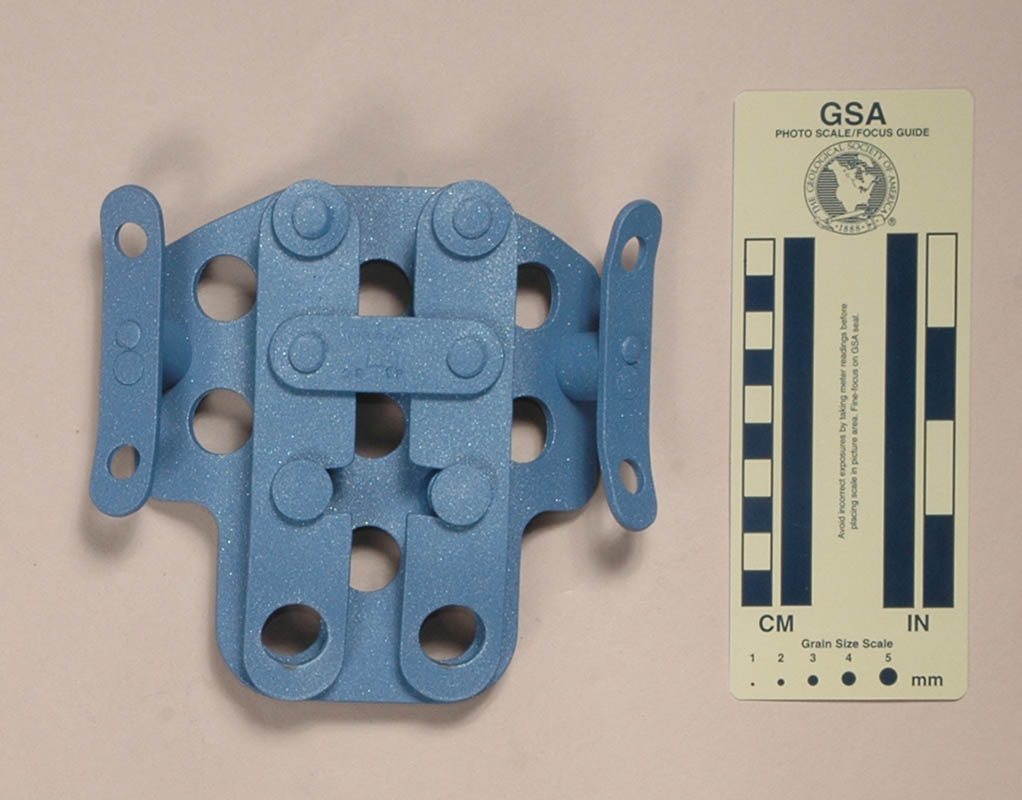
Light
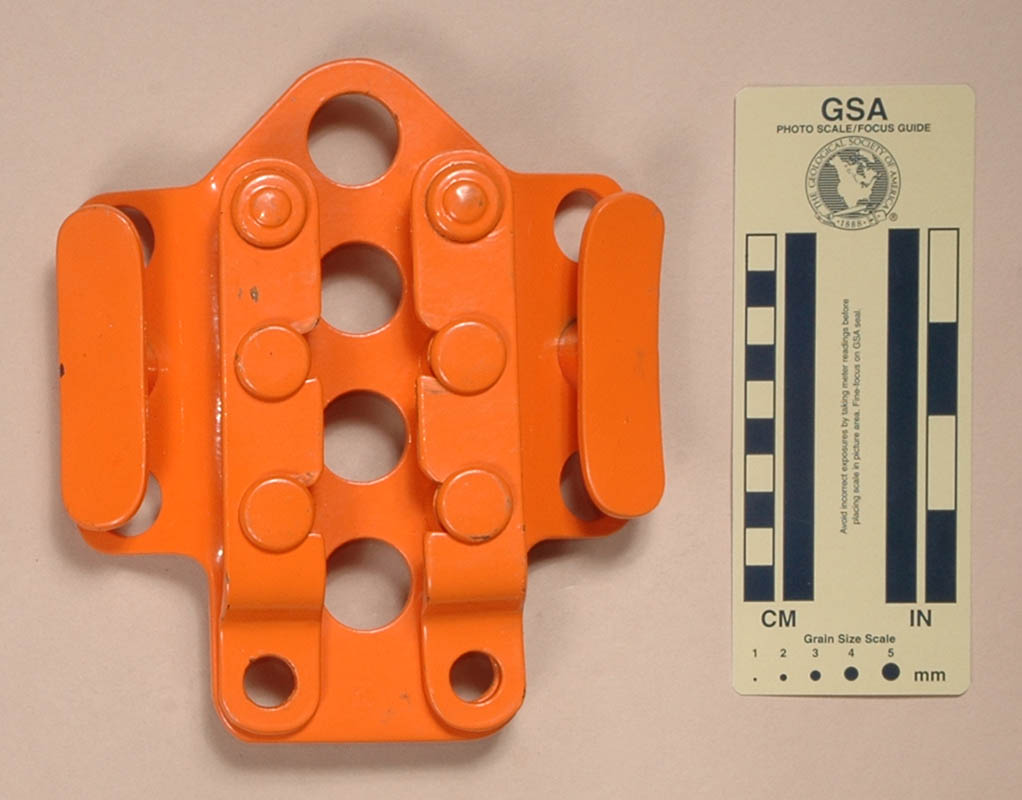
Heavy
|
|
|
| Light | Heavy |
In the autumn of 1977, in the mountaineering section of the Voroshilovgrad (now Luhansk) engineering institute (WMI), first-year students began their journey into the mountains. Many of them achieved some success in Soviet and post-Soviet mountaineering and rock climbing. Years later, these individuals became key specialists at the manufacturing company KROK. Back then, amidst the chronic shortages of the Soviet era, they had to invent and manufacture mountaineering gear.
In 2004, when an opportunity came to establish his own manufacturing operations, Kostromitinov Alexei Dmitrievich began mass producing equipment for mountaineering, industrial rope access, and outdoor activities. He registered the Krok trademark that year, with the firm headquartered in Stakhanov, in the Luhansk region (Donbass). The name of the KROK brand was taken from the word "crows", which in mountaineering and tourism means a step-by-step sketch of the route to the goal. Production of Krok-branded products began in Russia and Ukraine.
Over years of dynamic growth, Krok developed and launched the production of over four hundred items of gear, hardware, and soft goods for mountaineering, outdoor activities, and industrial rope access. The company mastered the manufacture of personal protective equipment (PPE) against falls from heights, as well as equipment for working at heights and in confined spaces, and devices for rescue and evacuation operations. In addition, products are manufactured for sports and outdoor activities—including fitness and slacklining—as well as equipment for adventure parks, zip lines, and children's sports and playgrounds, along with gear for arboriculture.
Krok did not market directly in the U.S.A. They operated the eBay stores PetrenkoWorld in 2007 and Gear4Rocks from 2010 to 2013, making their products conveniently available to U.S. customers for a brief time.
In October 2020, founder and unchanged head of the company Kostromitinov Alexei Dmitrievich passed away, but the company continued to work under the leadership of his wife Oksana Valerievna. In 2022 Russia invaded Ukraine and working became even harder. There were no new developments and Krok gradually removed items from production. The situation worsened in 2024 and Krok decided to suspend operations. Production stopped in November, and the sales of the remaining inventory began.
[ Top | Heavy | Return to Fixed Multibar ]
|
|
 |
| Front View: Closed | Rear View: Closed |
 |
 |
| Front View: Open for Rigging | Rear View: Open for Rigging |
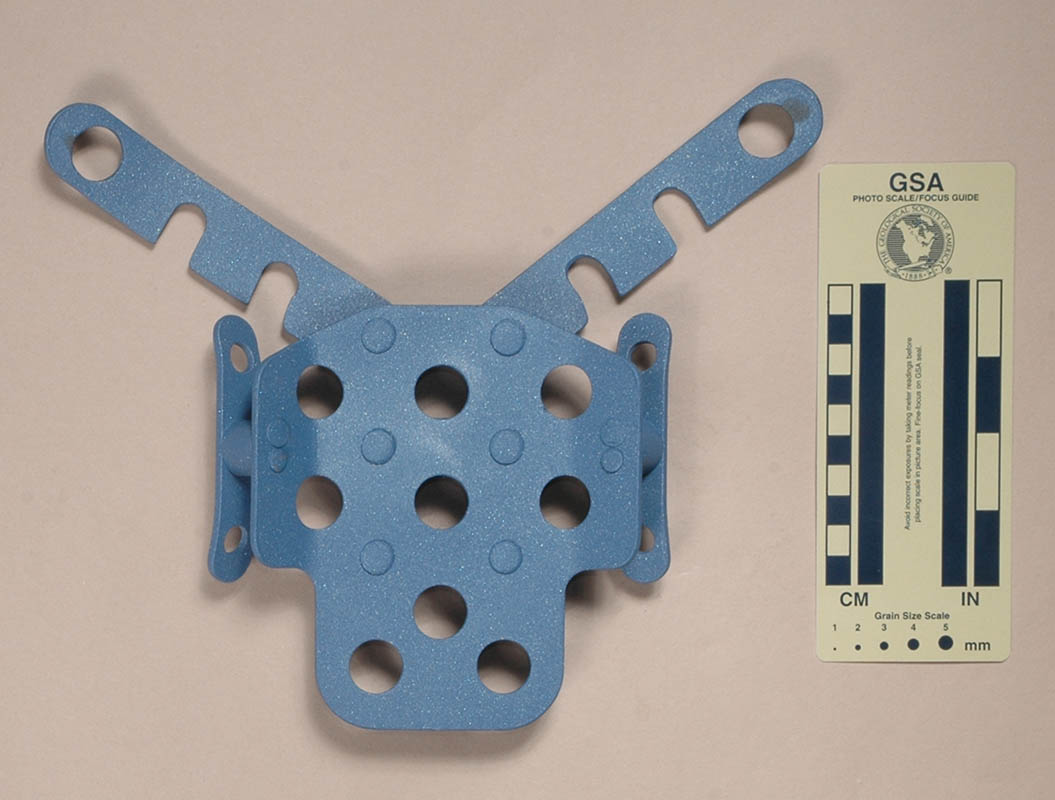
I acquired my Krok Crab Light from Gear4Rocks in 2012. Immediately thereafter, I received a second one when Alex Dniprovsky sent me a box of donations originating from Alex Kostromitinov, the CEO of Krok. Gear4Rocks was the same company as Krok, the only difference was that the Krok trademark sold gear only inside Ukraine, and the Gear4Rocks trademark was created to spread Ukrainian gear around the world.
My Krok Crab Light is 140 mm. tall, 151 mm. wide, 42 mm. thick, and weighs 725 g.
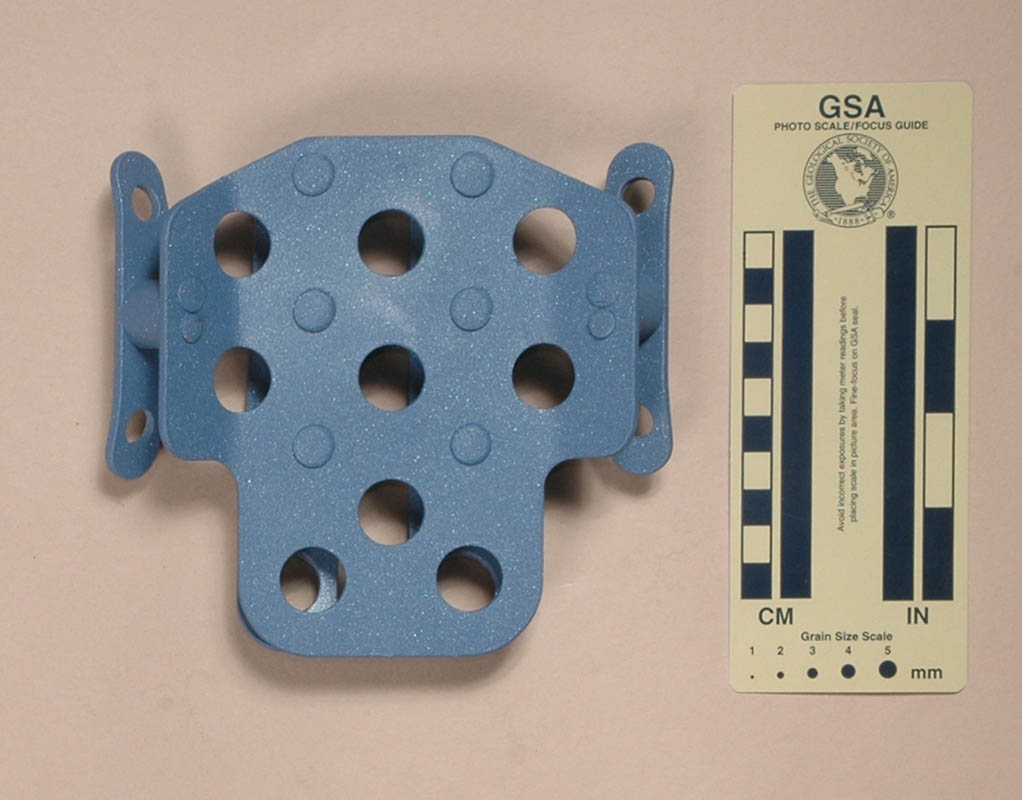
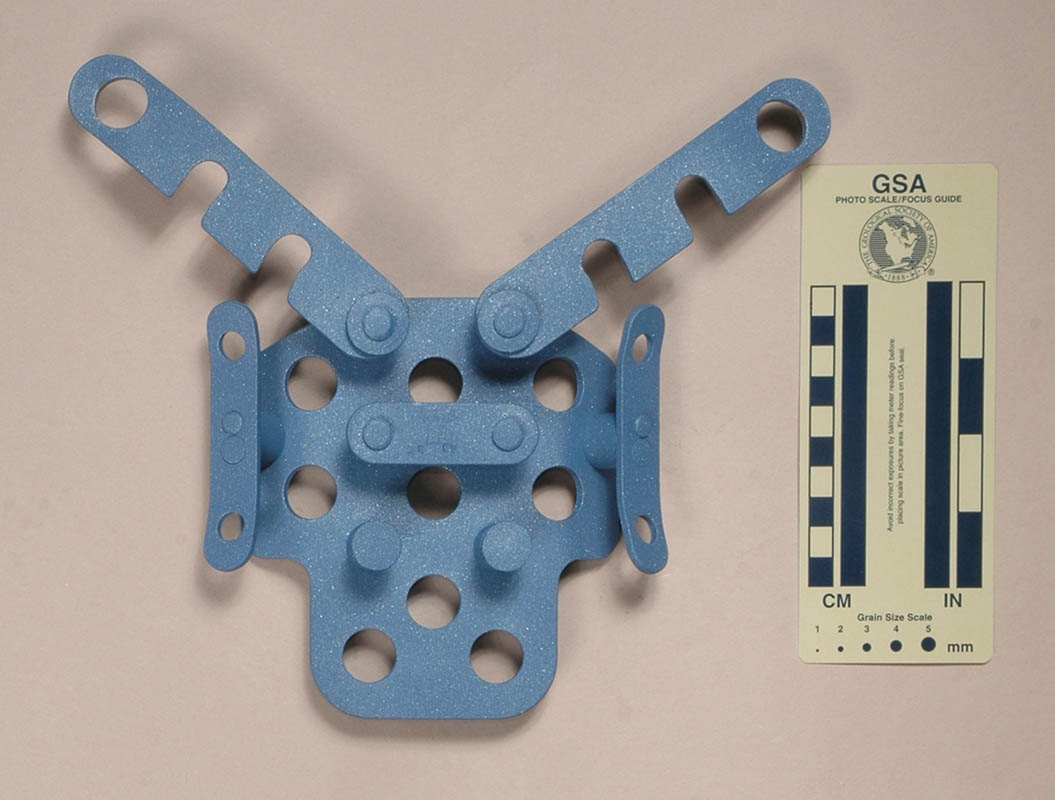
The Crab Light back plate is a piece of 3 mm. steel cut to shape and having the sides bent backward about 45°. There are two 17.7 mm. attachment holes at the bottom and seven additional lightening holes of the same size. There are two columns of three steel bollards each riveted to the back plate at 35 mm. vertical intervals, separated horizontally by 42 mm. Each bollard has a 15.5 mm. long rope section and a clearance notch (formed in conjunction with a flat washer) for a swinging cover plate. The rope sections are 15.5 mm. in diameter at the plates, and narrow with a shallow U-shaped groove to 13.9 mm. mid-channel. There are two cover plates. Each is a piece of 3 mm. thick, 27 mm. wide strip steel. Each pivots outward on one of the top bollards (under a 5 mm. thick washer) and has notches to engage the clearance notches on the two lower bollards. The bottom of each cover strip is bent toward the back plate and has a 17.8 mm. hole that aligns with the lower hole in the back plate. A 3 mm. thick, 20 mm. wide steel strip connects the outer ends of the central bollards in each column. Each of the strips has rounded ends.
Each side of the back plate has a 15.4 mm. long, 17.5 mm. diameter bollard and an 88 mm. long, 17.8 mm. wide, 3 mm. thick rope retaining plate attached with two rivets. The top and bottom of the retaining plates are rounded, bent outward about 25°, and have 9.5 mm lightening holes.
The entire device is painted with a textured blue paint. The connecting strip is stamped with the Krok logo, a book-with-an-"i" icon, and the date of manufacture "03 12" (same for both descenders).
The rappeller rigs the Crab by opening one of the swinging cover plates, slipping a bight over the corresponding middle bollard, closing the covers, and securing it by clipping through the basal holes. For double-rope rappels, repeat on the other side for the second rope. The user can get extra friction by looping the rope(s) over the side bollards.
I do not like the painted finish, since it will wear off and leave a mess on the rope.
The Crab Light is too heavy for my taste, but should be suitable for the intended industrial market where people are paid to use heavy descenders.
[ Top | Light | Return to Fixed Multibar ]
|
|
 |
| Front View: Closed | Rear View: Closed |
 |
 |
| Front View: Open for Rigging | Rear View: Open for Rigging |
I acquired my Krok Crab Heavy from Gear4Rocks in 2012.
My Krok Crab Heavy is 184 mm. tall, 163 mm. wide, 44 mm. thick, and weighs 1278 g.
The following description is based on the Crab Light description (in gray), with differences indicated in black:
The Crab Heavy back plate is a piece of 5 mm. steel cut to shape and having the sides bent backward about 45°. There are two 15.5 mm. attachment holes at the bottom and eight lightening holes: four 24.5 mm. holes in the center and two 20 mm. holes on each side. There are two columns of three steel bollards each riveted to the back plate at 41 mm. vertical intervals, separated horizontally by 51.5 mm. Each bollard has a 14.7 mm. long rope section and a clearance notch (formed in conjunction with a flat washer) for a swinging cover plate. The rope sections are 20 mm. in diameter at the plates, and narrow with a shallow U-shaped groove to 15 mm. mid-channel. There are two cover plates. Each is a piece of 4 mm. thick, 27 mm. wide strip steel. Each pivots outward on one of the top bollards (under a 4 mm. thick washer) and has notches to engage the clearance notches on the two lower bollards. The bottom of each cover strip has a dog-leg bend toward the back plate and has a 13.9 mm. hole that aligns with the lower hole in the back plate. Each of the strips has rounded ends.
Each side of the back plate has a 12 mm. long, 20 mm. diameter bollard and an 87 mm. long, 24 mm. wide, 4 mm. thick rope retaining plate attached with two rivets. The top and bottom of the retaining plates are rounded, bent outward about 25°.
The entire device is painted with a thick orange paint. There are no markings on this descender.
I do not like the painted finish, since it will wear off and leave a mess on the rope. The heavy orange paint used here is worse than the lightweight blue paint used on the Crab Light.
The Crab is far too heavy for my taste. I think that the Crab Light is too heavy; the Crab Heavy is more than 75% heavier. Industrial workers should be paid a bonus to carry this version.
The Half Crab is a smaller, single-rope version.