

This page will not fit into a tiny viewport. Please choose a full-size monitor with a full-width window or select the abridged New Wave pages.

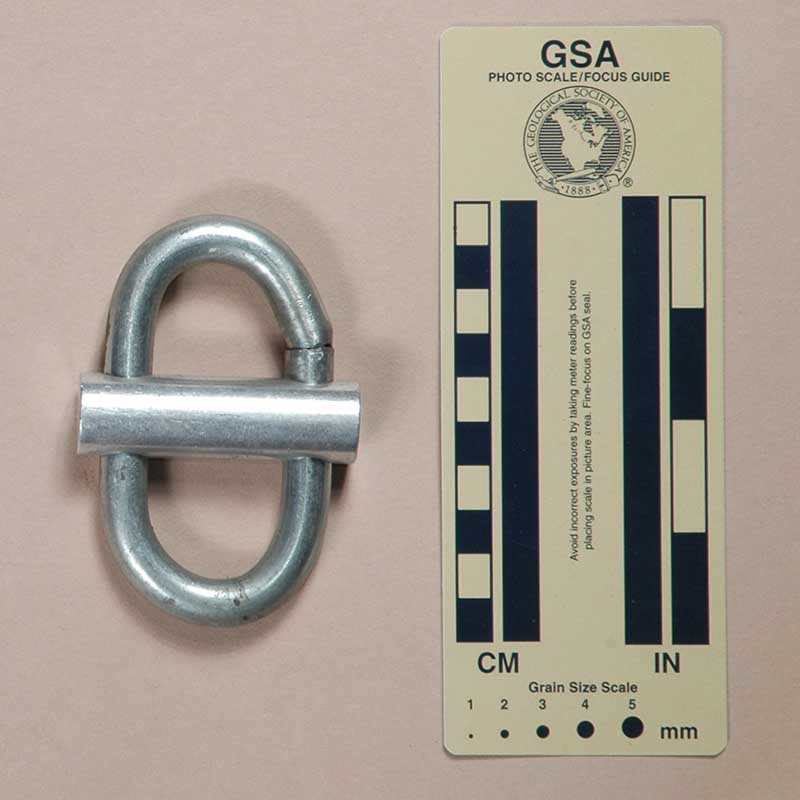
Version A
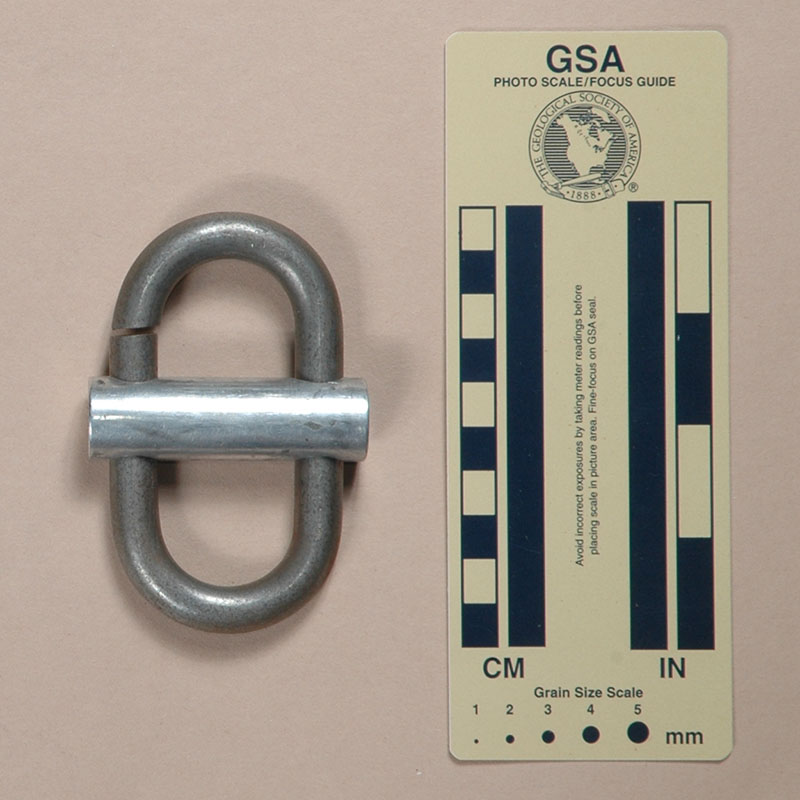
Version B
|
|
|
| Version A | Version B |
In the mid-1970s, Gary Storrick would occasionally visit Edward G. Francis Outfitters, a climbing shop in Sewickley, Pennsylvania. One thing sold there was a variation on the carabiner brake bar scheme, where a bent metal rod substituted for the carabiner. There were two versions: one open and one welded.
Ed Francis' descenders resemble the short-bar Coe Descender, but as far as we are aware, they were developed independently.
The Outfitters shop closed before Gary bought any of the descenders, to his lasting regret. Finally, after three decades, he made his own versions in 2004 and 2005.
Gary Storrick, NSS 12967 FE CM, began caving, climbing, and collecting vertical equipment in 1971. He created this web site in 1999, and earned an NSS Certificate of Merit in 2024 for his work. Back in the day, his father Robert had some small equipment made for him in the shops that he managed. Gary now makes samples in his home machine and wood shops to aid his research. He suggests, "I may have tried more devices than the average caver."
[ Top | Version B | Return to Brake Bar Descenders ]
|
|
 |
| Front | Rear |
 |
 |
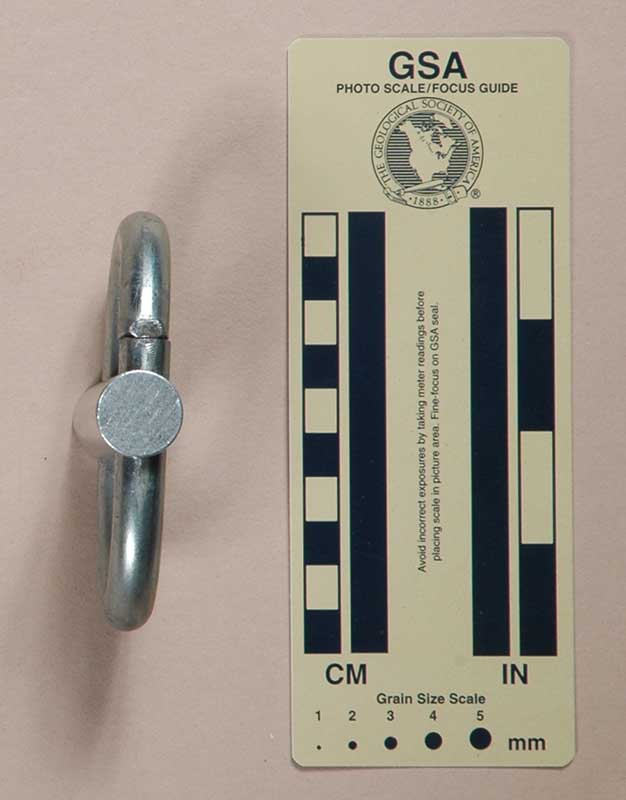
| Side | Open for Rigging |
I made my Version A in 2004.
Version A is 94 mm. tall, 63 mm. wide, 19 mm. thick, and weighs 197 g. I made this out of 11 mm. mild steel rod and an SMC brake bar.
I feel no temptation to make this my primary rappel device, but it is an interesting historical curiosity. It has one major advantage over using brake bars on aluminum carabiners - the steel oval in the Francis descender does not wear as fast as aluminum carabiners do.
[ Top | Version A | Return to Brake Bar Descenders ]
|
|
 |
| Front | Rear |
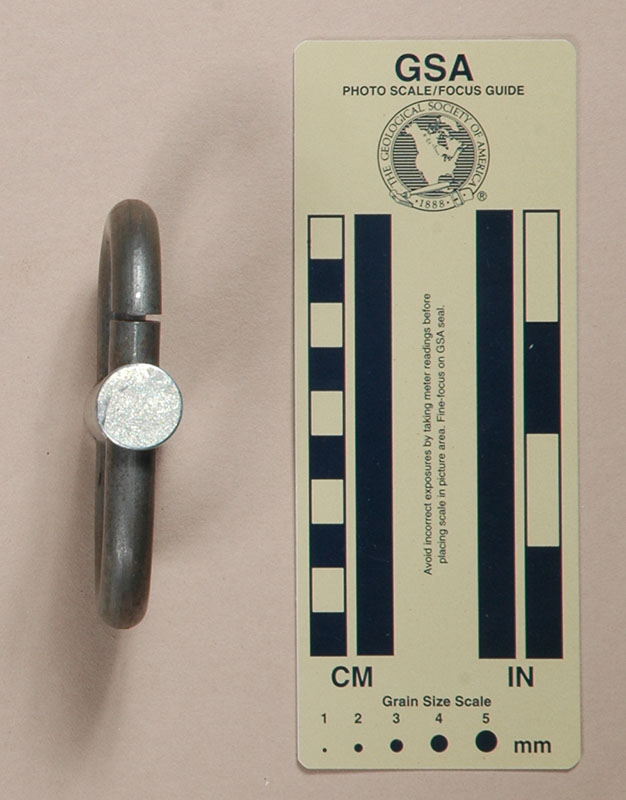 |
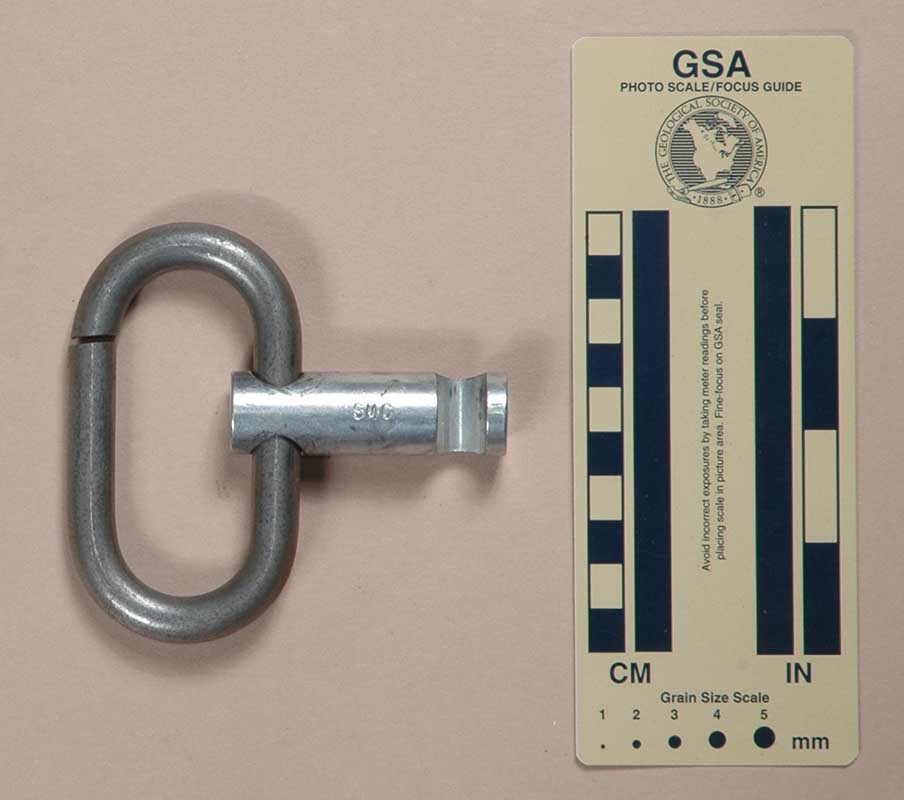 |
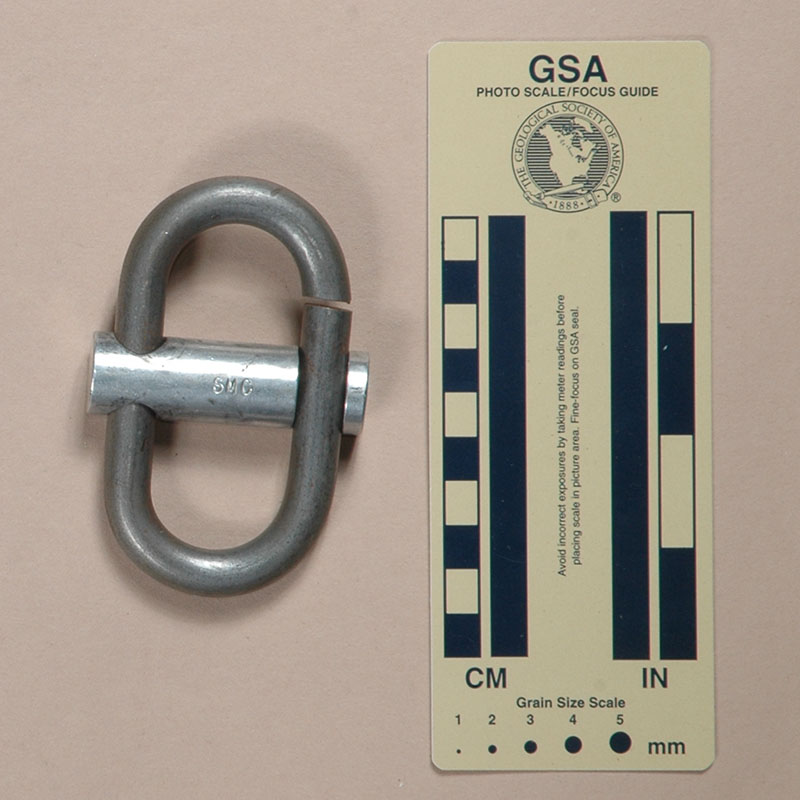
| Side | Open for Rigging |
I made Version B in 2005.
Version B is 96 mm. tall, 63 mm. wide, 19 mm. thick, and weighs 197 g. I made this out of 11 mm. mild steel rod and an SMC brake bar.
Version A was particularly rough, so I eventually made a second. Version B has a small gap where the two frame ends close. One of the original descenders had this as well, and there was enough flex in the frame to allow the brake bar to "snap" shut. Mine does not have very much flex, but I was able to tap the notch in the brake bar closed enough to get a good "snap." In use, the bar rides up to cover the slot.
[ Top | Version A | Version B | Return to Brake Bar Descenders ]