
This page will not fit into a tiny viewport. Please choose a full-size monitor with a full-width window or select the abridged New Wave pages.
Mike, Greg, and Jeff Lowe officially registered Lowe Alpine Systems in 1973. They manufactured soft goods, but also designed hardware items and had them made by C.A.M.P.
Jeff Lowe started Latok Mountain Gear as the hardware spin-off from Lowe Alpine in 1983. Latok Mountain Gear incorporated into the parent company in 1987. Mike left Lowe the same year. In 1988 the Lowe Alpine company sold to FamCo Holdings. Lowe Alpine Holdings sold to Scottish textiles firm William Baird PLC in 1999. Baird sold Lowe to Asolo in 2002. U.K.–based Equip Outdoor Technologies acquired Lowe Alpine from Asolo in a 2011 bankruptcy sale.
-----Blacksmith Nicola Codega founded C.A.M.P. in 1889 to produce wrought-iron goods. The company first entered the climbing equipment business in 1920 when Nicola's son Antonio started making ice axes for the Italian Army Alpine Corps. The firm continued to grow and was handed down through the family.
 From about 1950 through 1976, C.A.M.P. used a diamond-shaped logo bearing "D CN & FD CAMP" for "Ditta Codega Nicola & Figli De Codega Antonio Metilde Premana."
In 1968, C.A.M.P. entrusted Robert Charles Maillot and his firm Interalp to distribute C.A.M.P. products outside Italy. These products bore both C.A.M.P. and INTERALP logos. Their relationship continued until 1980.
 C.A.M.P. changed its name to "Construzione Articoli Montagna Premana" in 1972.
In 1972 C.A.M.P. started using a new logo with "CAMP" inside a rounded rectangle above a mountain. The transition was completed around 1976.
 C.A.M.P. introduced a new wolfs-head logo in 1992.
C.A.M.P. acquired Cassin in 1997.
 In 2003 C.A.M.P. again changed the company name, this time to "Concezione Articoli Montagna Premana" and changed their logo to CAMP in italics.
 C.A.M.P. introduced another new logo in 2022 and returned to the name "Construzione Articoli Montagna Premana."
Denis Pivot of C.A.M.P. provided the following information on C.A.M.P.'s relationships with other manufacturers:
CAMP and Other Manufacturers
CAMP has always maintained good relations with its competitors. The biggest brands (Chouinard, Black Diamond, Lowe, Cassin, Salewa, Simond, Charlet Moser, Petzl [and Kong]), thanks to the confidence they had in CAMP's manufacturing quality, subcontracted the manufacturing of mountain equipment to CAMP. This was an opportunity for the latter to make its industrial tooling profitable.
CAMP – Interalp
In 1968, CAMP entrusted its French multi-card agent, Mr. Robert Charles Maillot, with the marketing of its products outside Italy. Through his company INTERALP, Maillot distributed various brands of mountain equipment in Europe and thus helped to make CAMP known outside Italy. In the 1970s, it was common to stamp the manufacturer and distributor brand on equipment, such as Robbins (distributor in the USA of the Alpélit brand) and Alpélit (French manufacturer of ice axes).
Over time, INTERALP focused on developing its own company and hid CAMP's role as designer and manufacturer. CAMP, unable to accept this, withdrew distributing from INTERALP in 1980 and reorganized its distribution network worldwide.
(Without the CAMP brand, the INTERALP company disappeared in a few years…)
CAMP - LOWE
The LOWE brothers came to Europe to find a competent industrialist to bring their revolutionary ideas to fruition. After a meeting in Germany, the Lowe brothers and Orazio Codega, CEO of CAMP, had the Hummingbird prototype tested on the north face of Monte Disgrazia in Italy. Orazio, enthusiastic about this field test, concluded an industrial and commercial agreement.
CAMP produced 100% of LOWE equipment of all time, starting with the production of the Hummingbird, then the Footfang, the Snarg ice screw and the Tri-Cam. Commercially, CAMP distributed these LOWE products worldwide except in the USA and Canada where LOWE distributed them through its sales channel. At the beginning of the distribution in Europe, Salewa dealt with the Germanic countries. This explains the 4 brands stamped on the Hummingbird: LOWE for North America, SALEWA for the Germanic countries, CAMP for the rest of the world and INTERALP as a sales agent for CAMP.
In return, LOWE distributed CAMP in the USA and CAMP distributed LOWE backpacks in Italy. These years of close collaboration between the two brands created very strong ties. When LOWE decided to stop producing the hardware equipment, CAMP continued to produce it under its own brand and that is why the Tri-Cams are still in the CAMP catalog.
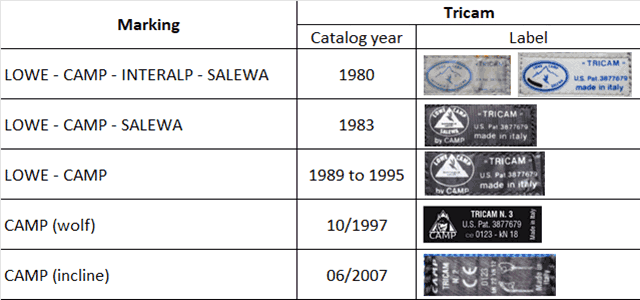
Looking at my own Tri-Cams, I saw that C.A.M.P. produced Tri-Cams with four company identifications on their tags: (1) Lowe, CAMP, Interalp, and Salewa, (2) Lowe, CAMP & Salewa, (3) Lowe & CAMP, and (4) CAMP only. The first of these was puzzling since there was an apparent inconsistency between CAMP terminating their Interalp relationship in 1980 and not designing the Tri-Cams until 1981. I wrote to Dennis for clarification. He replied with the following:
Your question allows me to clarify some dates by searching for evidence in the CAMP catalogs and with CAMP R&D.
Lowe had a distribution agreement in Europe: Salewa distributed in Germany and Austria, and CAMP in the other European countries.
The catalogs were printed one year before the year marked on the catalogs, so the photos and Tri-Cam labels were made in 1979 when Interalp was still the distributor of CAMP. The year indicated is the catalog year and it may vary by a year due to existing stock and the time required to modify the tooling.
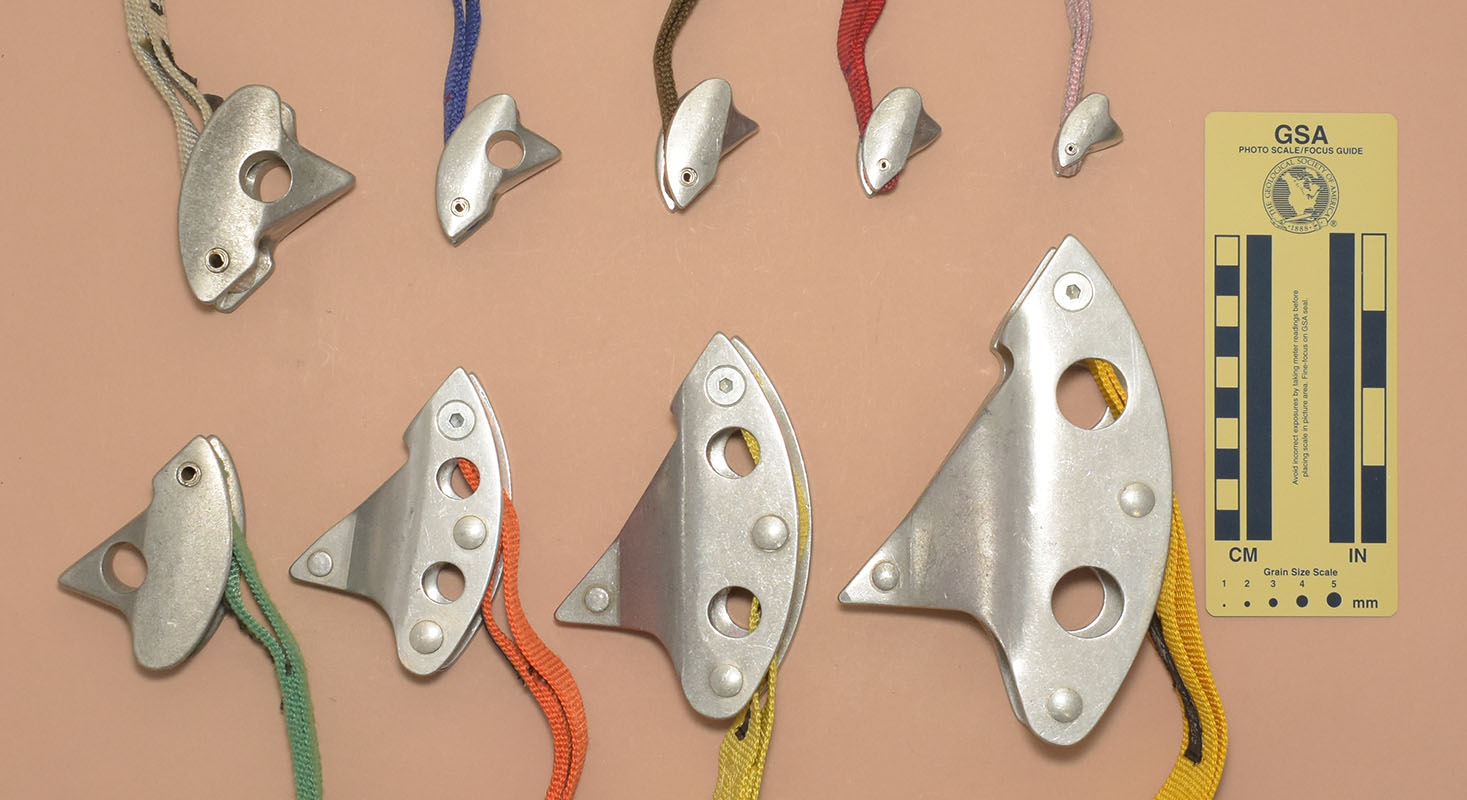 | 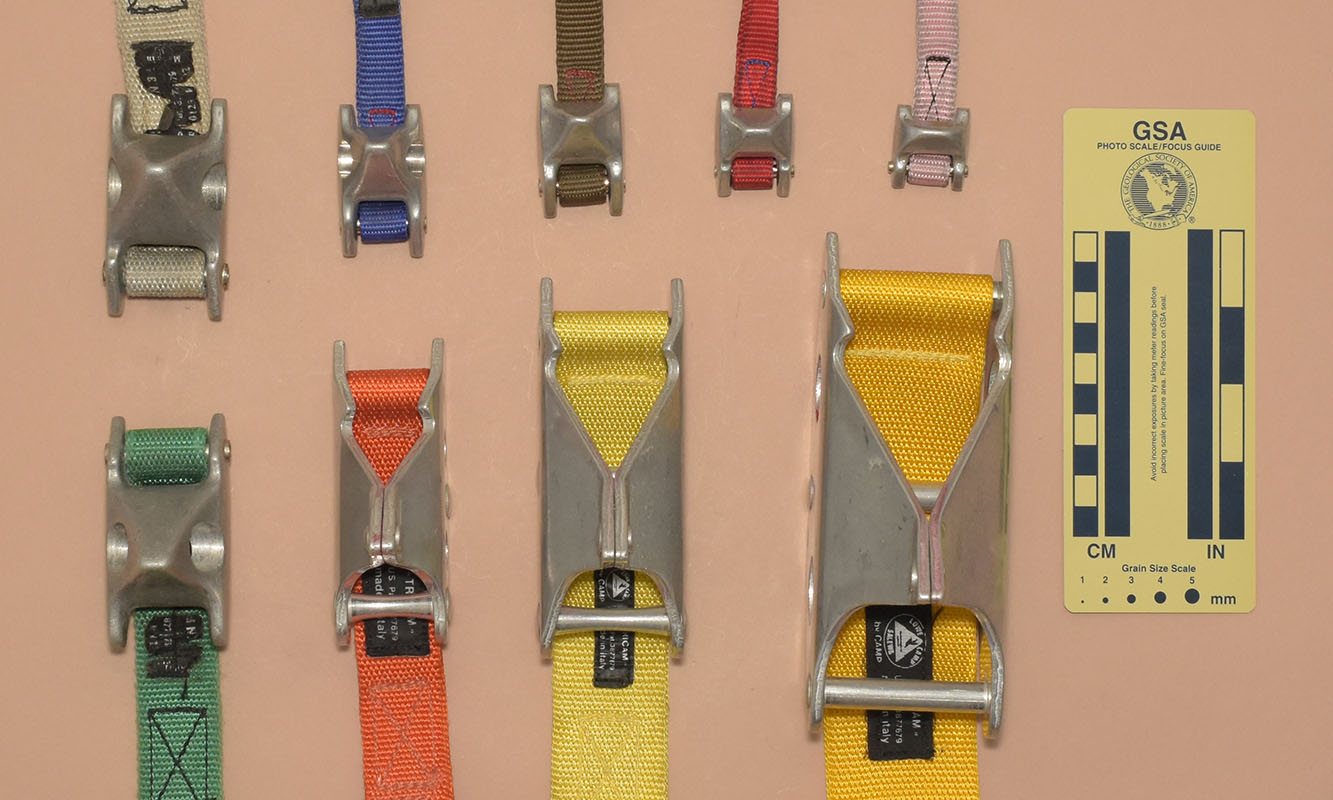 |
↑ Set 288, …, 411: Lowe/C.A.M.P./etc. Tri–Cams; #0.5–#7
 | 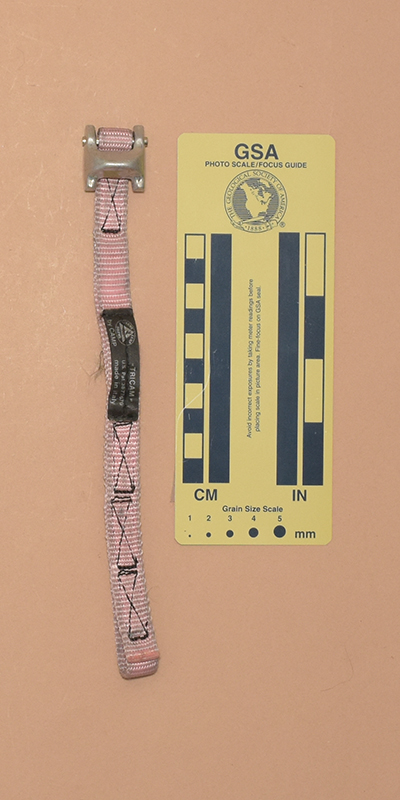 | 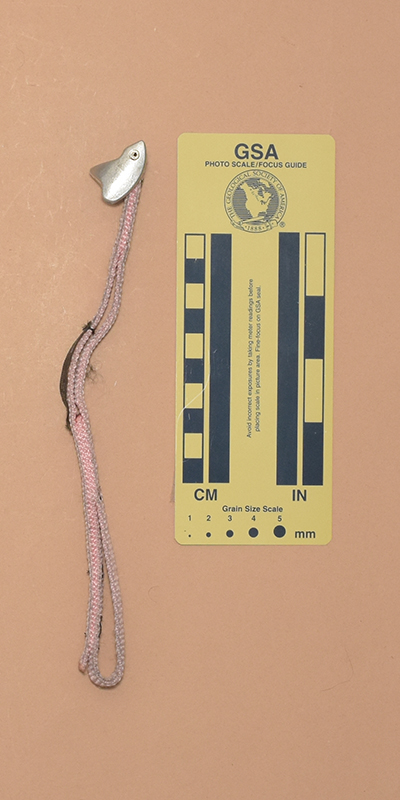 |  |
↑ 288: Lowe/C.A.M.P. Tri–Cam; #0.5
 | 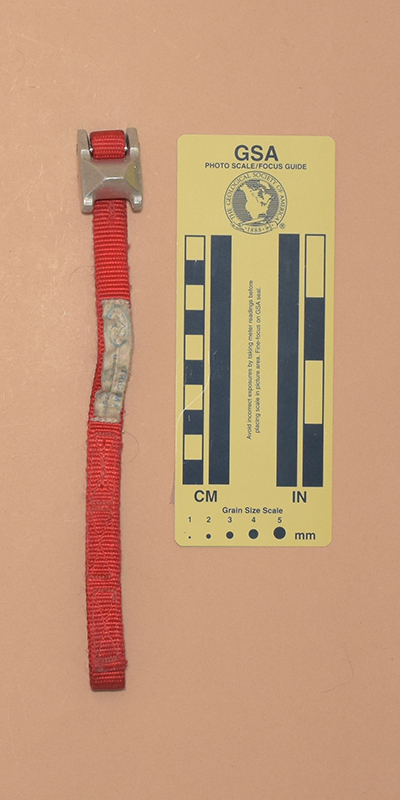 | 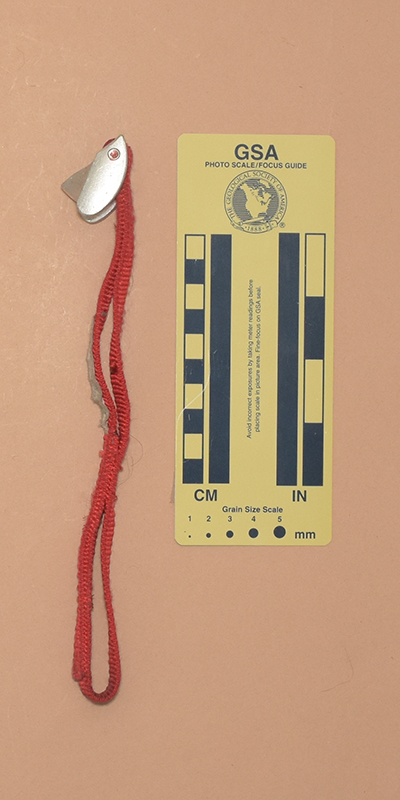 |  |
↑ 407: Lowe/C.A.M.P./Interalp/Salewa Tri–Cam; #1
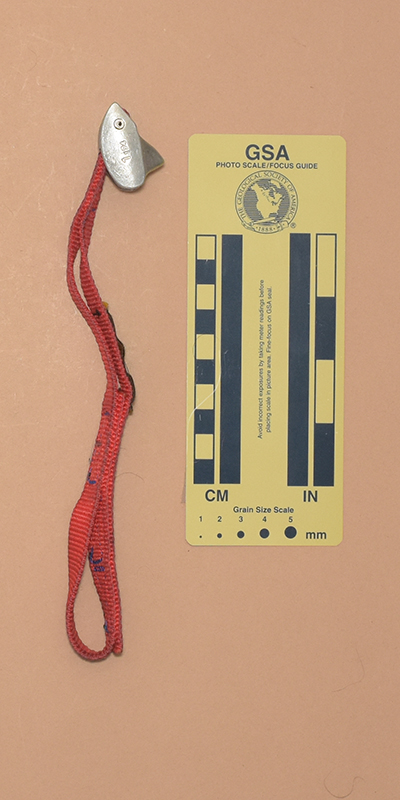 | 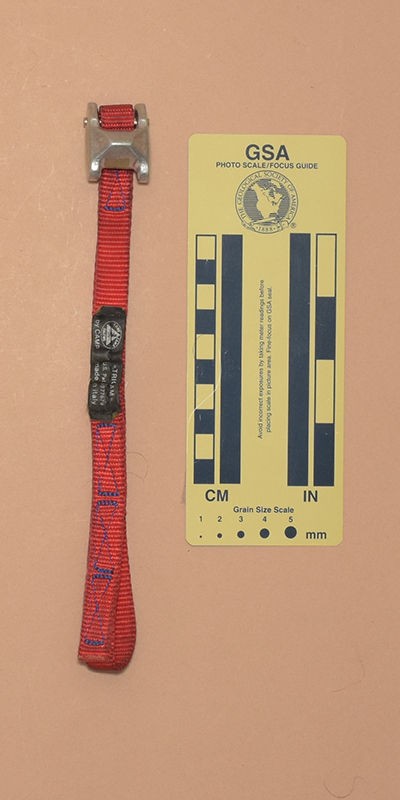 | 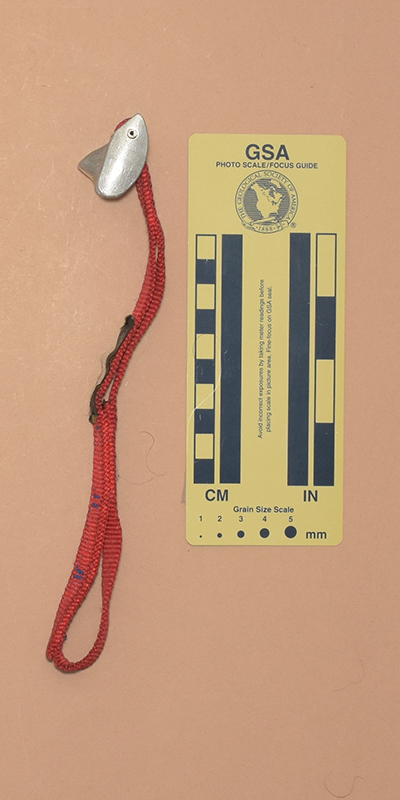 | 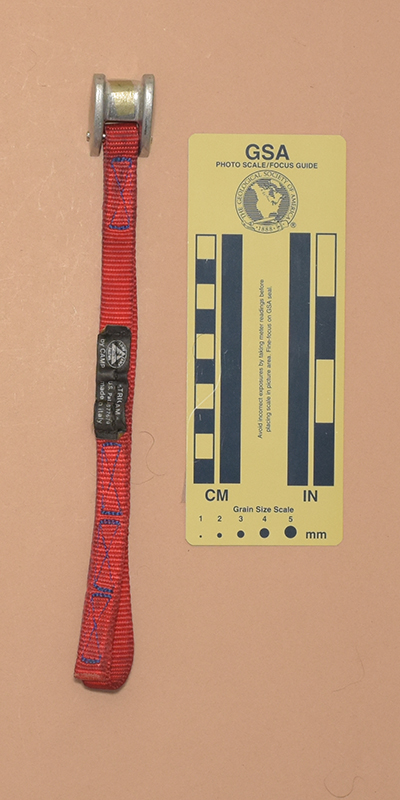 |
↑ 289: Lowe/C.A.M.P./Salewa Tri–Cam; #1
 | 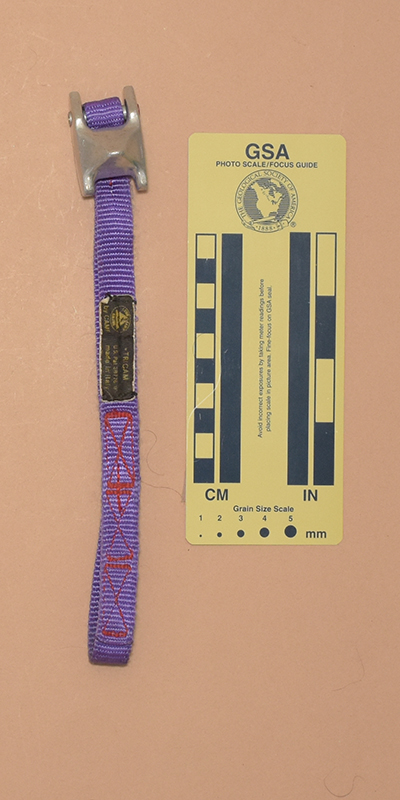 | 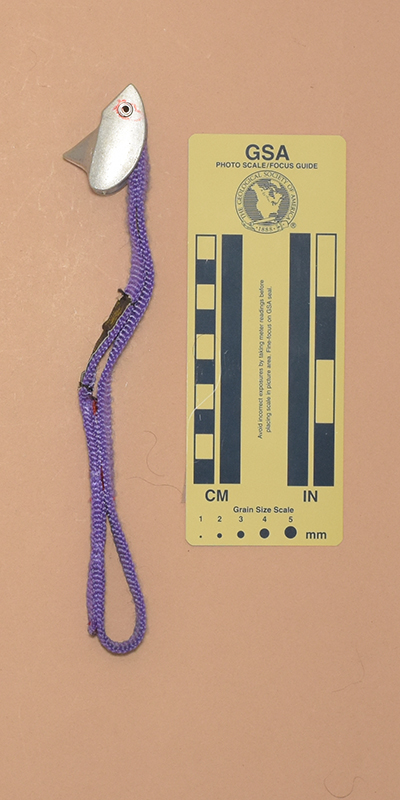 |  |
↑ 408: Lowe/C.A.M.P./Salewa Tri–Cam; #1.5
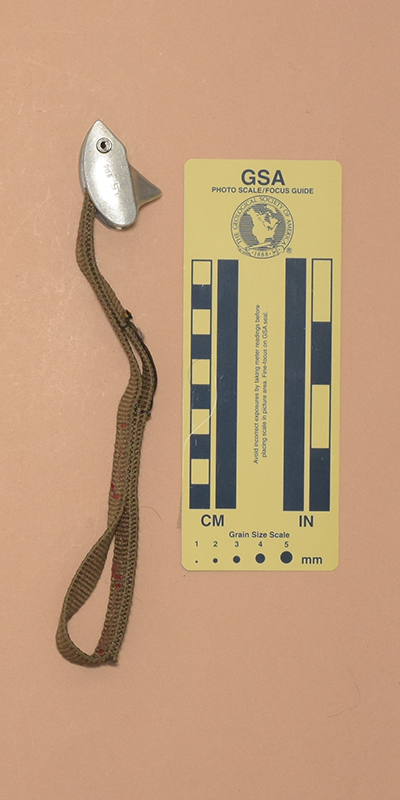 | 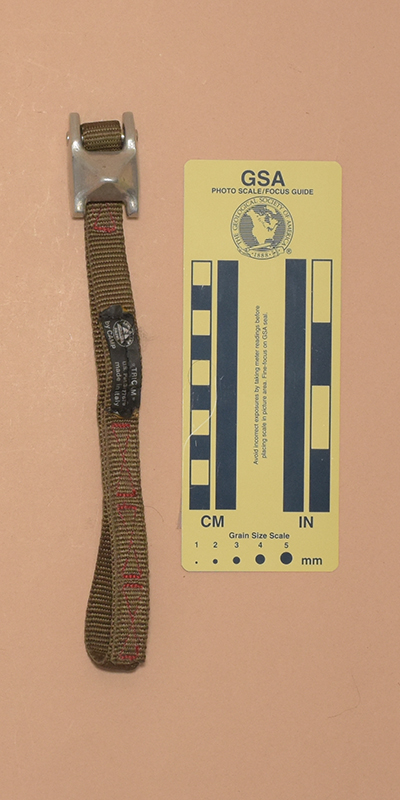 | 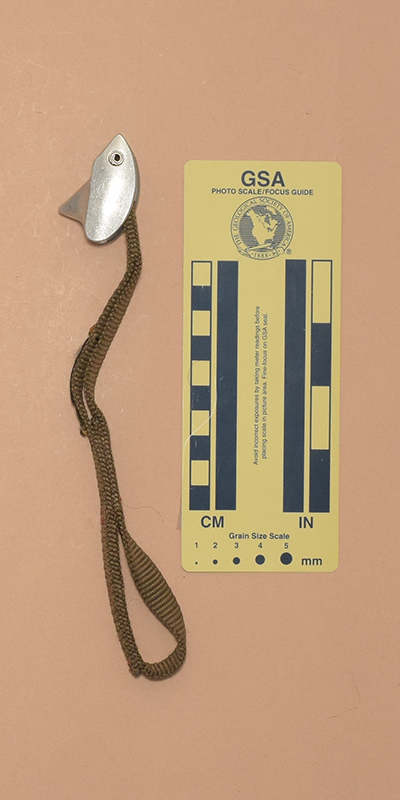 | 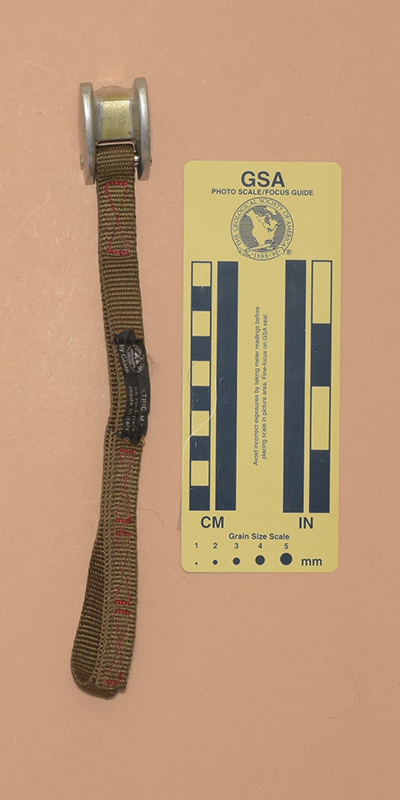 |
↑ 290: Lowe/C.A.M.P./Salewa Tri–Cam; #1.5
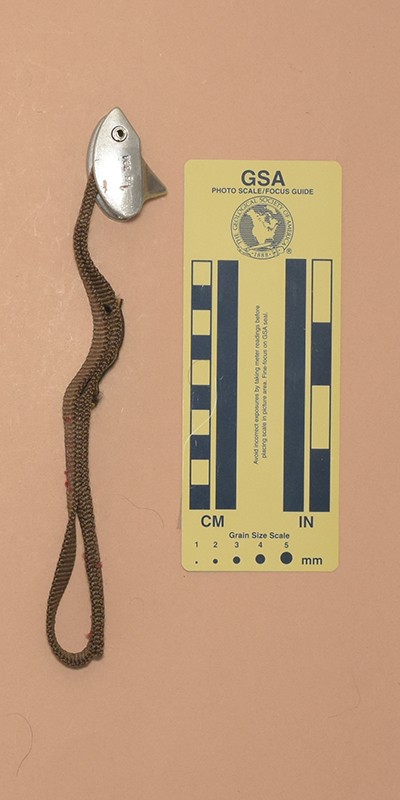 | 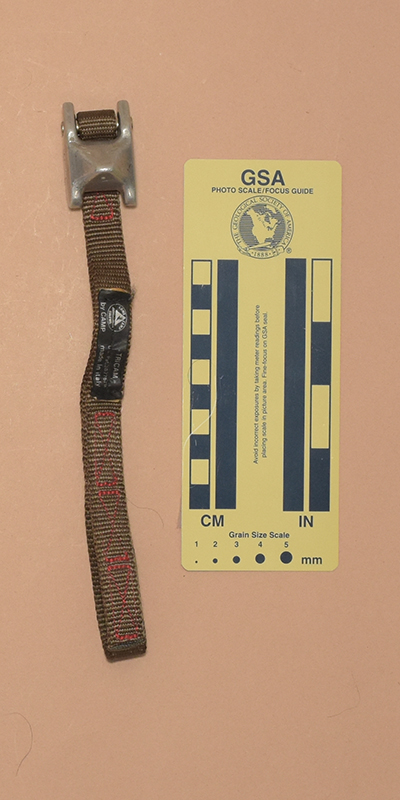 |  | 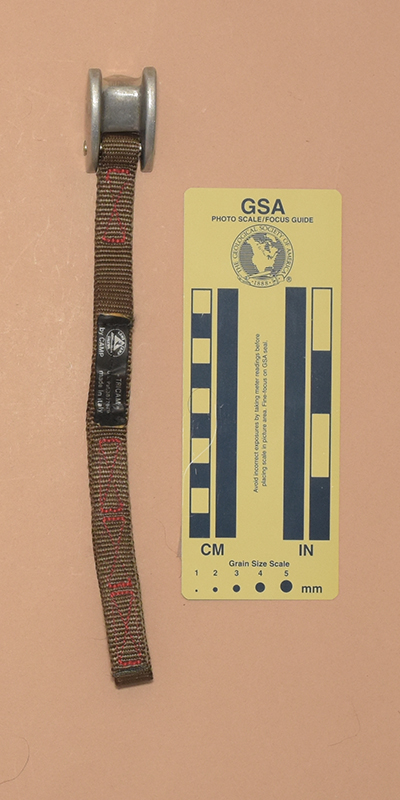 |
↑ 806: Lowe/C.A.M.P./Salewa Tri–Cam; #1.5
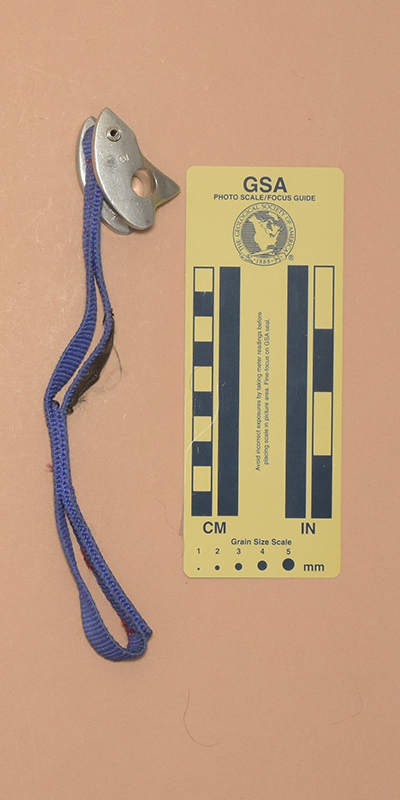 |  | 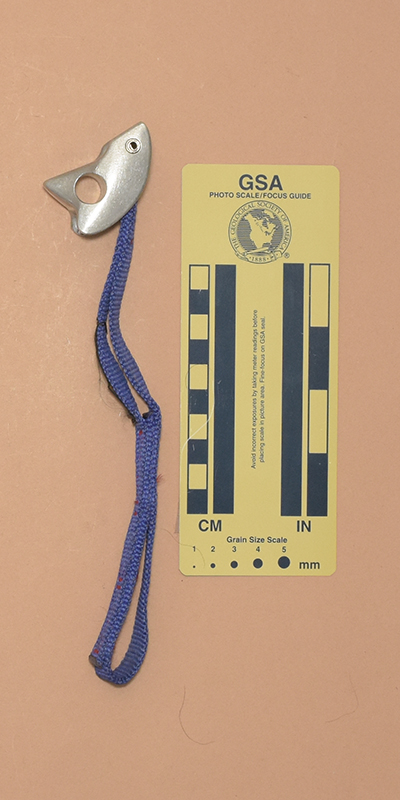 | 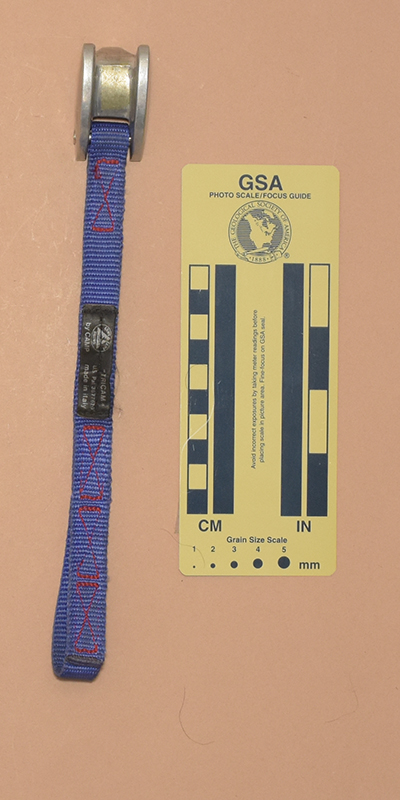 |
↑ 291: Lowe/C.A.M.P. Tri–Cam; #2
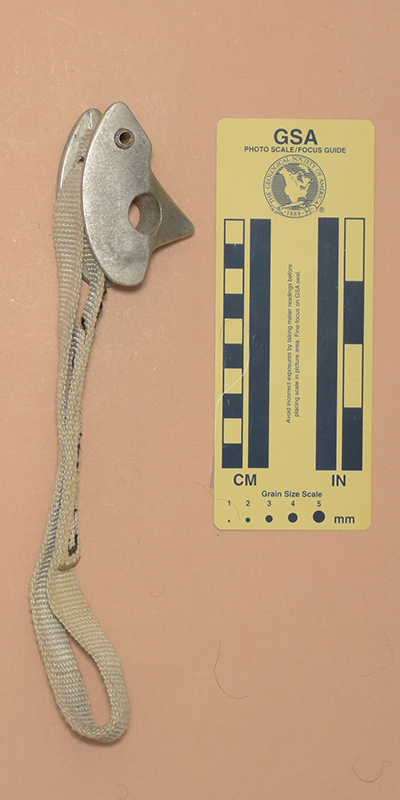 |  |  | 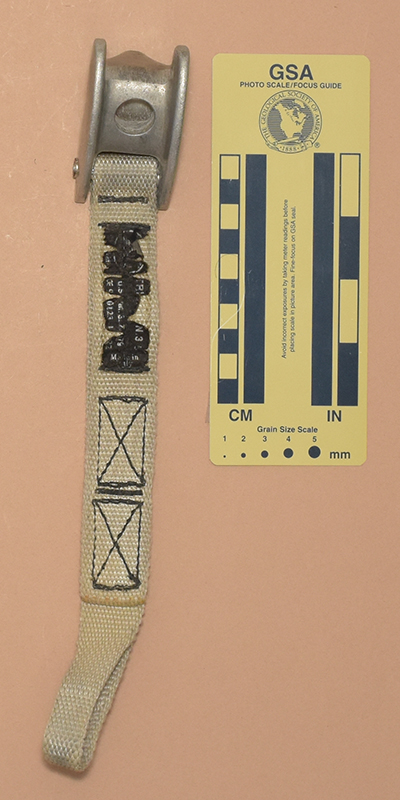 |
↑ 079: Lowe/C.A.M.P. Tri–Cam; #3.5
 |  | 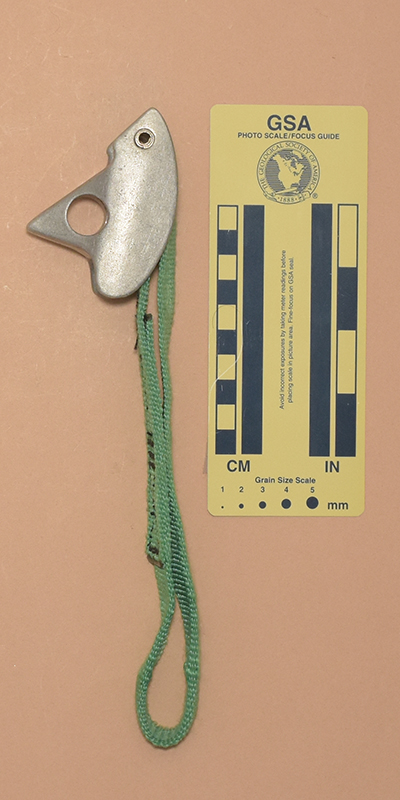 | 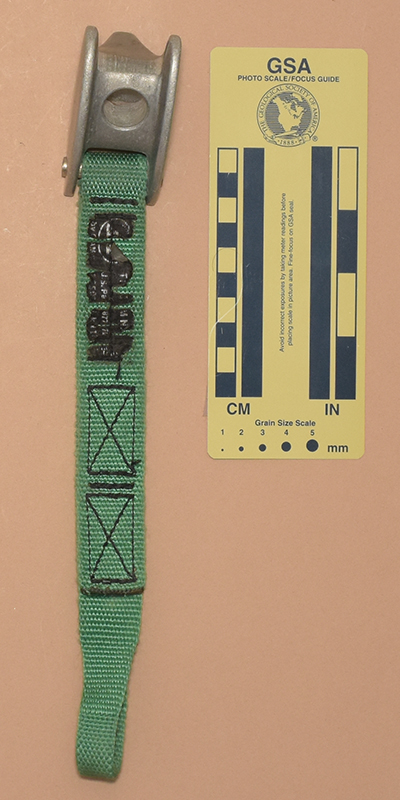 |
↑ 409: Lowe/C.A.M.P. Tri–Cam; #4
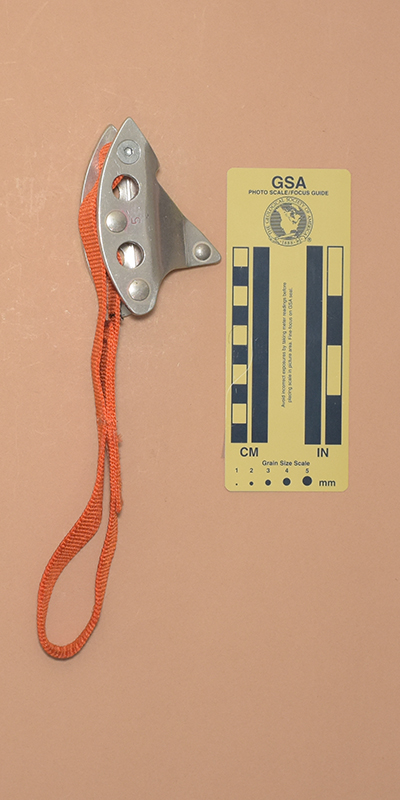 | 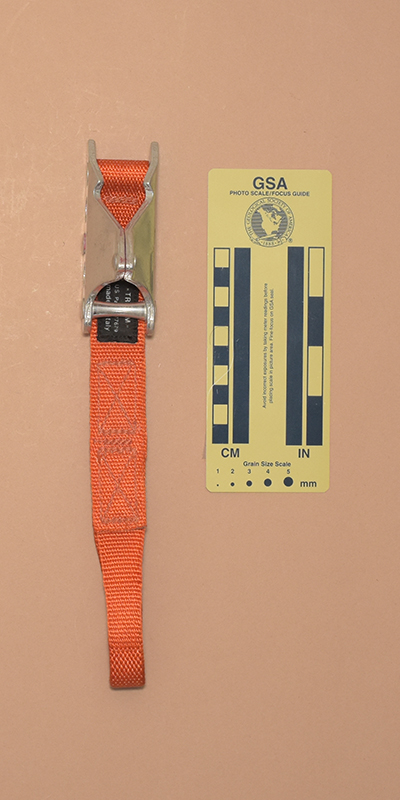 | 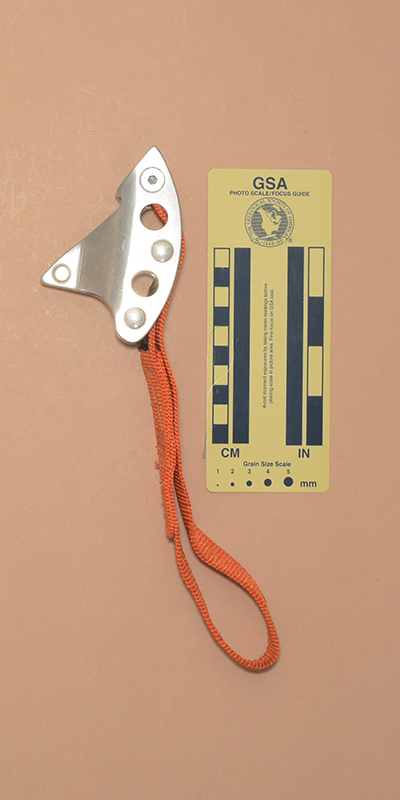 | 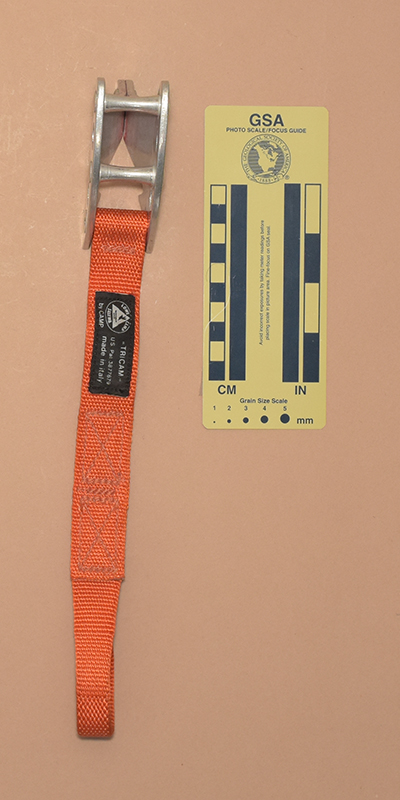 |
↑ 332: Lowe/C.A.M.P./Salewa Tri–Cam; #5
 | 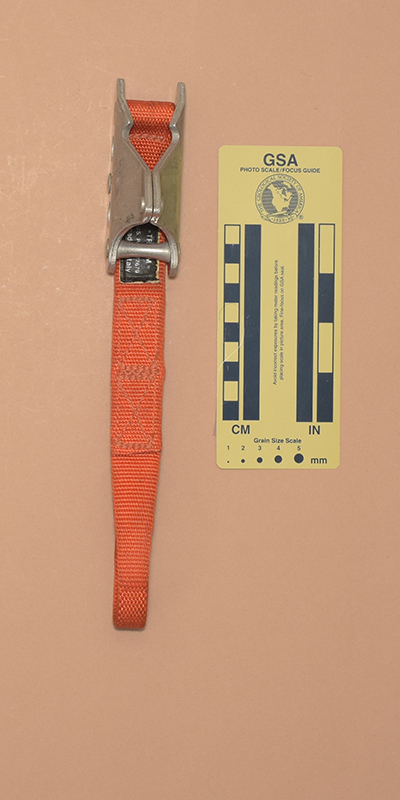 |  | 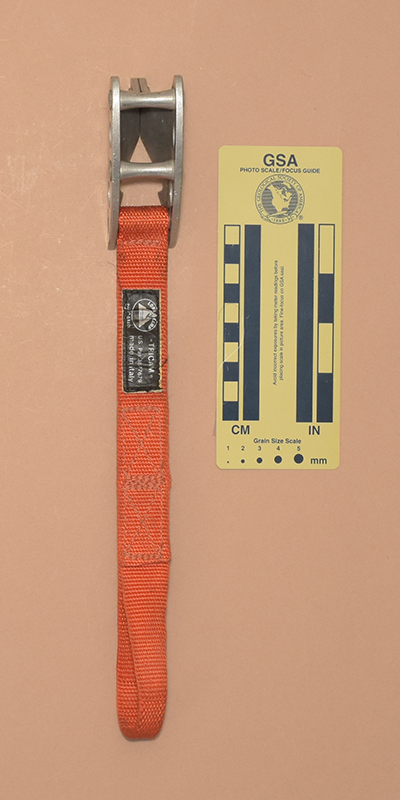 |
↑ 807: Lowe/C.A.M.P. Tri–Cam; #5
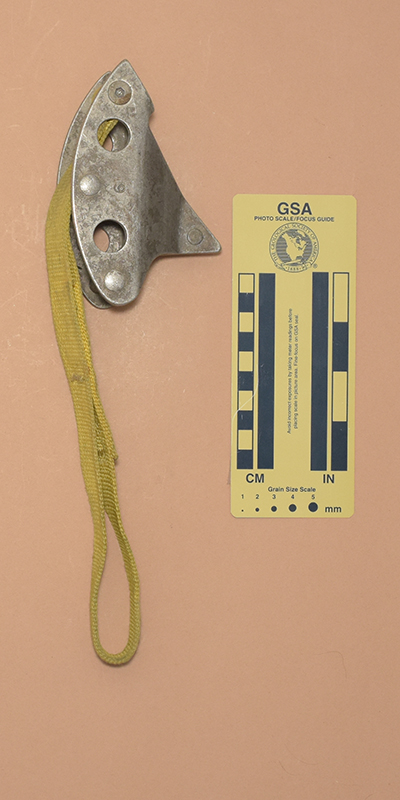 |  | 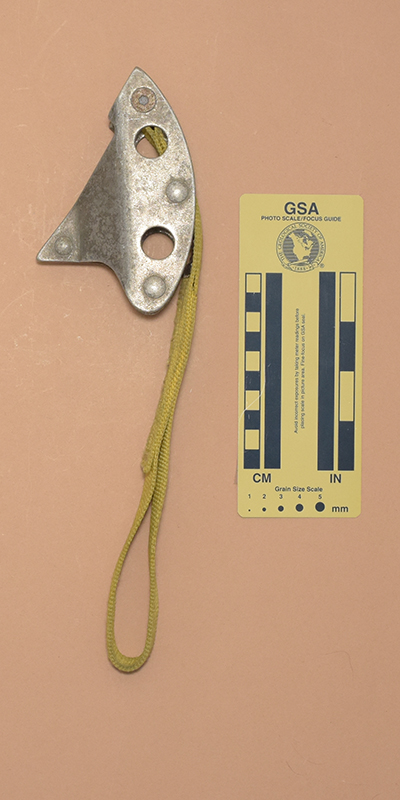 |  |
↑ 802: Lowe/C.A.M.P./Salewa Tri–Cam; #6
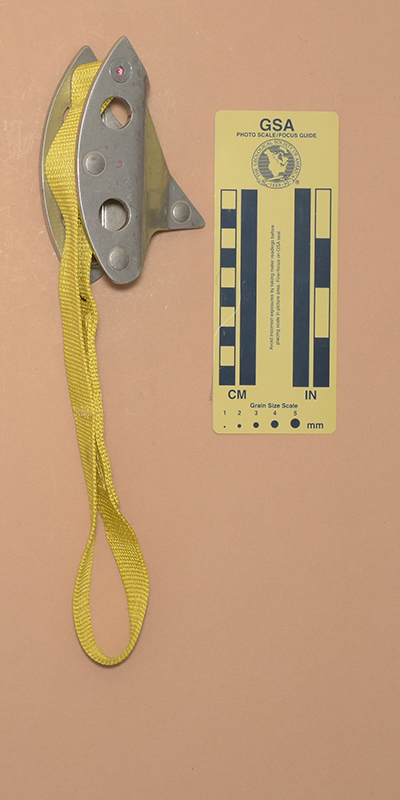 | 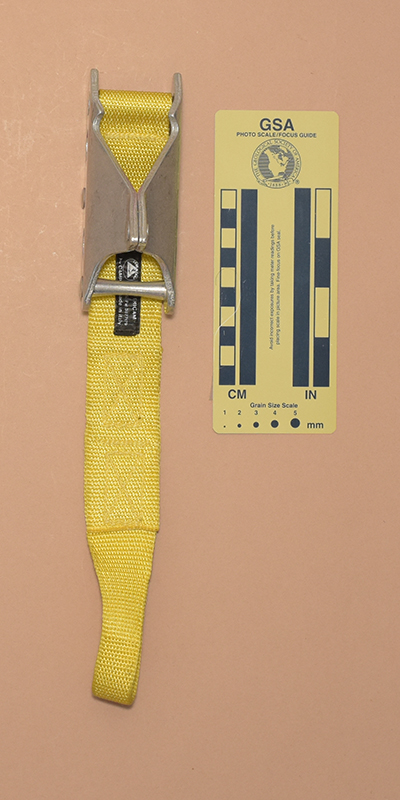 | 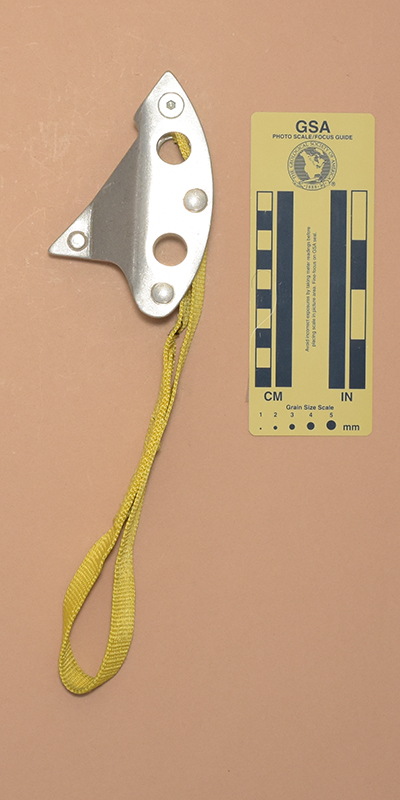 | 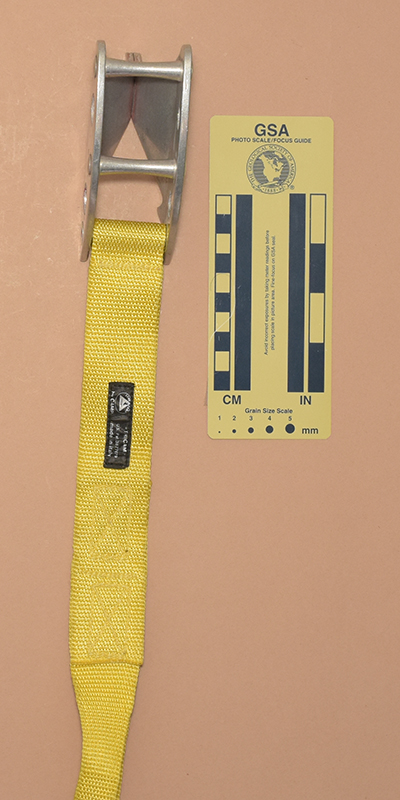 |
↑ 410: Lowe/C.A.M.P. Tri–Cam; #6
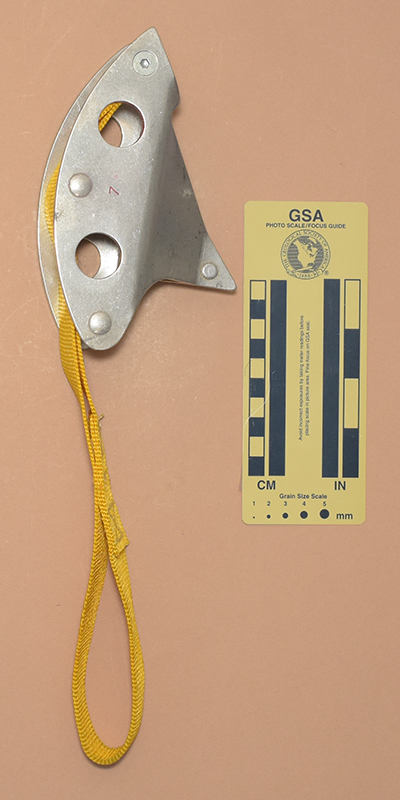 |  |  |  |
↑ 411: Lowe/C.A.M.P./Salewa Tri–Cam; #7
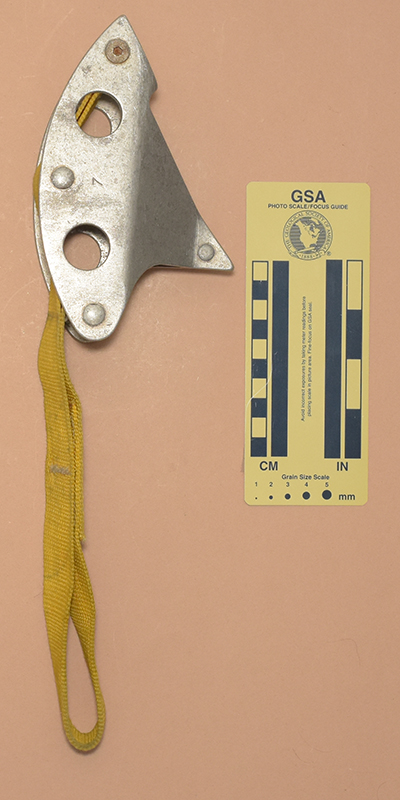 | 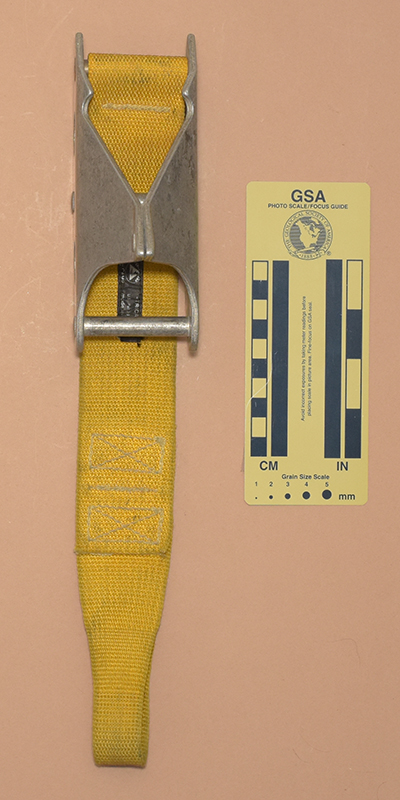 |  | 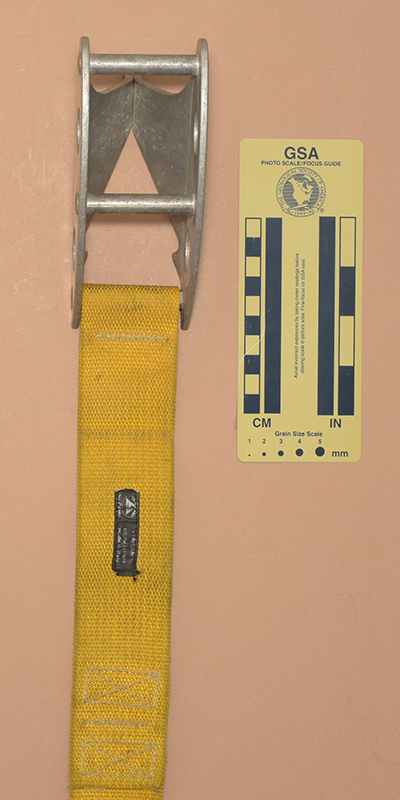 |
↑ 805: Lowe/C.A.M.P. Tri–Cam; #7
I know no way to distinguish older Lowe/C.A.M.P. vs. C.A.M.P. Tri-cams other than by reading the label. The labels on these Tri-cams are illegible or missing.
I obtained these as part of a set where the ones with legible tags were Lowe/C.A.M.P./Salewa and Lowe/C.A.M.P. Tri-cams.
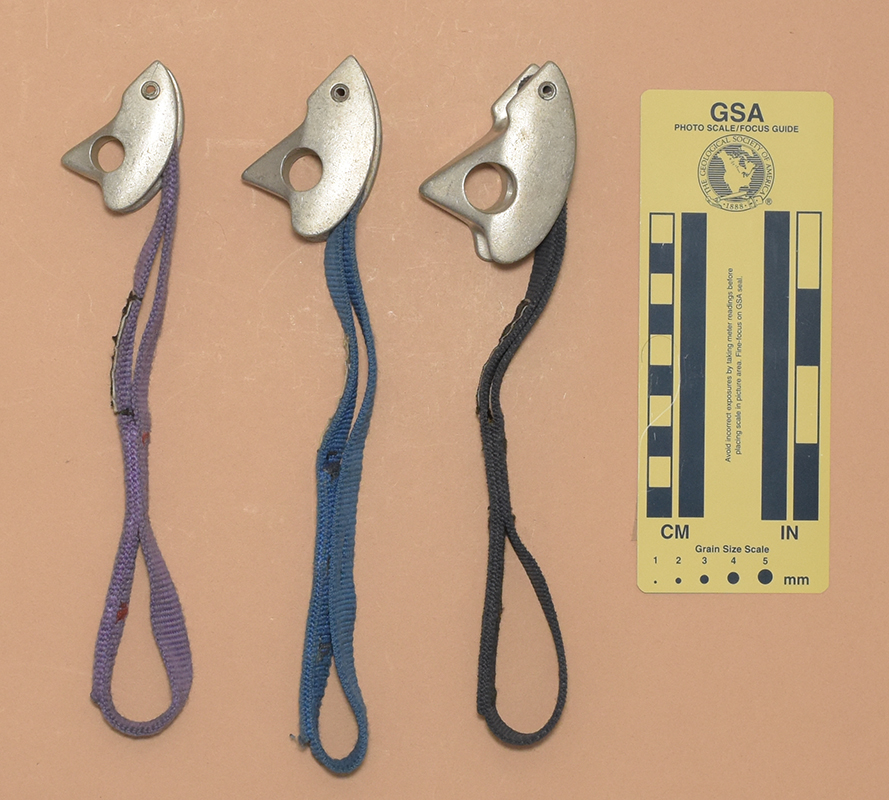 | 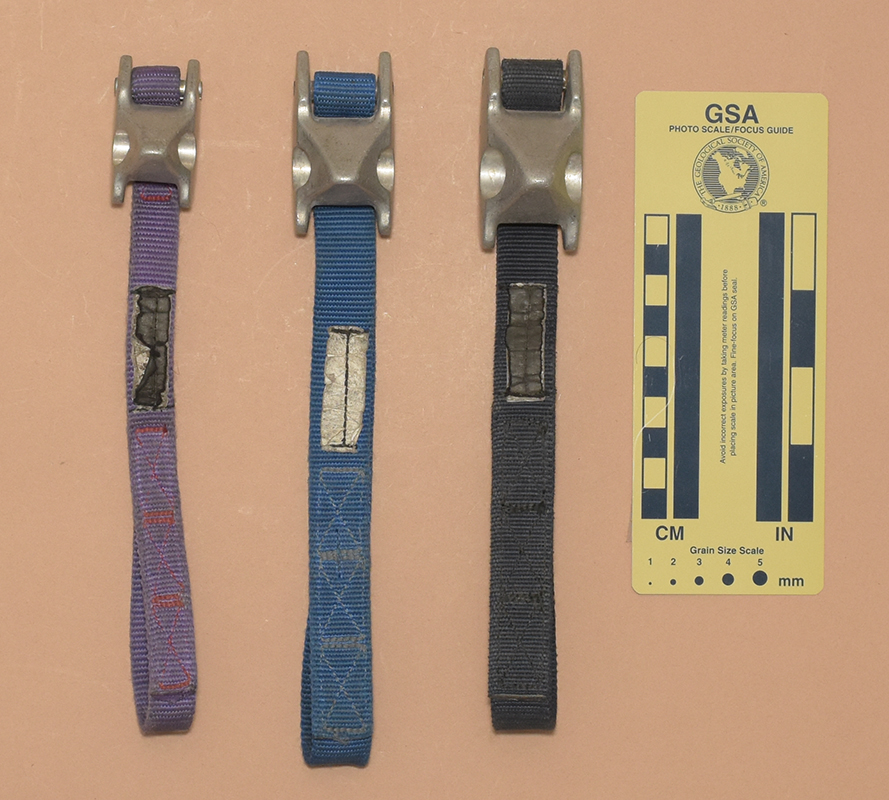 |
↑ Set 803, 804, 801: C.A.M.P. (incerta notam) Tri–Cams; #2, #2.5, #3
 | 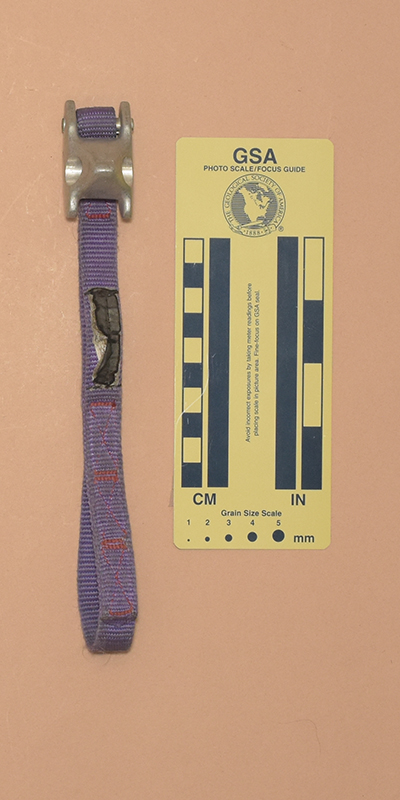 |  |  |
↑ 803: C.A.M.P. (incerta notam) Tri–Cam; #2
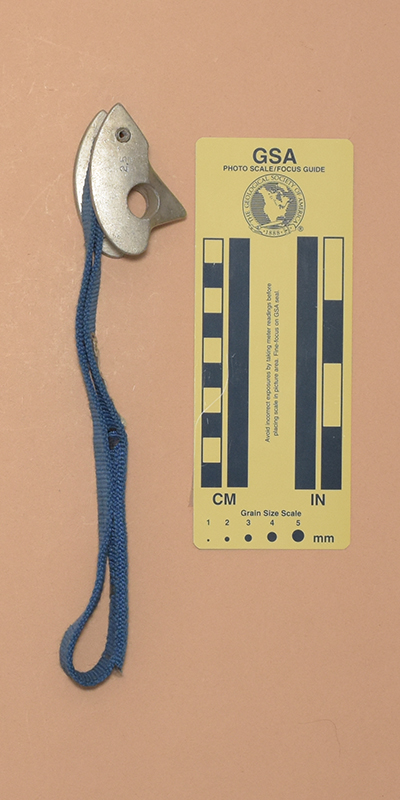 |  |  |  |
↑ 804: C.A.M.P. (incerta notam) Tri–Cam; #2.5
I obtained these as part of a set where the ones with legible tags were C.A.M.P. Tri-cams.
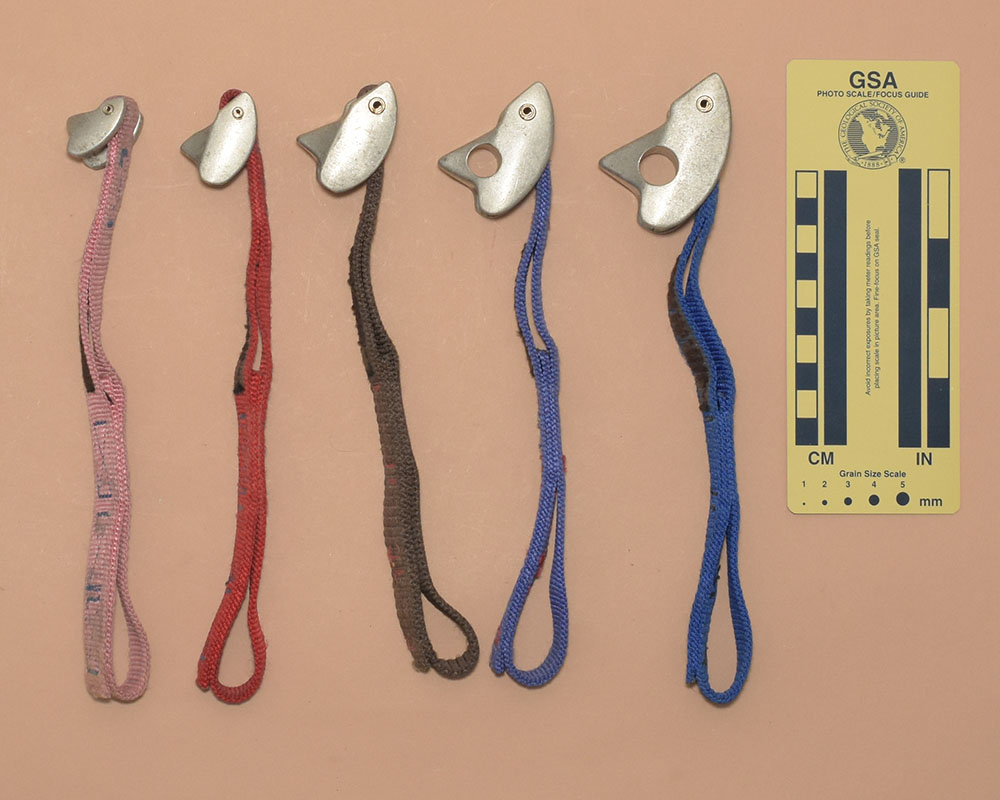 | 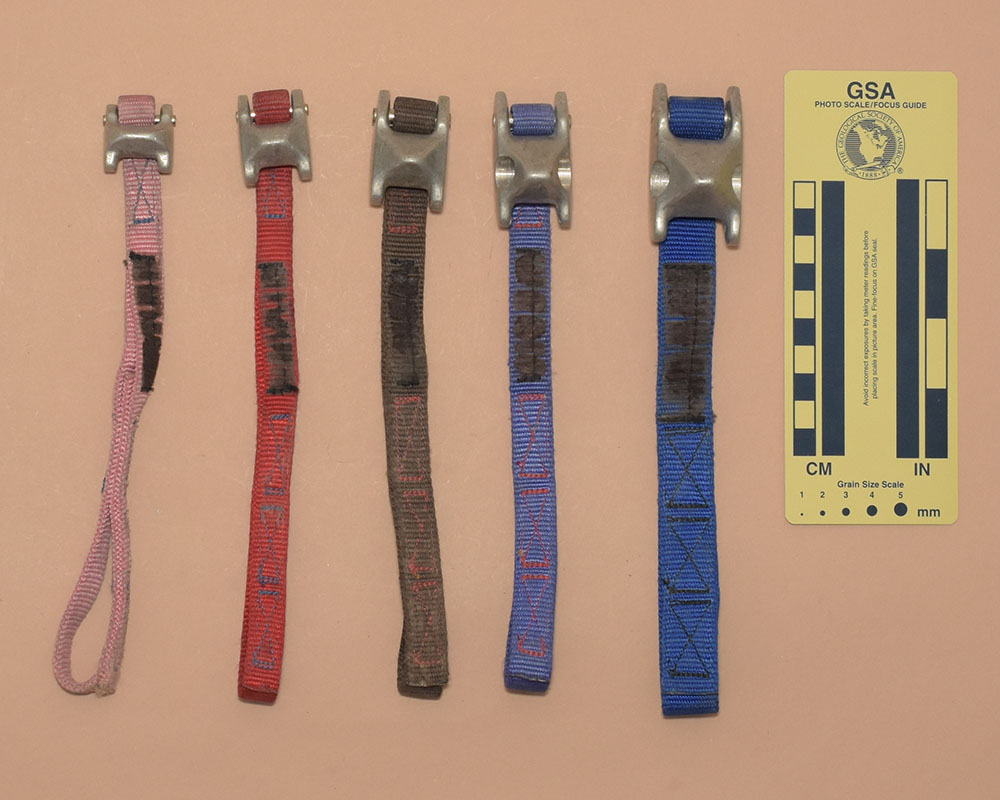 |
↑ Set 073-077: C.A.M.P. (incerta notam) Tri–Cams; #0.5–#2.5
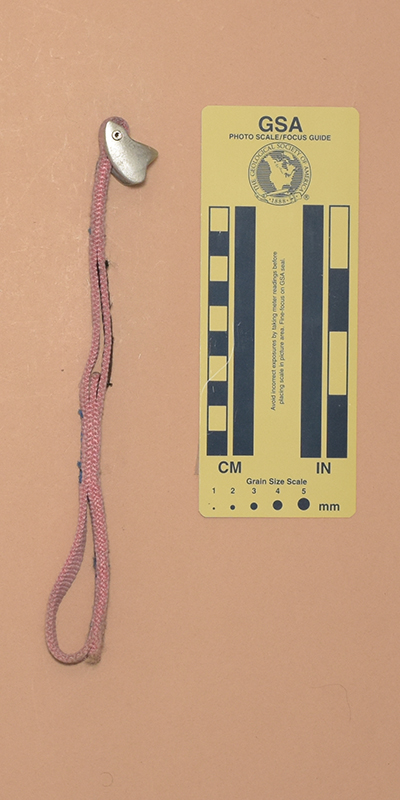 | 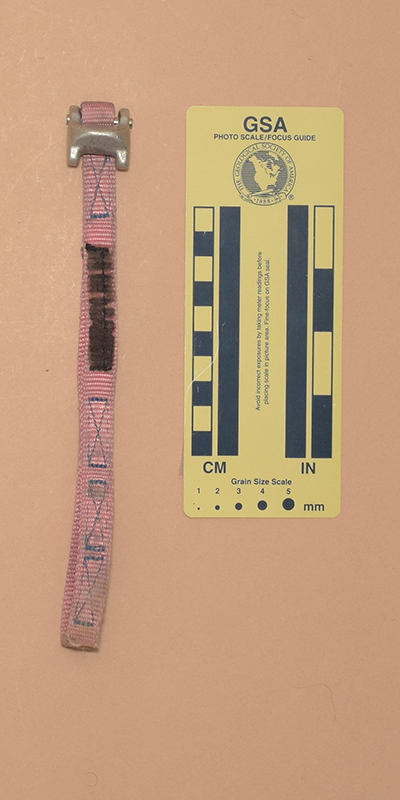 | 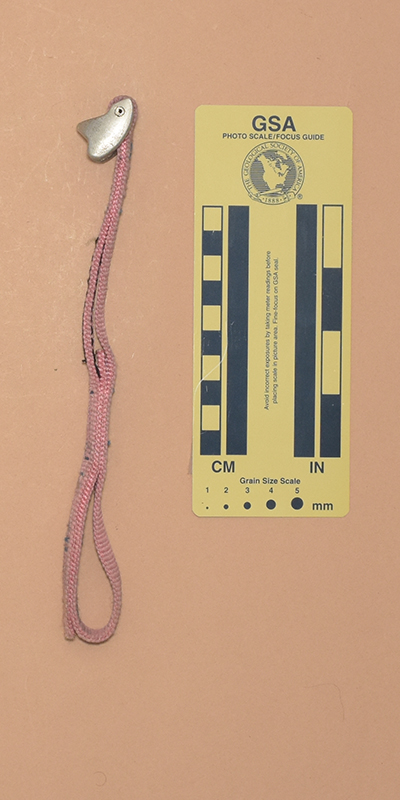 | 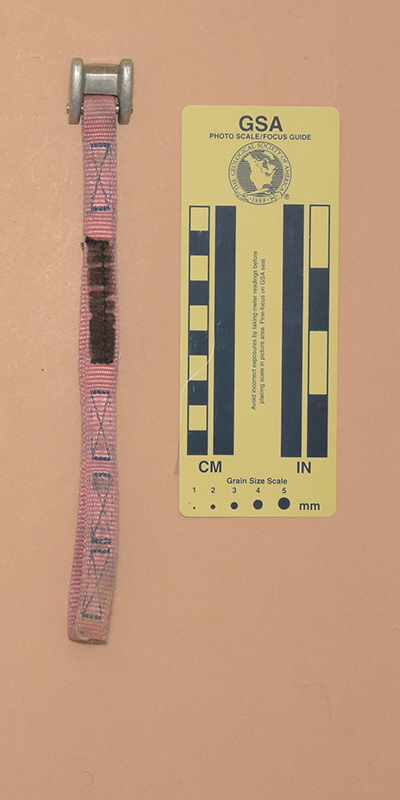 |
↑ 073: C.A.M.P. (incerta notam) Tri–Cam; #0.5
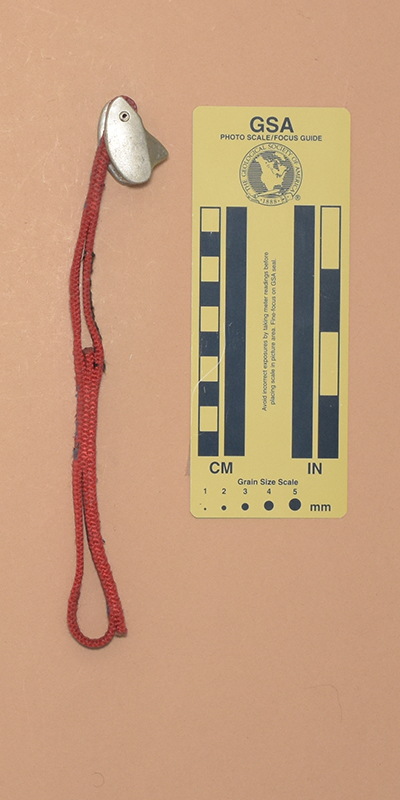 |  | 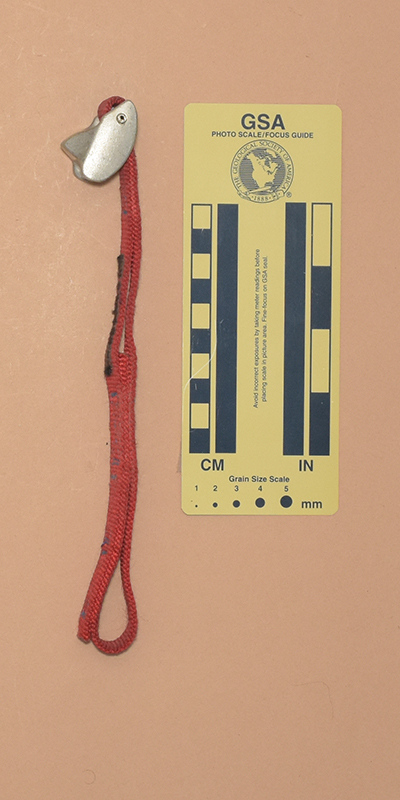 |  |
↑ 074: C.A.M.P. (incerta notam) Tri–Cam; #1
 | 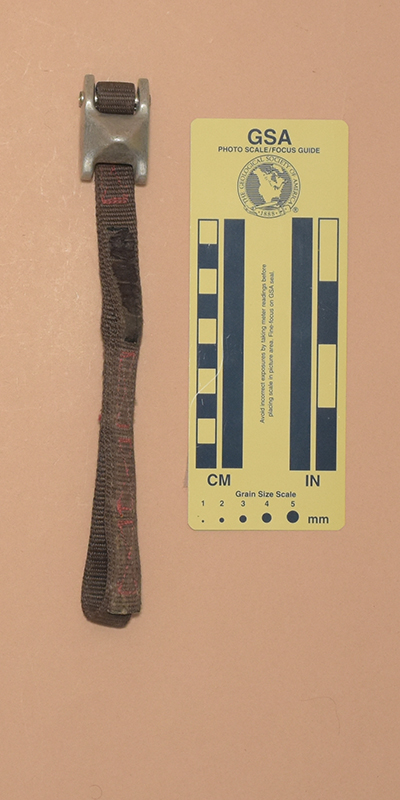 |  |  |
↑ 075: C.A.M.P. (incerta notam) Tri–Cam; #1.5
 |  | 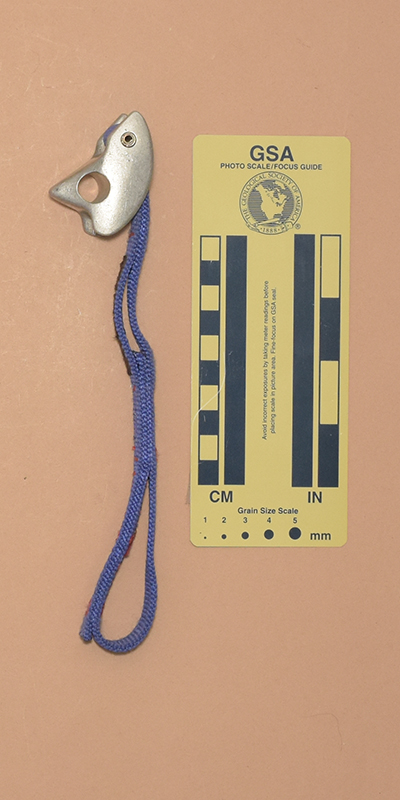 |  |
↑ 076: C.A.M.P. (incerta notam) Tri–Cam; #2
 | 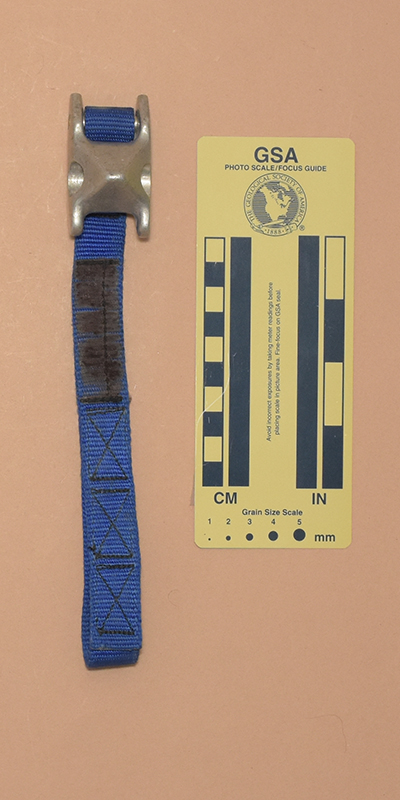 |  | 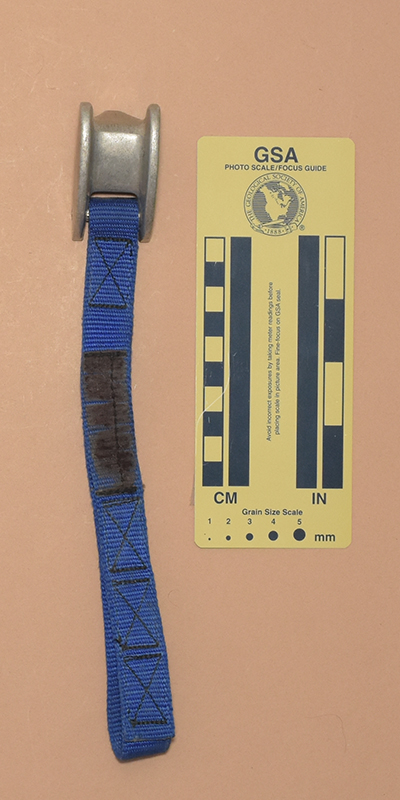 |
↑ 077: C.A.M.P. (incerta notam) Tri–Cam; #2.5
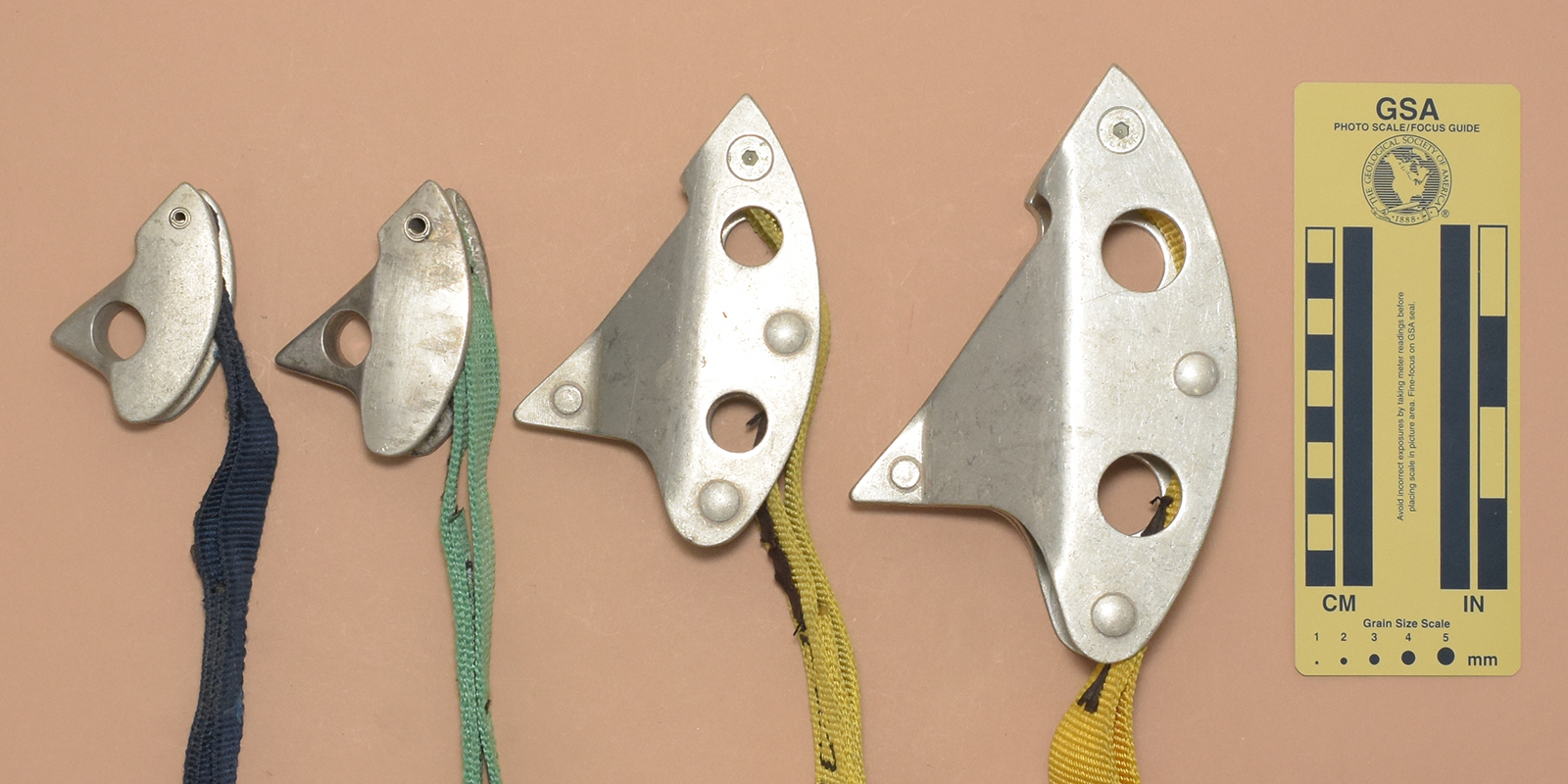 | 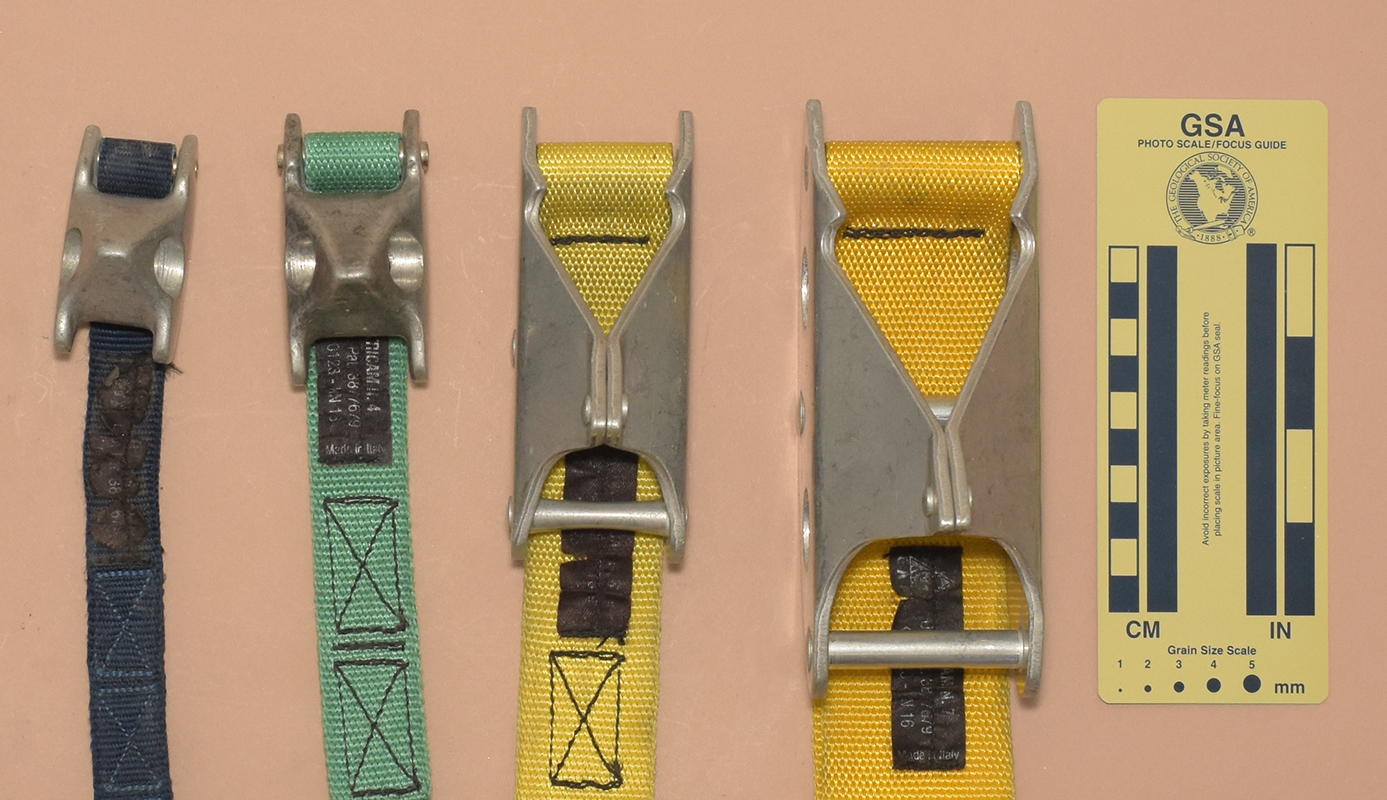 |
↑ Set 078, 080-082: C.A.M.P. Tri–Cams; #3, #4, #6, #7
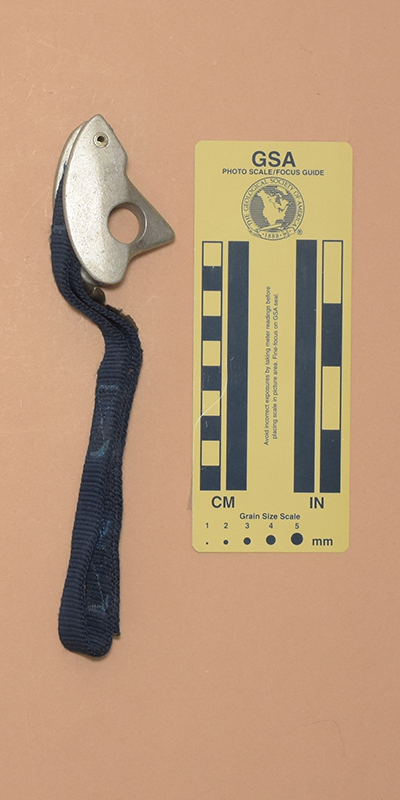 |  |  |  |
↑ 078: C.A.M.P. Tri–Cam; #3
 | 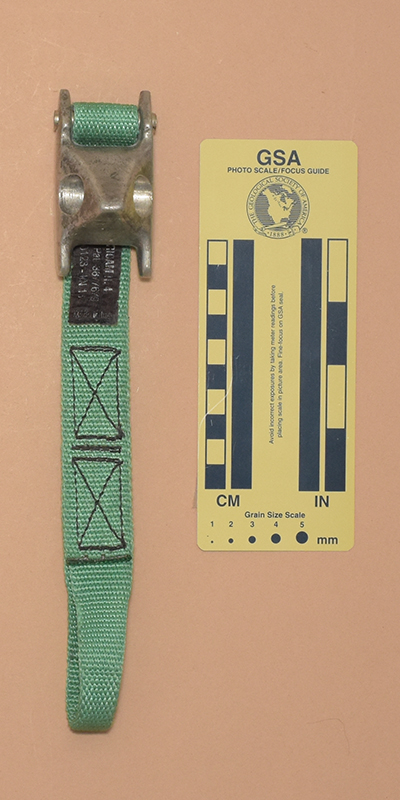 | 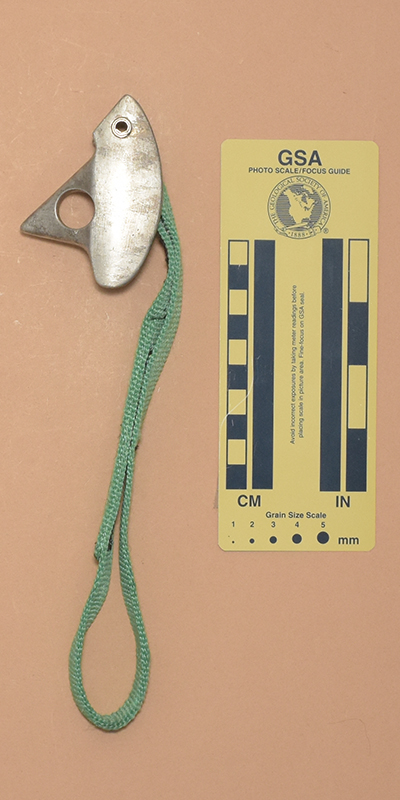 | 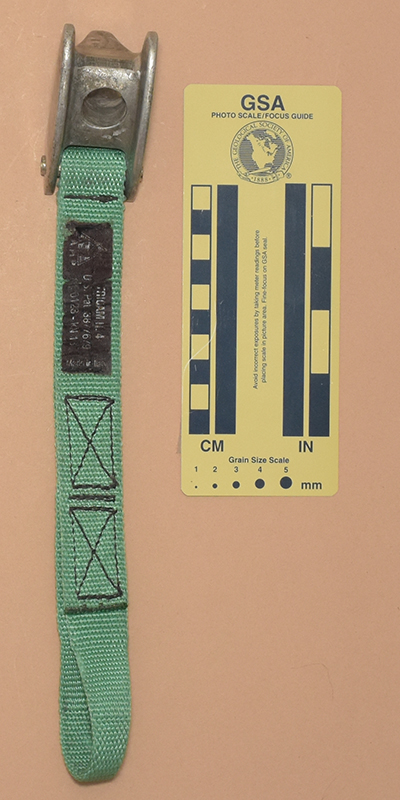 |
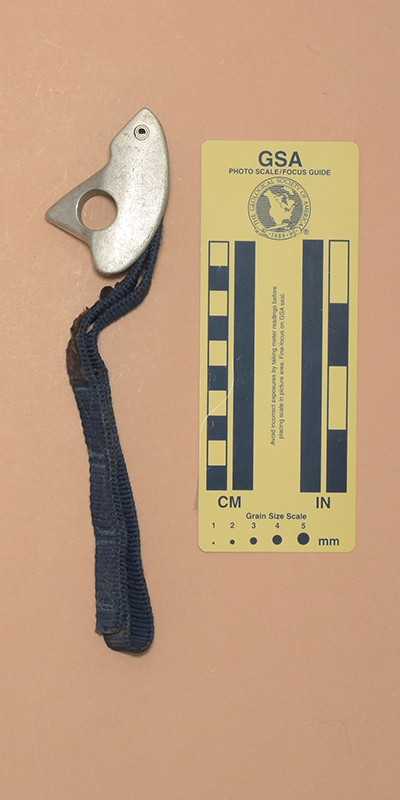
↑ 080: C.A.M.P. Tri–Cam; #4
 | 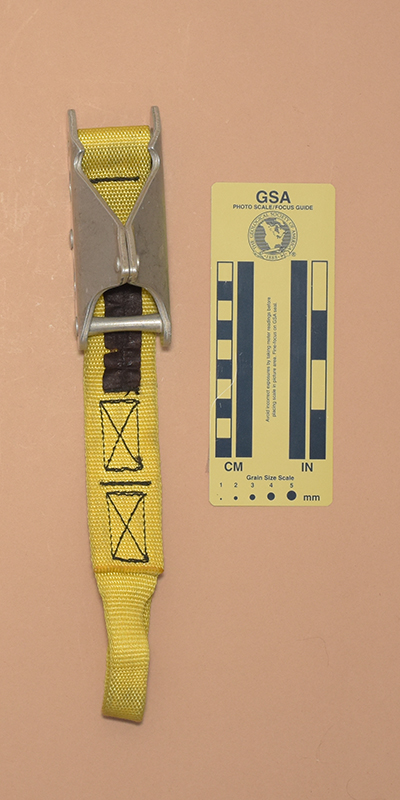 |  | 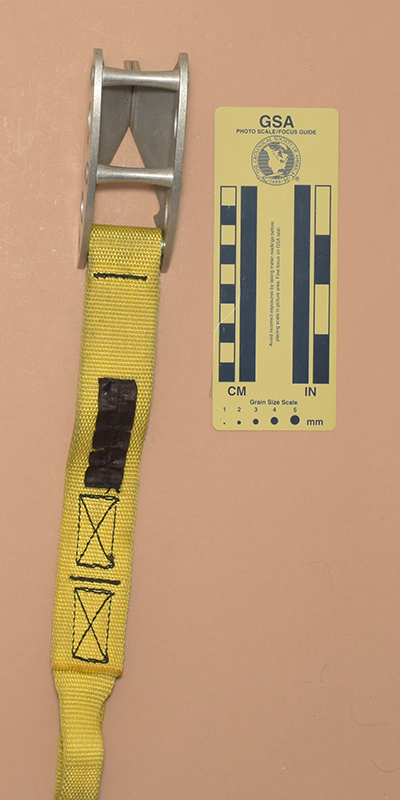 |
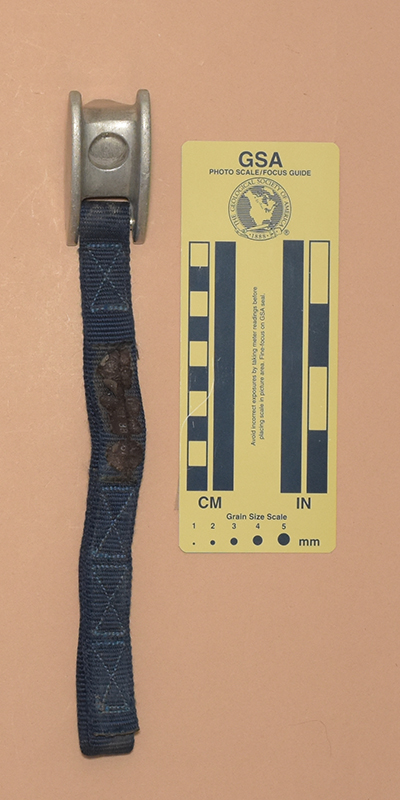
↑ 081: C.A.M.P. Tri–Cam; #6
 |  | 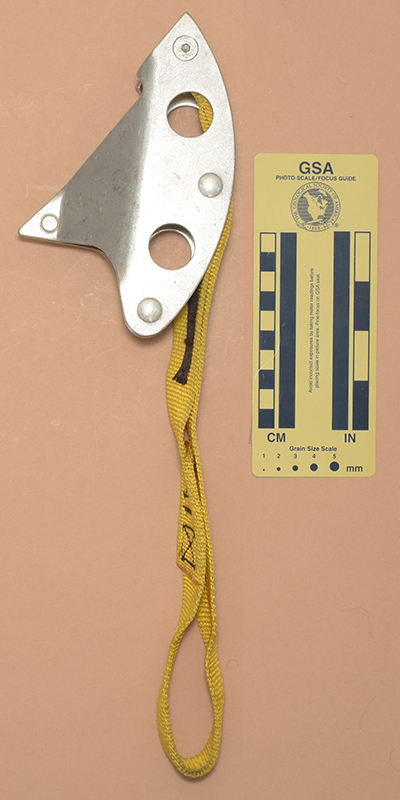 | 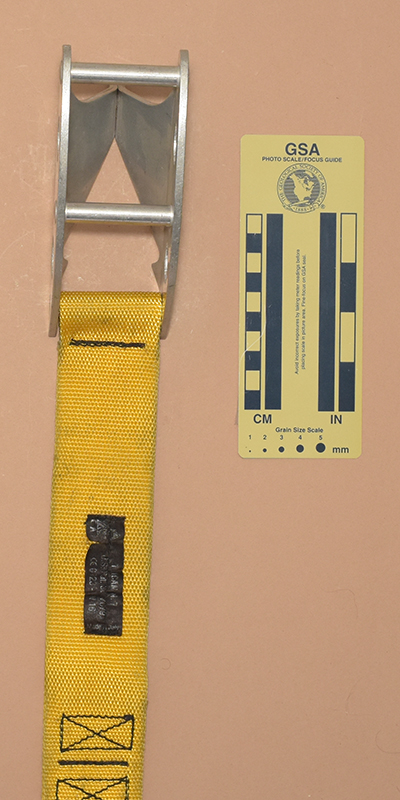 |
↑ 082: C.A.M.P. Tri–Cam; #7